
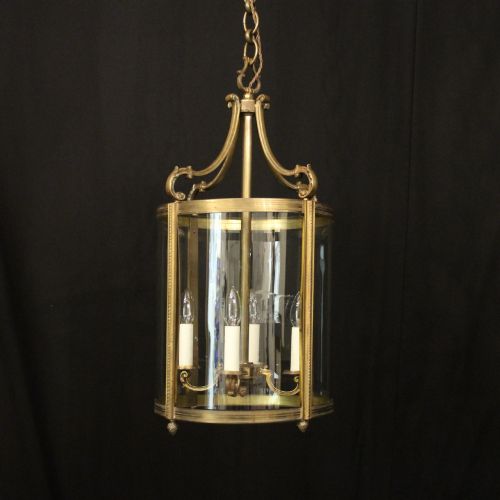
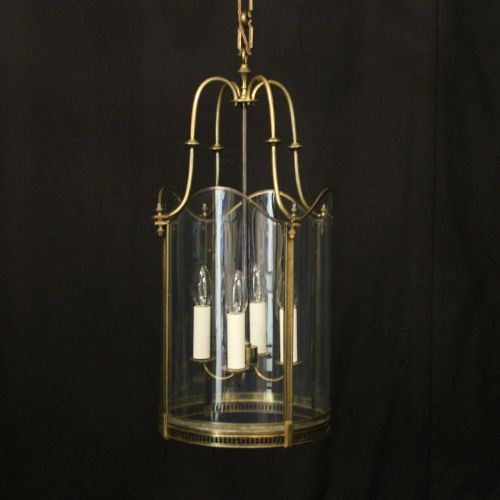
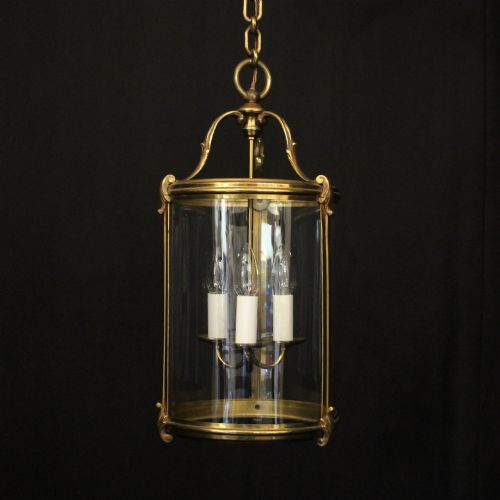
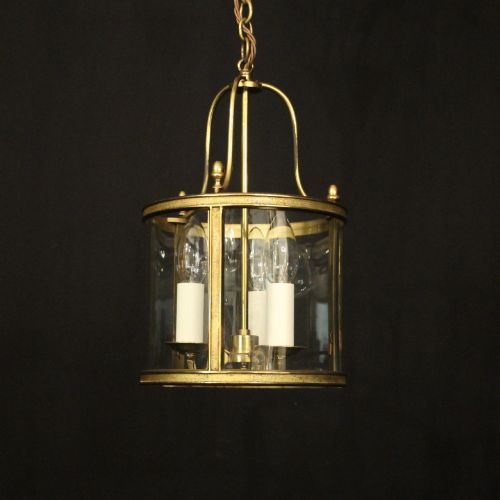


Curved Glass Pendant Light
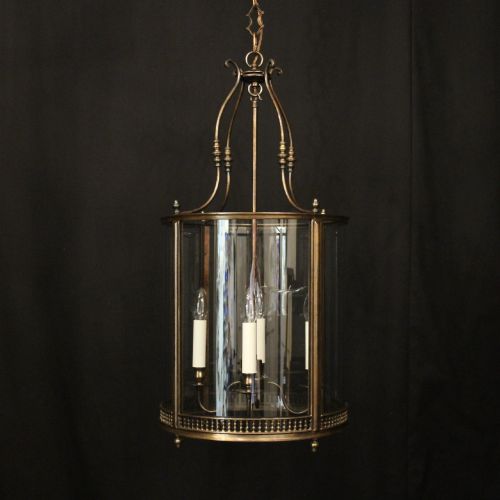
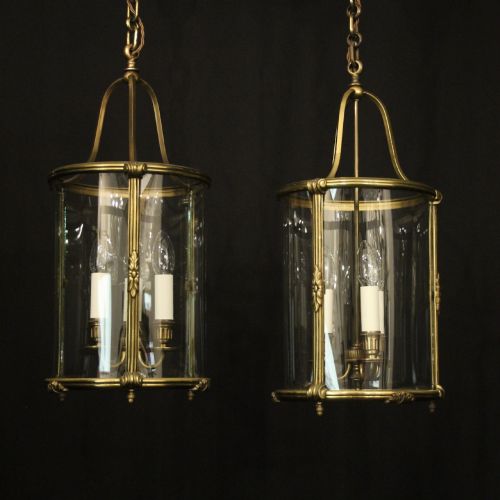
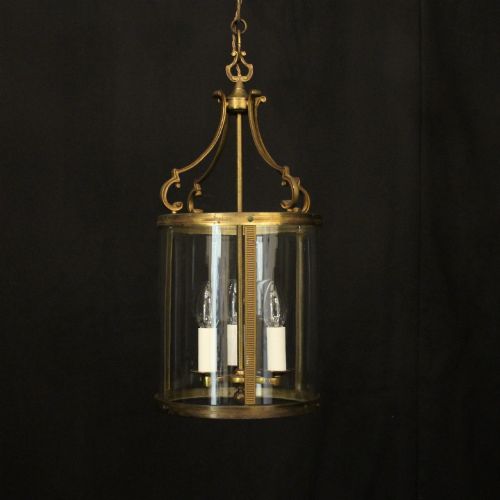
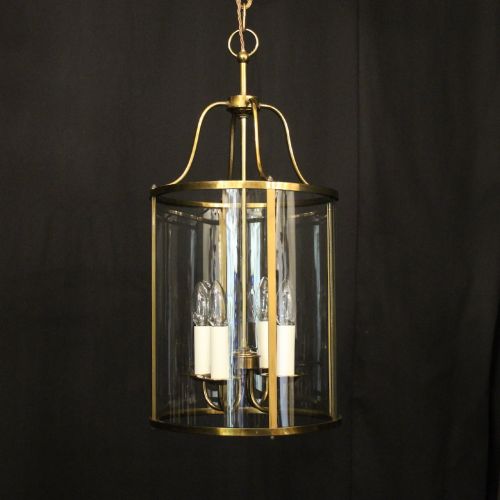
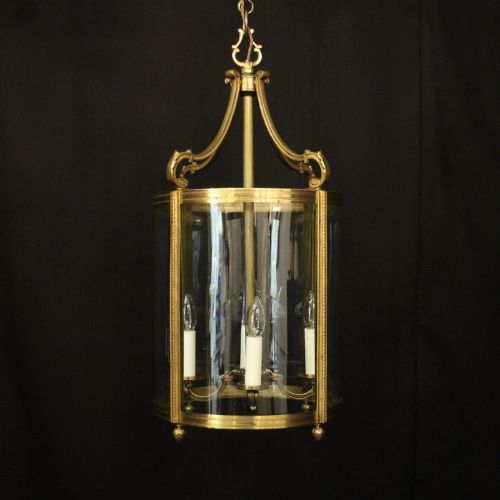
A curved glass pendant light brings singular presence to an entranceway, combining heavy metal framing with rounded panes for a distinct silhouette.
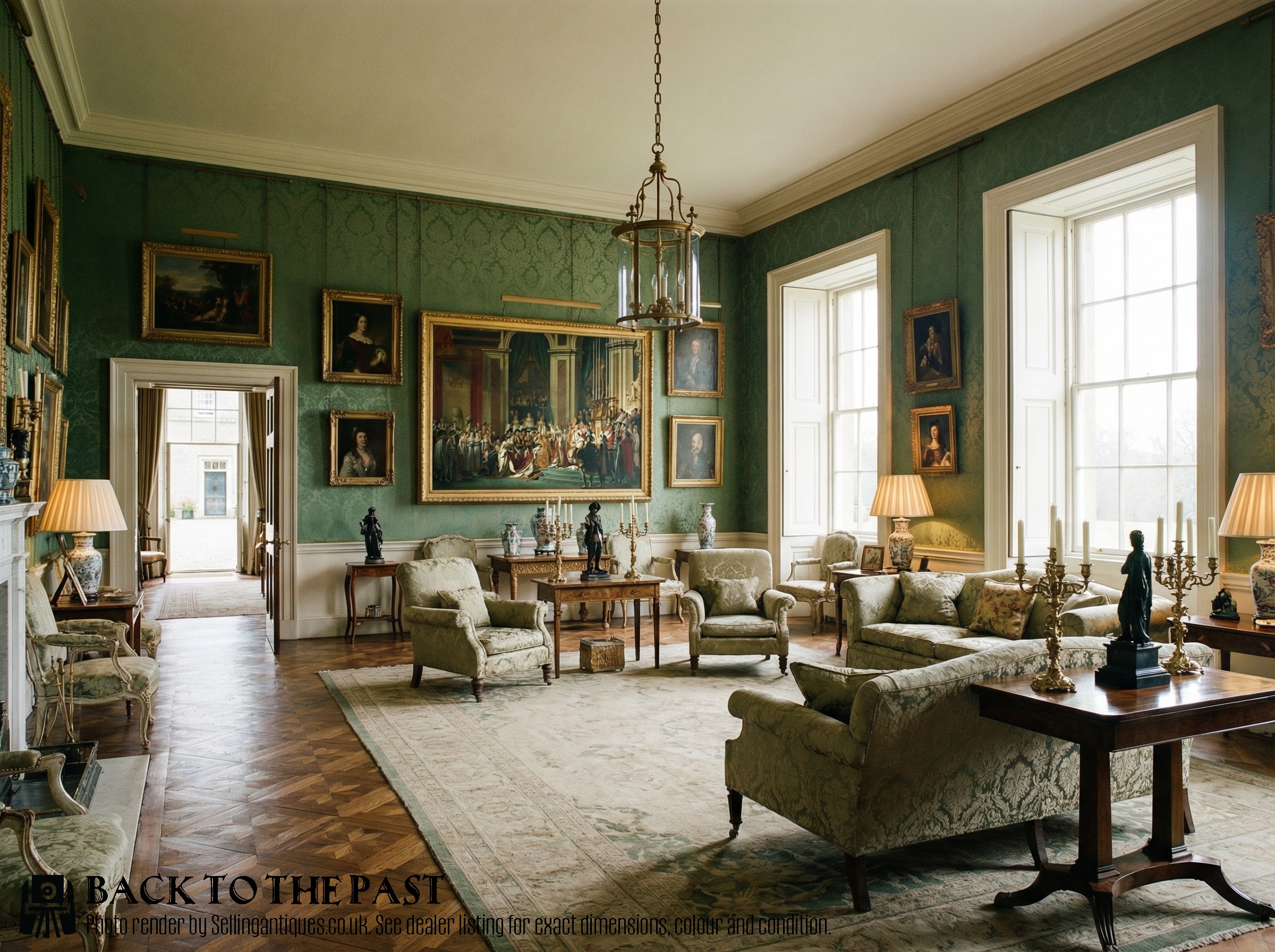
Curved Glass Pendant Light
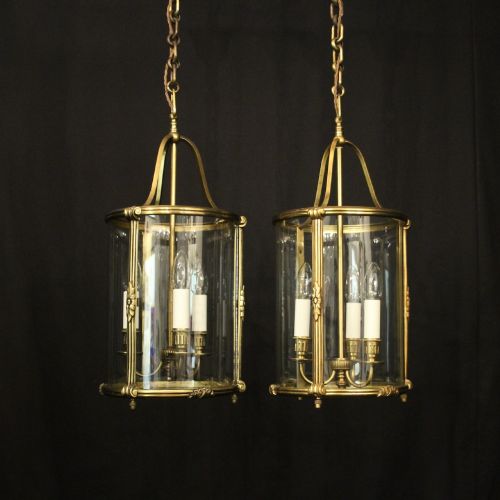
A curved glass pendant light encompasses hanging hall lanterns, ceiling lights, and ceiling lanterns originating primarily from the 1920s and 1930s, alongside some nineteenth-century examples. These fixtures typically take the form of substantial ceiling-hung lanterns designed to illuminate hallways, vestibules, and grand entryways.
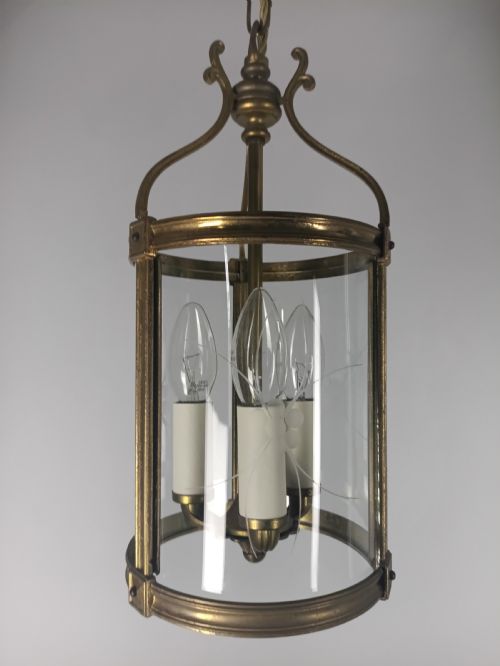
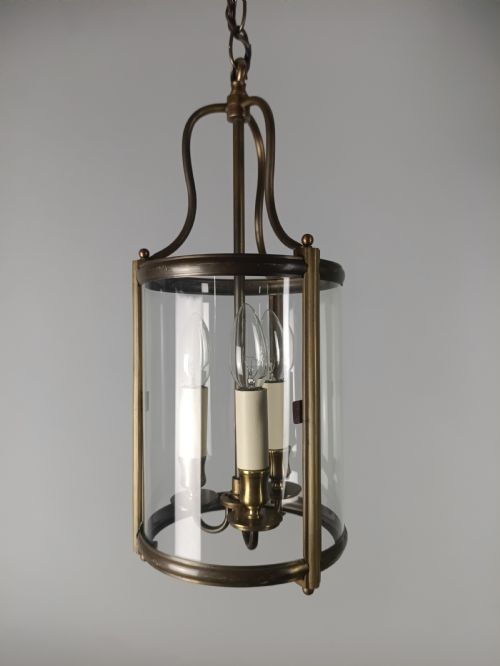
The version most commonly encountered on this page is the convex hall lantern, featuring rounded glass panels set within a robust metal frame. These pieces frequently house multiple internal lights, ranging from twin-light configurations up to four-light arrangements.
Origins heavily lean towards French ateliers utilising classical and revival styles, alongside English pieces adhering to Regency and classical traditions. Forms draw upon established architectural vocabularies including French Chateau, Louis XVI, Rococo, and Grand Regency aesthetics.
Materials and construction
Construction relies heavily on durable base metals paired with formed glass panes. Frameworks are executed in brass, polished brass, gilt brass, gilded bronze, and bronze, providing structural integrity and heavy decorative mounts.
Glass panels are specifically formed with convex or curved profiles to fit the geometric housing of the lantern. Certain examples incorporate etched glass techniques to introduce subtle surface pattern alongside clear transparency.
Listings span the nineteenth century through to the 1930s, uniting French classical revival styles with English Regency forms in glass and bronze.
Differentiating quality in hanging lanterns
Quality separates through the weight and finish of the metalwork, distinguishing heavy cast bronze and gilt mountings from simpler sheet brass construction. Richer surface gilding and finer chasing upon the bronze elements indicate higher original manufacture.
The glass itself dictates distinction, where thick, clear, and perfectly curved convex panes show superior clarity compared to basic pressed alternatives. Additionally, the complexity of internal light clusters, from single bulbs up to four-light configurations, alters the sophistication of the piece.
The Curved Glass Pendant Light Glossary
- Convex glass
- Curved outward to create a rounded, bulging profile that magnifies light and softens internal reflections. This technique forms the defining silhouette of many period hall lanterns.
- Hall lantern
- A ceiling-hung lighting fixture specifically scaled for corridors, vestibules, and entrance halls. They provide directional downward illumination while projecting decorative light through glazed sides.
- Gilt bronze
- Bronze metal treated with a thin layer of gold or gold-coloured alloy to impart a rich, reflective surface. It resists tarnishing better than raw brass and carries a warmer hue.
- Rococo revival
- A nineteenth-century design style drawing on eighteenth-century French ornamentation featuring asymmetrical scrollwork, natural motifs, and fluid curves. This aesthetic heavily influences many decorative lantern frames.
- Rewired
- Updated with modern electrical cabling to meet contemporary safety standards while retaining the original antique housing. This process ensures the fixture functions safely within a modern home.
Curved Glass Pendant Light: Frequently Asked Questions
Where should I hang a curved glass pendant light?
These fixtures suit hallways, entranceways, and stairwells where adequate ceiling height allows for a suspended hanging lantern.
Ensure the scale matches the room proportions, leaving sufficient clearance beneath the lowest point of the pendant for foot traffic.
How do I clean the curved glass panels?
Remove dust with a soft microfibre cloth before applying a mild glass cleaner directly to the cloth rather than spraying the fixture.
Take care around metal mountings and gilt surfaces to avoid harsh chemical contact that might degrade the finish.
How can I tell a French lantern from an English one?
French pieces frequently lean towards decorative revival styles like Louis XV or Rococo, exhibiting ornate gilt bronze castings and flamboyant mounts.
English variants often favour more restrained Regency lines and heavy brass or bronze structures with balanced geometric proportions.