



Gilded Cage Pendant Light
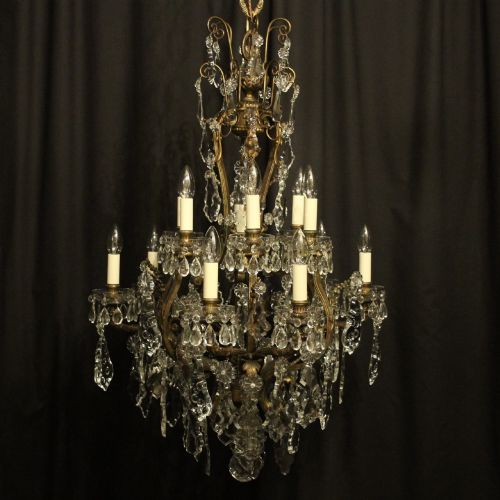
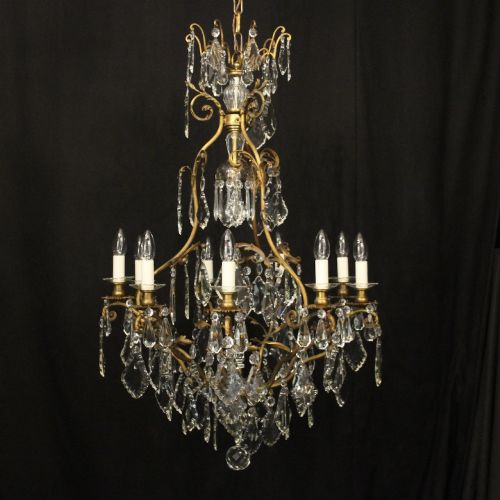
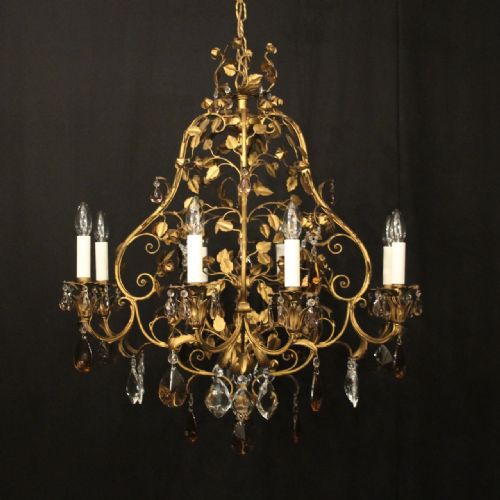
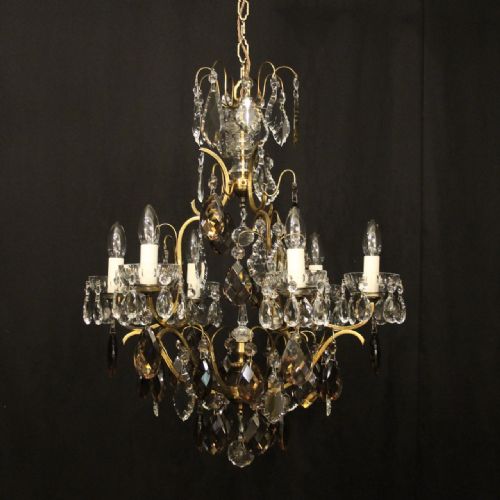
These gilded cage pendant light selections offer ornate metallic frames and crystal drops that cast dramatic shadows across a room.
Gilded Cage Pendant Light
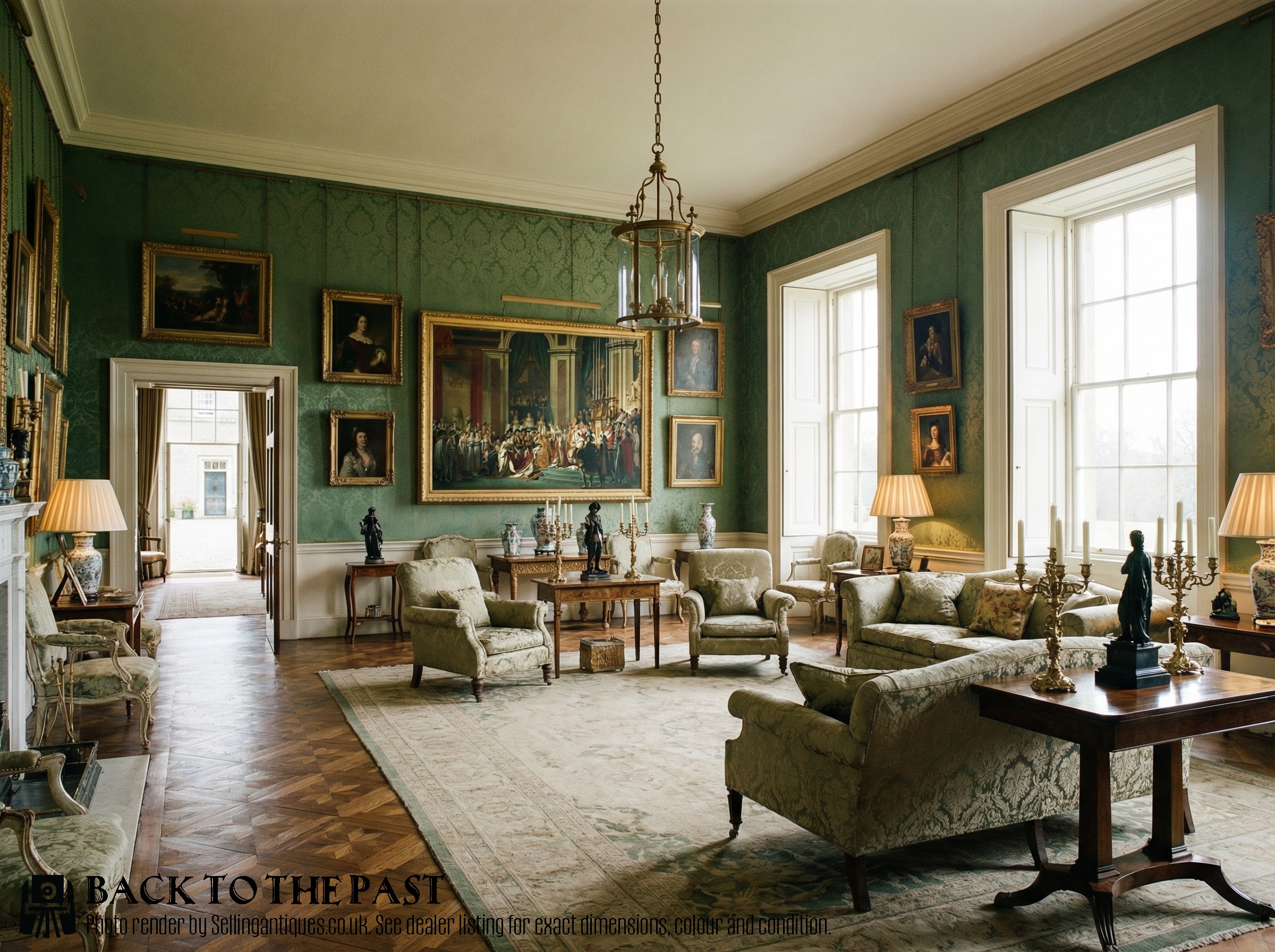
A gilded cage pendant light provides a distinct focal point for high ceilings, drawing the eye upward with its metallic openwork structure. These fixtures combine structural frameworks of metal with cascading glass elements to illuminate interior spaces.
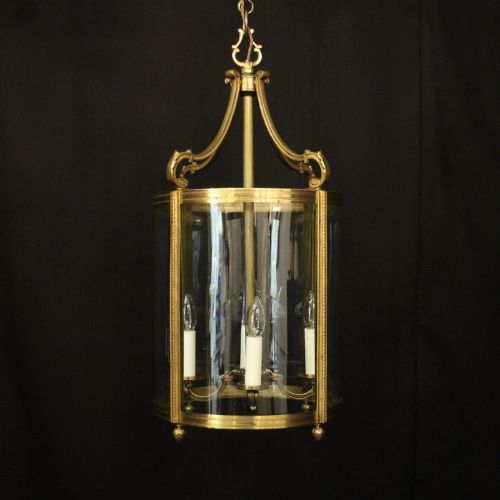
The versions most commonly met on this page span the late nineteenth century through to the 1930s, heavily favouring French and Italian provincial designs. Examples range from simple hexagonal lanterns to multi-tiered creations holding twelve or more bulbs.
Buyers encounter styles rooted in French Rococo, Neoclassical, and Italian Baroque traditions, often featuring cage frames that enclose central candle arms or glass drops. These pieces function as architectural ornaments as much as practical light sources.
Materials and construction methods
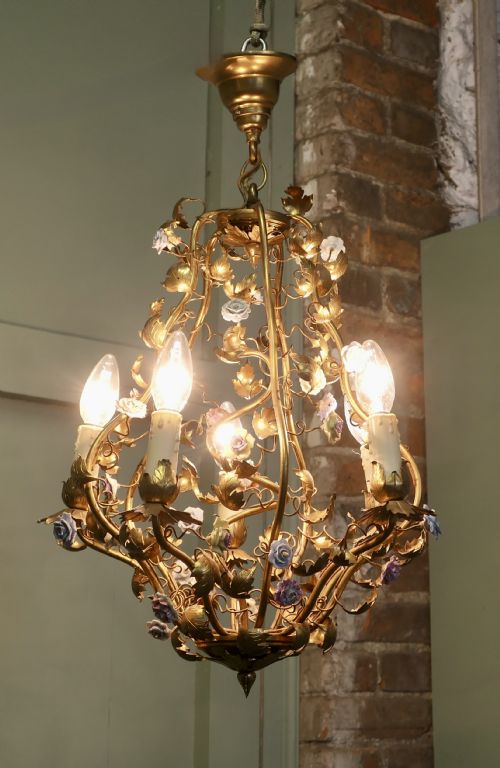
Makers constructed the framework using metals such as gilded bronze, gilt brass, and ormolu, applying a gold-coloured surface treatment over a base metal. Toleware and ceramic elements also appear in specific floral-themed variants from the early twentieth century.
Cut crystal and glass drops hang from the metallic armature, designed to refract light outward across the room. Frames are cast or forged into structural cages, openwork designs, and hexagonal lantern shapes to support multiple lights.
Materials span gilded bronze, gilt metal, gilded brass, toleware, ceramic flowers, and cut crystal glass.
Distinctions in craftsmanship
Quality rests in the weight and detail of the cast bronze or brass framework, alongside the precision of the surface gilding. Finely chased metalwork and substantial crystal drops distinguish superior examples from simpler, lighter metal pressings.
The complexity of the cage assembly and the integration of diverse materials, such as amethyst crystal or hand-painted ceramic flowers, elevate the ambition of the piece. The overall cohesion of the design, from the ceiling canopy down to the lowest pendant drop, defines the better tier.
The Gilded Cage Pendant Light Glossary
- Gilded Bronze
- Bronze metal coated with a thin layer of gold leaf or applied gold powder. This provides a durable metallic finish that resists tarnishing over decades.
- Cage Chandelier
- A lighting fixture featuring an open metal framework that encloses the central lights and wiring. The skeletal structure resembles a birdcage, often draped with crystal strands.
- Ormolu
- Finely ground high-carat gold-mercury amalgam applied to a bronze object. It gives a rich, matte yellow finish characteristic of high-end French decorative arts.
- Toleware
- Painted or enamelled sheet metalware used for decorative elements such as leaves and flowers. It brings colourful, opaque accents to otherwise metallic lighting fixtures.
- Crystal Drop
- A piece of lead glass cut and polished with facets to refract light. These pendants hang in quantities from the cage frames to amplify illumination.
Gilded Cage Pendant Light: Frequently Asked Questions
How do I hang a cage chandelier?
These fixtures require secure ceiling anchor points capable of supporting heavy metal and glass structures. Professional electrical installation ensures the weight is distributed safely from the ceiling joists.
Chain lengths can be adjusted during installation to position the fixture at the correct height above furniture or open floor space. The wiring must be checked to comply with modern safety standards before operation.
What periods do these lights come from?
The available lighting dates primarily from the late nineteenth century through the 1930s. Pieces span specific decades including the 1880s, 1890s, 1900s, 1920s, and 1930s.
Earlier nineteenth-century examples often feature heavier cast bronze frames, while 1920s and 1930s variants introduce diverse toleware and ceramic details.
Where were these lights made?
The evidence points predominantly to French and Italian workshops. French designs frequently reference Louis XVI styles, chateaux, and Rococo traditions.
Italian pieces display Baroque influences and Florentine motifs, utilising gilt frames and coloured crystal elements to achieve their distinctive appearance.
How do I clean crystal drops?
Maintenance involves gentle dusting with a soft cloth to prevent particulate buildup on the metal and glass surfaces. Detachable crystal drops can be washed in warm water with mild soap.
Harsh chemical cleaners should be avoided to protect the gilded finish on the bronze or brass framework. Drying each component thoroughly prevents spotting on the glass facets.