


Curved Settee
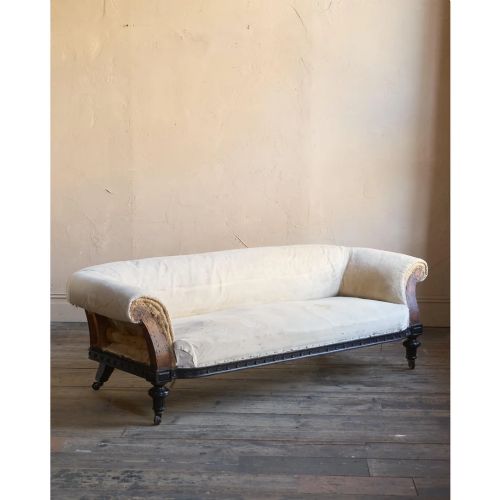
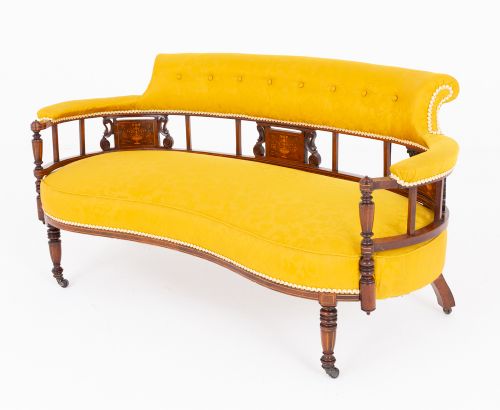
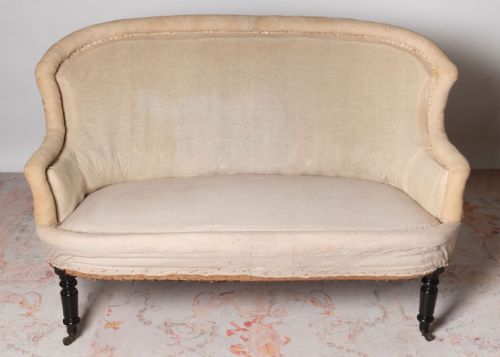
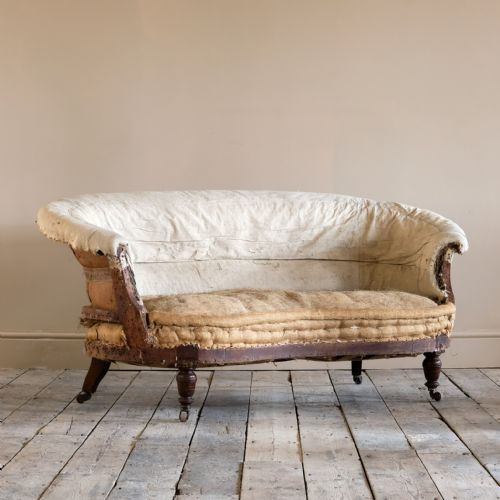
A curved antique settee brings a sweeping architectural line to a room, offering comfortable seating shaped by Victorian, Edwardian and continental hands.
Curved Settee
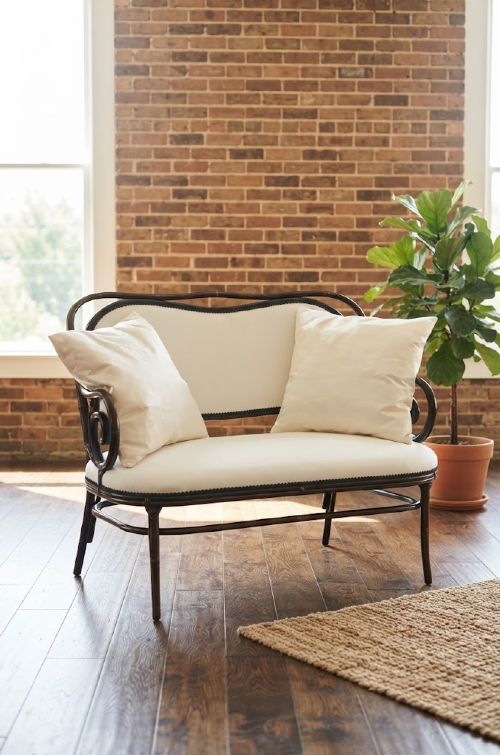
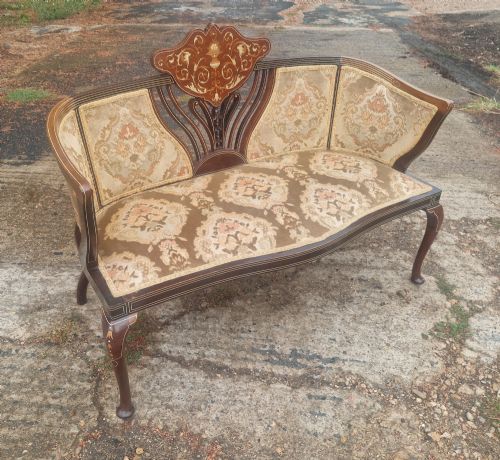
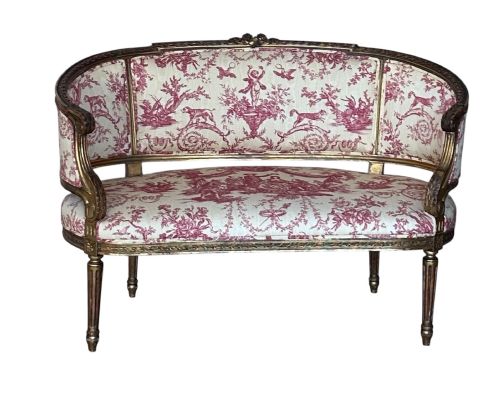
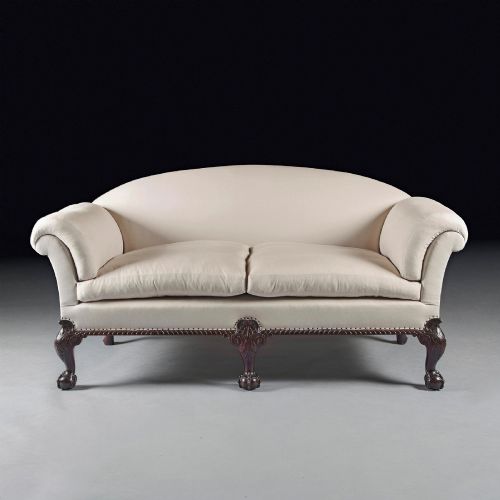
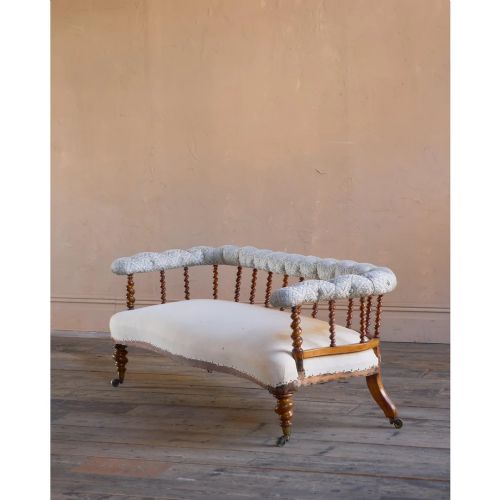
A curved antique settee encompasses a range of seating forms including French canapés, horseshoe-shaped Victorian models, and scroll-ended Art Deco designs. When searching for a curved antique settee, buyers encounter nineteenth-century French giltwood pieces, Edwardian inlaid mahogany frames, and sturdy bentwood creations from the early twentieth century.
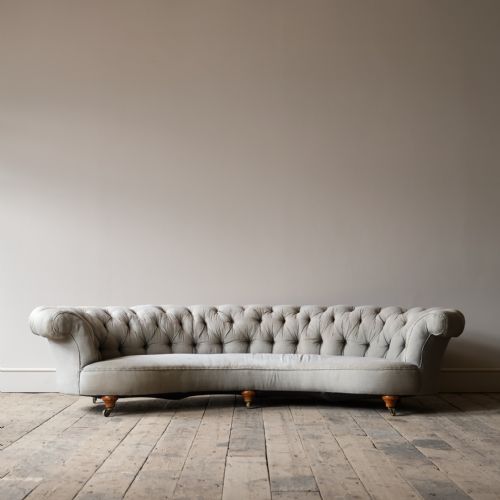
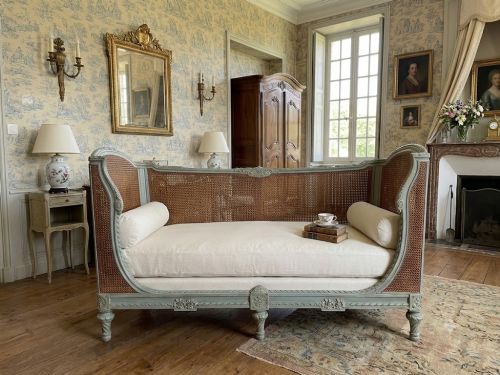
The selection ranges from intimate two-seat love seats and daybeds to larger salon sofas and Chesterfield designs featuring crescent or camel back silhouettes. Materials vary from exposed mahogany, walnut, rosewood, and beech to painted finishes and elaborate upholstery in velvet, leather, and fabric.
How they were made
Makers shaped structural timbers such as mahogany, walnut, rosewood, beech, and ebonised wood using steam-bending techniques for sinuous curves or traditional joinery for carved frames. Brass fittings, wrought iron, and cane work often complemented the wooden skeletons.
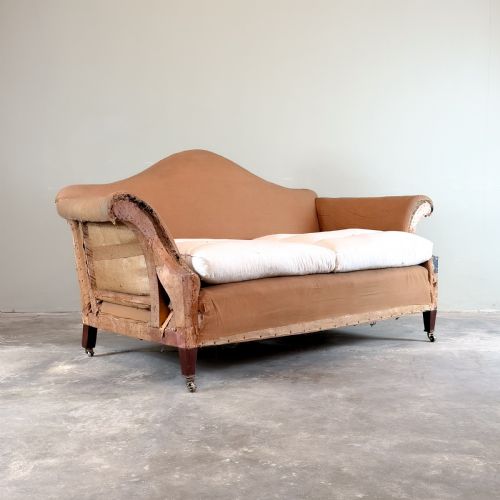
Upholstery methods involved horsehair stuffing, button-backed springing, and fine textile coverings including velvet, leather, and patterned fabric secured with careful hand-tackwork.
Nineteenth-century factory workers occasionally signed the underside of bentwood frames in graphite before the lacquer dried.
What varies in quality
Quality rests in the integrity of the curved wooden frame, where tight joinery and well-executed carving or smooth steam-bending separate standard seating from exceptional examples. The fluidity of the line dictates the overall elegance of the silhouette.
The standard of upholstery and the preservation of original materials, from button-backed leather to woven cane and silk velvet, define the enduring finish of each piece.
Howard & Sons·Thonet·C. Hindley & Sons·Hampton & Sons·Baumann
The Curved Settee Glossary
- Canapé
- A traditional French upholstered sofa featuring an exposed wooden frame, often carved in the Louis style. These pieces typically display elegant curved backs and arms.
- Bentwood
- Wood softened by steam and bent into rounded forms, heavily utilised by makers like Thonet and Baumann. This technique allows for continuous, flowing structural curves without heavy joints.
- Chesterfield
- A deep-buttoned upholstered sofa with arms and back of the same height. Antique versions frequently appear in rich leather or velvet with generous proportions.
- Corbeille
- A French term describing a curved basket-like sofa shape where the back flows continuously into the arms. This design wraps around the sitter for an enclosed, comfortable seat.
- Bergere
- An enclosed upholstered armchair or settee with wooden frames and traditionally cane-panelled sides. The style originates from eighteenth-century France and reappeared in Edwardian revivals.
Curved Settee: Frequently Asked Questions
How do I identify a French canapé?
French canapés usually feature exposed carved wooden frames, often finished in giltwood, paint, or polished walnut. They display classic continental stylistic cues like fluted legs and curved backrests.
These settees prioritize refined decorative arts aesthetics, contrasting with the heavier padding found on typical English Victorian equivalents.
What is a bentwood settee?
A bentwood settee is constructed using solid timber softened by steam, allowing craftsmen to bend the wood into graceful, continuous loops. This method produces lightweight yet remarkably strong frames.
Prominent workshops like Thonet mastered this technique during the late nineteenth and early twentieth centuries, creating distinct minimalist silhouettes.
How do I style a curved settee?
A curved settee works effectively as a focal point in a large room, away from straight walls where its sweeping lines can be fully appreciated. It also fits comfortably into bay windows that match its arc.
Pair the piece with neutral surroundings to highlight the silhouette, or complement period upholstery with matching antique salon chairs.
What is the difference between a love seat and a settee?
A love seat is generally a compact two-seater designed specifically for intimate seating, whereas a settee can accommodate two or three people across a wider bench format. Both share similar historical periods and decorative styles.
In older listings, the terms often overlap, though love seats tend to feature more enclosed, rounded embracing shapes.
How do I care for antique upholstery?
Protect antique upholstery by keeping pieces away from direct sunlight to prevent fabric and leather fading. Gentle vacuuming with a soft brush attachment removes surface dust without stressing delicate textiles.
Professional conservation cleaning preserves fragile materials like original velvet, button-backed leather, and delicate cane panels.