




Curule X Frame Chair
These curule x frame chair designs span centuries of folding architecture, offering both historic presence and versatile seating.
Curule X Frame Chair
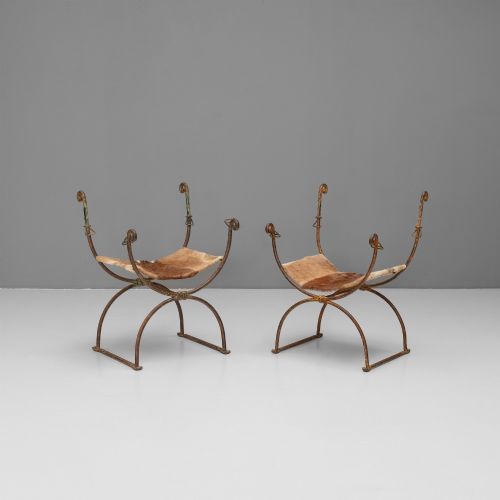
When you search for a curule x frame chair, you encounter forms that cross classical Roman curule seats with Renaissance revival folding frames. The selections here include armchairs, side chairs, stools, library chairs, and window seats spanning the nineteenth century through the nineteen-thirties.
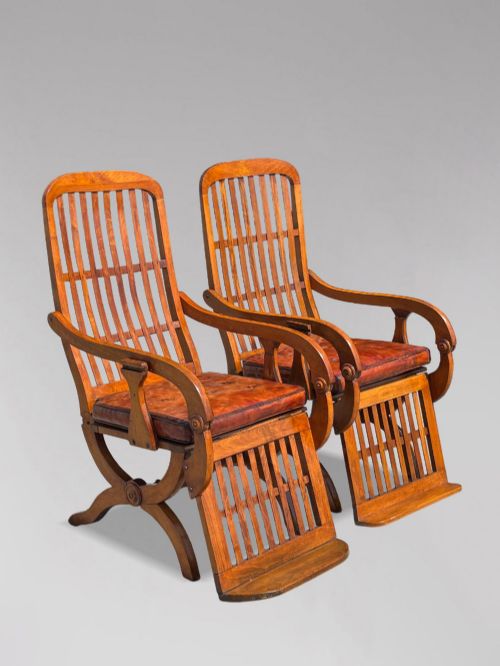
The nineteenth century provides the bulk of the oak, walnut, and mahogany examples, often bearing Renaissance Revival, Gothic Revival, or Regency stylistic traits. Stools and armchairs dominate the inventory, accompanied by occasional pairs and larger sets.
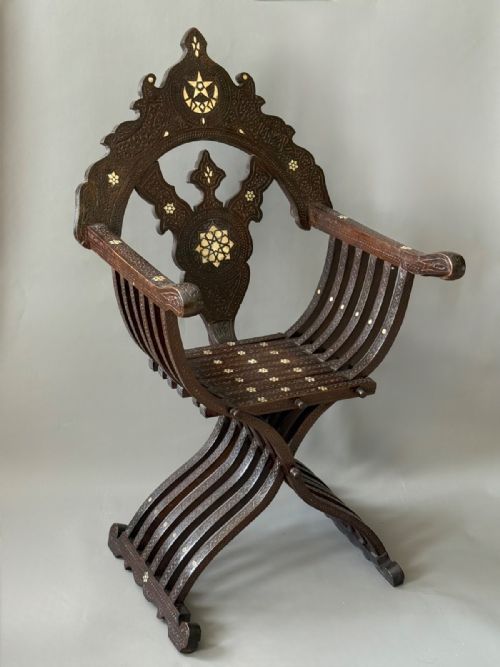
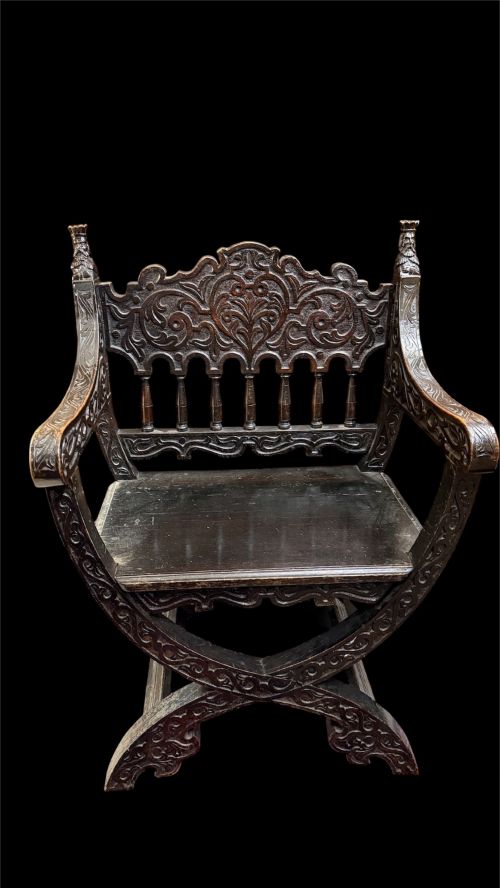
Makers and regional workshops produced diverse interpretations, from Welsh oak Glastonbury chairs to Austro-Hungarian Dante chairs and Middle Eastern nacre-shell inlaid folding seats. These items function as occasional seating, desk chairs, and library armchairs.
Materials and construction methods
Carpenters constructed these folding and cross-frame seats primarily in solid hardwoods such as walnut, oak, and mahogany. Selected pieces incorporate secondary structural elements or decorative accents in brass, bamboo, and fruitwood.
Upholstery and surface detailing involve leather, fabric, and textiles, alongside intricate carving and mother-of-pearl or nacre-shell inlay. The intersecting X-frame members require precise joinery to allow folding action or stable rigid support.
Curule X Frame Chair Retail Price Guide 2026
Typical asking prices for curule x frame chair among the pieces listed under this phrase on Sellingantiques today, from the lower quarter to the upper quarter. They describe what is for sale here now, not the wider market.
Periods represented span from the early nineteenth century through the nineteen-thirties.
Distinctions in craftsmanship and design
Quality rests upon the crispness of the wood carving, the integrity of the intersecting frame joints, and the selection of timber grain. Pieces attributed to documented firms or specific regional revivals display superior execution in joinery and decorative inlay.
The choice of covering materials, whether tooled leather, woven textile, or cane, dictates the refinement of the finished seat. Original hardware, precise turning, and well-preserved structural alignment distinguish standard production from exceptional examples.
White, Allom & Co.·Gillows
The Curule X Frame Chair Glossary
- Curule
- A folding seat shape derived from ancient Roman magistrate chairs, characterised by crossed legs forming an X shape. This ancient form inspired numerous revival iterations across the nineteenth and twentieth centuries.
- Savonarola chair
- A type of folding armchair made from multiple wooden slats that interlock in an X-frame pattern, named after the fifteenth-century Florentine friar. These seats typically feature high backs and carved arms.
- Dante chair
- An X-framed chair variant usually comprising fewer, wider wooden members and an upholstered seat and backrest. It shares roots with the Savonarola form but leans towards domestic comfort.
- Glastonbury chair
- A wooden folding armchair with a panel back and an inclined seat, derived from an ancient monastic design in Somerset. Nineteenth-century Gothic revival makers frequently reproduced this specific vernacular form.
- Nacre
- Iridescent inner shell layer used for inlay work, often referred to as mother-of-pearl. Craftsmen set these shell pieces into walnut and fruitwood frames on Middle Eastern folding chairs.
Curule X Frame Chair: Frequently Asked Questions
What is a curule x frame chair?
It is a seat supported by intersecting diagonal legs that form an X shape, a structural concept originating in antiquity and revived during the Renaissance and nineteenth century.
These pieces function as armchairs, library seats, and stools, incorporating folding mechanisms or rigid cross-frame construction.
How do I identify a Gothic Revival example?
Gothic Revival pieces display architectural motifs such as pointed arches, tracery carved into wooden panels, and heavy oak frames.
These chairs often reference medieval ecclesiastical furniture or specific historic models associated with nineteenth-century designers.
Are these chairs comfortable for daily use?
Many examples include upholstered seats in leather or textile, while others rely on wooden slats or cushions for support.
Library chairs and armchairs provide back support suited for prolonged sitting, whereas stools and window seats function better as occasional furniture.
Where were these cross-frame chairs made?
The inventory includes British, continental European, Middle Eastern, and regional workshops spanning the nineteenth and early twentieth centuries.
Different geographic origins introduce distinct decorative elements, such as Syrian nacre-shell inlay or Welsh oak construction.