

Curio Display Stand
A curio display stand gathers miniature treasures and prized collections within glazed or open frameworks built to catch the light.
Curio Display Stand
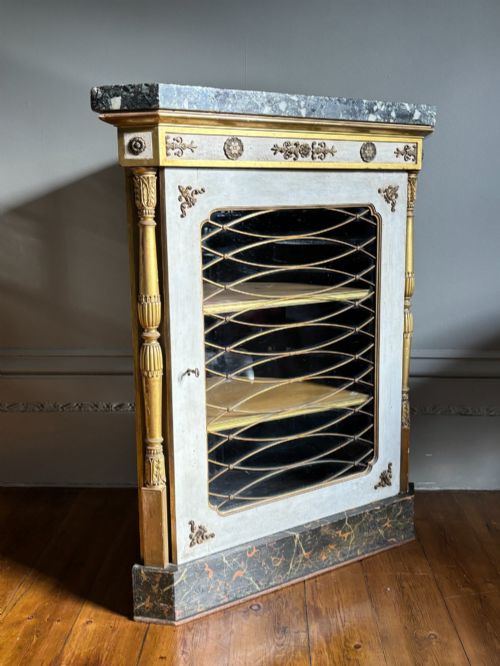
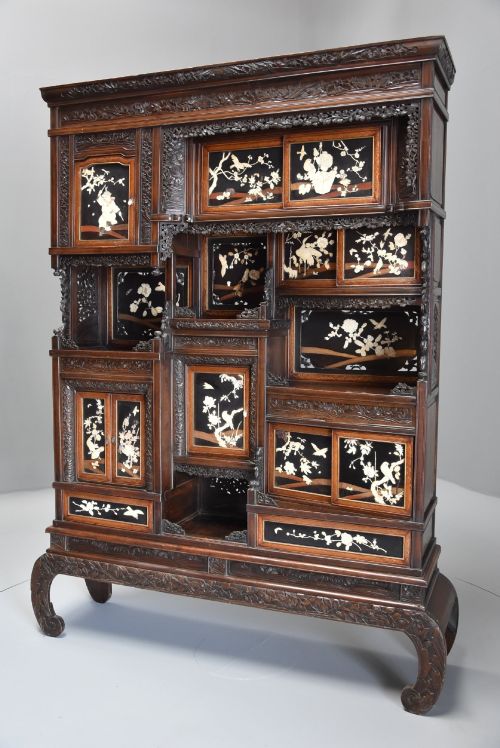
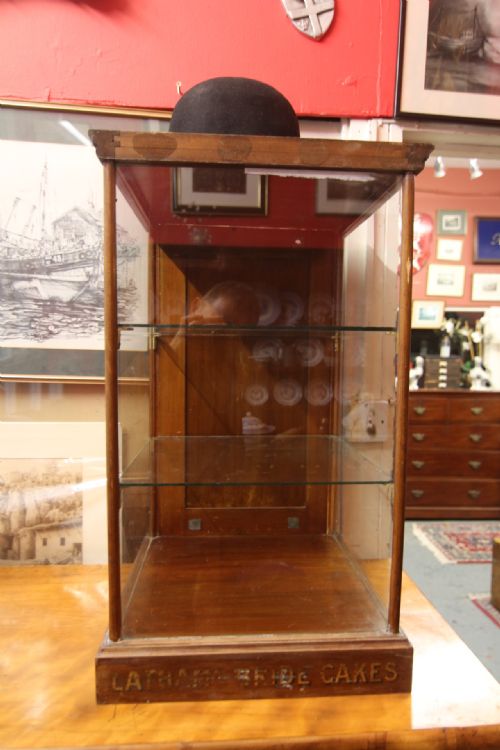
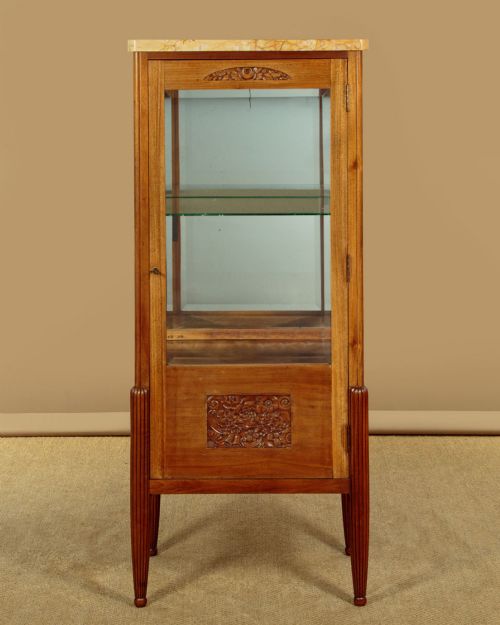
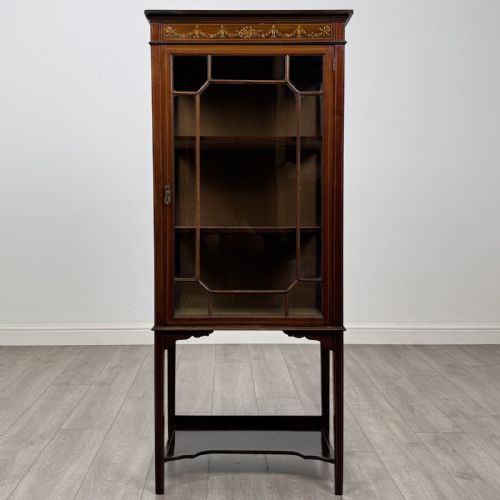
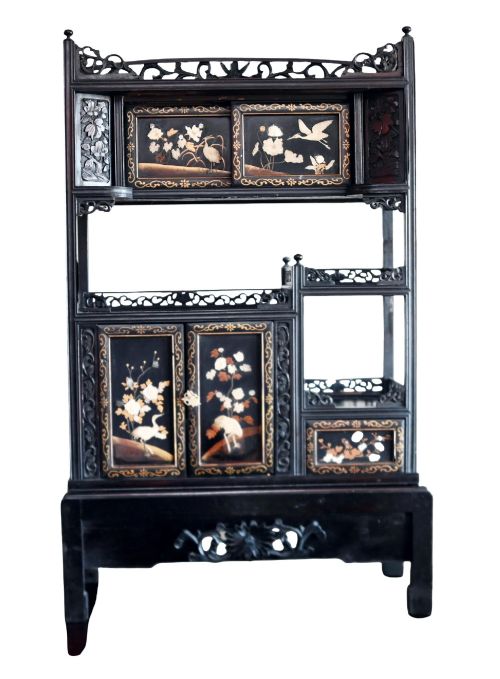
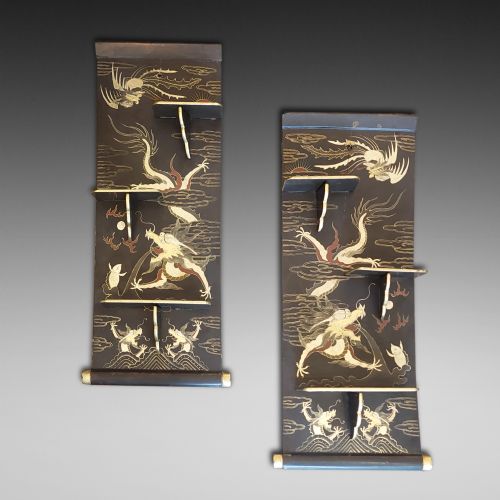
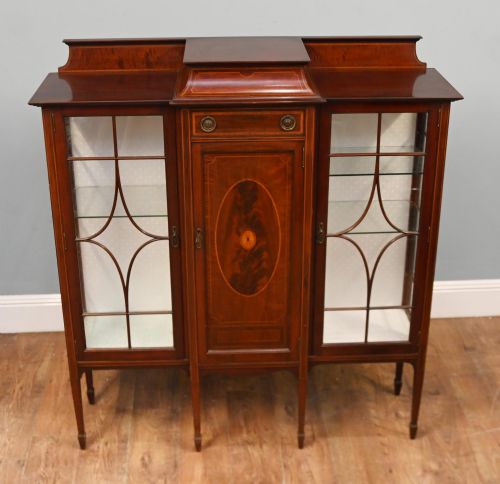
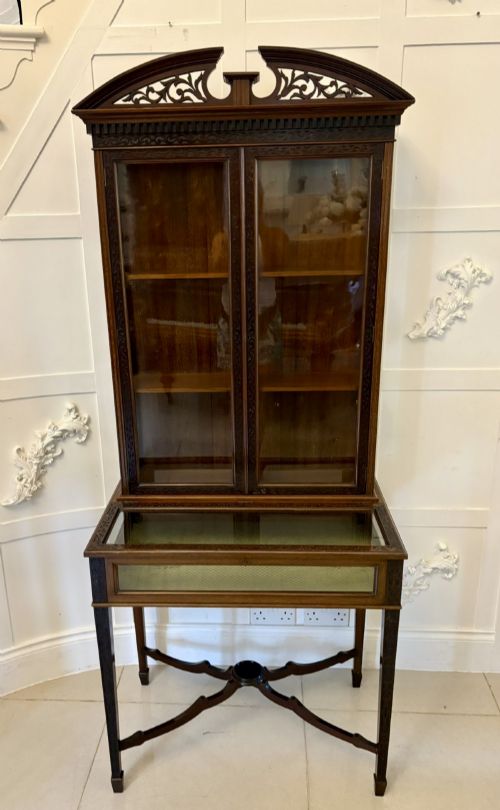
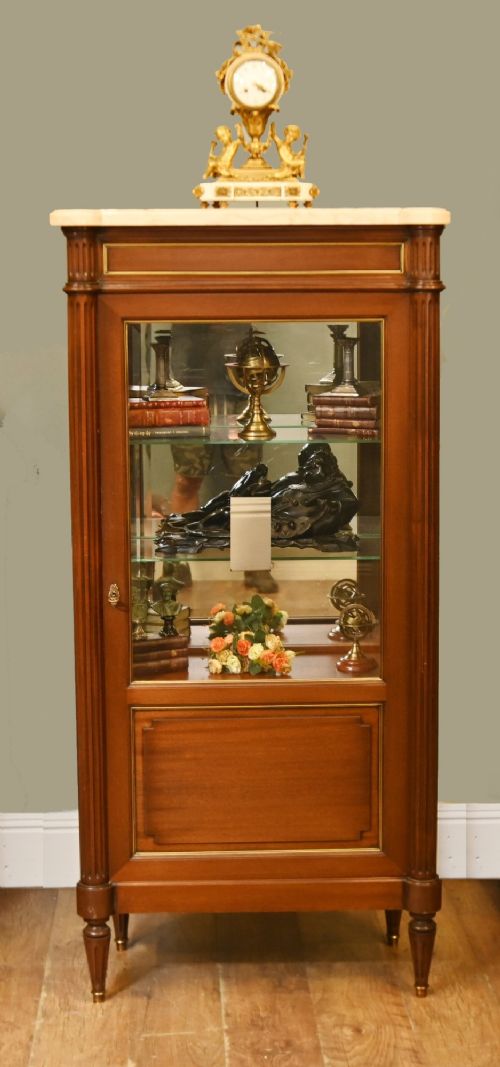
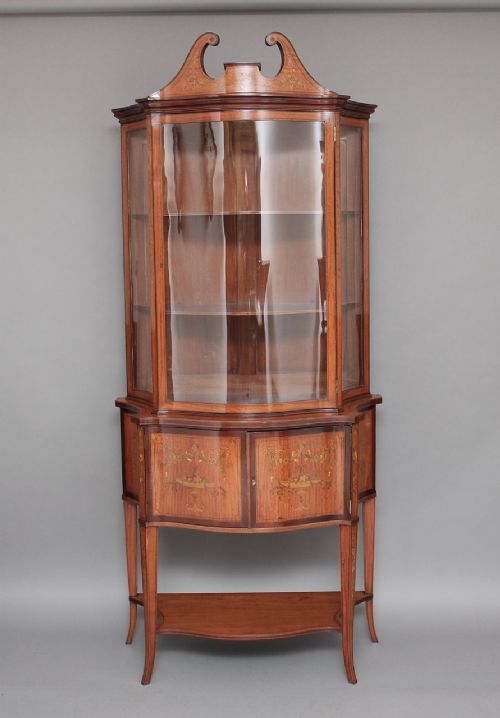
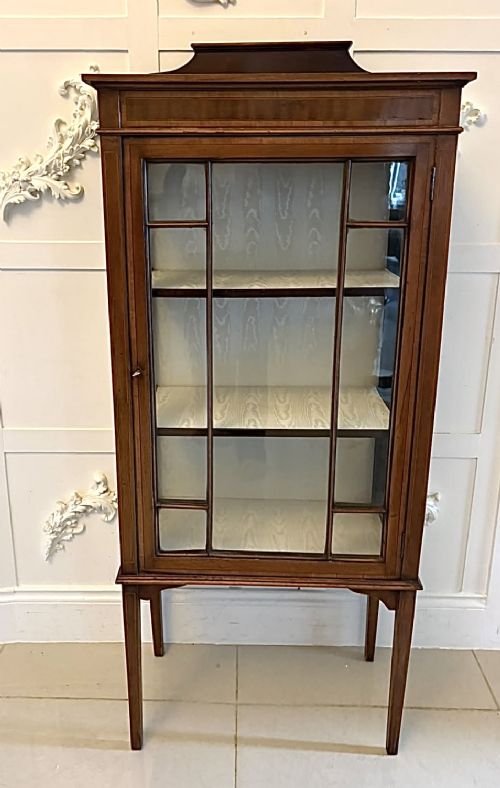
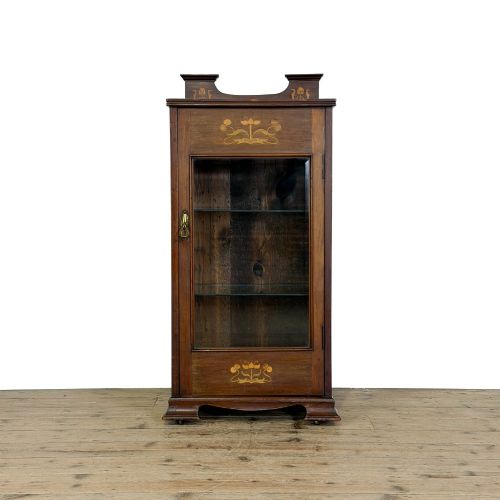
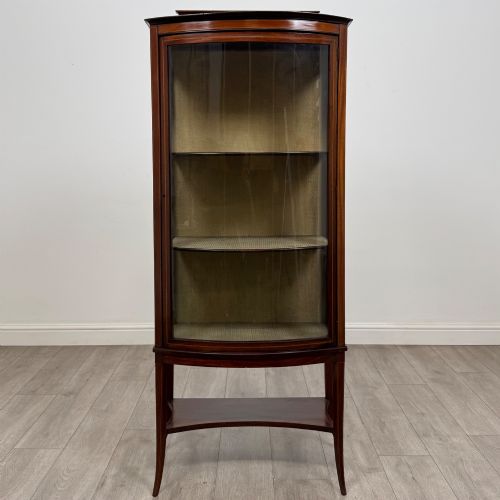
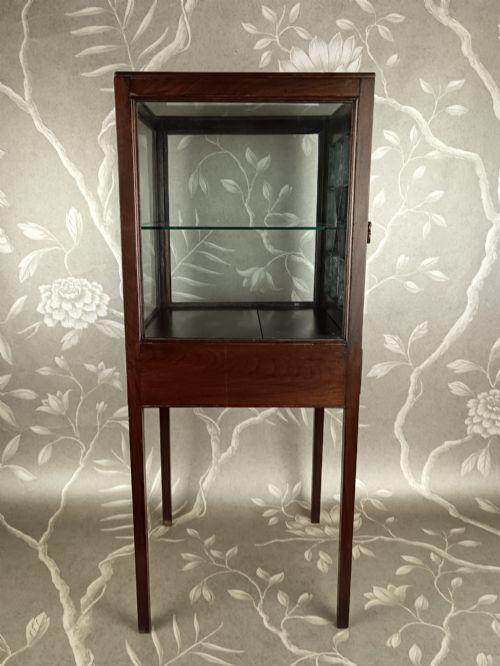
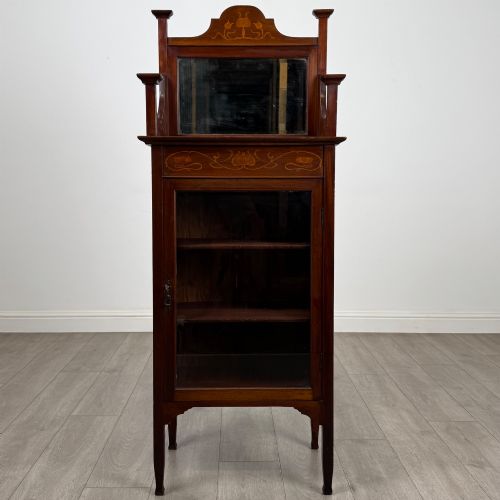
A curio display stand encompasses everything from compact table cabinets and wall shelves to tall freestanding vitrines designed to showcase small objects. The pieces appearing most frequently across this selection date from the Edwardian era and the nineteenth century, often taking the form of inlaid mahogany display cabinets or glazed china cabinets. Alongside these English examples sit continental giltwood pieces, French vitrines, and Chinese hardwood or lacquered hanging shelves.
Materials and construction
Timber selection dictated the foundational character of these pieces, with mahogany serving as the primary structural wood alongside walnut, satinwood, kingswood, oak, and ebonised hardwoods. Cabinetmakers enhanced these surfaces using delicate contrasting inlay, parcel-gilt details, or painted panels, while Chinese examples incorporated mother of pearl embellishments and lacquer. Glazing panels allowed maximum visibility from multiple angles.
Metalwork and fabric completed the construction process, utilising brass hardware and ormolu mounts to accent doors and galleries. Interior display surfaces frequently lined themselves in velvet or contrasting fabric to cushion delicate collectibles and contrast with the surrounding timber frame.
Curio Display Stand Retail Price Guide 2026
Typical asking prices for curio display stand among the pieces listed under this phrase on Sellingantiques today, from the lower quarter to the upper quarter. They describe what is for sale here now, not the wider market.
The listings here span the Georgian period, the Victorian era, and the Edwardian epoch, utilising mahogany, satinwood, giltwood, and brass.
Distinctions in craftsmanship
Quality reveals itself in the precision of the timber joinery and the subtlety of the inlay work integrated into the frame. Superior cabinets display tight mitres, smooth door alignment, and genuine hand-cut stringing rather than printed decoration.
The choice of secondary materials marks another tier of excellence, seen in heavier ormolu mounts, select cuts of figured mahogany or satinwood, and intact original glass panels. Greater attention paid to carving details, such as claw feet or raised galleries, elevates a piece above standard workshop production.
The Curio Display Stand Glossary
- Vitrine
- A glass-fronted display cabinet intended for the presentation of porcelain, glass, and small ornaments. These pieces rely on glazed sides to illuminate objects from multiple directions.
- Bijouterie cabinet
- A specialised display case featuring a glazed top compartment designed specifically for viewing jewellery, medals, and flat curiosities from above. They often sit on slender legs or pedestal bases.
- Whatnot
- An open set of tiered shelving units used for displaying ornaments and small decorative objects. They developed during the nineteenth century to accommodate growing domestic collections.
- Sheraton Revival
- A late nineteenth and early twentieth century style drawing inspiration from late eighteenth century neoclassical furniture forms. Pieces typically exhibit satinwood inlay, tapered legs, and balanced geometric proportions.
- Ebonised
- Wood treated with a chemical stain or black finish to imitate ebony. This technique gained popularity in nineteenth century cabinetmaking, particularly for Asian-influenced furniture.
Curio Display Stand: Frequently Asked Questions
What is a curio display stand used for?
These pieces serve to organise and exhibit small decorative objects, porcelain, glassware, and personal collections away from dust and accidental damage.
By elevating treasures upon shelves or behind glass panels, they allow a collection to become an integrated part of a room's interior scheme.
How do I date an Edwardian display cabinet?
Edwardian examples, built around 1900 to 1910, frequently utilise lightweight mahogany frames with satinwood inlay and Sheraton Revival motifs.
Clues lie in the machine-sawn timber uniformity, lighter internal framing, and characteristic use of mirror backs or raised galleries.
Where should I place a vitrine in my home?
Vitrines and display stands require locations with steady ambient light and stable room temperatures to protect fragile timber and delicate internal linings.
Placing them away from direct sunlight prevents fading on sensitive fabrics and preserves the polished finish of the wood.
What distinguishes a Chinese hardwood display cabinet?
Chinese cabinets from the nineteenth and early twentieth centuries often feature ebonised surfaces, intricate carved motifs, and applied mother of pearl elements.
They frequently omit traditional European framing in favour of specialised shelving arrangements designed to display scholar's objects and jade carvings.