




Crystal Drop Wall Lights
Crystal drop wall lights bring sparkle and refined illumination to a room, catching the light across periods from the nineteenth century through the nineteen-thirties.

Crystal Drop Wall Lights
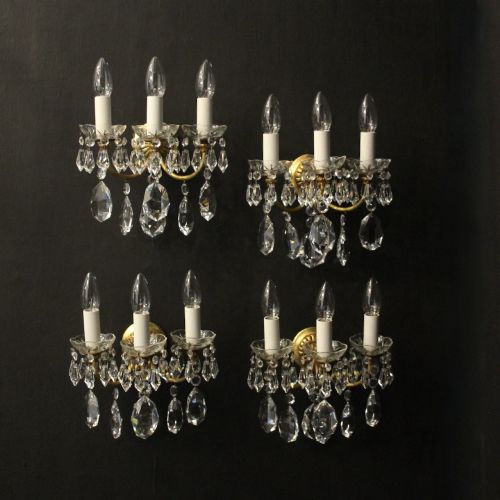
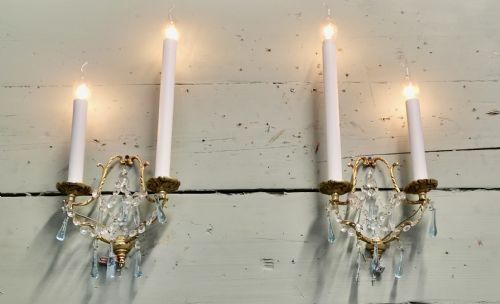
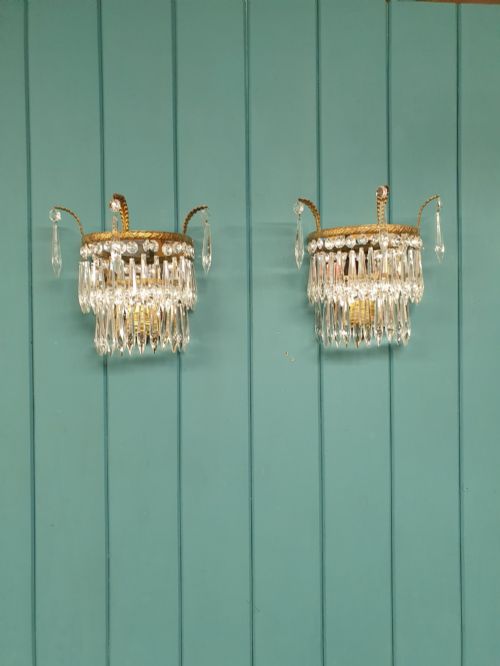
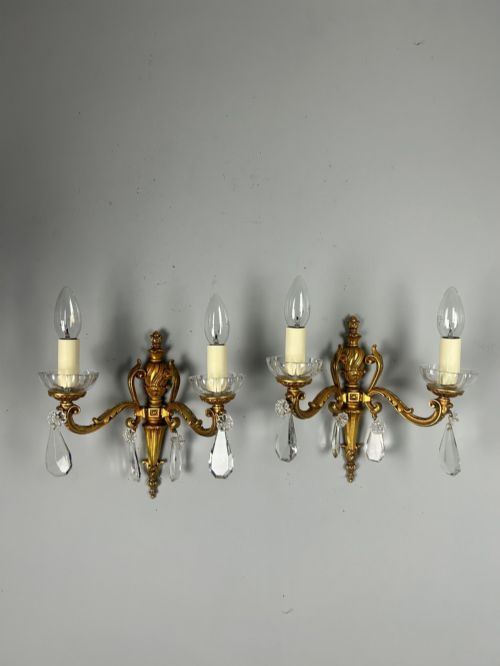
Crystal drop wall lights combine decorative illumination with hanging glass components that reflect and refract light around a room. These pieces appear in forms such as twin and triple arm sconces, girandoles, and wall-mounted chandeliers originating largely from French and Italian workshops.
The selection ranges from nineteenth century brass candle sconces and eighteen-fifties ormolu pairs to nineteen-twenties gilt bronze and nineteen-thirties gilded metal designs. Buyers most frequently encounter pairs and sets featuring cut glass or crystal pendants suspended from gilt frames.
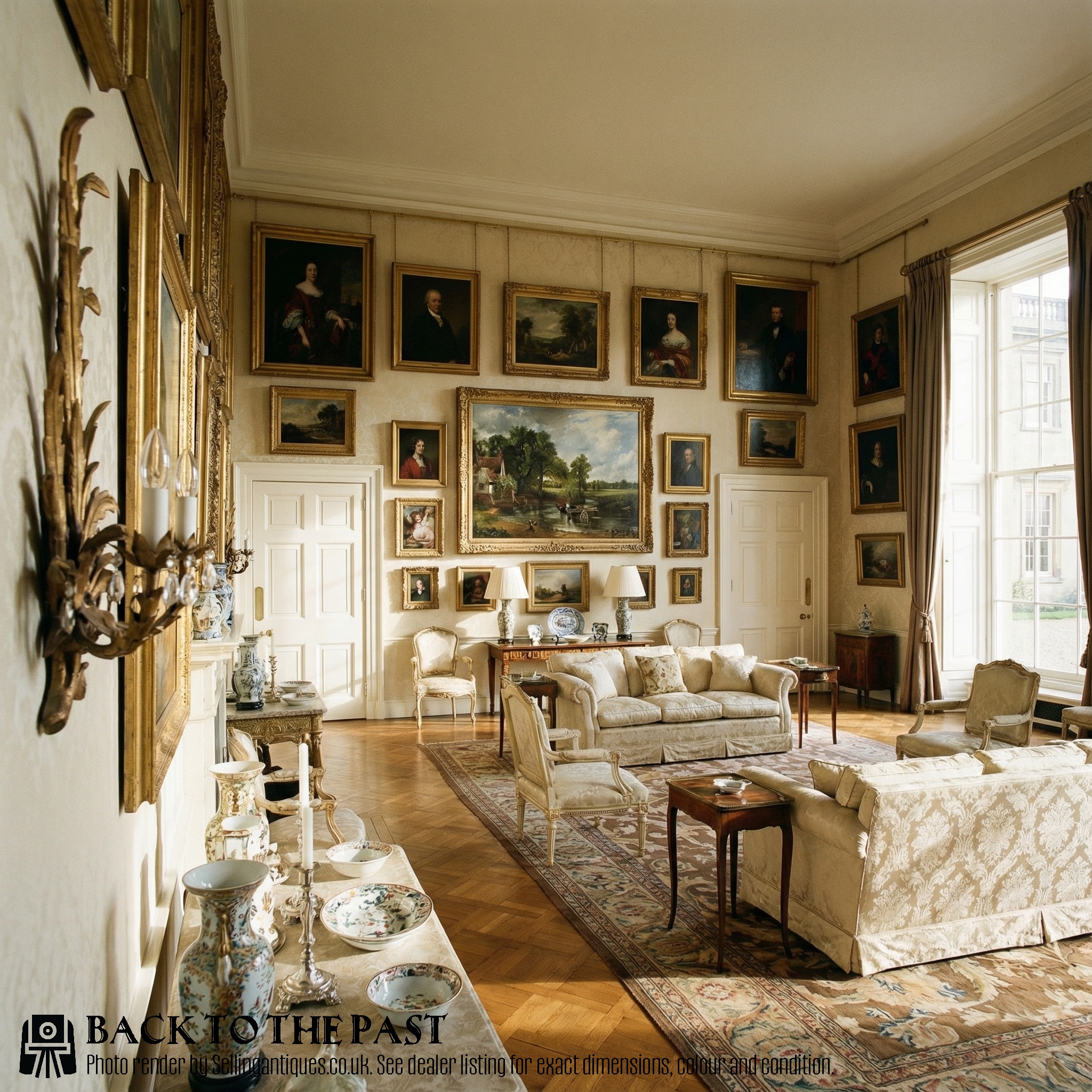
Materials and construction
Frames take shape in cast brass, gilt bronze, ormolu, and gilded metal, sometimes paired with carved giltwood or toleware for decorative effect. Metalwork is frequently cast and chased before being gilded, providing a stable structure to support the weight of arms and branches.
Pendants and drops are fashioned from clear glass or crystal, shaped into prisms, spears, and facets that hang securely from the metal armature. These hanging elements are individually cut and polished to maximise light refraction when lamps or candles are lit.
Crystal Drop Wall Lights Retail Price Guide 2026
Typical asking prices for crystal drop wall lights among the pieces listed under this phrase on Sellingantiques today, from the lower quarter to the upper quarter. They describe what is for sale here now, not the wider market.
Materials across these listings span gilt bronze, brass, toleware, giltwood, and glass, originating from nineteenth-century and early twentieth-century periods.
Distinctions in quality
Quality rests on the crispness of the metal casting and the depth of the gilding across the backplates and arms. Finer examples display meticulous hand-chasing on bronze and ormolu, whereas simpler utilitarian versions rely on plain pressed brass or painted surfaces.
The glass elements themselves separate standard examples from superior ones through clarity, weight, and precision of cut. Hand-cut crystal pendants show sharper facets and greater weight than moulded glass alternatives, catching light with more intensity.
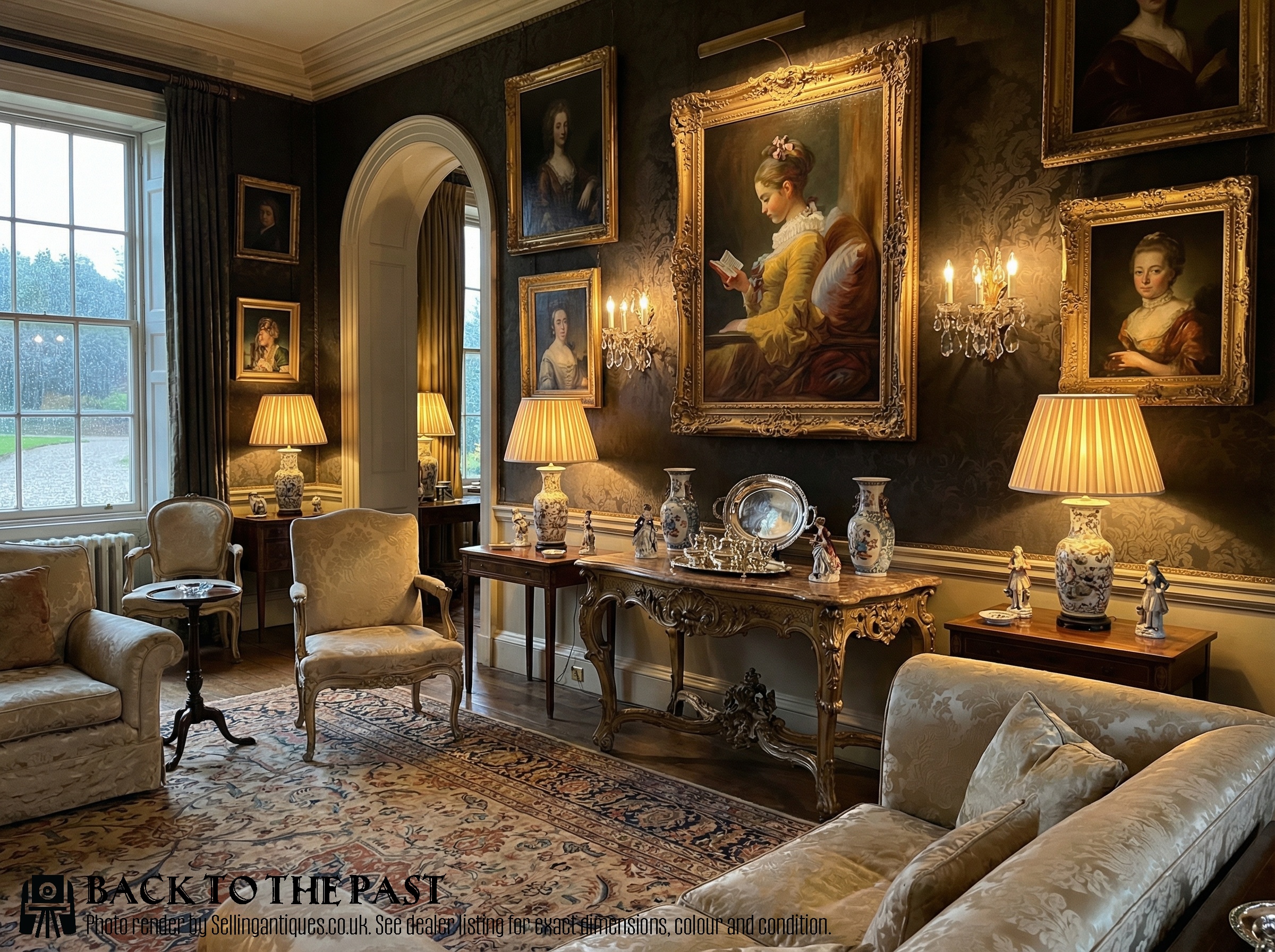
The Crystal Drop Wall Lights Glossary
- Ormolu
- Gilded bronze, usually mercury-gilded, applied to decorative metalwork to create a rich golden surface finish. It appears frequently on nineteenth-century French lighting.
- Girandole
- A decorative wall bracket or sconce fitted with branches for candles or lamps, often incorporating a mirrored backplate to amplify illumination. These fixtures frequently feature hanging glass pendants.
- Toleware
- Painted sheet metal objects, often decorated in floral or rustic styles, utilised in French wall lights for coloured visual accents. The technique adds a softer matte texture to gilded interiors.
- Candelabra
- A branched candlestick or light fitting designed to hold multiple candles or bulbs simultaneously. Examples in this category often support tiers of crystal drops.
- Giltwood
- Wood that has been coated with a thin layer of gold leaf or powder, seen on Florentine frames. This treatment provides an ornate, textured backdrop for glass elements.
Crystal Drop Wall Lights: Frequently Asked Questions
Where should wall lights be placed?
These fixtures sit well in hallways, flanking fireplaces, or on either side of a mirror to maximise the reflective qualities of the glass drops.
Positioning them at eye level ensures the hanging crystals catch the ambient light effectively without causing glare.
Are these lights wired for electricity?
Many examples arrive rewired for modern use, while others retain earlier fittings or convert easily with professional installation.
Buyers should consult a qualified electrician to ensure antique wiring meets current safety standards before mounting.
How do I clean crystal drops?
Removing the glass pendants allows for gentle washing in warm soapy water using a soft cloth to preserve the clarity of the material.
Careful handling prevents chipping the delicate facets and ensures the metal frames remain undamaged during maintenance.