

Crystal Drinking Glass
These crystal drinking glass pieces span from eighteenth century balusters to art deco suites, offering weight, clarity and tactile history for your table.
Crystal Drinking Glass
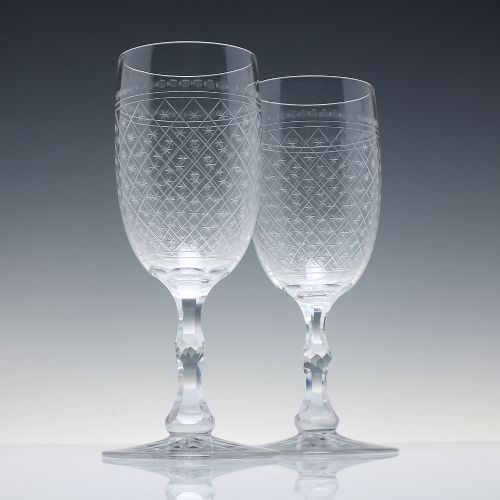
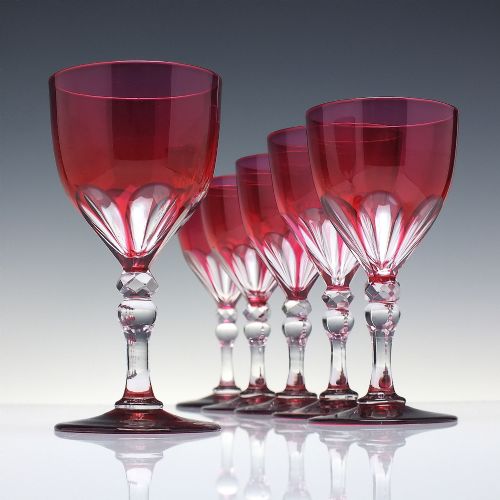
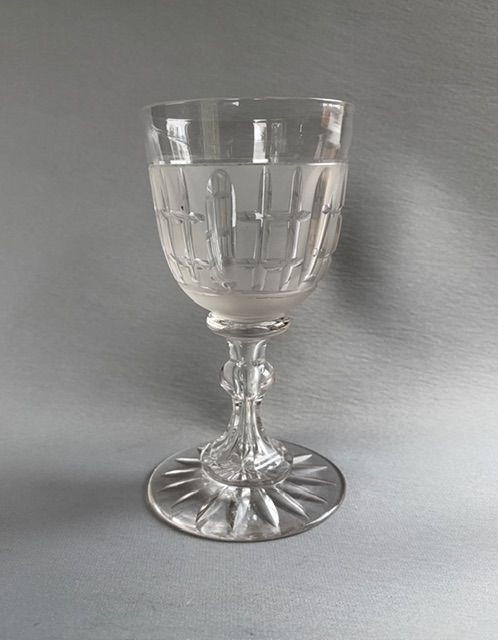
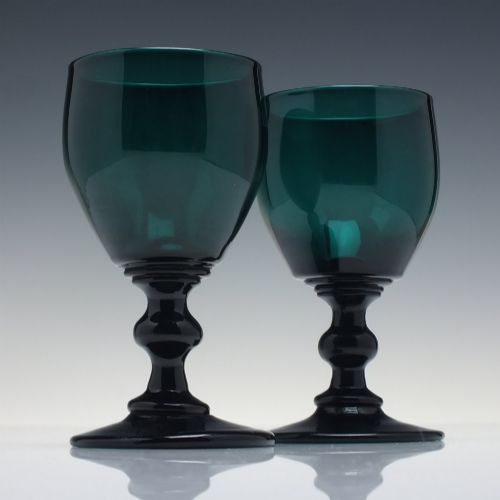
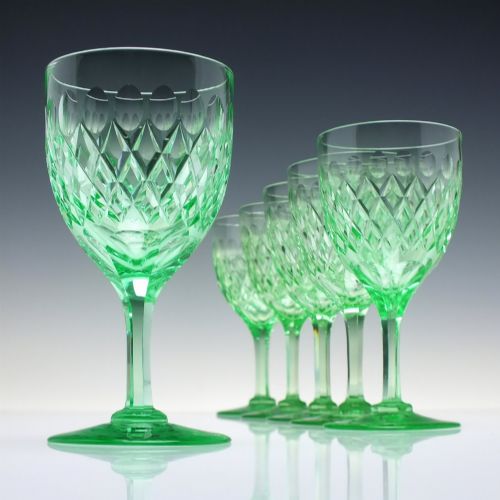
A crystal drinking glass collection on this page comprises authentic vessels for wine, ale, spirits and water drawn primarily from the eighteenth century, the Georgian era and the Victorian period. Buyers searching this phrase encounter everything from early eighteenth century baluster dram glasses and opaque twist wine stems to large Victorian rummers and French art deco drinking glass suites.
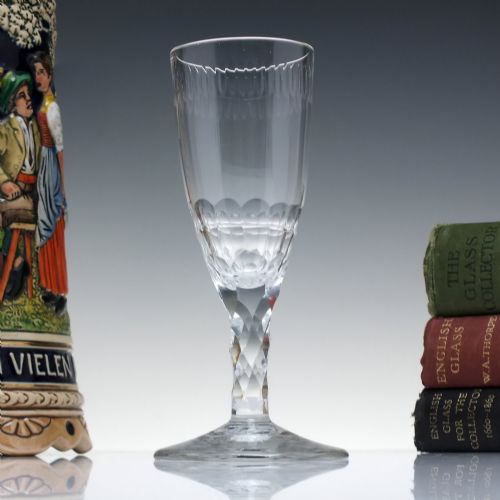
The forms vary widely according to their historical function, including tall wine flutes, heavy tumblers, jelly glasses and engraved rummers. Most pieces originate from English and French traditions, maintaining the distinct stylistic shifts from plain stems and air twists to heavy cut crystal.
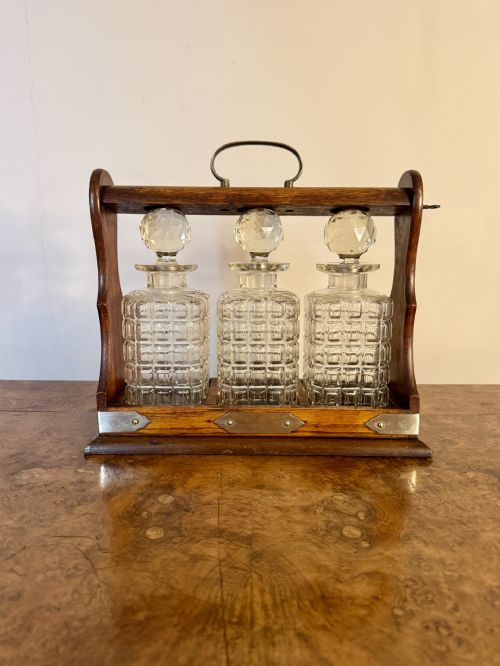
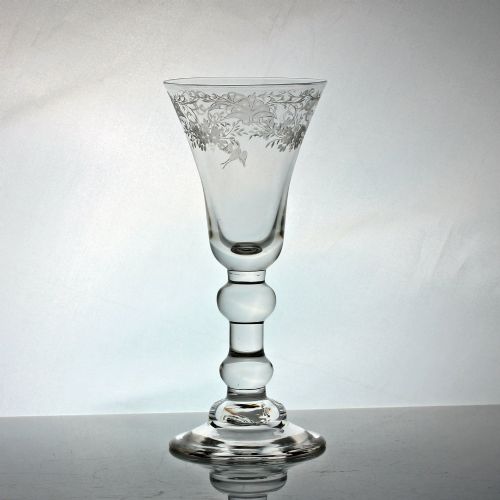
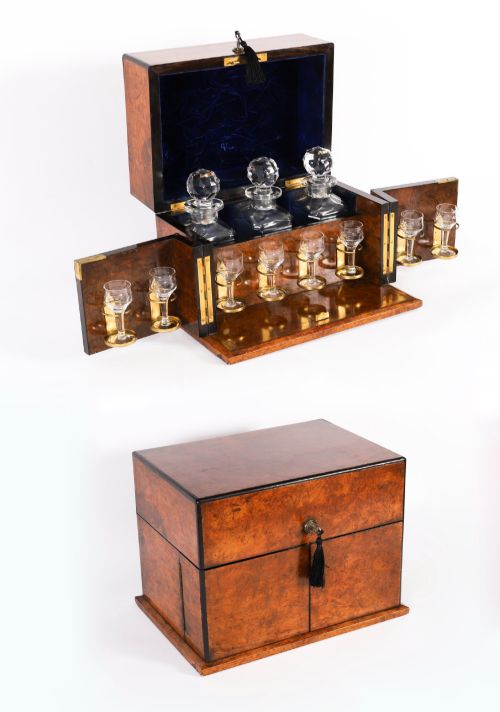
The selection leans heavily toward eighteenth century drinking vessels featuring detailed hop and barley engraving, bell bowls and folded feet. Alongside these single stemware items, matched suites and tantalus sets with crystal decanters appear for those seeking complete entertaining sets.
How they were made
Glassmakers utilised lead crystal, flint glass and clear glass, melting raw materials in high-temperature furnaces before blowing the molten metal into shape or pressing it into moulds. Lead oxide was added to the batch to increase refractive index, weight and brilliance, resulting in the heavy feel characteristic of true crystal.
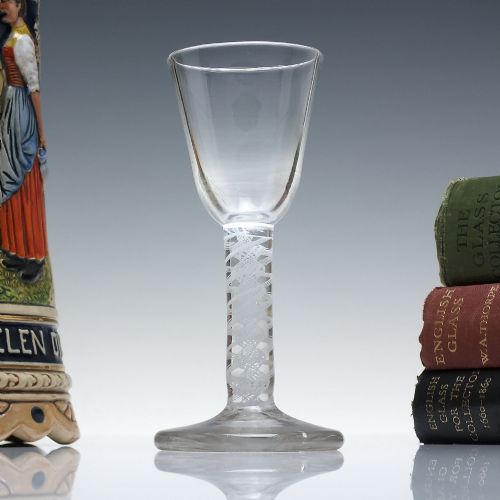
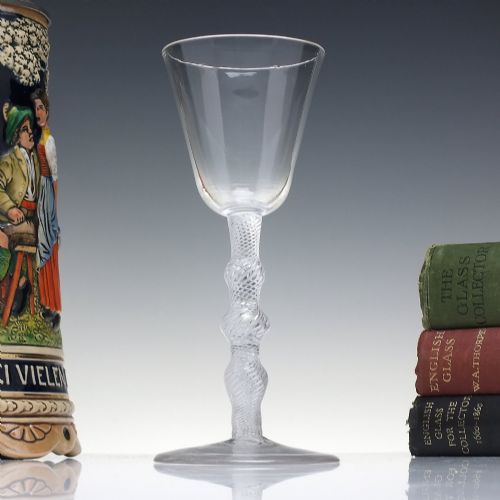
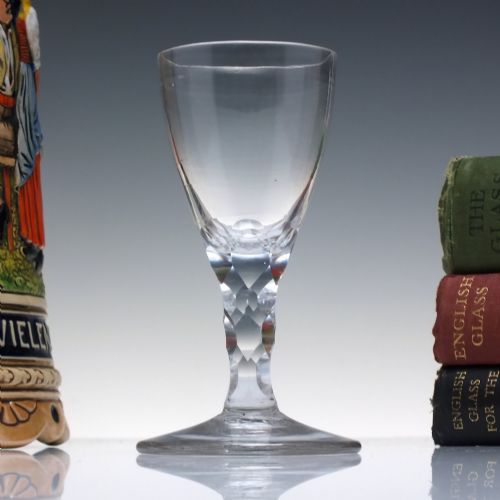
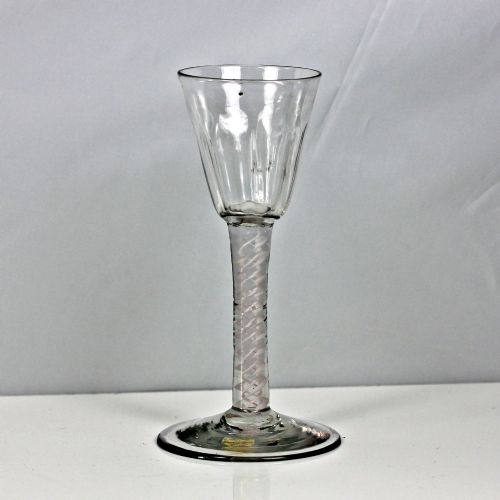
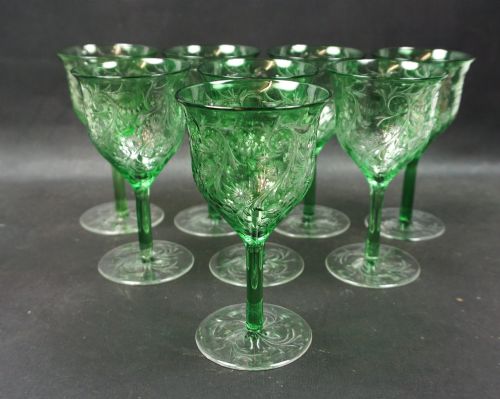
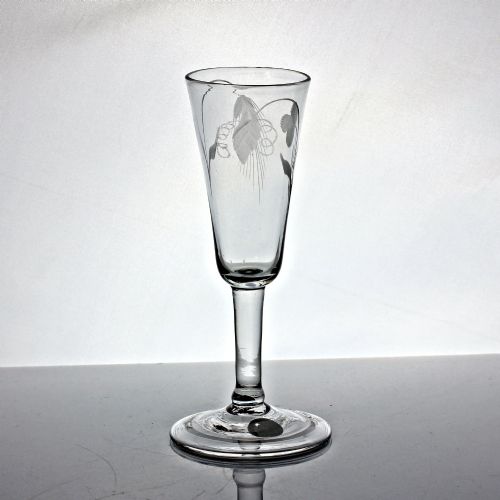
Stems and bowls were formed through distinct technical methods, such as drawing the stem directly from the bowl, applying separate feet, or using air twist and opaque twist techniques to trap filaments of air or white enamel inside the glass. Surface decoration involved wheel engraving, diamond point scratching and brilliant cutting to create faceted bowls and flutes.
Crystal Drinking Glass Retail Price Guide 2026
Typical asking prices for crystal drinking glass among the pieces listed under this phrase on Sellingantiques today, from the lower quarter to the upper quarter. They describe what is for sale here now, not the wider market.
Listings feature lead crystal, flint glass and clear glass across eighteenth century, Georgian, Victorian and art deco periods.
What varies in quality
Quality rests upon the purity of the metal and the precision of the glassmaker's hand. Early lead glass exhibits a deep lustre and smooth tactile surface, whereas inferior metal might show cloudiness, seed bubbles or striations from uneven mixing.
The refinement of the stem formation and the depth of the wheel engraving dictate the distinction between standard vessels and masterworks. Crisp, sharply defined opaque twists and balanced baluster knops command higher regard than irregular or thick-walled pulls.
The Crystal Drinking Glass Glossary
- Baluster
- A heavy, swelling stem form reminiscent of architectural balusters, typical of early eighteenth century English drinking vessels.
- Air twist
- A stem containing internal threads of elongated air bubbles created by drawing twisted glass canes.
- Opaque twist
- A stem featuring white or coloured enamel threads enclosed within the clear glass rod.
- Rummer
- A large, sturdy goblet used for punch, rum or beer during the Georgian and Victorian periods.
- Tantalus
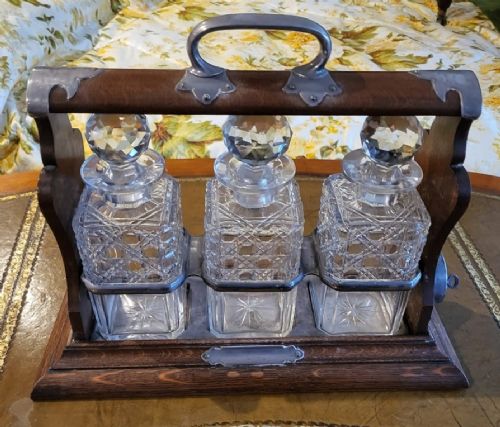
- A locking frame holding crystal decanters that displays the contents while preventing unauthorised access.
Crystal Drinking Glass: Frequently Asked Questions
How do I date a Georgian glass?
Examine the stem construction, bowl shape and foot type, noting that early pieces often feature baluster forms or folded feet.
Heavier lead content and pontil marks on the underside further help distinguish eighteenth century production from later revivals.
Can I use antique stemware daily?
Many collectors use eighteenth and nineteenth century glasses for special occasions, provided they receive careful manual washing.
Sudden temperature changes should be avoided to prevent thermal shock to the old lead glass.
What is an opaque twist?
An opaque twist is a decorative stem type containing white enamel threads spun within the clear glass.
Single and double series variations indicate whether one or two sets of twists are present inside the stem.
Why are some rummers so heavy?
Rummers were designed as sturdy drinking vessels for taverns and domestic dining, requiring a thick base and bowl.
The substantial lead crystal weight kept the tall glasses stable on uneven wooden tables.