




Crossbanded Wooden Commode
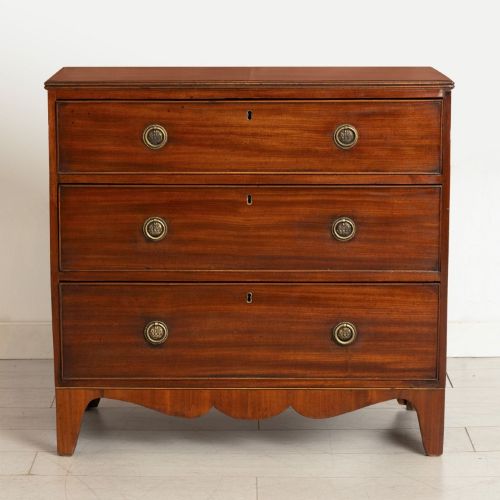
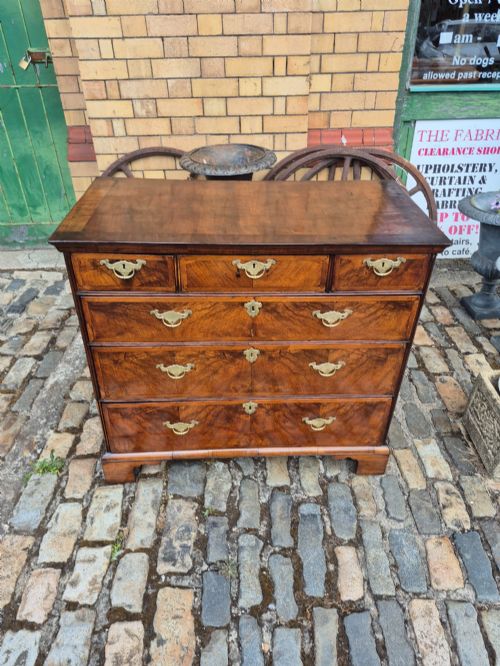
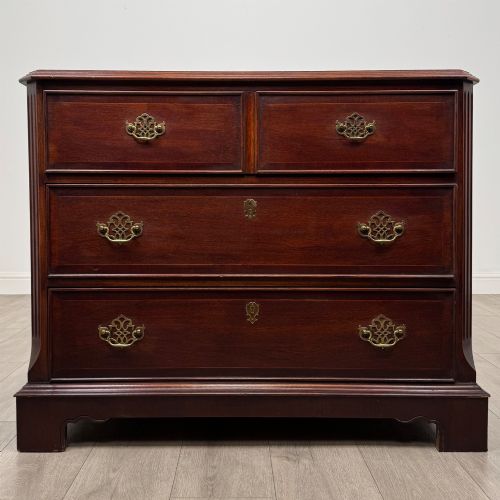
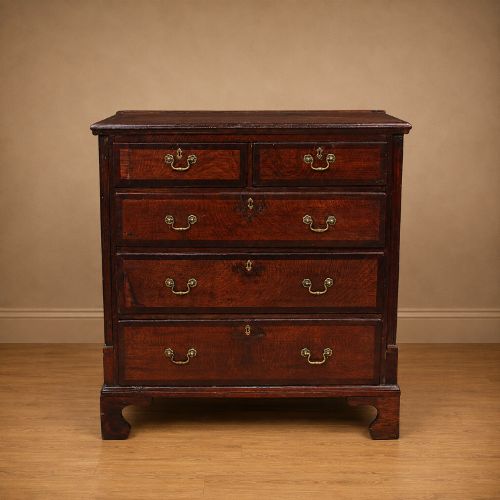
A crossbanded wooden commode is a practical storage piece defined by border veneers that frame the grain.
Crossbanded Wooden Commode
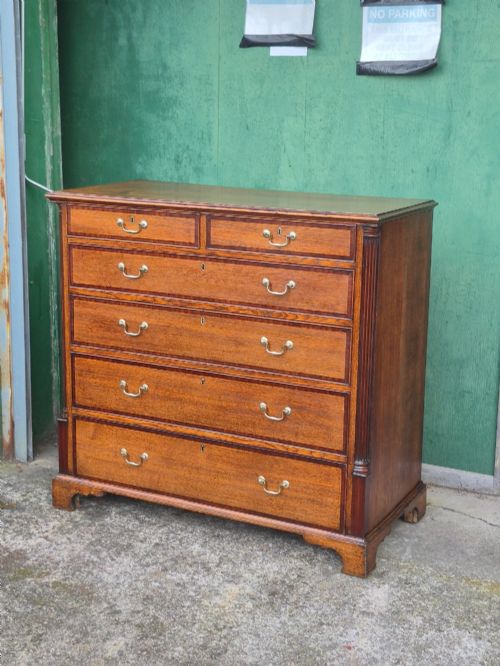
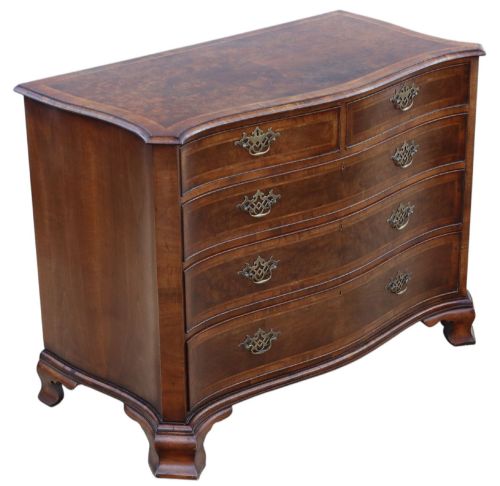
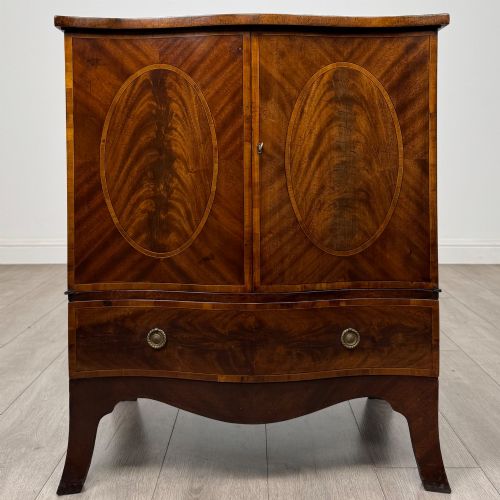
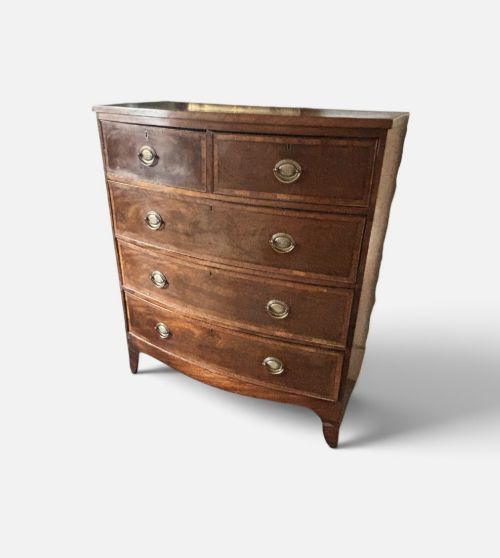
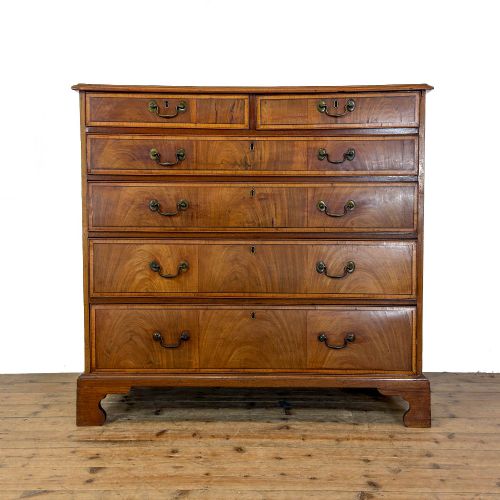
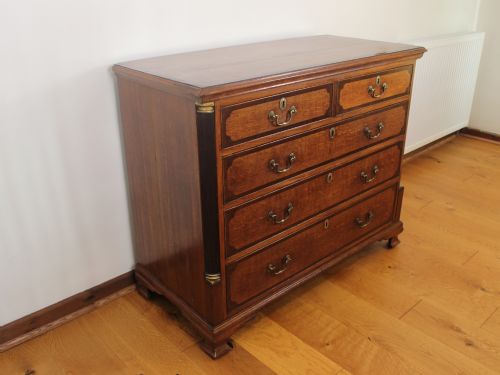
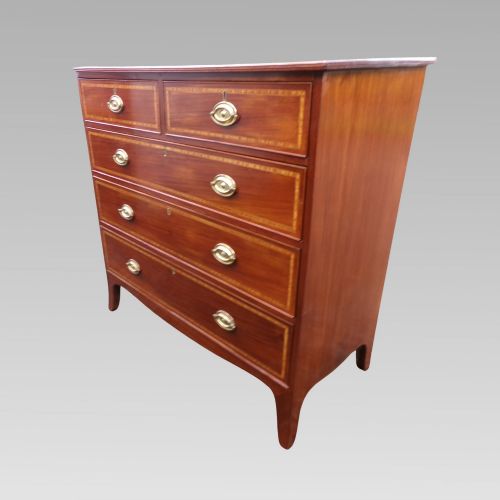
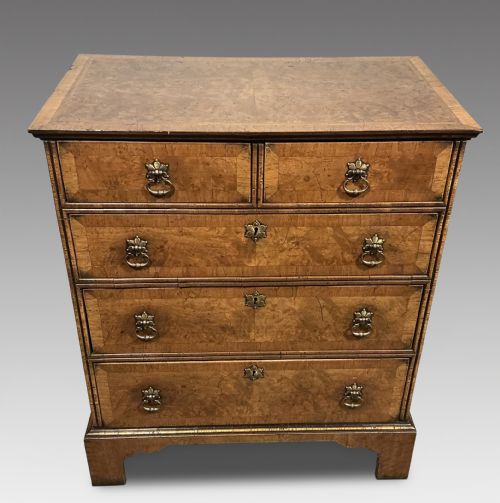
A crossbanded wooden commode is typically found as a chest of drawers spanning periods from the seventeenth century through to the Edwardian era and the nineteen-twenties. These items appear in forms such as bow fronts, serpentine shapes, and miniature furniture alongside standard chests.
The version most likely to meet a buyer on this page is a Georgian or Regency mahogany, walnut, or oak piece featuring contrasting satinwood or mahogany borders. Such examples reflect the dominant stylistic choices of eighteenth and nineteenth-century cabinet makers.
Makers utilised woods like burr walnut, cherrywood, and oak, applying horizontal or diagonal grain framing to the primary surfaces. These constructions range from substantial bedroom furniture to compact drawer units.
Materials and construction
Cabinet makers constructed carcass frames from solid timbers such as oak and mahogany, applying fine veneers of walnut, satinwood, and amboyna to the external surfaces. Crossbanding involved laying narrow strips of veneer with the grain running perpendicular to the main panel, creating a defined border.
Brass handles and escutcheons were fitted to drawer fronts, securing the functional hardware with backplates and posts penetrating the wood. Joinery relied on traditional techniques to house drawer boxes and accommodate seasonal wood movement without splitting the decorative veneers.
Miniature amboyna chests offer full-scale drawer engineering scaled down for tabletop display.
Distinctions in quality
The standard of a crossbanded wooden commode rests on the precision of the veneer work and the preservation of the timber surfaces. Clean alignment of the crossbanded borders and balanced figuring in walnut or mahogany panels indicate superior workshop execution.
Proportion and intact secondary woods inside the drawer linings signal better origin and survival. Pieces retaining their original brass hardware and stable drawer runners represent the higher end of the surviving examples.
The Crossbanded Wooden Commode Glossary
- Crossbanding
- A technique where a border of veneer is applied to a panel with the wood grain running perpendicular to the central section. This frames the primary timber and adds visual contrast.
- Commode
- A low chest of drawers used for storage, appearing in various domestic rooms across the eighteenth and nineteenth centuries.
- Bow front
- A convex curved front profile seen on chests of drawers from the Regency and Georgian periods. This shape softens the corners of the furniture.
- Serpentine
- A curved furniture front featuring a convex centre flanked by concave ends. It requires advanced woodworking skill to veneer accurately.
- Oyster laburnum
- A decorative veneer method using transverse cross-sections of branches to create circular oyster-like patterns. It is characteristic of seventeenth-century joinery.
Crossbanded Wooden Commode: Frequently Asked Questions
What is a crossbanded wooden commode?
A crossbanded wooden commode is a chest of drawers featuring decorative border veneers applied at right angles to the main grain. These pieces utilise woods such as walnut, mahogany, and oak.
They serve as functional storage furniture with varied silhouettes including bow front and serpentine shapes.
How do I date a wooden commode?
Dating relies on timber selection, handle styles, and construction methods characteristic of periods like the Georgian era or the seventeenth century. Walnut and oak dominate early pieces, while mahogany and satinwood appear frequently in later decades.
Secondary woods inside the drawers and the style of the bracket feet also provide clues to the approximate decade of manufacture.
Where were these pieces used?
These chests of drawers were placed in bedrooms, hallways, and formal living spaces to store clothing and household linens. Their decorative top veneers and shaped fronts allowed them to function as display surfaces as well as storage.
Miniature versions served specialised display or small-scale storage purposes within domestic interiors.
How do I care for veneered wood?
Veneered surfaces require stable indoor humidity and protection from direct sunlight to prevent timber warping and veneer lifting. Regular dusting with a dry cloth maintains the finish without moisture damage.
Avoid placing damp items directly onto the wood to protect the historical polish and grain.