

Crimson Red Wool Rug
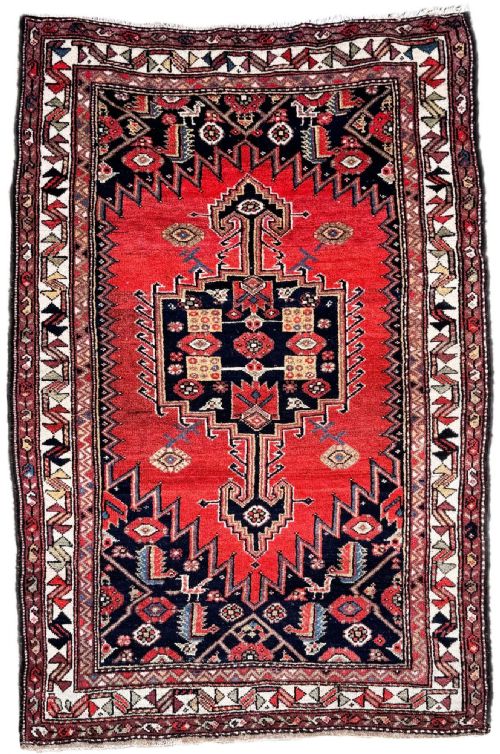
A crimson red wool rug brings deep colour and tribal history into a room through centuries of hand-knotted craftsmanship from Central Asia and Persia.
Crimson Red Wool Rug
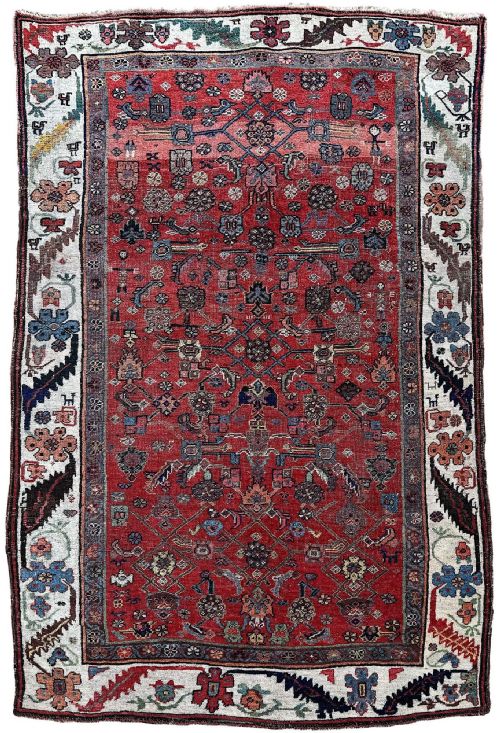
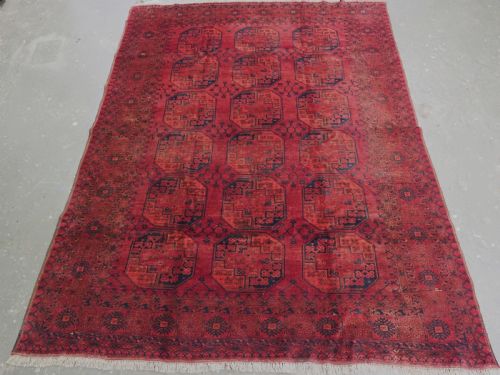
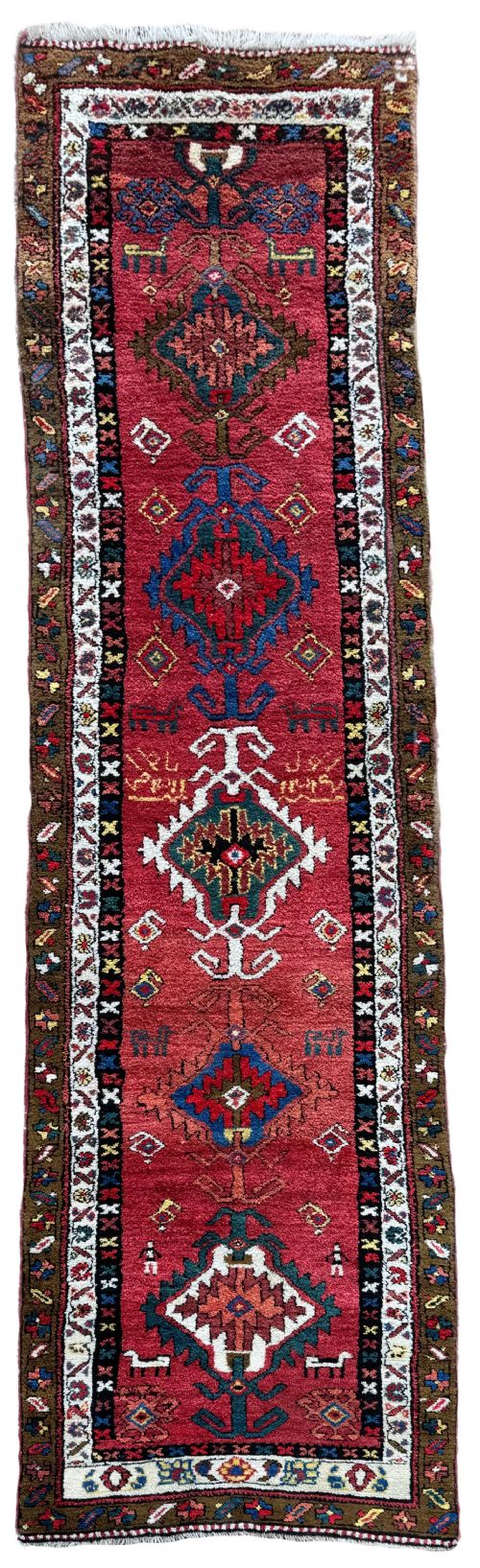
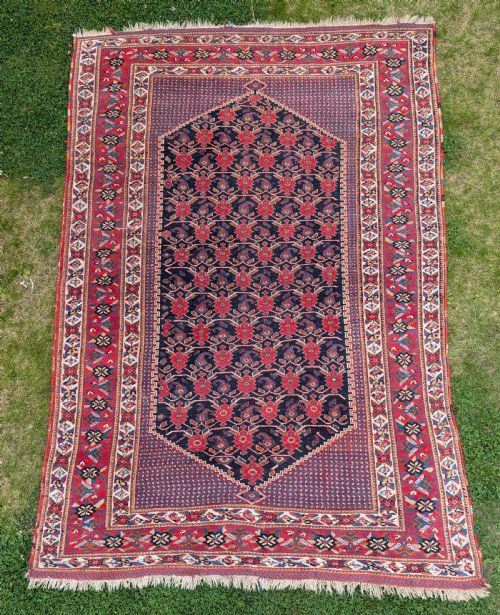
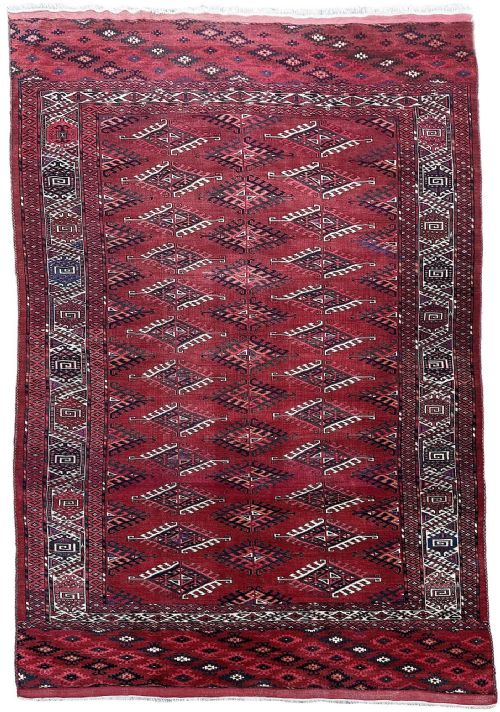
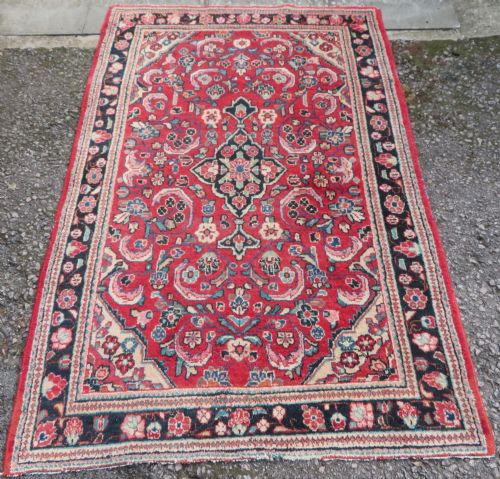
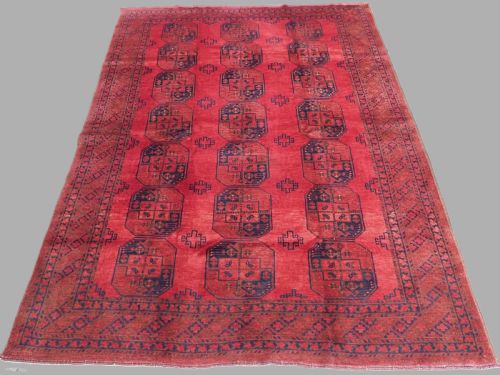
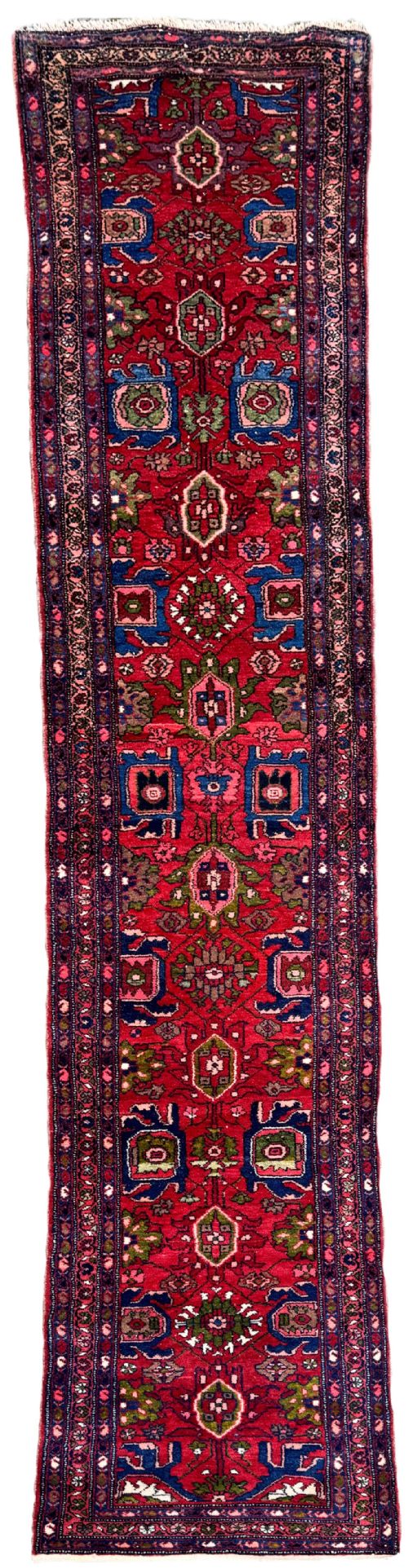
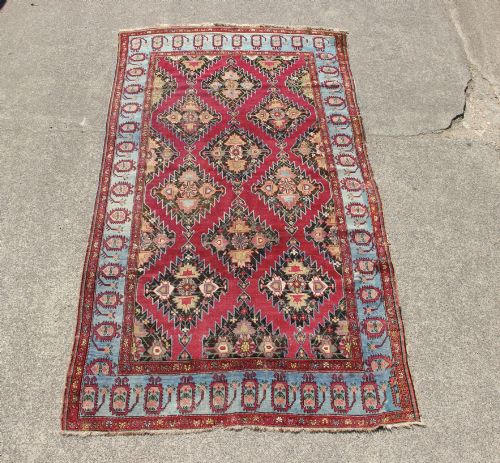
When searching for a crimson red wool rug, buyers encounter a selection of antique textiles originating from Persian and Turkmen tribal workshops. These pieces span periods from the mid-nineteenth century through the early twentieth century, taking the form of area rugs, carpets, runners, and specialised tribal trappings like torbas and chuvals.
The majority of pieces seen on this page reflect traditional weaving traditions from Anatolia, the Caucasus, and Central Asian regions such as Turkmenistan and Uzbekistan. Village and nomadic makers produced these textiles using durable materials suited for daily domestic use or ceremonial purposes within tribal life.
Forms range from long hall runners and village carpets to square wedding rugs and small saddle covers. Each regional group, from the Yomut and Tekke tribes to the weavers of Heriz and Kashan, contributed distinct patterns rooted in their specific heritage.
How they were made
Makers constructed these textiles primarily using wool, pure wool, and hand-spun wool, often combined with cotton foundations for structural stability. Natural dyes provided the rich palette of reds, deep crimson tones, and contrasting motifs characteristic of these regional styles.
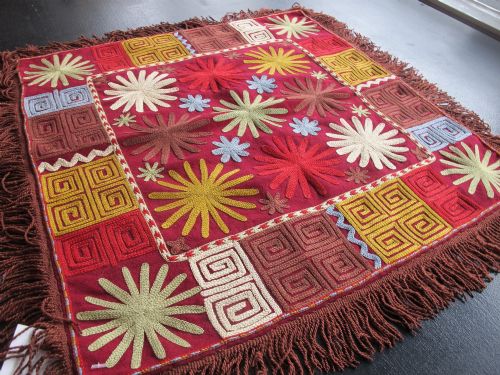
Weavers knotted the wool by hand onto warps, creating dense piles designed to withstand heavy wear over generations. Specialised items like the Lakai embroidery employed fine needlework on textile surfaces rather than traditional knotting techniques.
Listings feature wool, cotton, and natural dyes applied across nineteenth and early twentieth-century Persian and Central Asian forms.
What varies in quality
Quality in these textiles rests upon the density of the knotting, the fineness of the weave, and the clarity of the design motifs. Finer weaves allow for sharper execution of intricate geometric guls or complex floral patterns.
The vibrancy and depth of the natural dyes also set examples apart, with certain pieces displaying superior colour saturation and harmonious tonal variation across the wool surface. The integrity of the original edges and the completeness of structural faces further distinguish finer historical pieces.
The Crimson Red Wool Rug Glossary
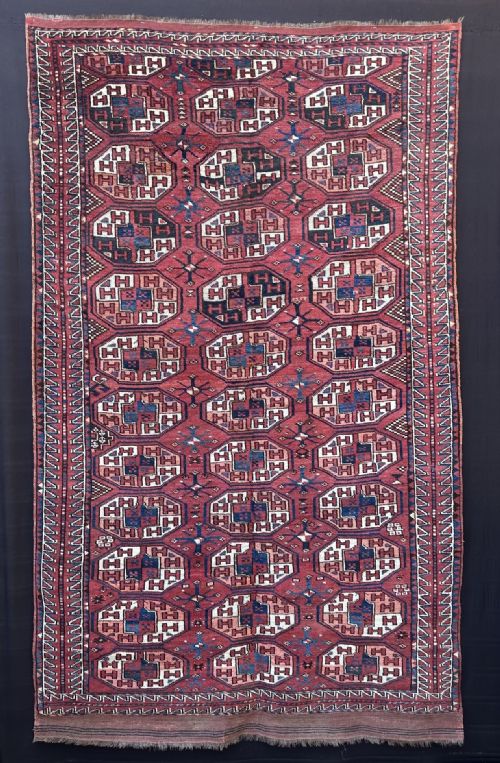
- Gul
- A primary octagonal or repeating medallion motif frequently found in Turkmen and Central Asian tribal carpets. These motifs often identify the specific tribe or clan that wove the textile.
- Chuval
- A large storage bag face produced by nomadic tribes for domestic use inside a yurt. Many surviving examples were later separated from their backs to be used as decorative wall hangings or small floor rugs.
- Torba
- A smaller storage bag or trapping utilised across Central Asian tent interiors. They display intricate geometric patterns similar to larger main carpets.
- Sofreh
- A flatwoven or piled spread used during meals or for processing flour within traditional households. These textiles often feature minimalist or symbolic tribal designs.
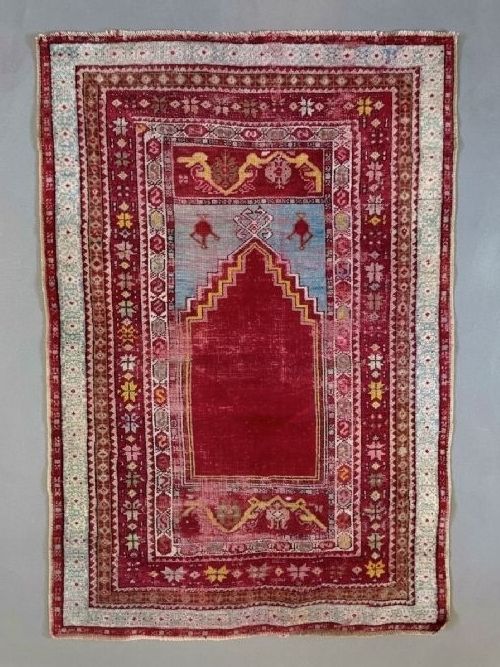
- Prayer rug
- A small rug featuring a mihrab or niche design indicating the direction of Mecca, utilised for daily devotions. Anatolian and Persian weavers produced these with distinct architectural motifs.
Crimson Red Wool Rug: Frequently Asked Questions
Where were these tribal rugs made?
The pieces originate from regions across Persia, Anatolia, and the Central Asian steppes. Nomadic and village weavers in areas like Turkmenistan, the Caucasus, and western Persia produced them.
Specific tribes such as the Yomut, Tekke, Ersari, and Afshar contributed distinct regional styles, utilising local materials and traditional dyeing methods passed down through generations.
How can I tell different tribal designs apart?
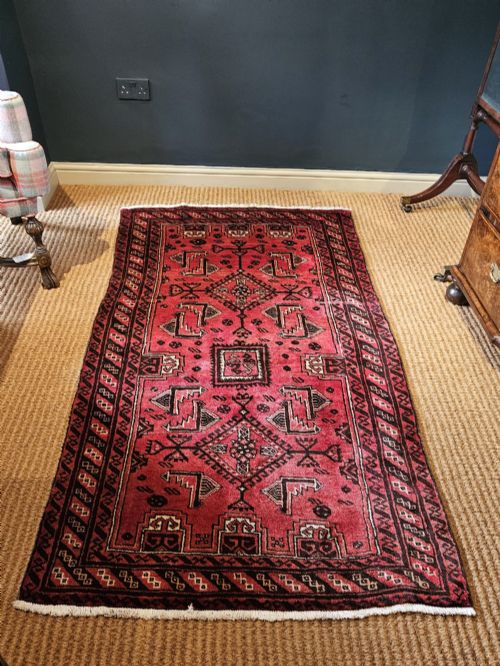
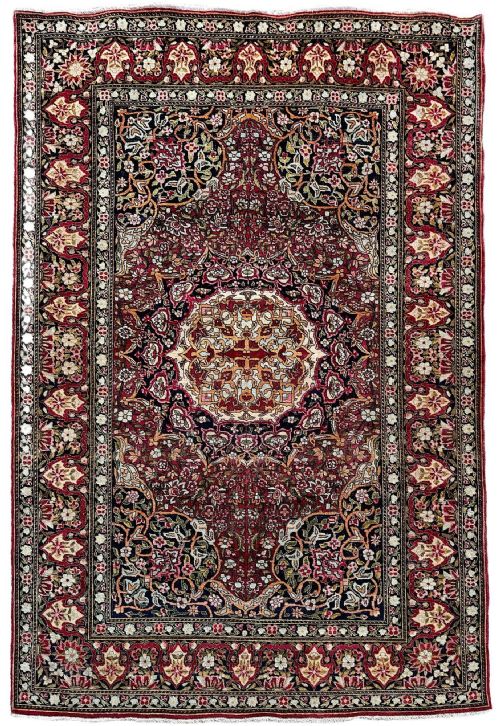
Tribal designs are distinguished by their recurring motifs, such as the octagonal gul found in Turkmen weaving or the bold geometric layouts of Baluch and Kurdish pieces. Persian village rugs often incorporate more flowing floral elements.
Examining the palette, weave structure, and specific border patterns helps identify the likely origin and tribal group behind each textile.
How should I care for an antique wool rug?
Antique wool rugs require gentle maintenance, starting with regular light vacuuming without a rotating brush roll to protect the historic pile. Professional cleaning suited for natural dyes and antique textiles ensures the wool and foundations remain preserved.
Keeping the rug out of direct, harsh sunlight prevents the natural crimson tones and dyed wool from fading over time.
What is the difference between a main carpet and a tribal bag face?
Main carpets are large floor coverings designed to span significant areas of a tent or home, featuring repeating overall patterns. Tribal bag faces like chuvals and torbas were originally functional storage sacks hung inside nomadic dwellings.
Bag faces are smaller in scale and display concentrated portions of traditional tribal designs, making them suitable for display on walls or compact floor spaces.