


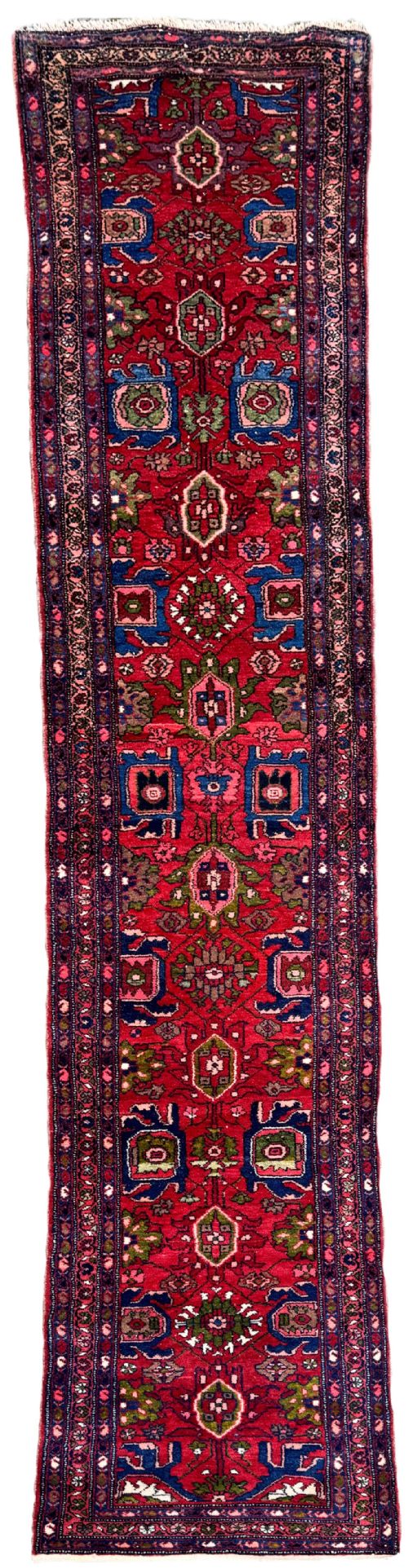
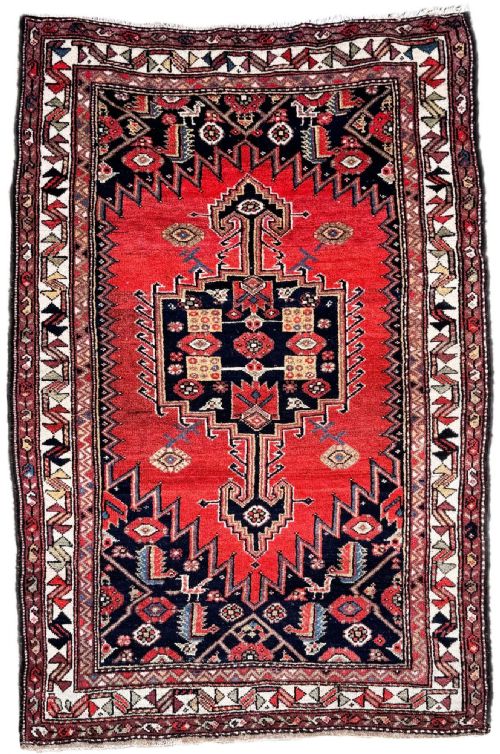
Crimson Red Rug
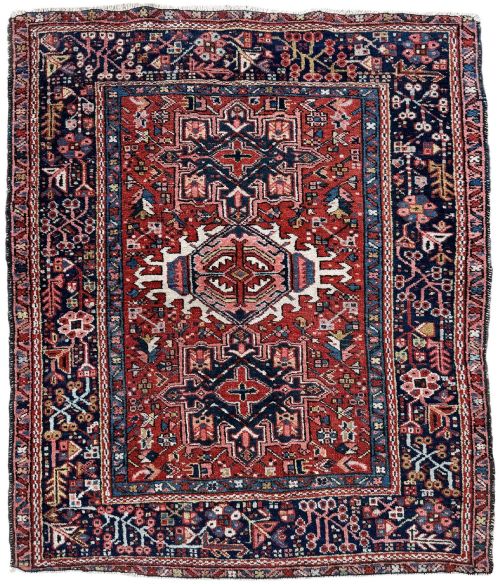
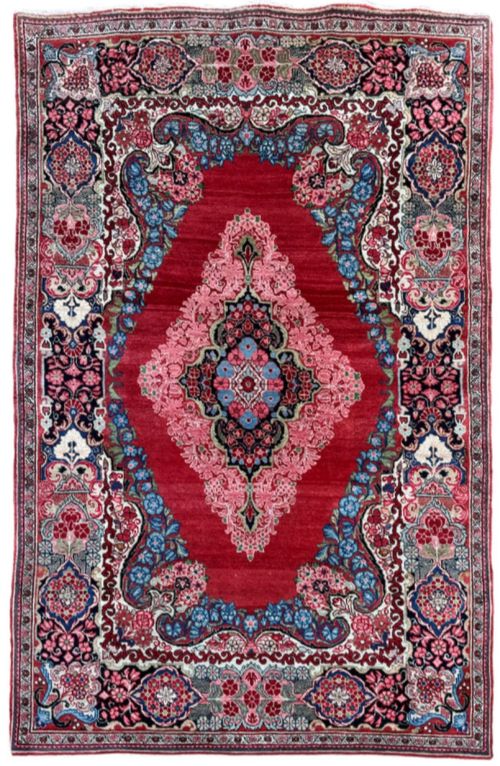
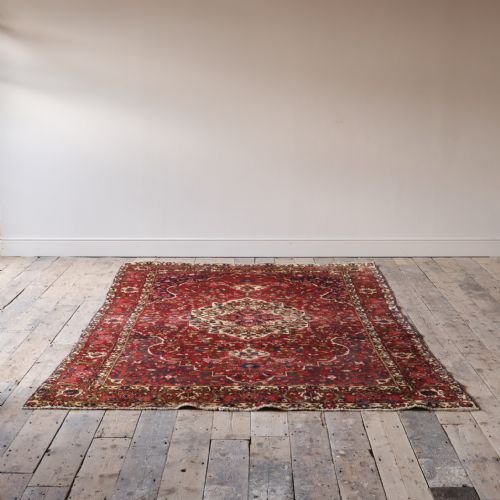
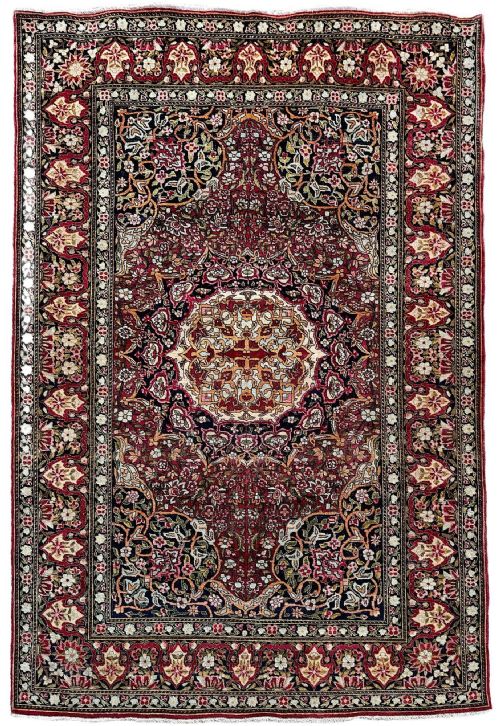
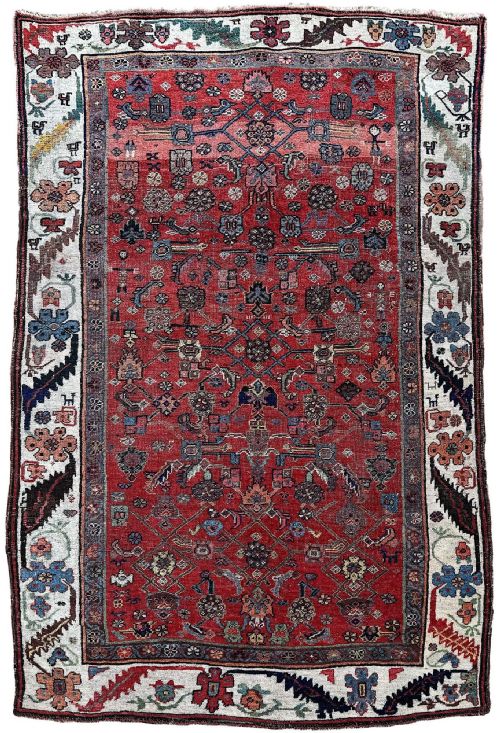
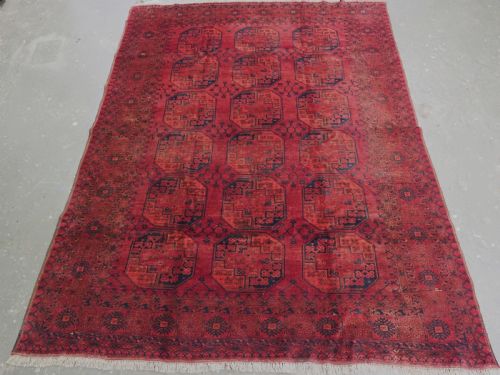
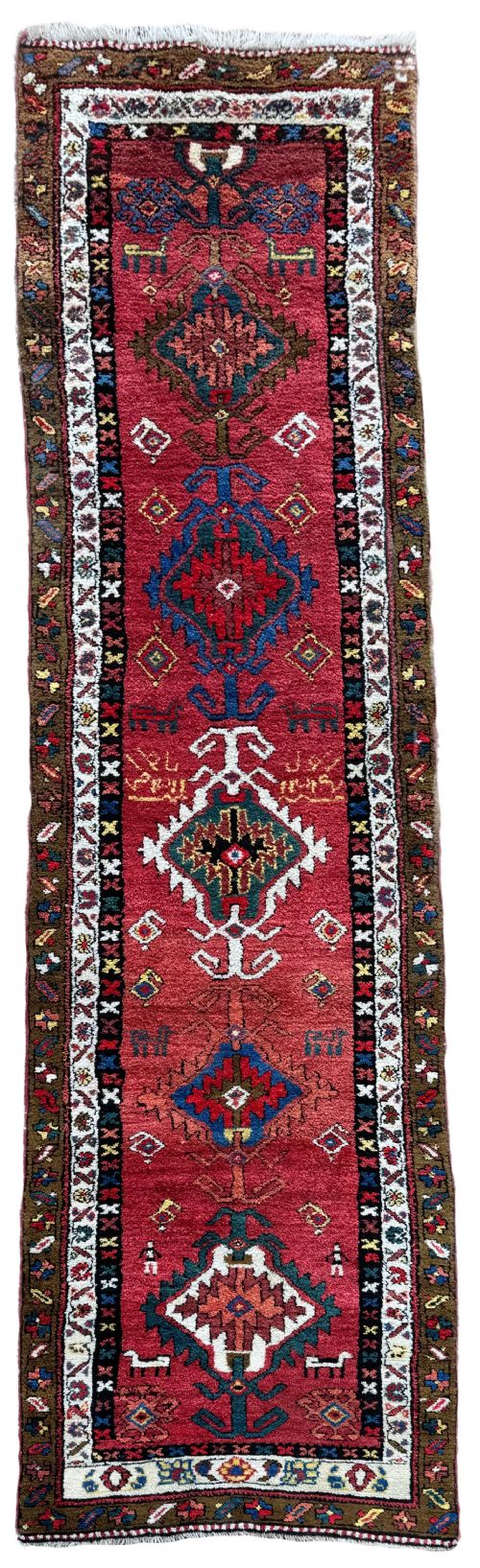
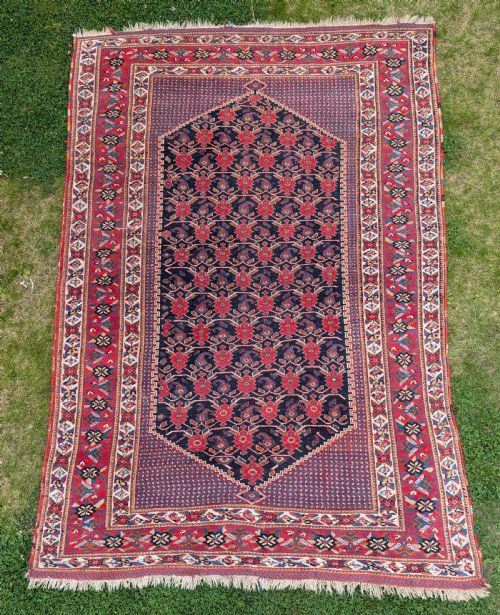
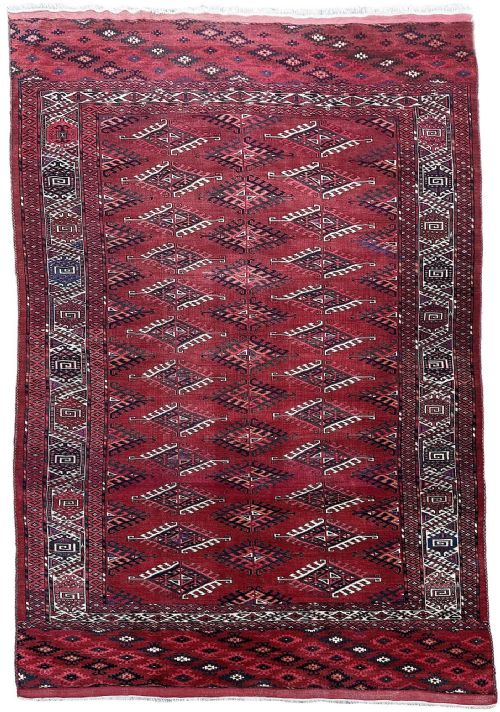
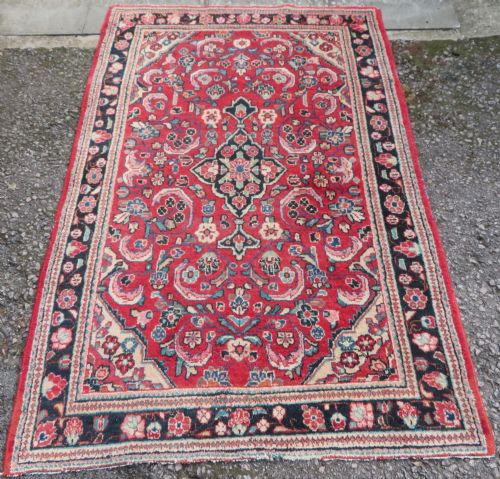
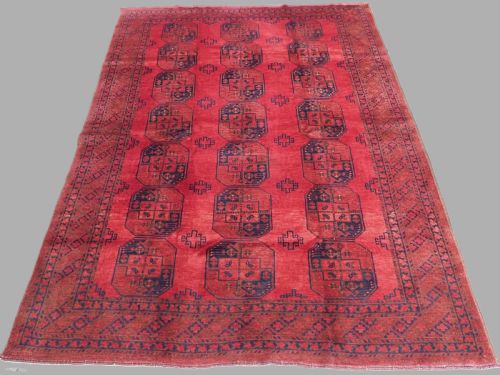
These crimson red rug examples span tribal Turkmen weavings and Persian village carpets, offering rich madder tones that anchor period interiors.
Crimson Red Rug
A crimson red rug brings deep madder hues and traditional motifs from Central Asian and Persian workshops into modern spaces.
The selections here range from nineteenth-century Turkmen tribal pieces to twentieth-century Heriz and Kashan village carpets.
Buyers encounter everything from small wedding cushions and saddle covers to room-sized carpets and long hall runners.
How they were made
Weavers utilised natural dyes derived from plants and insects to achieve the saturated crimson and madder tones recorded across these pieces.
The structures rely on hand-spun wool and cotton foundations, knotted by hand to create durable pile textiles.
Some nineteenth-century Turkmen pieces began life as camel bags before retiring to quiet European floors.
What varies in quality
Knot density and the precision of geometric or floral motifs separate standard village productions from finer tribal workshop pieces.
The depth and complexity of the natural dye palette influence the visual texture and character of each individual weaving.
The Crimson Red Rug Glossary
- Madder
- A natural red dye extracted from the roots of the Rubia tinctorum plant. It provides the foundational crimson tones seen in many antique tribal weavings.
- Chuval
- A large tent bag produced by Turkmen tribes for domestic storage. These pieces often feature characteristic gul motifs and detailed geometric borders.
- Gul
- A repeating medallion or floral motif used extensively in Central Asian rug design. Different tribes utilised distinct guls for identification.
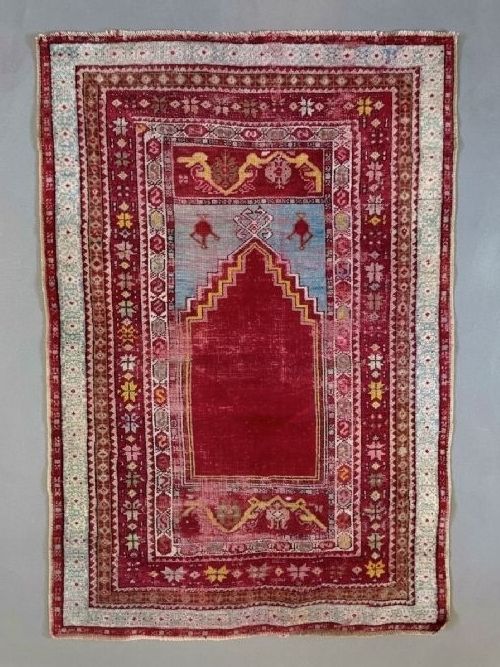
- Prayer rug
- A small format rug featuring a mihrab or arch design indicating the direction of prayer. Anatolian and Persian weavers produced these for devotional use.
- Runner
- An elongated narrow carpet format designed for hallways, corridors, and landings. These pieces accommodate long domestic spaces.
Crimson Red Rug: Frequently Asked Questions
How do I care for a wool rug?
Vacuum gently without a rotating brush bar to protect the hand-knotted pile.
Professional cleaning is recommended for antique wool textiles to preserve natural dyes.
Where were these rugs made?
The pieces originate primarily from Persia, Anatolia, and Central Asia.
Nomadic tribes and village workshops produced the majority of these traditional textiles.
Are these carpets suitable for hallways?
Long runner formats accommodate corridors and stair landings effectively.
Durability depends on the wool quality and the tightness of the weave.
How do I identify tribal designs?
Tribal pieces display characteristic geometric guls and asymmetrical border patterns.
Many examples originate from Yomut, Tekke, or Ersari weaver communities.