


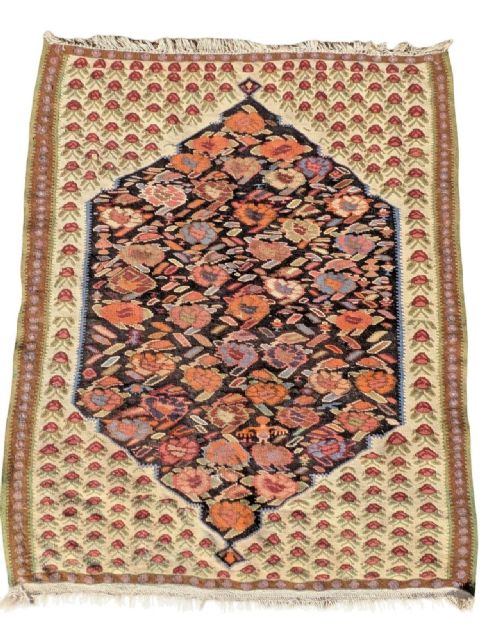
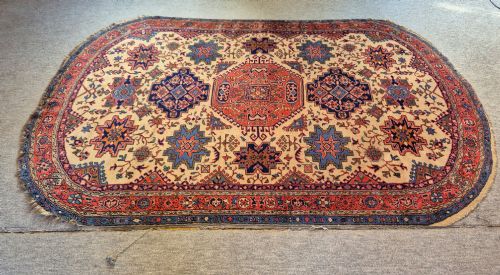
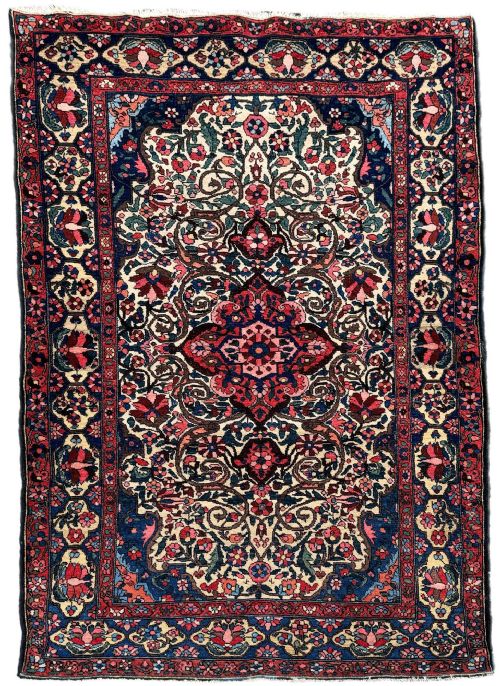
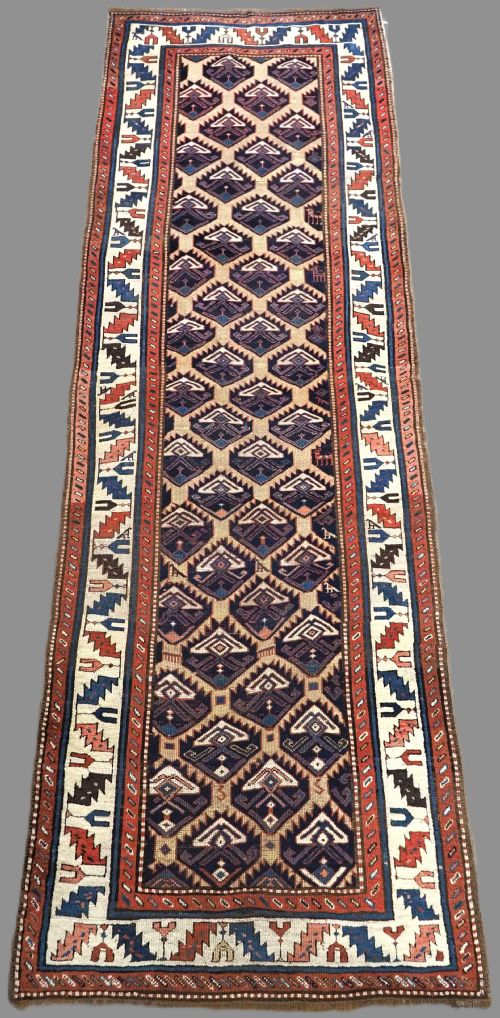
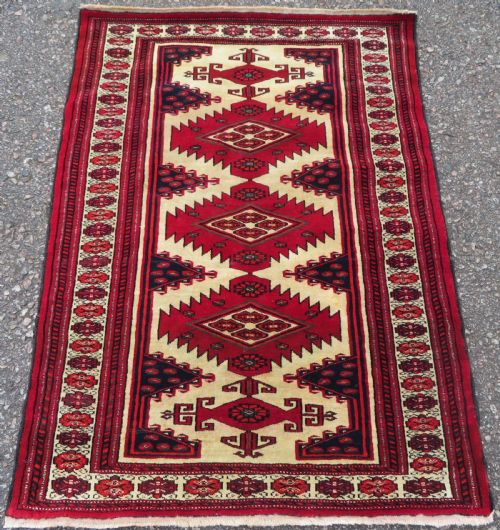
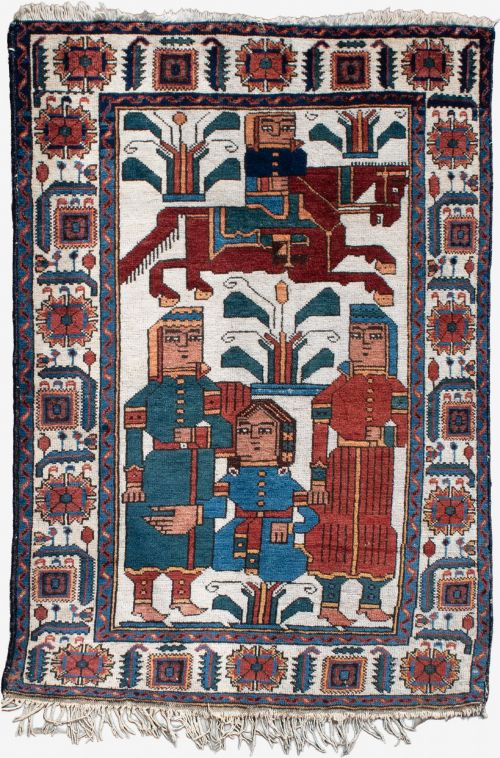
Cream Wool Oriental Rug
A cream wool oriental rug brings warmth and deep texture to a room, offering centuries of weaving tradition underfoot.
Cream Wool Oriental Rug
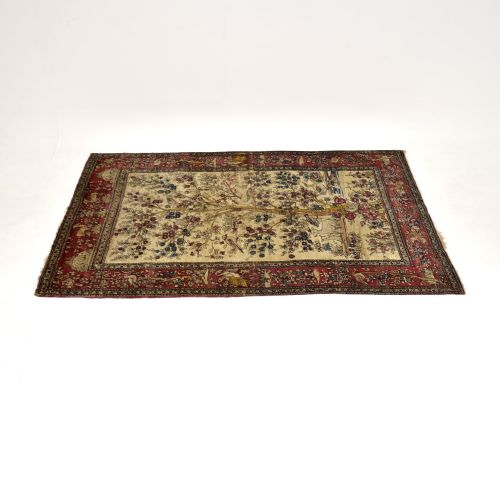
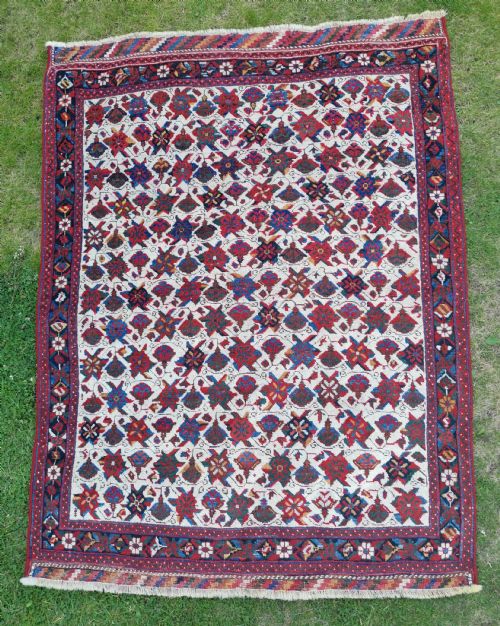
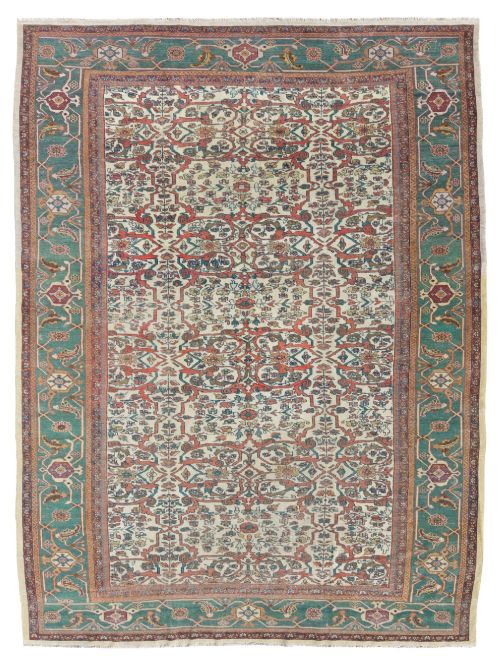
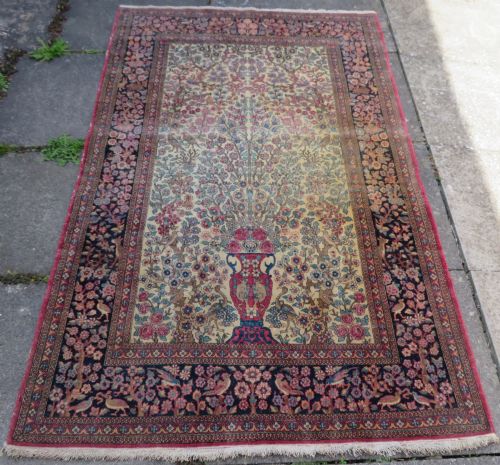
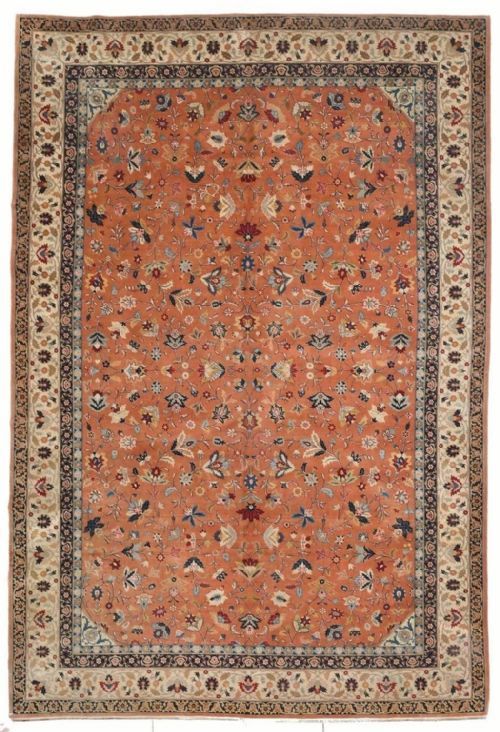
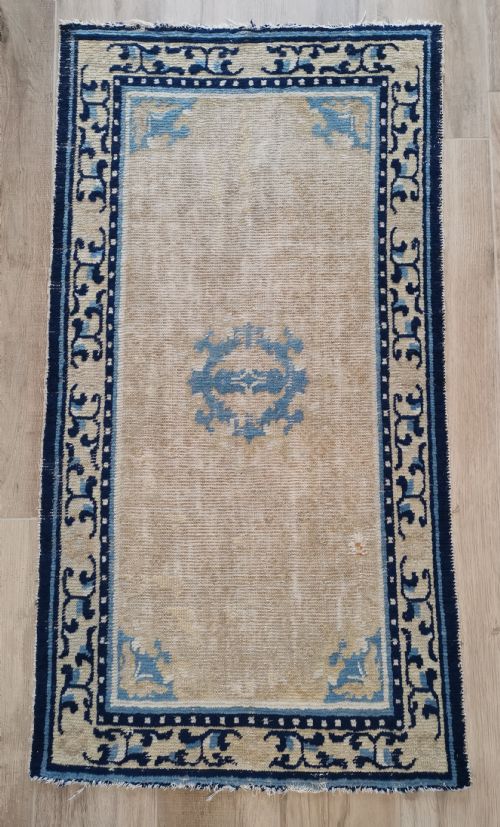
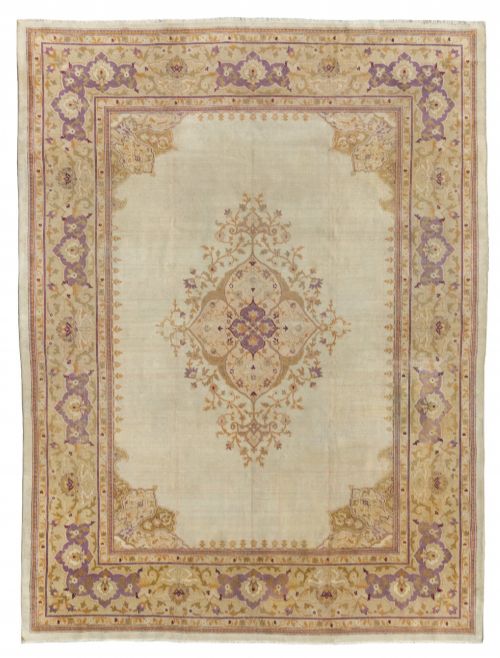
When searching for a cream wool oriental rug, buyers encounter hand-knotted room-size carpets, smaller mats, and elongated runners originating from Persia, Turkey, the Caucasus, and China. These textiles span periods from the mid-nineteenth century through the early twentieth century, encompassing village and tribal artistry alongside city workshop creations.
The most common examples on this page are Persian carpets from regions such as Tabriz, Kirman, Heriz, and Bakhtiar, frequently featuring pale ivory or cream grounds. Woven in wool with cotton foundations, these pieces combine traditional medallion or all-over floral designs with durable construction suited for daily use.
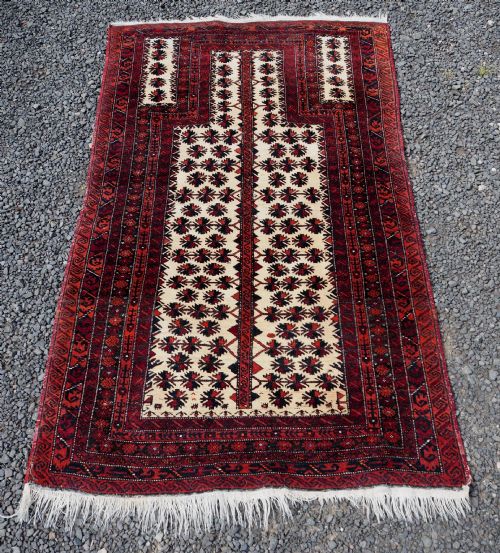
Alongside major room-sized carpets, the selection includes smaller prayer rugs, Kurdish tribal pieces, and village runners. Each piece reflects the specific regional knotting technique and palette of its origin, providing distinct visual depth through natural dyes and varied pile depths.
How they were made
These rugs are constructed with hand-spun wool pile knotted onto cotton or wool foundation warps and wefts. Weavers tied asymmetrical or symmetrical knots by hand, securing each row with horizontal weft threads before shearing the surface pile to an even level.
The materials rely primarily on sheep wool for the pile, chosen for resilience and capacity to absorb natural dyes, while cotton provides structural stability for the foundation grid. Silk appears selectively in specific decorative details or finer city pieces.
Dyes derived from natural sources interact with the wool fibres over decades to develop rich patinas and subtle colour variations. The density of the knotting dictates the crispness of the woven pattern, varying from coarse village weaves to fine workshop execution.
Cream Wool Oriental Rug Retail Price Guide 2026
Typical asking prices for cream wool oriental rug among the pieces listed under this phrase on Sellingantiques today, from the lower quarter to the upper quarter. They describe what is for sale here now, not the wider market.
Several nomadic weavers tucked tiny protective amulets directly into the pile knots to ward off the evil eye.
What varies in quality
Quality in these rugs depends upon the density of the hand-knotting and the fineness of the wool used for the pile. Tighter knots produce sharper design definition and greater resilience against heavy foot traffic.
The nuance and stability of the dye work separate standard examples from superior ones, as natural colour mixtures mellow gracefully over time. Artisanal execution in the drawing of curves and symmetry also distinguishes individual workshop pieces from simpler village production.
Benlian
The Cream Wool Oriental Rug Glossary
- Pile
- The vertical tufts of wool, cotton, or silk that form the soft upper surface of the rug. This layer absorbs wear and displays the woven pattern.
- Warp
- The stationary longitudinal threads stretched tightly on the loom that carry the structural weight of the carpet. Fringe ends typically emerge from these parallel strands.
- Weft
- The horizontal threads passed across the warp strands between rows of knots to bind the structure together. They stabilize the width of the textile.
- Medallion
- A central ornamental design motif placed in the middle of the field. Many classical carpets organise their symmetrical patterns around this focal point.
- Prayer rug
- A small rug featuring a mihrab or arch design at one end, traditionally oriented toward Mecca during daily prayers. These portable textiles often display distinctive niche motifs.
Cream Wool Oriental Rug: Frequently Asked Questions
How do I clean a wool oriental rug?
Vacuum gently without using a rotating brush bar to prevent pulling the delicate wool pile. Professional specialist cleaning is recommended for deep washing to protect the natural dyes and structural foundation.
Avoid aggressive home chemical treatments or soaking, which can weaken cotton warps and cause dye bleeding. Regular rotation ensures even wear across areas exposed to direct sunlight or heavy traffic.
Are these rugs suitable for high-traffic hallways?
Many examples on this page include narrow runner rugs specifically designed for corridors and staircases. Durable wool pile combined with tight knotting provides resilience under regular movement.
Placing an appropriate underlay beneath the rug prevents slipping and reduces friction between the foundation and the floorboards. This simple measure extends the lifespan of older textiles significantly.
How do I identify the regional style of a rug?
Regional attribution relies on examining the specific border motifs, colour palettes, and structural characteristics such as knot type and warp depression. Persian pieces from Heriz often show bold geometric medallions, while Kirman carpets lean toward intricate floral sprays on pale grounds.
Village rugs like those from Bakhtiar or Hamadan display more stylized, robust tribal motifs and varied wool textures. Comparing fringe construction and selvage bindings also aids in separating Turkish and Caucasian pieces from Persian origins.
Can I use an antique rug on heated floors?
Underfloor heating can dry out the natural lanolin in older wool fibres over extended periods. Using a breathable, heat-rated underlay helps mitigate direct thermal stress on the foundation.
Monitoring the moisture and temperature levels beneath the rug prevents the cotton warps from becoming brittle. Regular inspection ensures the textile maintains its flexibility and structural integrity.