
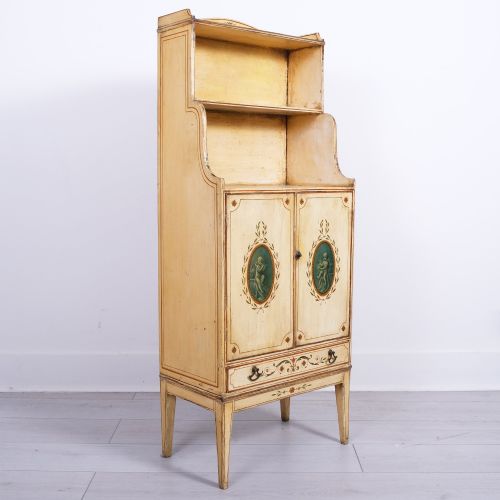
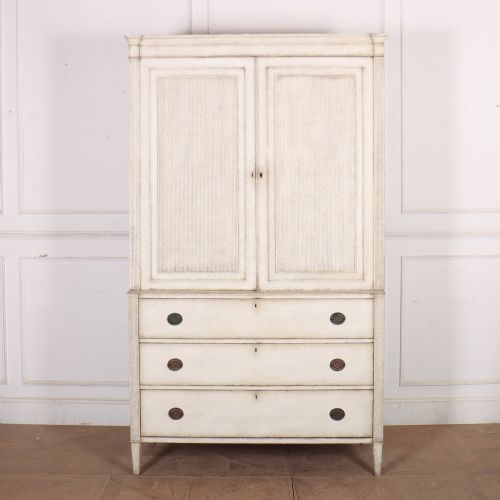
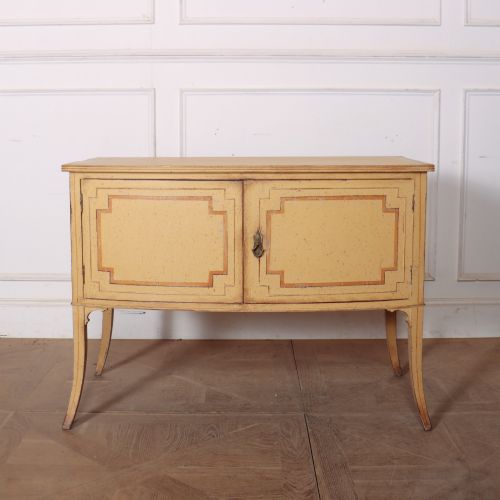
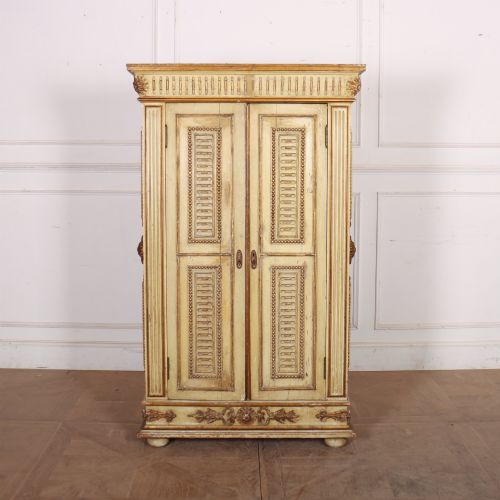
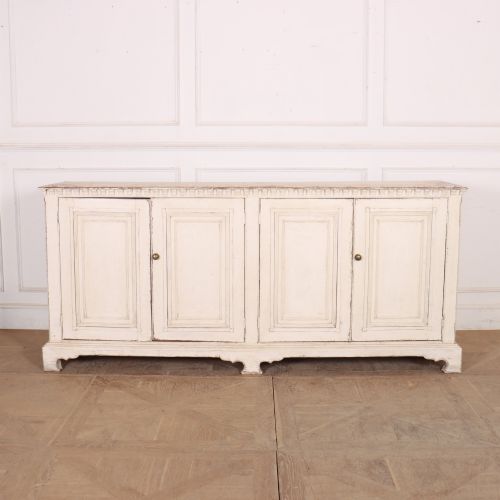


Cream Wooden Cupboard
These cream wooden cupboard pieces span centuries of regional domestic storage, offering painted character and practical shelving for country houses.
Cream Wooden Cupboard
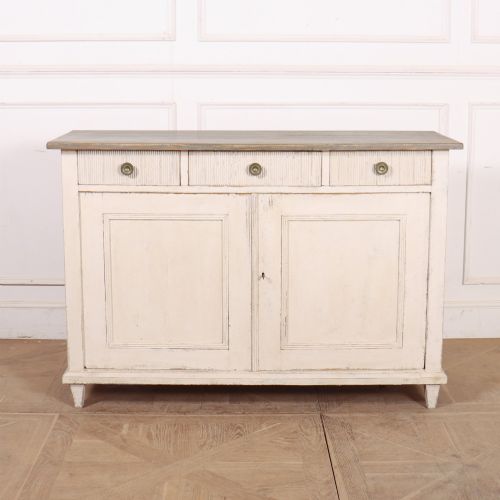
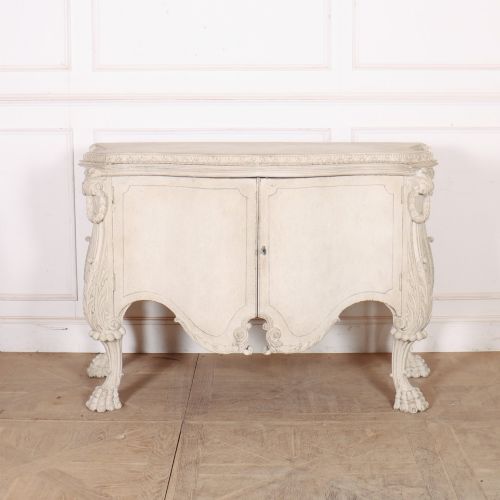
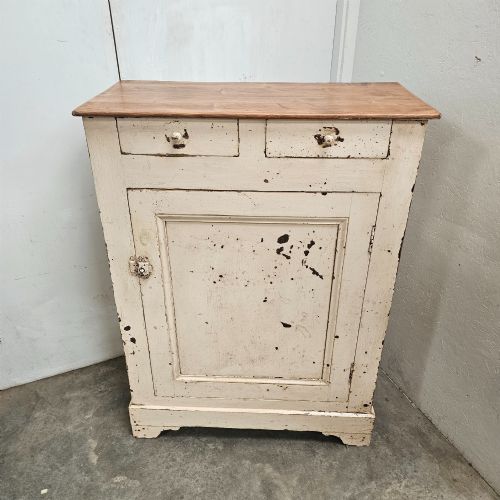
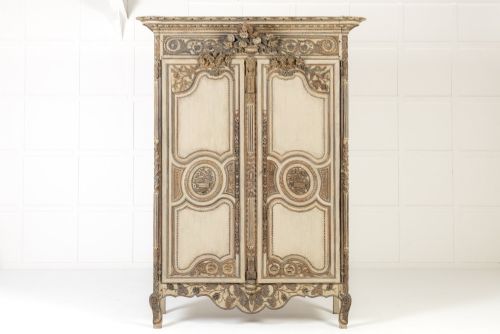
A cream wooden cupboard covers a wide variety of domestic storage forms, from tall housekeeper's cupboards and armoires down to bedside tables and small confectioner's cabinets. These items originate across England, France, Italy, and Scandinavia, reflecting diverse regional tastes in provincial furniture.
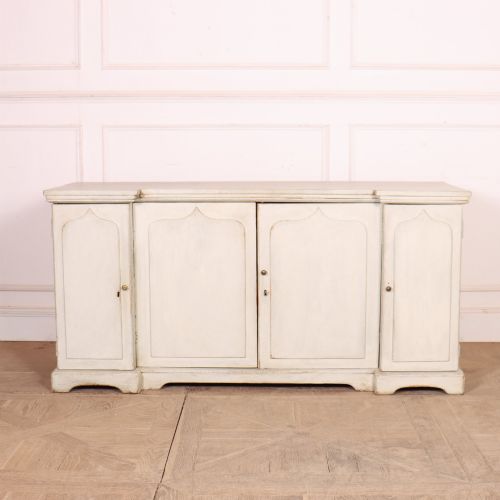
The pieces on this page lean heavily into painted country styles, including English Country, French Provincial, and Italian Rococo designs. Buyers searching for a cream wooden cupboard encounter everything from grand breakfront dresser bases to intimate bedside cupboards finished in historic paint.
How they were made
Pine and general wood form the primary structural carcasses of these pieces, often combined with painted finishes that have matured over generations. Workshops utilised iron and brass hardware such as hinges and handles to secure doors and drawers.
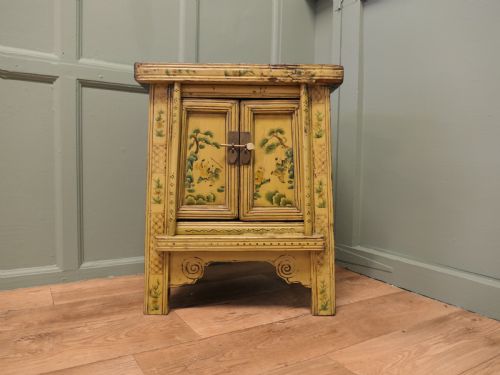
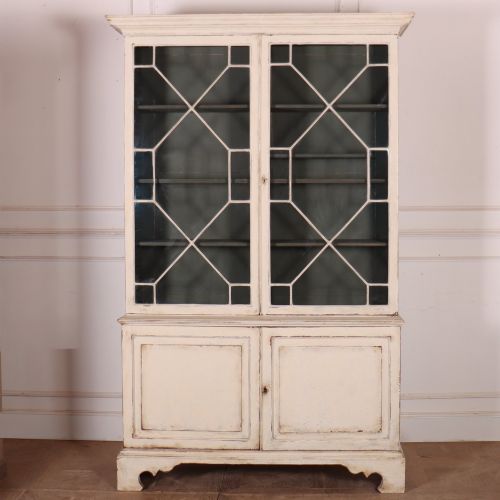
Surface decoration relies on layers of paint, sometimes featuring specific motifs like Chinoiserie ornamentation rather than simple monochrome coats. Glazed panels incorporate glass into bookcases and display cabinets, balancing solid timber construction with lighter visual display elements.
Listings feature pieces spanning the eighteenth, nineteenth, and early twentieth centuries, utilising pine, painted wood, and brass.
What varies in quality
The distinction between ordinary and superior pieces rests in the integrity of the original timber frame and the depth of the painted surface. Authentic age shows in the natural wear of painted wood and the harmonious proportions of regional styles like George III or French Chateau.
Construction details such as dovetailed drawers, properly hung doors, and untouched brass or iron hardware elevate certain items above standard utility furniture. The sophistication of surface decoration, ranging from simple country coats to elaborate Chinoiserie schemes, dictates the aesthetic tier of the piece.
The Cream Wooden Cupboard Glossary
- Armoire
- A tall wardrobe or cupboard used primarily for hanging or storing garments. These large pieces often feature panelled doors and substantial cornices.
- Confiturier
- A small French jam cupboard designed for domestic storage in provincial kitchens. They typically stand at a modest height with a single door and drawer.
- Enfilade
- A long sideboard or buffet featuring a sequence of doors or drawers across the front. This form originated in grand dining spaces for serving food.
- Housekeeper's cupboard
- A large storage unit traditionally utilised in country houses for linen and dry goods. They usually combine upper shelving with lower drawers or cupboards.
- Waterfall bookcase
- A set of open shelves where the sides step back progressively from top to bottom. This style gained popularity during the late eighteenth century.
Cream Wooden Cupboard: Frequently Asked Questions
What is a housekeeper's cupboard?
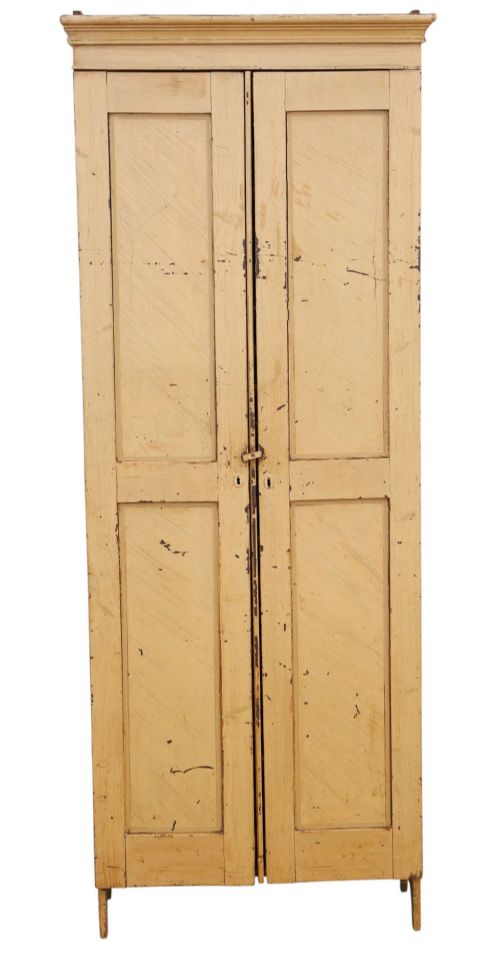
A housekeeper's cupboard is a large storage piece traditionally used in country houses to store household linens, dry goods, and domestic supplies. These tall items often combine upper shelving sections with lower bank drawers or enclosed cabinet space.
Buyers usually place them in large kitchens or hallways where their substantial proportions provide significant storage capacity. Their presence brings an authentic utilitarian character to domestic interiors.
How do I style a painted cupboard?
A painted cupboard serves as a focal point in rooms ranging from rustic kitchens to formal living areas. Their neutral cream tones allow them to sit comfortably against various wall colours while adding textural depth through historic finishes.
Pair these pieces with natural timber floors and simple furnishings to highlight their provincial origins. They function effectively for storing tableware, books, or linens while keeping everyday clutter concealed.
Are these pieces made of solid pine?
Many provincial cupboards and cabinets utilise pine as their primary structural timber beneath layers of historical paint. Regional workshops selected readily available softwood for domestic furniture intended for everyday household use.
Solid wood construction ensures these items remain sturdy after centuries of domestic service. The interaction between the underlying timber and aged paint creates the distinctive surface character desired by collectors.
How do I tell regional styles apart?
Regional styles reveal themselves through distinct architectural proportions and decorative choices specific to their country of origin. French provincial pieces often display softer curved lines and rococo influences, while English country items prioritize functional utility and simpler joinery.
Scandinavian and Italian examples introduce specific variations in cornice mouldings and paint palettes. Examining these structural details helps identify the geographic workshop tradition behind each cabinet.