
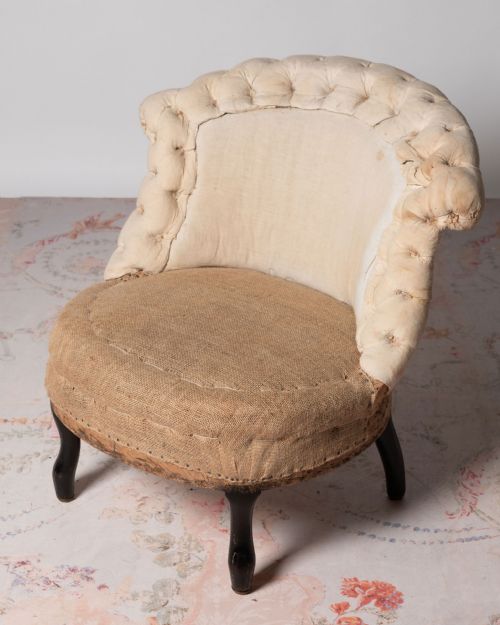


Cream Upholstery Armchair
A cream upholstery armchair brings subtle texture and quiet elegance to a room, offering a comfortable seat shaped by history.
Cream Upholstery Armchair
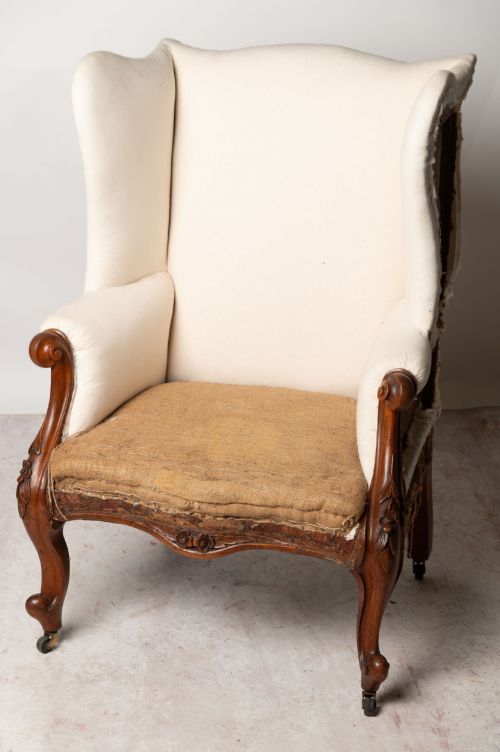
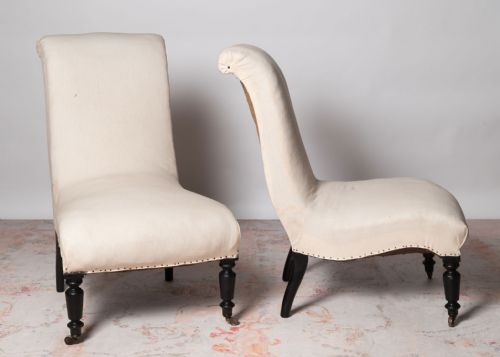
A cream upholstery armchair is a seating piece found across several periods, from the eighteenth century through Victorian and Edwardian eras into the nineteen thirties. These chairs appear in various forms, including wingback designs, slipper chairs, deep seated country house models, and library chairs.
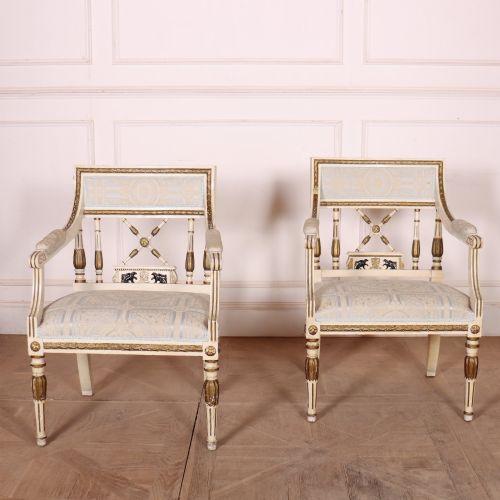
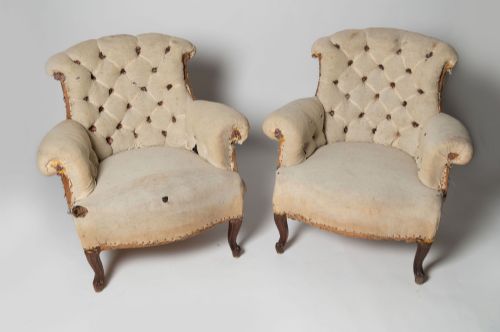
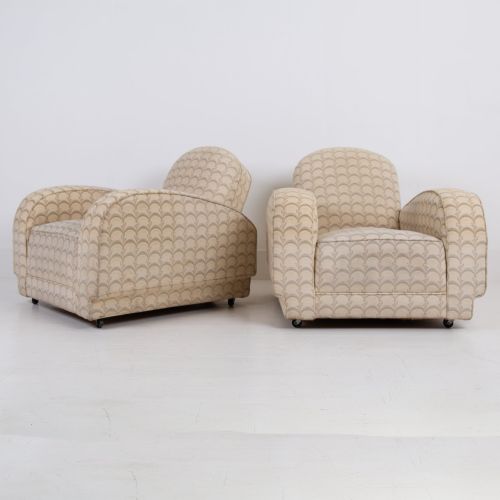
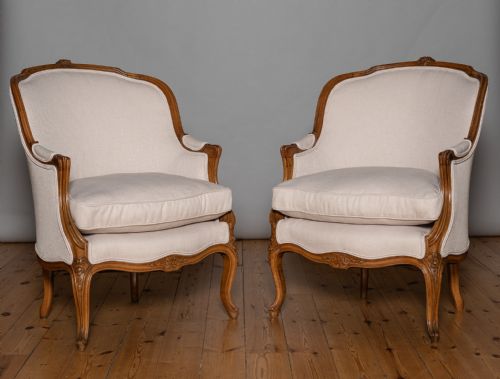
The styles range widely across these examples, featuring French Louis XV, French Napoleon III, Swedish Empire, Art Deco, and Victorian Rococo Revival aesthetics. Many of these chairs are offered in pairs, alongside single armchairs and lounge suites.
Buyers seeking a cream upholstery armchair will encounter frames constructed from timber, walnut, mahogany, beech, and rosewood. Several pieces listed here arrive ready in calico or feature needlework and damask covers.
How cream upholstery armchairs were made
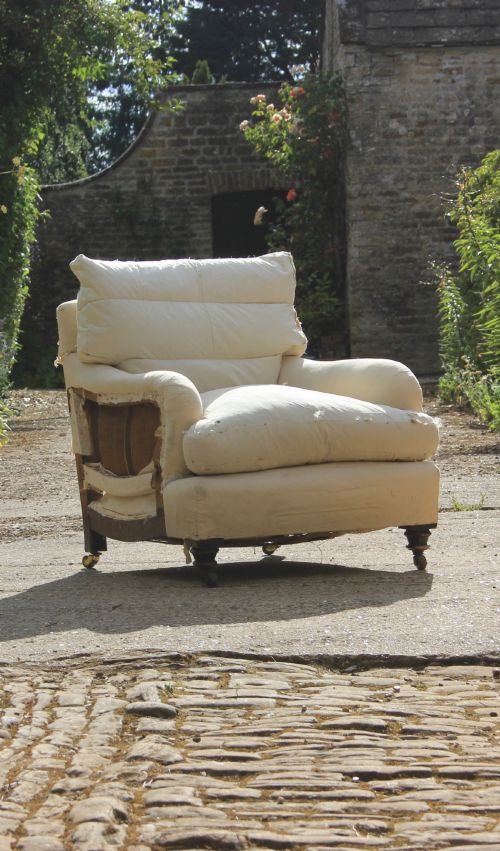
Makers shaped structural frames from hardwoods such as walnut, mahogany, beech, and rosewood, often carving details into the timber by hand. Some frames display painted finishes or exposed brass elements, while others are built down to the calico stage for custom covering.
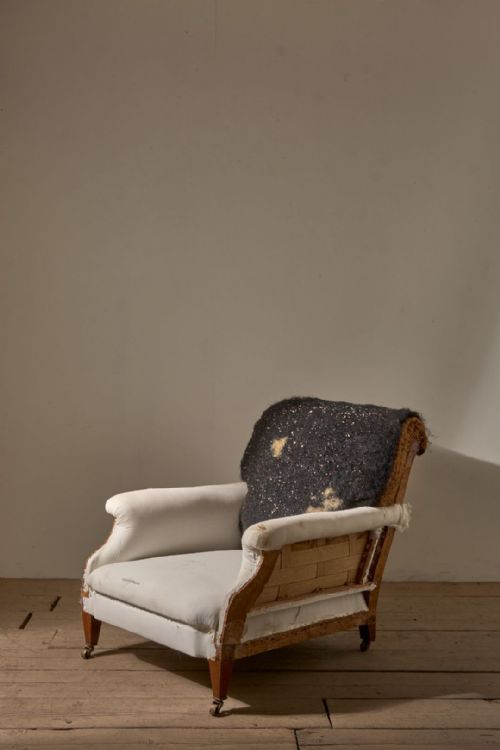
Traditional upholstery techniques involved internal stuffing supported by hessian and cotton webbing, secured with brass tacks. Over this foundation, top fabrics including damask, cotton, and needlework were fitted to the chair body.
Several armchairs rest upon carved lion paw feet, adding a touch of botanical ferocity to the parlour.
What varies in quality in cream upholstery armchairs
The refinement of the wooden frame construction and the depth of hand carving distinguish superior examples from simpler pieces. Heavy proportions and robust timber framing, such as carved walnut or rosewood, denote a higher grade of manufacture.
The integrity of the internal stuffing and the precision of the fabric application determine the overall finish of the seating. Pieces that retain high quality textile covers or well executed buttoned backs demonstrate greater attention to detail.
Howard and sons·Hamptons and sons·Gillows
The Cream Upholstery Armchair Glossary
- Calico
- A plain woven cotton fabric often used as an interim upholstery cover before a final top textile is applied. This material provides a neutral foundation for the chair.
- Hessian
- A coarse woven fabric typically made from jute fibres, utilised inside traditional upholstery to support internal stuffing and springs. It forms the hidden structural layers of the seat.
- Wingback
- An armchair style featuring protective side panels attached to the arms and back to block draughts. This form dates back centuries and remains popular for fireside seating.
- Slipper chair
- A low seated upholstered chair originally designed for bedchambers to assist with putting on footwear. These pieces generally lack arms and sit close to the floor.
- Library chair
- A comfortable armchair traditionally placed in a study or library for reading. These seats often feature substantial padding and sturdy timber frames.
Cream Upholstery Armchair: Frequently Asked Questions
What periods do these armchairs come from?
The pieces span multiple centuries and eras, including the eighteenth century, the regency period, and the nineteenth century. Victorian and Edwardian examples appear alongside nineteen tens, nineteen twenties, and nineteen thirties designs.
Design influences stretch across various regional traditions, taking cues from French, Swedish, and English cabinet makers. Each era contributes distinct proportions and decorative treatments to the frame.
What materials make up the frames and covers?
Frames utilise timbers such as walnut, mahogany, beech, rosewood, and general wood timber. Brass fittings occasionally appear on feet or castors.
Upholstery materials include calico, cotton, hessian, damask, and needlework fabric. Many chairs feature exposed wood framing while others are fully upholstered.
How do I care for cream upholstery?
Keep fabric covers clean by gentle vacuuming with a soft brush attachment to remove dust and surface particles. Address spills promptly using appropriate cleaning methods suited to the specific textile.
Protect the timber frame by avoiding direct sunlight and maintaining steady indoor humidity levels. Natural wood polishes help preserve polished walnut, mahogany, or rosewood surfaces.
Are these armchairs sold in pairs?
Several listings offer matching pairs of armchairs or slipper chairs, while others are available as single pieces. Certain pairs can also be purchased separately depending on the listing terms.
Lounge suites combining sofas and armchairs occasionally appear among the available options. Check individual descriptions to confirm whether pieces are sold together or individually.
What styles are represented here?
The selection includes Victorian, Edwardian, and Art Deco designs alongside regional interpretations. French influences appear through Louis XV style and Napoleon III examples.
Other pieces reflect Swedish Empire aesthetics, Rococo Revival ornamentation, and traditional English wing chair forms. Woodstock and Howard styles also feature among the selections.