


Cream Silk Textile Panel
A cream silk textile panel brings tactile history into a room, offering intricate embroidery and woven design from various global traditions.
Cream Silk Textile Panel
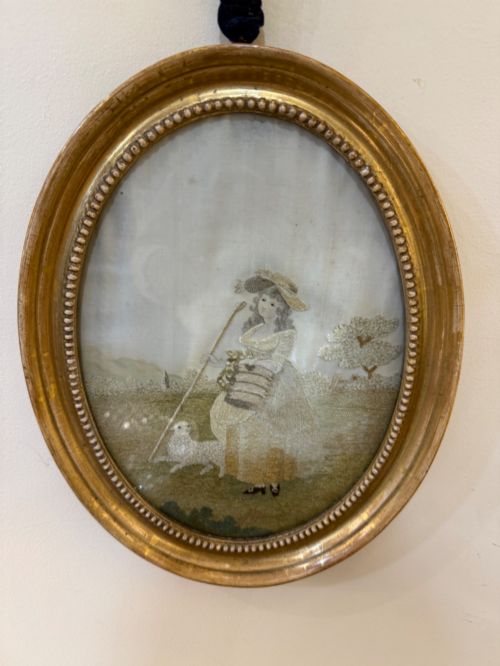
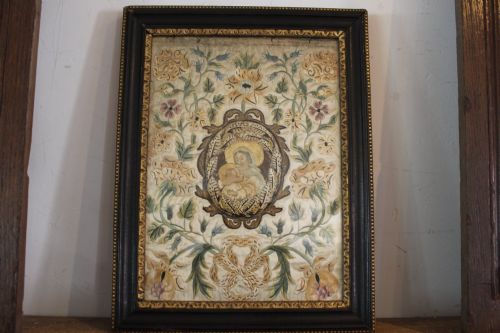
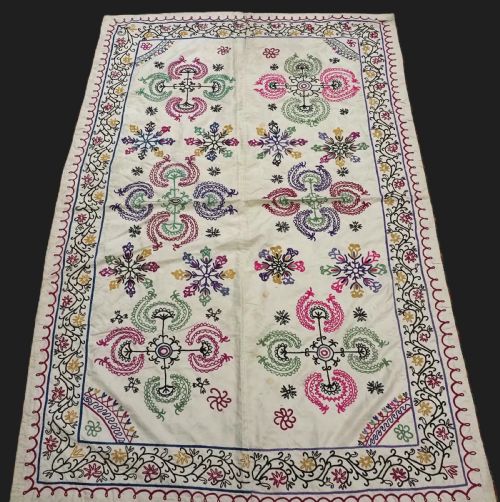
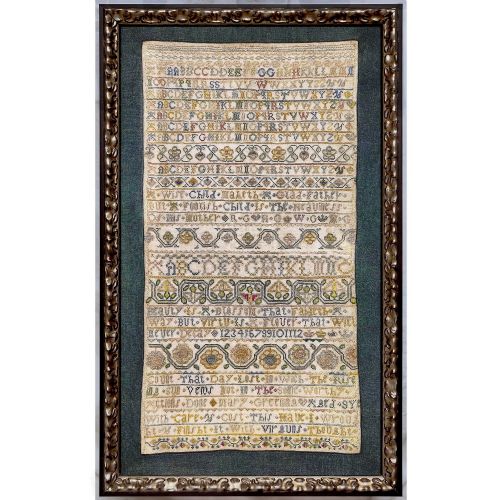
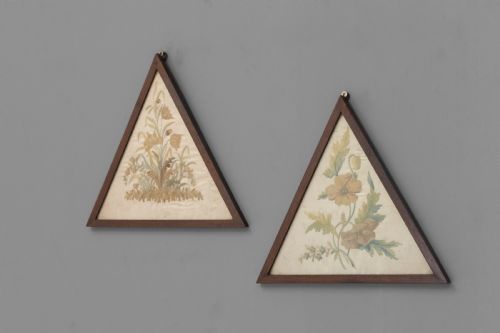
A cream silk textile panel spans several centuries and geographic origins, encompassing Central Asian needlework, English samplers, and Chinese embroideries. When exploring this selection, buyers encounter everything from large wall hangings to framed fragments.
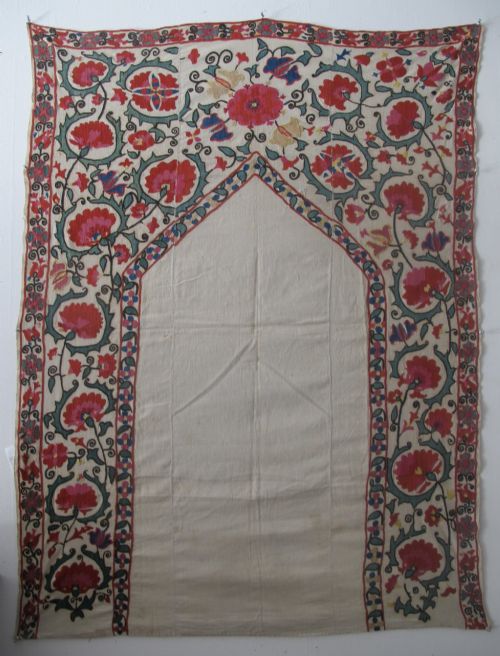
Central Asian suzanis dominate the forms available, originating from regions such as Bokhara, Samarkand, and Uzbekistan. These pieces frequently employ vibrant embroidery on a light ground, alongside European needlework pictures and French wall hangings.
Origins range from the seventeenth century through to the early twentieth century, incorporating Georgian samplers and Ottoman textiles. Each object functions as wall art, often mounted or framed for display.
Materials and construction
Makers utilised silk as the primary ground and embroidery thread, frequently combining it with cotton, linen, and metallic thread. Supporting structures sometimes integrate wood and giltwood for framing.
Needlework techniques vary from traditional hand embroidery on suzanis to complex lampas weaving seen in European lengths. Artisans worked detailed motifs by hand, incorporating glass elements and varied stitch densities.
Mary Greening and Mary Street left their names stitched forever into Georgian samplers, ensuring modern historians know exactly who held the needle.
Evaluating the standard of execution
The precision of the needlework and the complexity of the design separate standard pieces from exceptional examples. Dense, meticulous stitching indicates higher execution skill by the maker.
Preservation of the delicate silk ground and metallic threads influences the overall integrity of the textile. Compositional balance and the clarity of regional motifs further distinguish superior works.
Iida Takashimaya Company
The Cream Silk Textile Panel Glossary
- Suzani
- An embroidered tribal textile from Central Asia, traditionally worked in silk on a cotton or silk ground. These large panels were often made as part of a bride's dowry.
- Sampler
- A piece of needlework produced as a demonstration or test of skill, frequently featuring alphabets, numbers, and motifs. English examples often include the maker's name and a date.
- Lampas
- A complex woven fabric featuring a pattern formed by weft floats on a ground weave, often utilising metallic threads. This technique produced rich decorative textiles in Europe.
- Rank badge
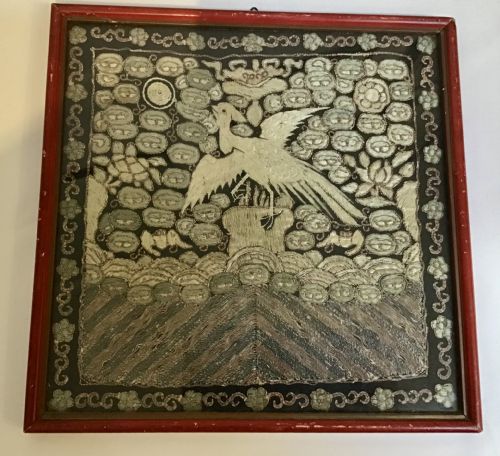
- A square embroidered patch indicating official status in imperial China, typically depicting birds or animals. These panels demonstrate fine silk needlework.
- Nim-suzani
- A smaller version of a traditional Central Asian suzani, sharing the same embroidery styles and regional motifs but on a reduced scale.
Cream Silk Textile Panel: Frequently Asked Questions
What is a suzani panel?
A suzani is an embroidered textile originating from Central Asian regions like Uzbekistan and Bokhara. They feature bold floral and geometric designs worked in silk.
Traditionally created by brides, these panels served as domestic wall hangings or covers within nomadic and settled households.
How were antique textile panels used?
Historic textiles served multiple domestic and ceremonial purposes, ranging from decorative wall hangings in European homes to dowry furnishings in Central Asia.
Today, collectors mount and frame these panels to protect the delicate silk fibres while displaying them as wall art.
How do I date a silk panel?
Dating relies on stylistic analysis, material composition, and regional embroidery characteristics. Seventeenth and eighteenth-century pieces often show distinct stitching patterns compared to later Victorian or Edwardian works.
Inscribed samplers frequently provide explicit dates and the names of the makers who worked them.
How do I care for antique silk?
Preserving historic silk requires mounting the textile away from direct sunlight to prevent fading and fibre degradation. Keeping panels behind protective glass helps shield them from dust and ambient moisture.
Professional mounting ensures the weight of the textile is distributed evenly across the backing material.