


Cream Settee
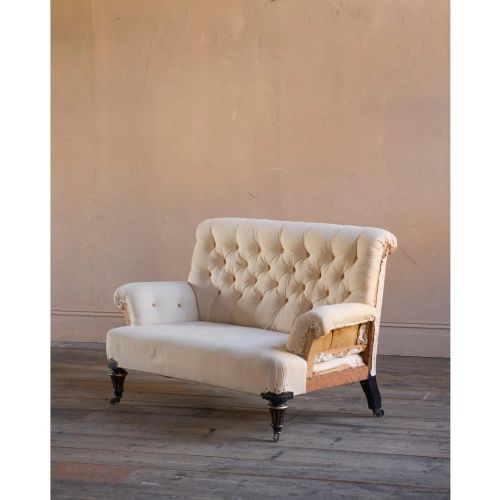
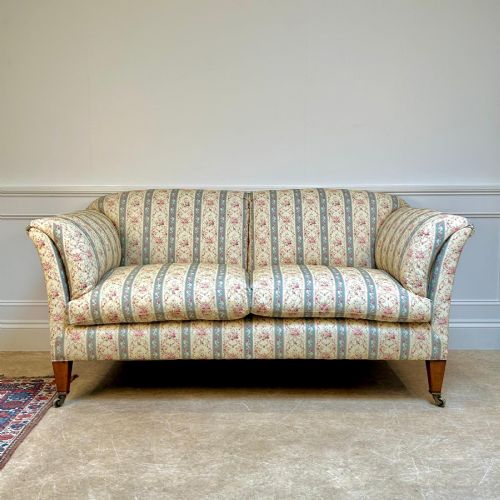
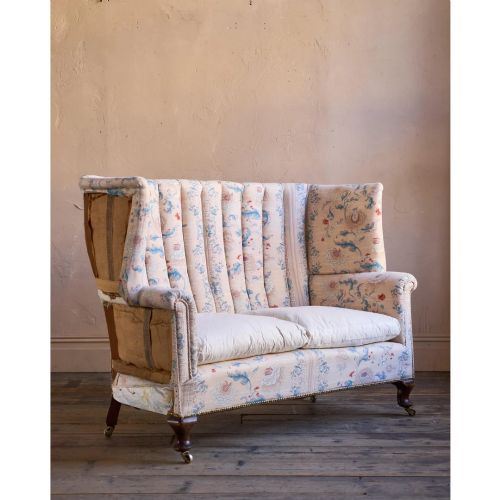
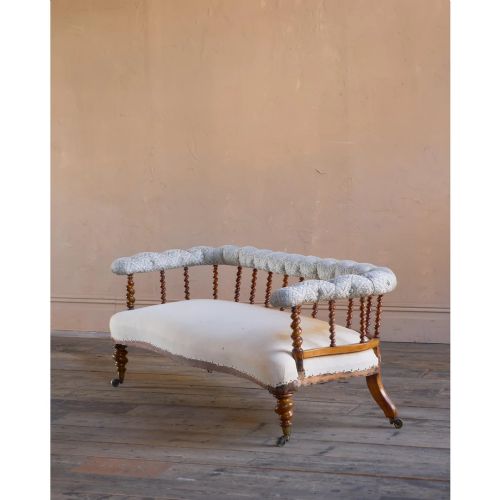
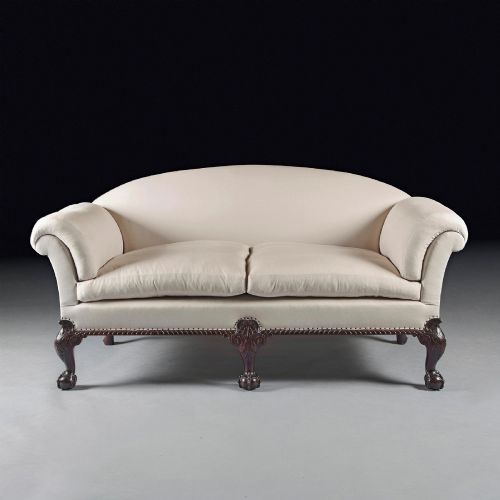
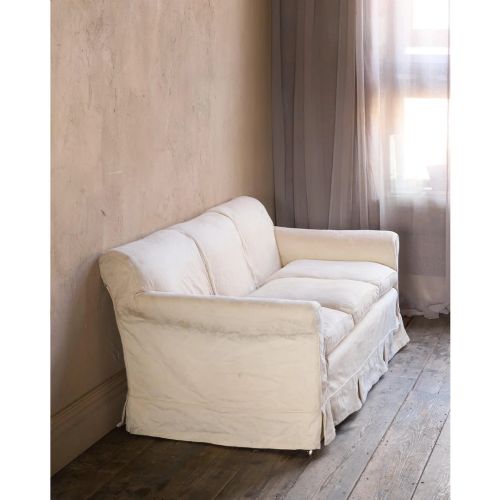
A cream settee brings period seating into a room, spanning styles from Victorian mahogany frames to Art Deco cloud suites.
Cream Settee
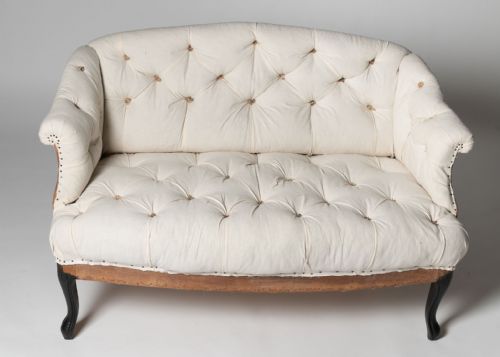
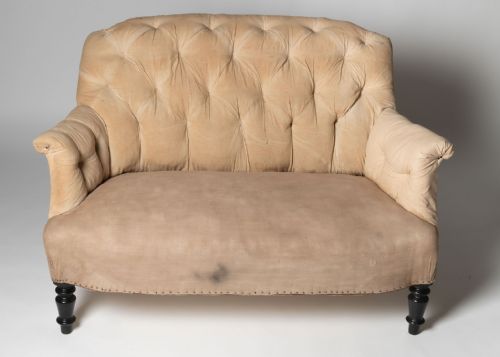
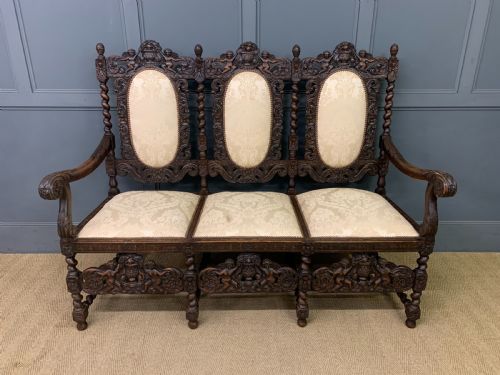
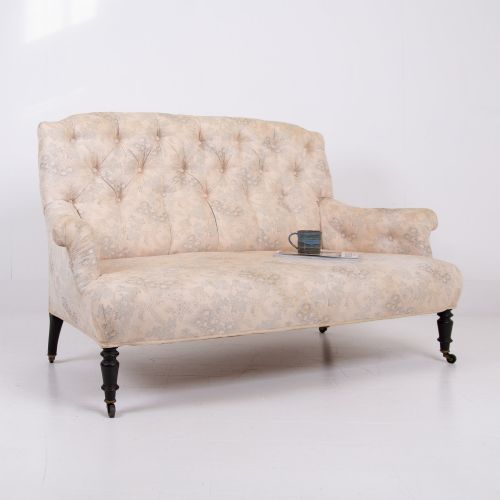
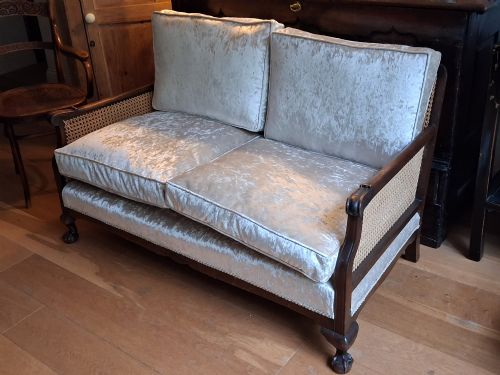
A cream settee encompasses a range of seating forms, including French bergères, Chesterfield sofas, and salon settees. These pieces date from the eighteenth century through to the Art Deco period, utilising wood frames dressed in light textiles.
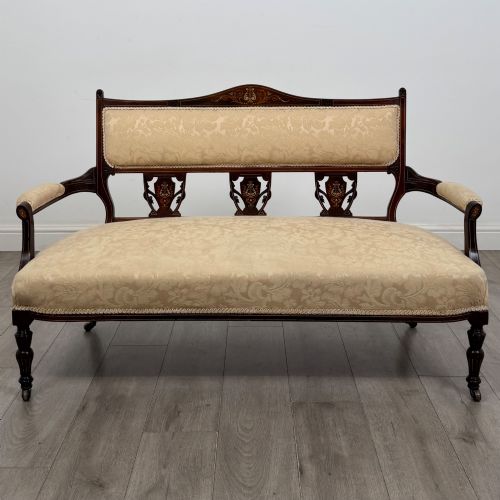
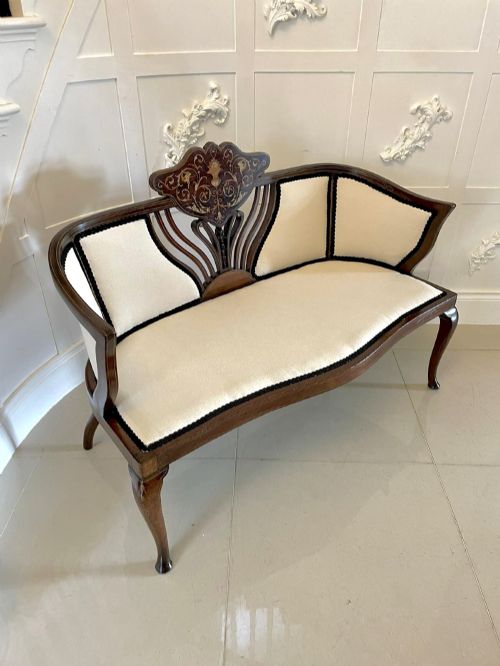
The selection on this page leans toward nineteenth-century Victorian designs alongside twentieth-century Edwardian and Art Deco examples. Buyers encounter varied timber frames paired with calico, linen, and leather upholstery.
Origin points span English workshops, French studios, and Swedish makers, offering different interpretations of classic seating. Forms scale from compact two-seater settees to large Chesterfield sofas.
How They Were Made
Frames rely on hardwoods such as mahogany, walnut, rosewood, and satinwood, often shaped through bending or carving. Joinery methods support structural stability across intricate backs and arms.
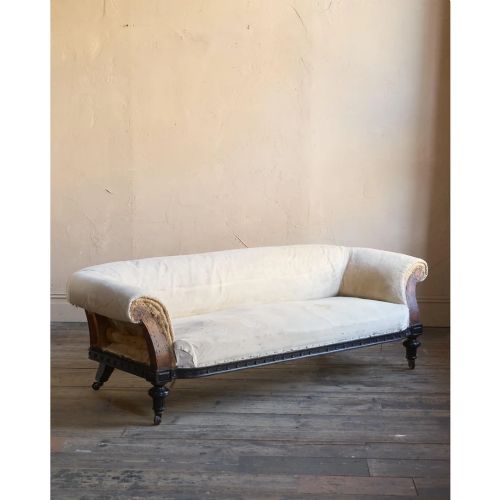
Upholstery employs traditional materials including calico and linen, sometimes supplied ready for custom leather finishing or fabric application. Canework and gilded parcel details frequently accent the woodwork.
Cream Settee Retail Price Guide 2026
Typical asking prices for cream settee among the pieces listed under this phrase on Sellingantiques today, from the lower quarter to the upper quarter. They describe what is for sale here now, not the wider market.
Some nineteenth-century settees hide their joinery so thoroughly that even the ghosts of Victorian housemaids cannot spot a screw.
What Varies in Quality
Execution of the frame carving and inlay work dictates the refinement of a piece, distinguishing standard production from exceptional cabinetmaking. Superior examples display precise joinery and balanced proportions.
The integrity of secondary materials, from cane panels to ormolu mounts, shapes the overall distinction of the item. Original upholstery foundations and frame timber selection further divide the standard range from collector pieces.
Howard And Sons·C Hindley And Sons·Jackson And Graham·Harry And Lou Epstein·Butlers Of Dublin
The Cream Settee Glossary
- Bergère
- An enclosed upholstered armchair or small sofa with wooden frames and cane work panels. These French seating forms appeared frequently in nineteenth-century designs.
- Chesterfield
- A large deep-buttoned sofa characterised by arms and back of the same height. These heavy seating pieces often feature leather or linen upholstery.
- Bentwood
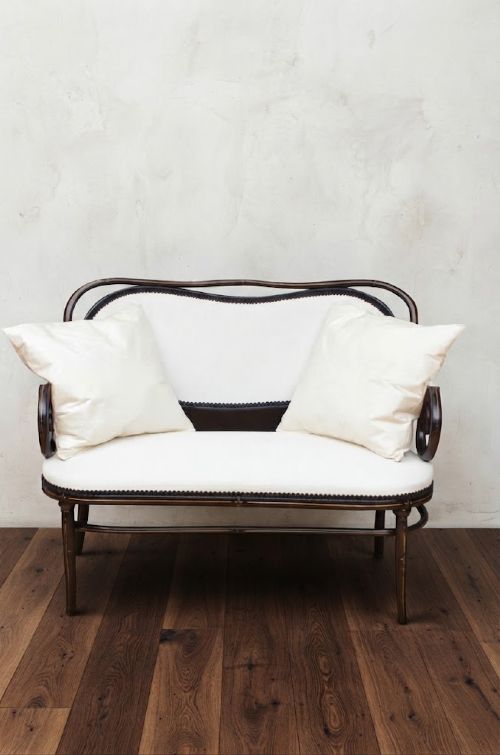
- Wood softened by steam and bent into curved structural shapes. This technique defines specific nineteenth-century seating forms.
- Ormolu
- Gilded bronze mounts applied to furniture frames for decorative effect. These metallic details appear on revival pieces from the nineteenth century.
Cream Settee: Frequently Asked Questions
How do I identify a Victorian settee?
Victorian settees display dense timber frames like mahogany or walnut, often featuring buttoned upholstery or carved details. Look at the structural proportions and wood finishing to gauge the period.
Many examples incorporate revival styles influenced by earlier centuries while maintaining nineteenth-century construction methods.
What is an Art Deco cloud suite?
An Art Deco cloud suite comprises seating designed with rounded, voluminous upholstered sections popular during the 1930s. These pieces often utilise polished woods like palisander for the base.
The distinct curved silhouette separates them from earlier angular Victorian and Edwardian forms.
Can I reupholster an antique settee?
Many antique settees arrive upholstered in plain calico or linen specifically to allow custom fabric selection. This practice lets buyers match existing room decor.
Traditional frames accommodate new textiles while preserving the underlying woodwork and structural integrity.
What defines a French salon sofa?
French salon sofas typically feature painted or gilded wood frames carved in Louis styles or later revivals. Cane panels and exposed woodwork are common characteristics.
These lighter seating forms function well in formal reception spaces and drawing rooms.