






Cream Satsuma Dish
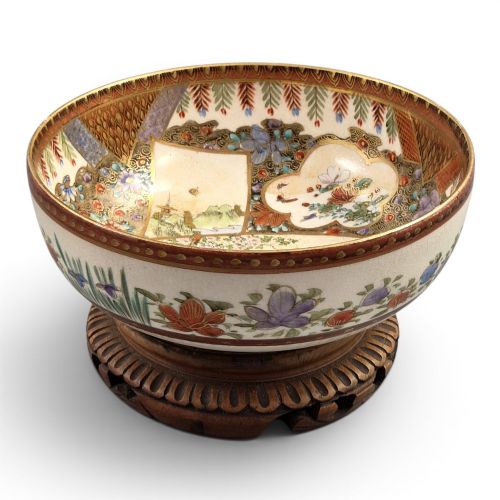
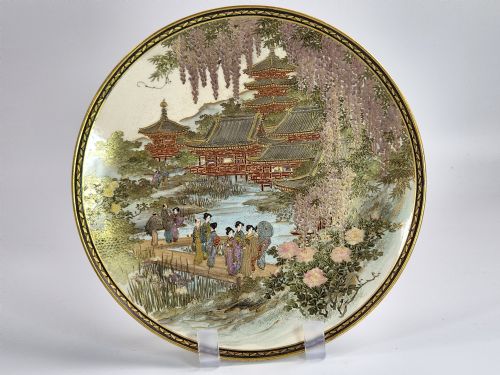
A cream satsuma dish is a painted earthenware vessel carrying the pale crackled glaze of Japanese ceramic tradition, prized for intricate hand-painted detail.
Cream Satsuma Dish
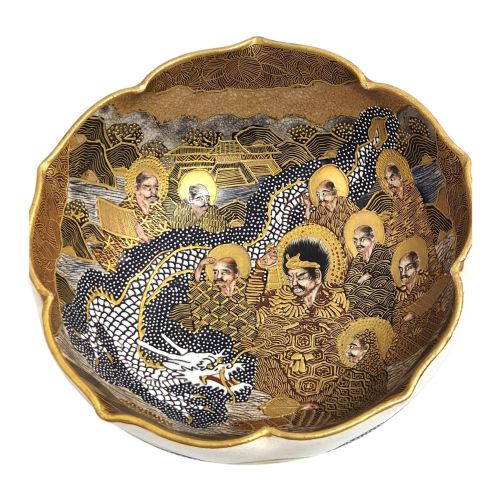
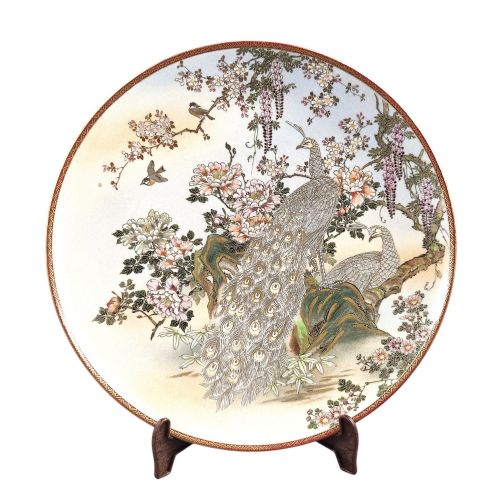
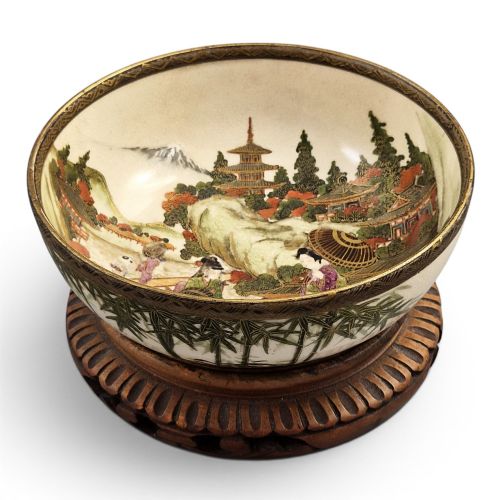
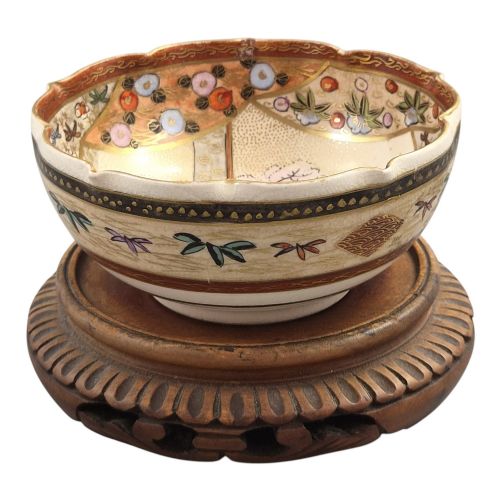
A cream satsuma dish encompasses earthenware vessels created primarily during the Meiji period, featuring the distinctive pale ground associated with Satsuma ware. These pieces range from small bowls and shallow dishes to large chargers and decorative plates.
Collectors frequently encounter Meiji period pieces decorated with intricate scenes of multi-figures, birds, flowers, peacocks, wisteria, and peonies. Many items originate from Kyoto workshops or bear signatures and crests.
The forms span individual bowls alongside sets of plates, each displaying the characteristic fine crackle glaze that defines the category.
Materials and methods
Earthenware forms the body of each cream satsuma dish, providing a porous base that accepts the specialised glaze. Artisans apply enamel and gold leaf to build up complex pictorial scenes over the crackled surface.
Painting relies on precise brushwork to depict human figures, floral subjects, and avian motifs in minute detail. Gilding highlights specific elements of the design, contrasting against the pale earthenware ground.
Cream Satsuma Dish Retail Price Guide 2026
Typical asking prices for cream satsuma dish among the pieces listed under this phrase on Sellingantiques today, from the lower quarter to the upper quarter. They describe what is for sale here now, not the wider market.
Listings feature earthenware pieces decorated with enamel, gold leaf, and gilt, spanning the Victorian and Edwardian eras alongside the Meiji period.
Judging quality
Quality rests upon the refinement of the painting and the complexity of the subject matter, distinguishing simple floral patterns from multi-figure compositions with elaborate moriage relief work. The precision of the signature and the reputation of the maker also influence standing.
The fineness of the crackle in the glaze and the crispness of the enamel application mark superior pieces. Preservation of the gold leaf and enamel without rubbing indicates careful handling over time.
Koshida·Kozan·Nikko·Meizan
The Cream Satsuma Dish Glossary
- Satsuma ware
- Earthenware pottery originating from Satsuma province in Japan, known for its ivory-coloured crackle glaze and overglaze enamel decoration. It gained widespread popularity in the West during the late nineteenth century.
- Moriage
- A ceramic technique using piped clay slip to build up raised decorative patterns before glazing and firing. This creates a tactile, three-dimensional effect on the surface of the dish.
- Meiji period
- The era of Japanese history lasting from 1868 to 1912, marked by industrialisation and the export of decorative arts to international markets. Much of the finest painted ceramics date from this timeframe.
- Charger
- A large ornamental plate intended for display rather than dining use. These pieces often feature extensive pictorial narratives.
- Shimazu crest
- The mon or badge of the Shimazu clan, rulers of Satsuma domain, frequently found painted on the base of authentic pieces.
Cream Satsuma Dish: Frequently Asked Questions
What is a cream satsuma dish?
A cream satsuma dish is an earthenware ceramic piece featuring a pale crackled glaze and detailed enamel painting. These items were produced extensively in Japan during the late nineteenth and early twentieth centuries.
They serve primarily as decorative objects, showcasing traditional motifs such as flowers, birds, and figural scenes enhanced with gold leaf.
How do I care for my dish?
Dust these earthenware pieces gently with a soft, dry cloth to prevent accumulation. Avoid using water, liquid cleaners, or abrasive materials that can damage the delicate enamel and gold leaf.
Display the dish away from direct sunlight and sudden temperature changes to protect the historic glaze from stress.
Are these dishes safe for food?
These historical ceramics are intended for decorative display rather than culinary use. The porous earthenware body and lead-bearing enamels of the period make them unsuitable for serving food or drink.
Exhibition on a stand or flat surface preserves the fragile surface decoration from wear and chemical damage.
How do I identify a Meiji period piece?
Meiji period pieces often display characteristic signatures, artist marks, or the Shimazu crest on the underside. The style typically combines intricate polychrome painting with refined gilding on a pale crackled ground.
Examining the weight, the fineness of the potting, and the complexity of the narrative scenes helps confirm the era of production.