



Cream Mount Watercolour Art
Cream mount watercolour art brings together delicate pigment and paper framed by classic borders, offering historic scenes and portraits for the wall.
Cream Mount Watercolour Art
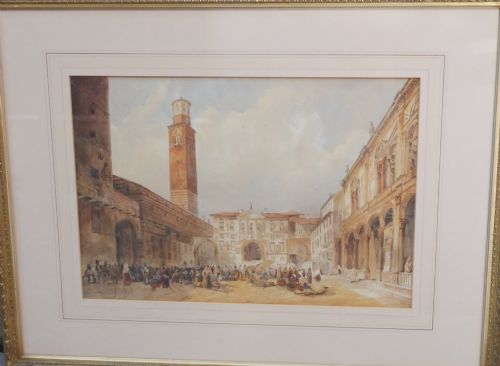
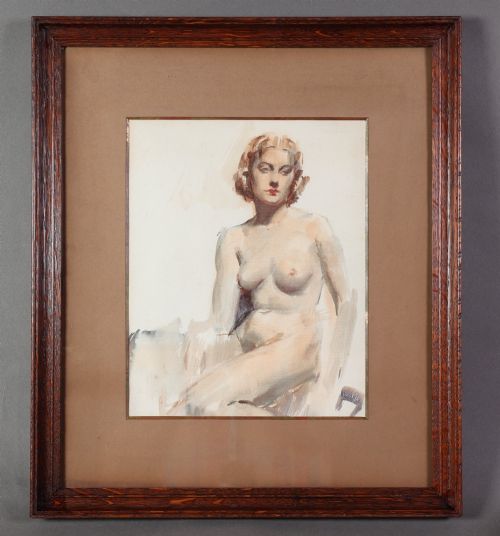
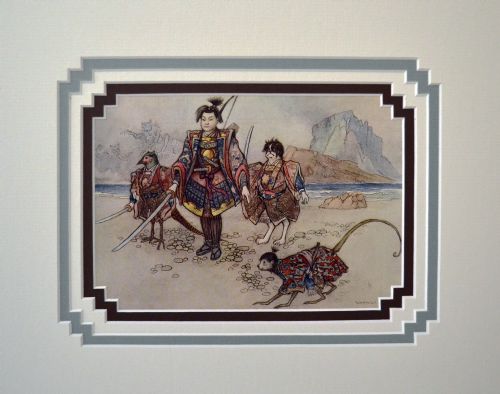
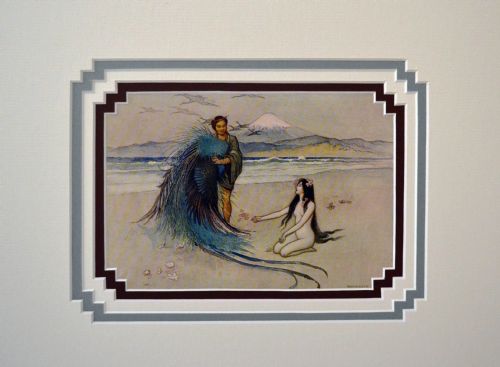
Cream mount watercolour art encompasses original paintings and early prints framed with neutral borders, drawing on periods from the nineteenth century through the mid-twentieth century. Buyers searching for cream mount watercolour art encounter works ranging from Victorian caricatures and Grand Tour architectural views to early twentieth-century illustrations and mid-century bird paintings.
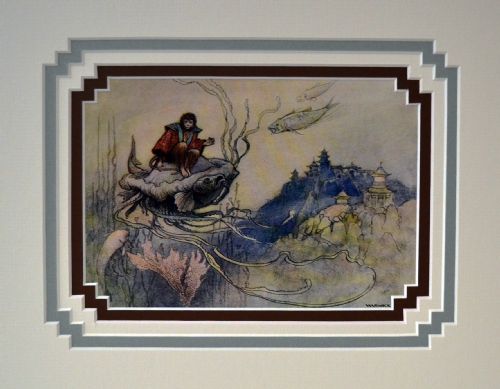
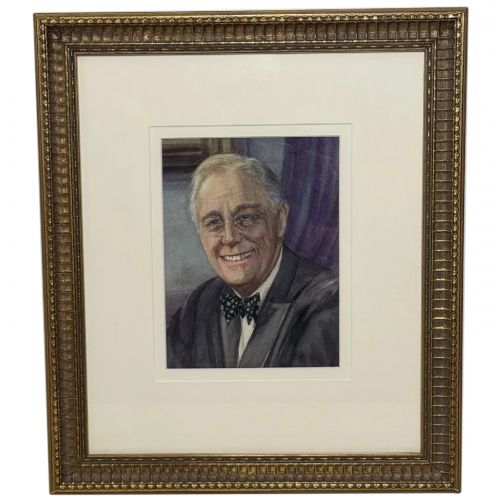
The selection on this page bridges several distinct stylistic movements, including British landscape traditions, Edwardian Japonisme, and continental European landmarks. Works span diverse subjects such as portraits, coastal scenes, and fairy tale illustrations, each set within traditional frames under glass.
Materials and construction
These works are executed in watercolour pigment upon paper supports, frequently enclosed behind glass within wooden frames finished with gilt or gold leaf. The framing process incorporates cream-toned mounting boards that provide a spatial buffer between the artwork and the protective glazing.
Artists utilised traditional watercolour techniques on absorbent paper stocks, while publishers produced early prints for bound volumes. Frames utilise timber constructions such as oak and gilt wood to house and preserve the works on paper.
Cream Mount Watercolour Art Retail Price Guide 2026
Typical asking prices for cream mount watercolour art among the pieces listed under this phrase on Sellingantiques today, from the lower quarter to the upper quarter. They describe what is for sale here now, not the wider market.
Duck-feeding scenes and fairies share wall space with stern portraiture, proving historic artists enjoyed a lighter side.
Factors of distinction
Quality in these works rests upon the precision of the brushwork, the expressiveness of the subject matter, and the attribution to a recorded hand or recognised school. Finer pieces demonstrate confident draftsmanship and sophisticated handling of pigment, whether in landscape topography or figurative caricature.
The condition of the paper support, the vibrancy of the remaining colour, and the integrity of the original frame and mount contribute significantly to the standing of each piece. Works bearing specific artist signatures or documented historical context command greater interest among collectors.
Warwick Goble·J. Hardy·Charles F. Tunnicliffe·Stanley Orchart·William Russell Flint·Karl Feiertag·Belisario Gioja·Alfred Rimmer·Earl Haig
The Cream Mount Watercolour Art Glossary
- Watercolour
- A painting method in which the paints are made of pigments suspended in a water-based solution. This medium allows for transparent washes of colour that rely on the reflective quality of the underlying paper.
- Mount
- A cardboard border placed inside the frame around a picture. The cream-coloured variants provide a neutral transition between the artwork and the outer frame.
- Grand Tour
- A traditional trip of Europe undertaken by upper-class European young men of sufficient means. Watercolours from this genre record classical ruins and foreign landmarks for travellers.
- Gilt wood
- Wood that has been treated with a thin layer of gold leaf or metallic powder. This finish adds a reflective border to framed artworks.
Cream Mount Watercolour Art: Frequently Asked Questions
How should I hang watercolour art?
Watercolour paintings and prints require placement away from direct sunlight to prevent the pigments from fading over time. Maintaining stable indoor humidity levels also protects the paper and the wooden frame.
Using picture hooks appropriate for the weight of the timber and glass ensures safe wall placement. Hanging them at eye level in principal rooms allows the fine details of the paper and mount to be appreciated.
What periods do these watercolours cover?
The works span from the nineteenth century through the 1950s, capturing Victorian sensibilities, Edwardian illustration, and mid-century British art. Each era brings distinct subjects, ranging from topographical views to fairy tale prints.
Tracing these periods helps collectors understand shifts in artistic styles and framing conventions. The timeline moves from detailed classical renderings to more expressive mid-century compositions.
Are these works original paintings?
The selection includes both unique hand-painted watercolours and period printed works, such as early edition illustrations. Titles specify whether a piece is an original painting or a print.
Original watercolours feature direct brushwork on paper, while printed items reproduce published illustrations from books. Both categories utilise cream mounts and traditional framing.
What framing materials are used?
Frames are constructed from wood, frequently featuring gilt finishes, gold leaf, or oak surrounds. Glass protects the delicate paper surface from dust and environmental wear.
The cream mount acts as a visual spacer between the glass and the artwork. This traditional combination preserves the paper while complementing the aesthetic of the period.