



Cream Glazed Pottery
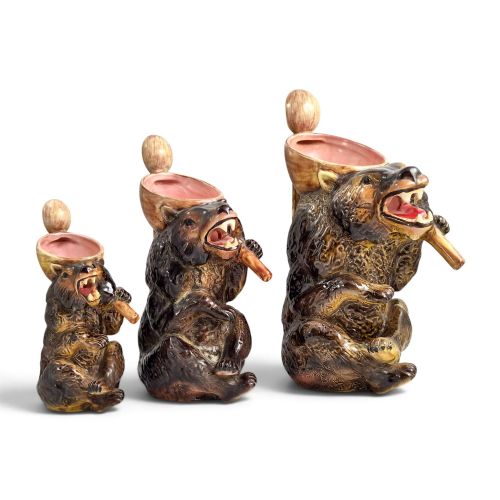
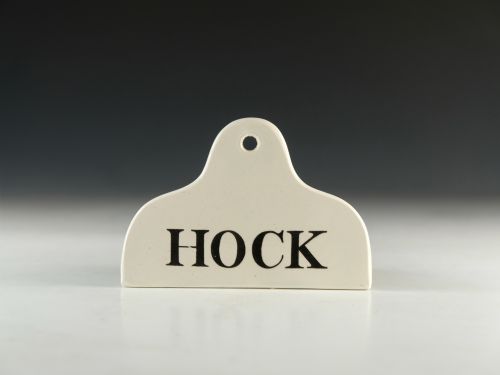
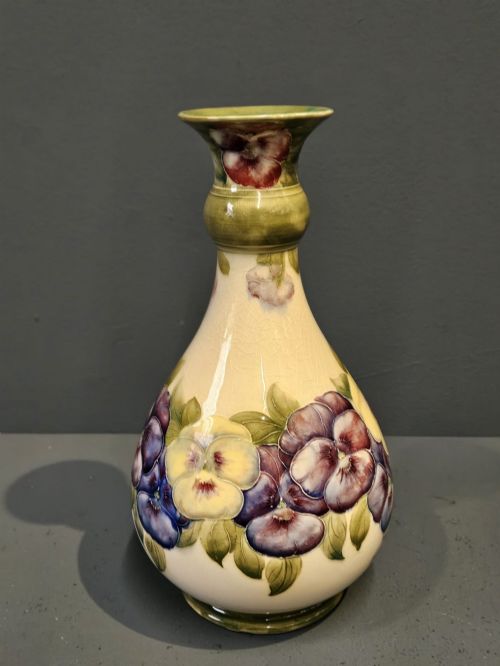
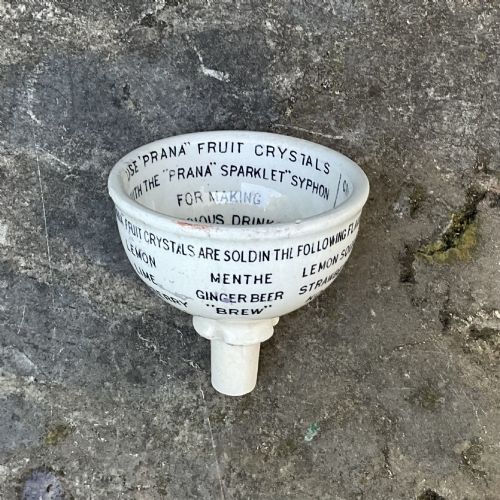
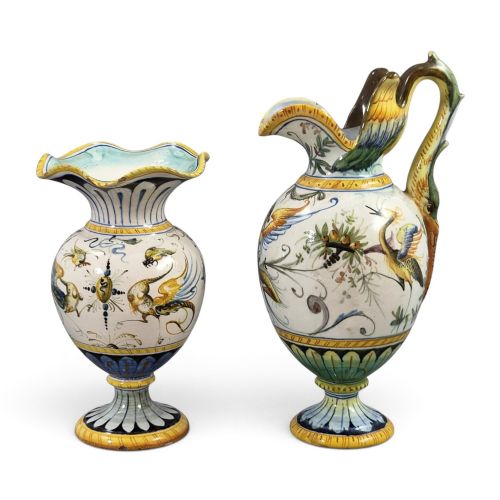
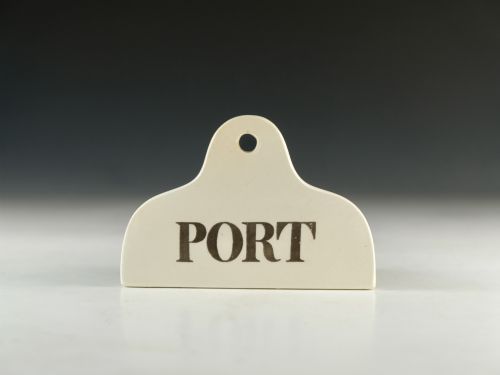
Cream glazed pottery brings together earthenware, stoneware and creamware vessels shaped across the nineteenth and twentieth centuries.
Cream Glazed Pottery
Cream glazed pottery spans utilitarian dairy vessels, jelly moulds and decorative jugs produced in Britain and continental Europe during the Victorian and Edwardian eras. These domestic and ornamental items rely on smooth, pale surfaces to highlight moulded relief details or painted motifs.
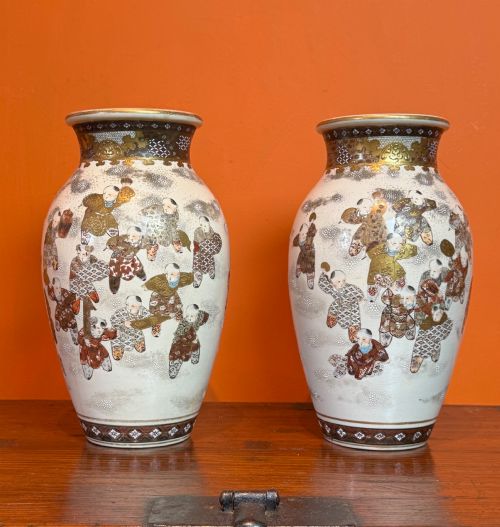
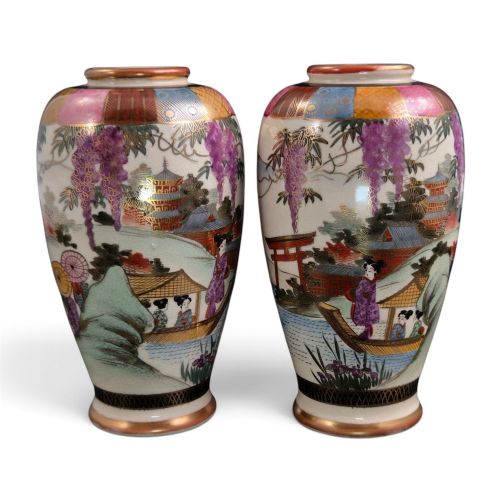
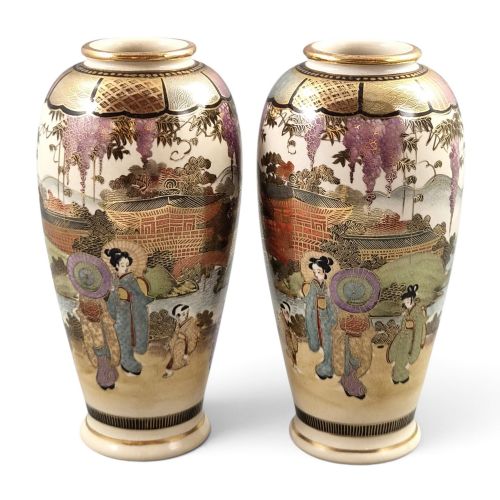
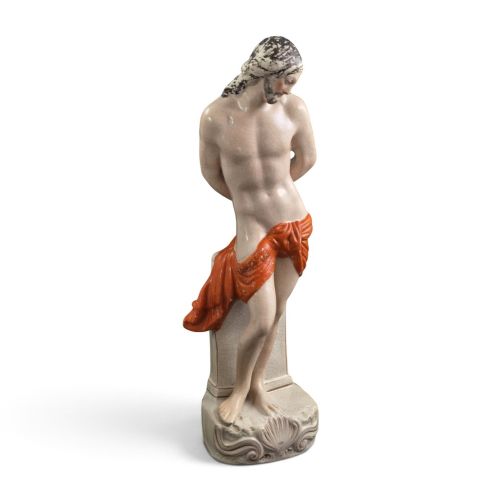
The pieces on this page also encompass Japanese Satsuma ceramics and Persian earthenware featuring pale grounds, alongside English Staffordshire figures and advertising flasks. Buyers encounter both utilitarian kitchenware and intricate cabinet pieces sharing a light-toned glaze.
Materials and methods
Potters formed these items from earthenware, stoneware and creamware bodies, shaping them on the wheel or casting them in moulds. The clay bodies were then coated in pale glazes before undergoing kiln firing.
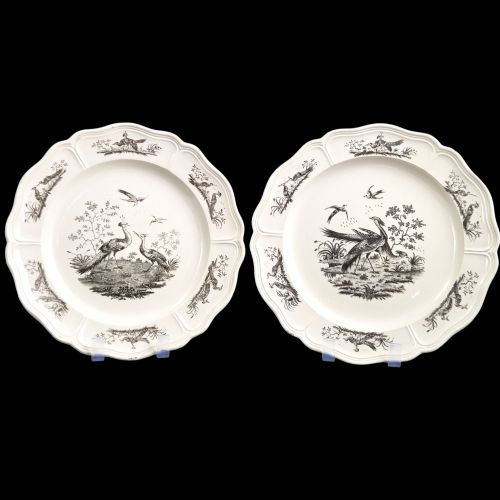
Decoration involved hand-painted enamels, applied relief figures, and transfer printing. Some domestic wares received simple salt glazes or lead glazes, while display pieces gained gold leaf and polychrome pigments.
Cream Glazed Pottery Retail Price Guide 2026
Typical asking prices for cream glazed pottery among the pieces listed under this phrase on Sellingantiques today, from the lower quarter to the upper quarter. They describe what is for sale here now, not the wider market.
A cow-shaped cream jug stands ready to pour milk directly from its pottery snout.
Distinctions in quality
Quality rests on the crispness of the moulded relief and the control shown in the glaze application. Pieces with sharp details and smooth, even surfaces sit at the top of the range.
Artistry in hand-painted enamel work and the reputation of the specific pottery or decorator separate standard domestic items from exceptional studio pieces.
Leeds Pottery·Seaton Pottery·Cantagalli Florence·Moorcroft McIntyre·Doulton Lambeth·Mann Co·Kinkōzan Workshop·Minton Hollins
The Cream Glazed Pottery Glossary
- Creamware
- A refined earthenware developed in the eighteenth century with a pale yellow or cream-coloured lead glaze. It became widely used for tableware and decorative plates.
- Earthenware
- Porous pottery fired at lower temperatures, requiring a glaze to become waterproof. It forms the body of many Victorian jugs, dairy bowls and figures.
- Stoneware
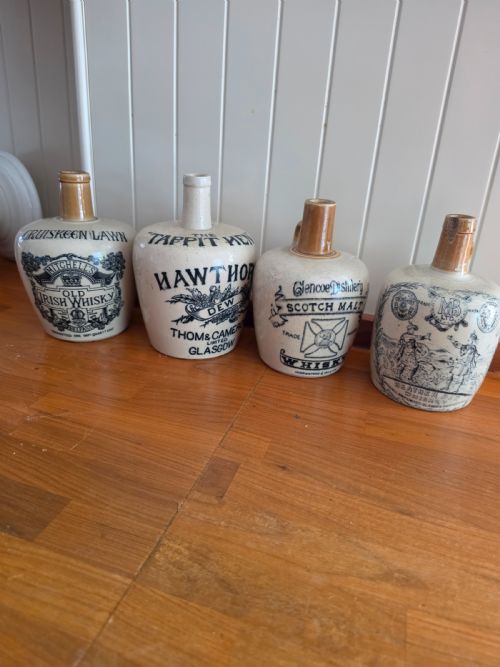
- A dense, vitrified ceramic fired at high temperatures until non-porous. It provides the durable body for nineteenth-century advertising flasks and utilitarian jars.
- Majolica
- Low-fired earthenware covered with an opaque tin-glaze and painted with brightly coloured metallic oxides. It appears on nineteenth-century ewers, salad bowls and decorative figures.
- Satsuma
- Japanese earthenware pottery featuring a crackle-glazed ivory ground decorated with enamels and gilt. Production flourished during the Meiji period for both domestic use and export.
Cream Glazed Pottery: Frequently Asked Questions
What is cream glazed pottery?
Cream glazed pottery covers ceramic objects finished with a pale, light-toned glaze across earthenware, stoneware and creamware bodies. These items range from utilitarian kitchen bowls to decorative vases and figures.
Production spans the eighteenth, nineteenth and twentieth centuries, originating from British potteries, European workshops and Japanese kilns.
How do I clean cream glazed pottery?
Clean these ceramics gently using warm water and mild soap with a soft cloth. Avoid abrasive sponges or harsh chemicals that can damage old glazes and enamel decoration.
Old earthenware can be porous, so avoid submerging cracked or unglazed sections in water for extended periods.
How can I tell Victorian pieces apart?
Victorian pieces often display characteristic nineteenth-century forms such as copper lustre jugs, moulded jelly moulds and transfer-printed dishware. Examining the base, weight and clay body helps determine the period.
Many nineteenth-century items carry maker stamps, registration marks or impressed workshop names that pinpoint their origin.
Were these items used daily?
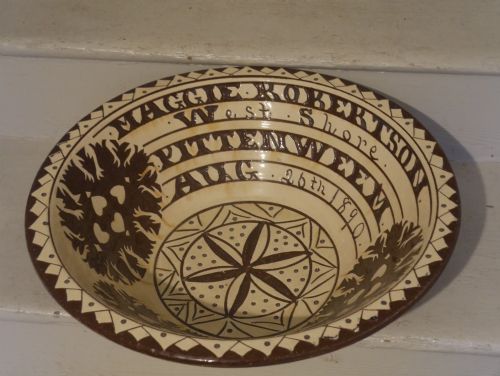
Many items on this page served practical household roles, including dairy bowls, butter dishes, mustard pots and advertising flasks. Other pieces, such as Satsuma vases and decorative figurines, were intended purely for display.
Domestic kitchenwares show signs of everyday wear, while ornamental cabinet ceramics often survive in pristine condition.