
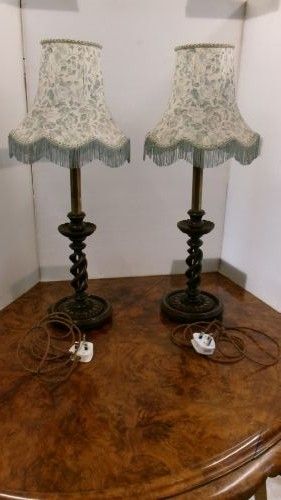


Cream Fringed Lamp Shades
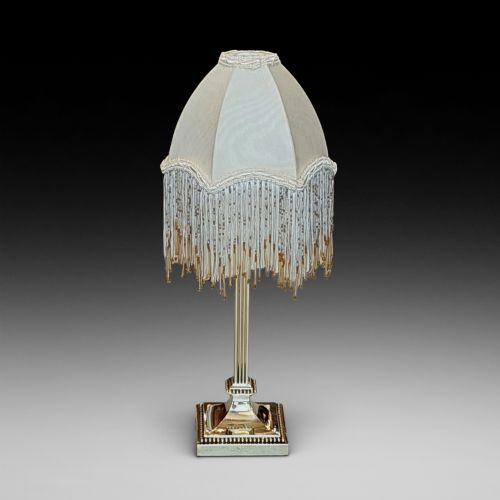
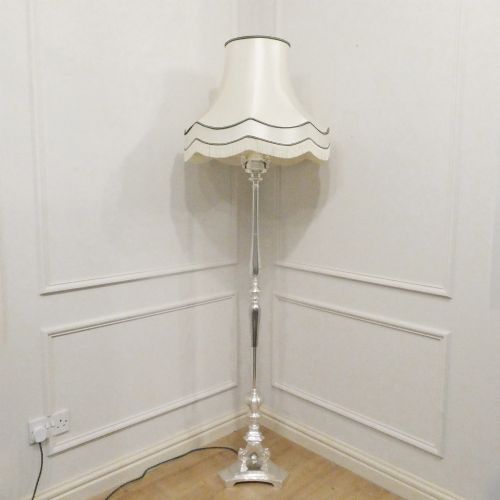
Cream fringed lamp shades sit atop period standards and table lamps, bringing soft light and texture to traditional rooms.
Cream Fringed Lamp Shades
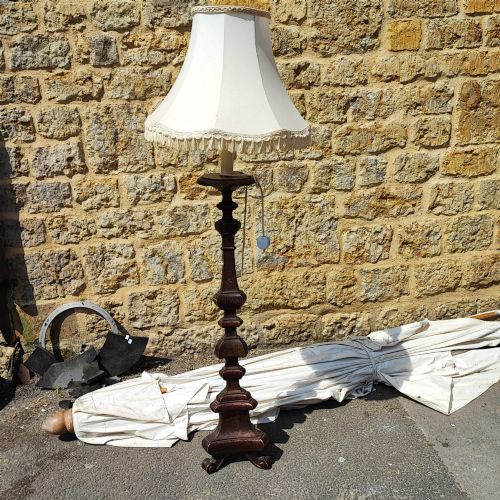
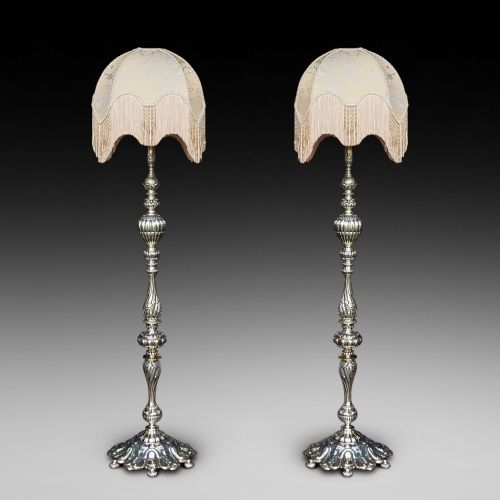
Cream fringed lamp shades complete period lighting pieces such as table lamps, floor lamps, standard lamps, and candlesticks. These fixtures span the Regency, Victorian, and Edwardian eras, alongside pieces from the 1910s, 1920s, and 1930s.
Makers and manufacturers utilised varied materials to support these shades, including carved wood, silver plate, brass, glass, and giltwood. The lighting ranges from monumental ormolu pairs to single Empire style lamps.
Materials and construction methods
Makers fashioned the lamp bodies from cast brass, carved wood, giltwood, alabaster with marble-effect finishes, and silver plate. Metal components frequently incorporated detailed casting, seen in brass eagles, serpents, and figures of Minerva with stags.
Fabric and silk formed the shades, trimmed with textile fringe to soften the light output. Heavier structural elements relied on turned wood, solid brass bases, and heavy metal spelter.
The material record for these listings spans fabric, brass, silver plate, silk, metal, fringe, glass, and carved wood.
Factors separating standard pieces from the finest examples
Quality rests upon the weight and purity of the materials, whether solid brass, carved wood, or cast ormolu. Substantial pairs demonstrate superior foundry work and more complex casting detail than single, lighter items.
The finesse of decorative elements dictates the grade of a piece, from simple turned timber standards to elaborate neoclassical revival motifs and figurative brass castings. The integration between the lamp body, fittings, and associated shade determines the overall harmony of the piece.
The Cream Fringed Lamp Shades Glossary
- Standard lamp
- A tall floor-standing lamp designed to illuminate a room from a corner or beside seating. These often feature heavy brass or wooden shafts.
- Ormolu
- Gilt bronze mounted onto decorative objects and lamp bases. This technique creates a rich golden finish characteristic of French Chateau pieces.
- Spelter
- A zinc alloy used as a substitute for bronze in decorative figures and lamp bases. It takes paint and gilt finishes well.
- Alabaster
- A fine-grained stone used for lamp bodies, sometimes finished with a marble effect. It offers a translucent quality.
- Canterbury
- A piece of furniture traditionally used for sheet music, occasionally combined with lamp standards in early twentieth-century designs.
Cream Fringed Lamp Shades: Frequently Asked Questions
What periods do these lamps come from?
The lighting fixtures span the Regency, Victorian, and Edwardian periods, as well as the 1910s, 1920s, and 1930s.
Styles range from classical revival and empire to traditional English country designs.
Are these lamps sold in pairs?
Many listings include matched pairs of table lamps and heavy brass standard lamps. Single lamps also appear alongside the paired items.
Matching pairs are particularly common in monumental ormolu and carved wooden formats.
What materials were used for the bases?
Bases incorporate cast brass, carved wood, giltwood, silver plate, alabaster, and painted spelter. Brass is especially prevalent in standard and table lamp designs.
Some pieces feature figurative elements such as eagles, serpents, and stags.
How do I place a standard lamp?
Standard lamps suit placement beside armchairs or in corners where they provide ambient room lighting. Their height makes them effective near seating areas.
They pair with fabric shades and fringes to diffuse the light evenly.