
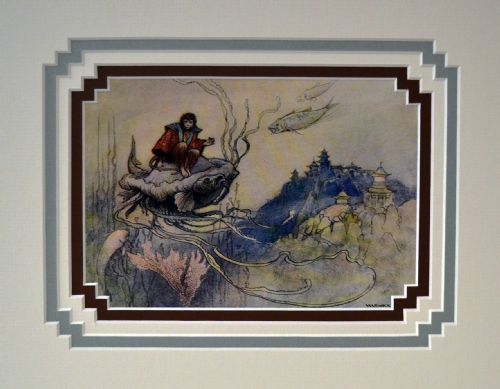
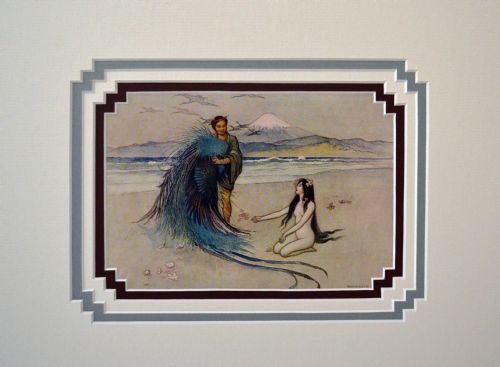
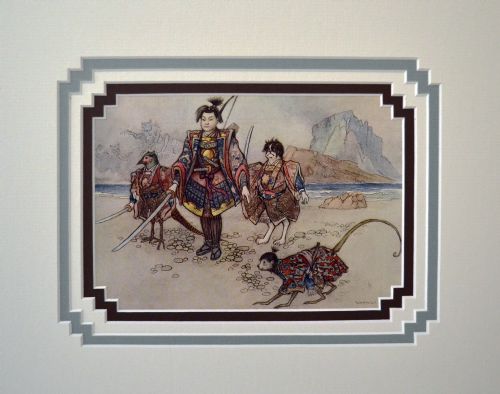
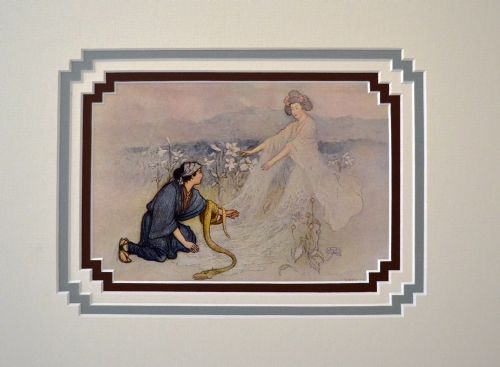


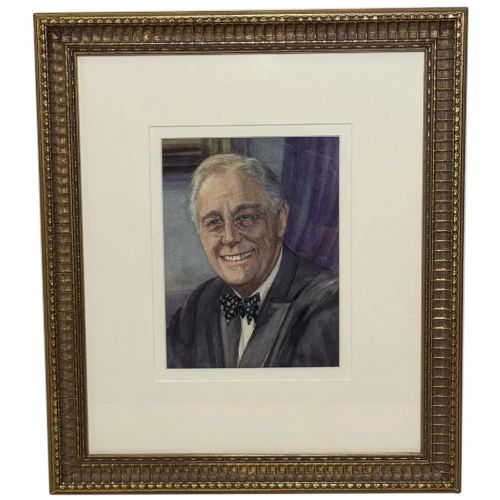


Cream Framed Watercolour
Cream framed watercolour works bring together pigment and paper inside protective mouldings, offering historical scenes and portraits for domestic display.
Cream Framed Watercolour
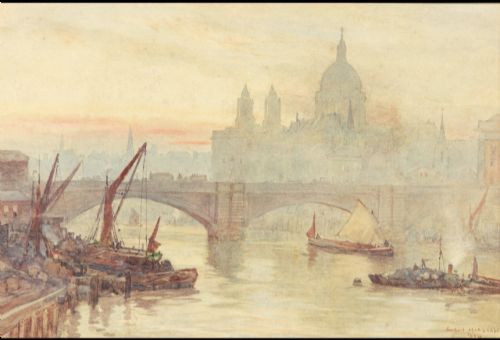
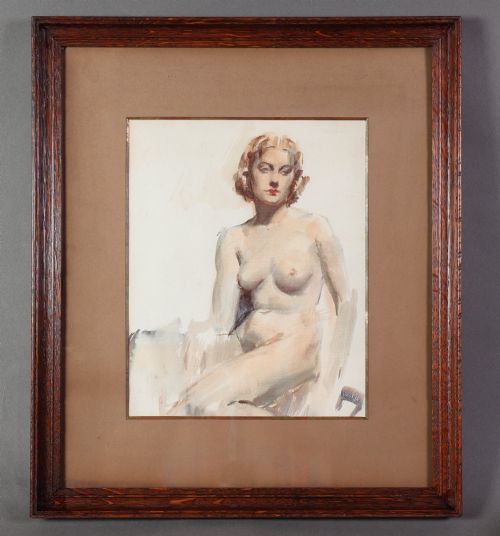
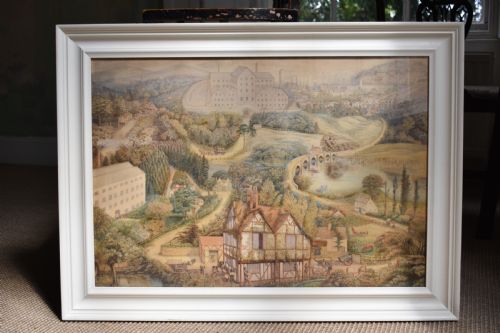
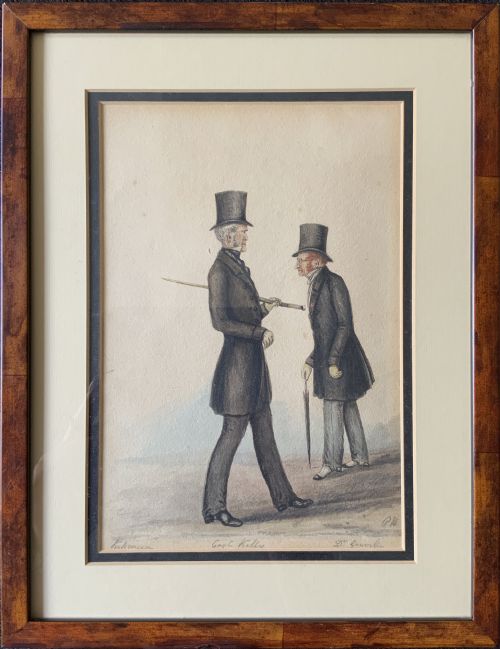
When you search for cream framed watercolour, you encounter paintings on paper presented within neutral surrounds. These works span the nineteenth century through the mid-twentieth century, encompassing landscapes, maritime views, and character studies. Most pieces sit within British and European artistic traditions from Victorian, Edwardian, and mid-century periods.
The format combines the original sheet with protective glass and a wooden frame carrying a pale finish. Subjects range from detailed architectural studies and pastoral landscapes to intimate animal portraits and figure drawings. These items function as wall art, bringing historical depth and traditional painterly techniques into residential spaces.
How they were made
Makers apply watercolour pigment and ink onto paper surfaces using fine brushes. Support materials include mount board to separate the painted surface from the glass, whilst wooden frames provide structural enclosure.
Framing techniques often incorporate gilt elements or painted mouldings finished in pale tones. Works frequently utilise pencil underdrawing beneath the pigment, particularly in illustrative and portrait formats.
Several watercolours depict domestic animals participating in human activities, including stubborn bulls at work and terriers sharing moments of close friendship.
What varies in quality
The execution of the brushwork and the precision of the underlying drawing define the primary tier of craftsmanship. Finer examples display confident handling of light and atmospheric depth, whereas simpler works rely on rigid lines and flat washes.
The preservation of the paper support and the clarity of the pigment dictate the longevity and visual impact of the artwork. Original framing and undisturbed backing papers contribute to the historical integrity of the piece.
Warwick Goble·Oswald Garside·Cornelius Pearson·Alice Anne Renshaw·William Frederick Settle·James Hardy Junior·Charles F Tunnicliffe·Helena Maguire·Stanley Orchart·John Atkinson·Margaret Laing·John McDougal·Mabel Gear·William Russell Flint·Takashi Nakayama·Henry Wimbush·Karl Feiertag·Belisario Gioja·Alfred Rimmer·Paul-Louis Barruel·John E Bosanquet
The Cream Framed Watercolour Glossary
- Watercolour
- A paint consisting of a pigment suspended in a water-soluble vehicle. It provides translucent washes of colour across a paper support.
- Gilt Wood
- Wood that has been treated with a thin layer of gold leaf or metallic paint. This material frequently appears on decorative framing mouldings.
- Mount Board
- Heavyweight paperboard placed around a drawing or painting inside the frame. It prevents the artwork surface from touching the glass.
- Gouache
- An opaque watercolour paint containing added white pigment to create solid, heavier coverage. It is often combined with standard watercolour in Victorian illustration.
Cream Framed Watercolour: Frequently Asked Questions
How do I hang a watercolour painting safely?
Hang these works away from direct sunlight to prevent the pigments from fading over time. Ensure the wall fixings match the weight of the wood frame and glass.
Keep pieces clear of damp areas and extreme temperature fluctuations to protect the paper support and mount board from deterioration.
What subjects appear in these paintings?
Landscapes and pastoral scenes form a large portion of the available artwork, depicting rivers, rural fields, and coastal views. Portraiture and animal studies also feature prominently among the nineteenth and twentieth-century examples.
Architectural landmarks and illustrative narrative scenes provide further variety across the selection of pieces.
How do I identify a Victorian watercolour?
Look for the characteristic clothing, architectural details, and subject matter typical of the nineteenth century. Signatures and dates inscribed by the artist on the paper offer direct confirmation of the period.
The framing style and the paper texture can also indicate nineteenth-century production methods when documentation is limited.
Can I change the frame on an antique watercolour?
Replacing a frame is possible, but retaining original or period-appropriate surrounds preserves the historical context of the artwork. Any framing adjustment should maintain adequate spacing behind glass to protect the paper.
Consult a professional framer to ensure acid-free materials are used inside the assembly.