






Cream Crackle Vase
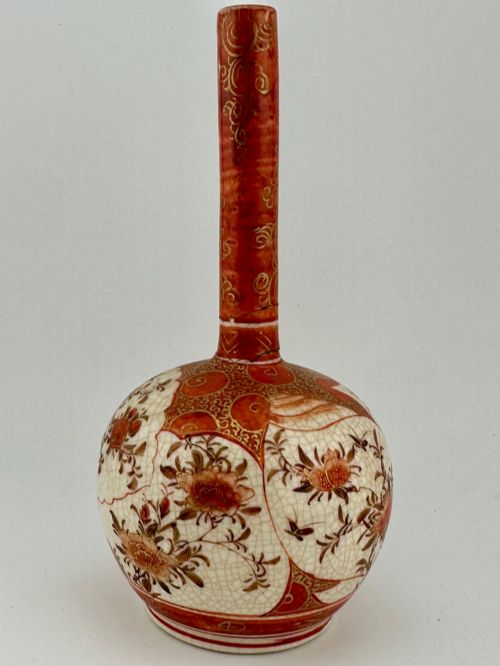
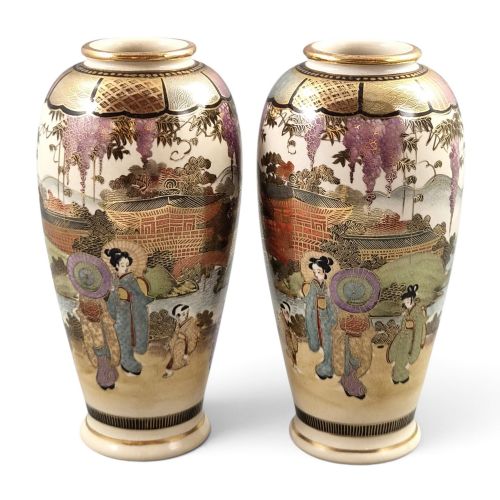
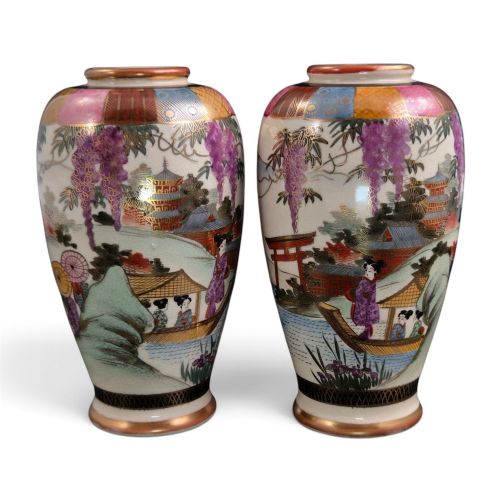
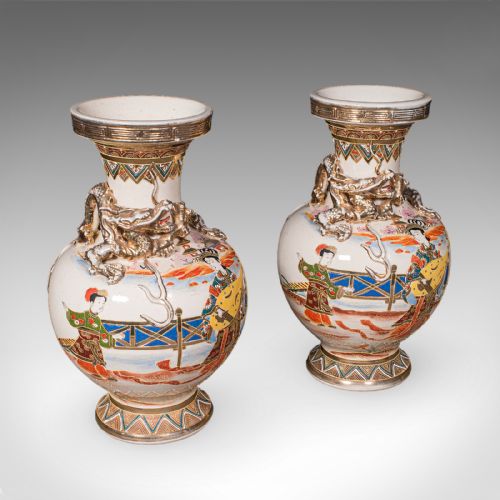
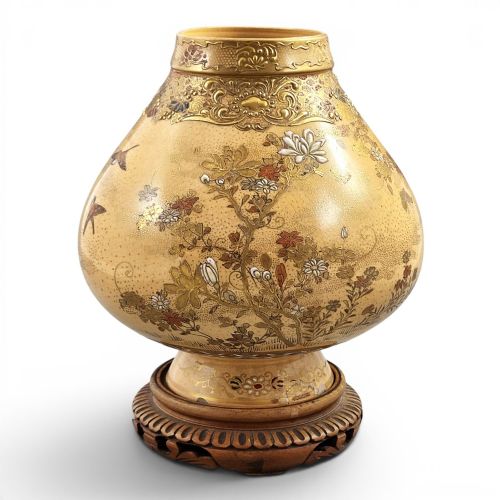
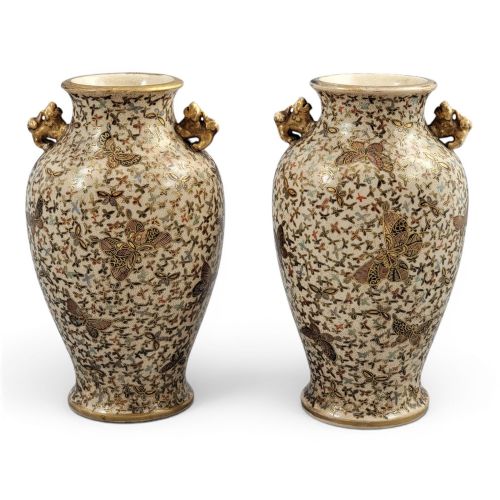
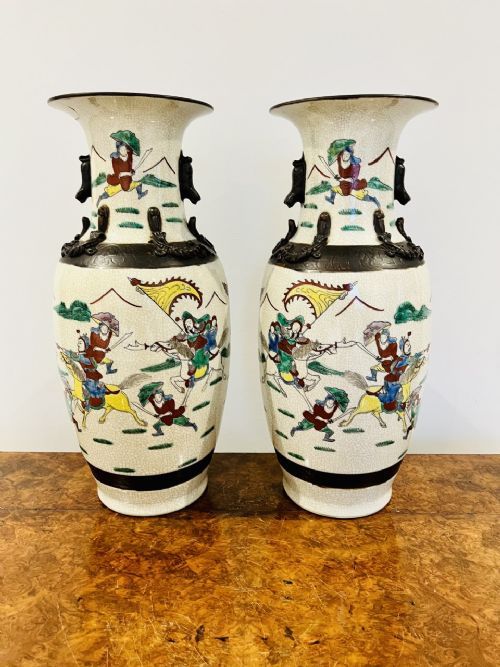
These cream crackle vase examples combine delicate craquelure surfaces with intricate hand-painted detail from Japanese and Chinese workshops.
Cream Crackle Vase
A cream crackle vase brings together traditional Asian ceramic arts and refined decorative forms spanning the Victorian, Edwardian, and later periods. Buyers seeking this aesthetic encounter earthenware and porcelain bodies decorated with distinct network glazes.
The selection centres heavily upon Satsuma ware originating from the Meiji, Taisho, and early Showa periods, alongside Chinese crackleware pieces from the nineteenth century. These vessels range from miniature cabinet specimens to monumental pairs and converted table lamps.
Most entries feature hand-painted figural scenes, landscapes, or floral motifs such as wisteria and butterflies, often heightened with gold leaf. Pairs and sets dominate the available forms alongside individual baluster and tripod shapes.
Materials and construction
Makers shaped these vessels using earthenware and ceramic bodies, applying specialised glaze layers designed to craze during cooling. This deliberate craquelure creates the signature network of fine lines across the cream surface.
Enamel colours and gold leaf were hand-painted over the glazed and fired bodies, frequently requiring secondary firing stages to set the pigments. Workshops utilised brass fittings when converting certain vases into lamps.
Cream Crackle Vase Retail Price Guide 2026
Typical asking prices for cream crackle vase among the pieces listed under this phrase on Sellingantiques today, from the lower quarter to the upper quarter. They describe what is for sale here now, not the wider market.
Japanese Meiji period Satsuma pieces appear alongside Chinese crackleware and later Taisho or Showa period productions.
Assessing quality
Quality rests in the crispness and control of the craquelure pattern alongside the precision of the hand-painted enamel work. Finer examples display meticulous brushwork in figural processions and landscapes rather than hasty execution.
The weight and finish of the underlying ceramic body, combined with the richness of the gilding, distinguish superior pieces from standard production. Signed workshop pieces often indicate higher artistic ambition and execution.
Kinkōzan Workshop·Manpei·Chosei·Seiko-en Chokei·Hattori
The Cream Crackle Vase Glossary
- Craquelure
- A network of fine cracks intentionally induced in the glaze surface during firing. This effect defines the appearance of crackleware.
- Satsuma ware
- Japanese earthenware pottery featuring an ivory-coloured craquelure glaze decorated with enamel and gilt. It originated in Satsuma Province before expanding to Kyoto and other centres.
- Baluster
- A vertical vase form with a rounded body tapering to a narrow neck and flared rim. This traditional shape appears frequently across nineteenth-century Asian ceramics.
- Meiji Period
- The era of Japanese history lasting from 1868 to 1912, noted for prolific ceramic production aimed at export markets. Pieces from this time often exhibit exceptional detail.
- Gilding
- The application of gold leaf or gold paint to highlight specific motifs and borders on a ceramic vessel. It frequently accents panels depicting figures or flora.
Cream Crackle Vase: Frequently Asked Questions
How do I care for a crackle vase?
Dust the surface gently with a soft, dry cloth to protect the delicate enamel and gilt details. Avoid using liquid cleaners or submerging the ceramic in water.
Keep the vessel away from direct sunlight to preserve the integrity of the painted pigments and the cream glaze over time.
Were these vases made for export?
Many Japanese Satsuma pieces and Chinese crackleware vessels from the nineteenth and early twentieth centuries were produced specifically for Western export markets. Artisans adapted traditional forms to suit international tastes while retaining classical motifs.
This global exchange resulted in diverse decorative styles ranging from dense figural scenes to restrained landscape compositions.
How can I tell Satsuma ware apart?
Satsuma ware is characterised by its distinct warm earthenware body covered in a fine cream craquelure glaze. Artisans then applied intricate polychrome enamel designs and heavy gilding over this base.
Many finer examples carry painted or impressed signatures denoting specific Kyoto or regional workshops.
Can converted lamp vases be restored?
Vases fitted with brass hardware for electrical conversion often retain their original ceramic bodies beneath the mounts. Professional restorers can evaluate wiring and hardware safety without altering the antique ceramic.
Buyers should examine the base and rim for any drilling or alterations associated with the lamp conversion process.