
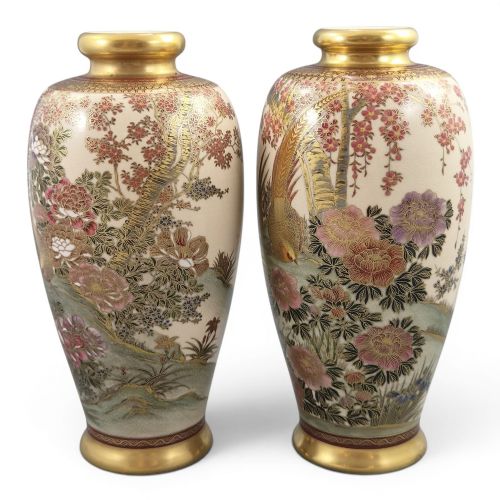


Cream Ceramic Decorative Vase
When you seek a cream ceramic decorative vase, you encounter works shaped in earthenware and porcelain across Victorian, Edwardian, and Meiji periods.
Cream Ceramic Decorative Vase
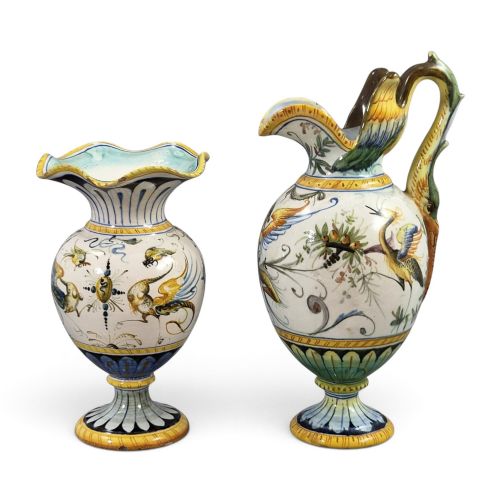
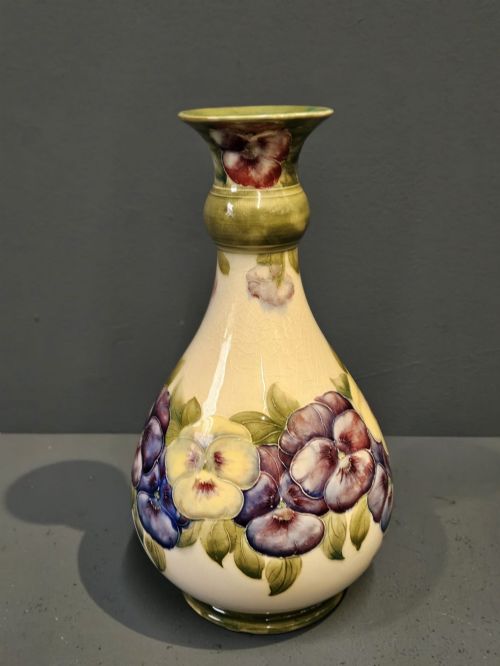
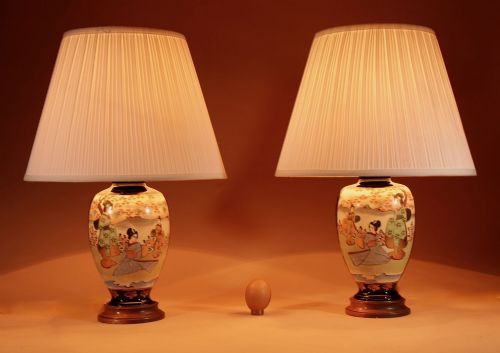
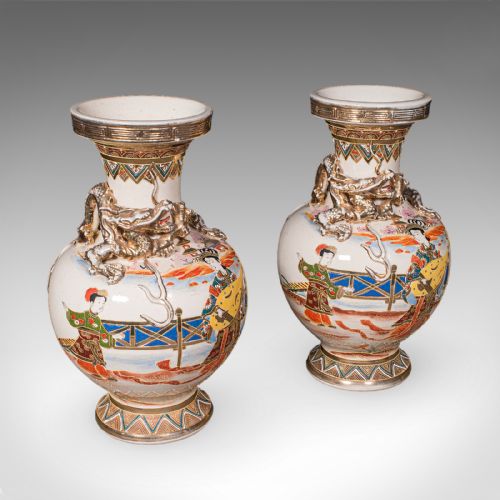
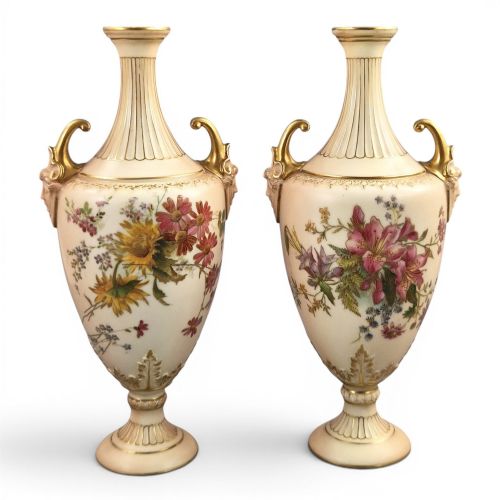
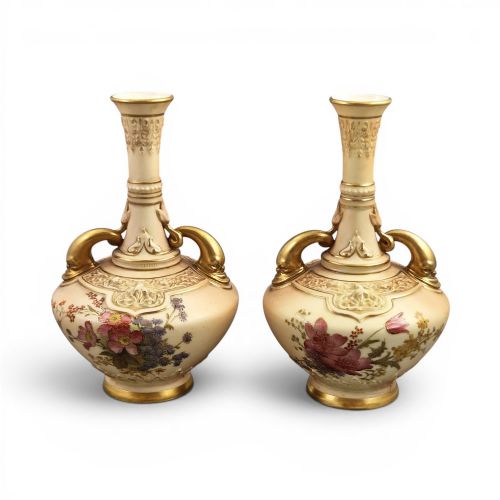
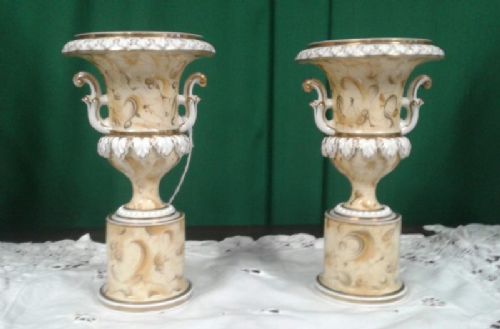
A cream ceramic decorative vase encompasses various forms including baluster vessels, campana shapes, pedestals, and Ewers originating from the nineteenth and early twentieth centuries. These objects span English potteries like Royal Worcester and Doulton alongside Japanese Satsuma workshops of the Meiji period.
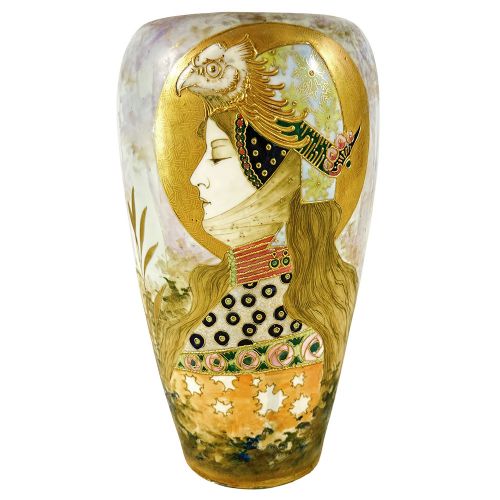
Buyers frequently encounter pale earthenware and porcelain bodies decorated with hand-painted flora, landscapes, and figural scenes. Many examples incorporate gilding, enamel, and gold leaf applied during the Victorian, Edwardian, and Art Deco eras.
Materials and Construction Techniques
Potters shaped these vessels using ceramic earthenware and porcelain bodies, frequently finishing surfaces with an ivory or cream glaze. Artisans applied hand-painted pigments alongside enamel, gold leaf, and gilding to accentuate surface details.
Makers such as Royal Worcester and Satsuma workshops fired ceramic bodies before applying intricate brushwork, floral motifs, and raised paste gilding. Certain pieces utilised specialised earthenware formulas like Carrara ware or blush ivory grounds.
Listings feature items spanning the nineteenth century through the 1930s, encompassing Victorian, Edwardian, Meiji, and Art Deco periods.
Distinguishing Quality Among Pieces
Superior examples display precise hand-painted detail, particularly in figural groupings, landscapes, and floral panels executed by named artists. The refinement of the glaze and the crispness of the gilding separate standard production vessels from exhibition-quality works.
The complexity of the ceramic form, such as sculpted handles, dolphin motifs, or bamboo-handle shapes, indicates the ambition of the maker. Condition of the delicate enamel and gold leaf embellishments further defines the standing of an individual piece.
Royal Worcester·Cantagalli Florence·Moorcroft McIntyre·Reissner Stellmacher and Kessel·Doulton Burslem·Kinkozan·Hadley s Worcester
The Cream Ceramic Decorative Vase Glossary
- Earthenware
- Porous pottery fired at lower temperatures, commonly glazed to hold liquids and provide a smooth surface for painted decoration.
- Majolica
- A type of earthenware coated with an opaque tin glaze, painted with metallic oxide colours, and fired.
- Satsuma
- Japanese pottery featuring a crackle-glaze earthenware body decorated with polychrome enamels and gilding.
- Ewer
- A large jug with a wide spout and handle, historically used for pouring water but frequently produced purely for display.
- Campana
- A bell-shaped vessel with a flaring rim, mounted on a pedestal base, originating from classical antiquity.
Cream Ceramic Decorative Vase: Frequently Asked Questions
How do I identify Satsuma ceramics?
Satsuma wares present an ivory or cream crackle-glaze earthenware body decorated with intricate hand-painted enamels and gold leaf.
Many pieces bear mon markings or artist signatures on the base, frequently originating from the Meiji period.
What is blush ivory porcelain?
Blush ivory refers to a soft, matte cream ceramic ground developed by potteries like Royal Worcester during the late nineteenth century.
This pale surface provided a muted background for delicate hand-painted floral arrangements and gilt accents.
How were decorative ewers used?
Decorative ewers served primarily as ornamental display pieces on mantelpieces, pedestals, and tables rather than functional vessels.
Their elaborate handles, spouts, and painted panels demonstrated the ceramic artist's skill.
What distinguishes Edwardian ceramics?
Edwardian ceramic pieces often favour lighter pastel tones, delicate floral garlands, and refined gilding influenced by earlier Victorian styles.
This era produced matching pairs of vases and specialised pedestal forms intended for formal drawing rooms.