
Country Wooden Side Chair
A country wooden side chair brings warmth and honest utility to a room, offering sturdy seating grounded in local vernacular traditions.
Country Wooden Side Chair
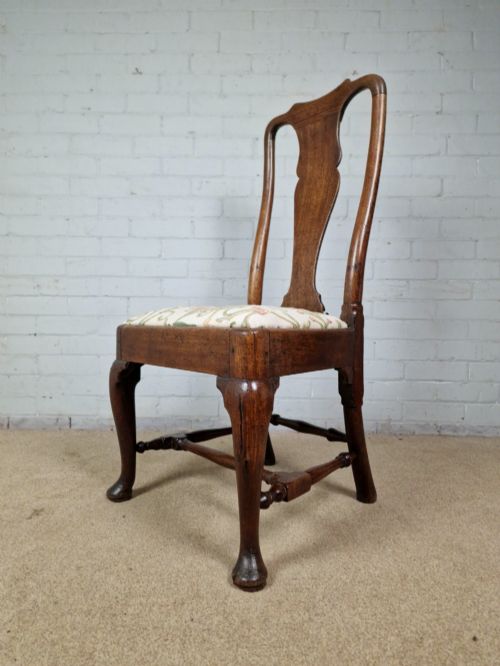
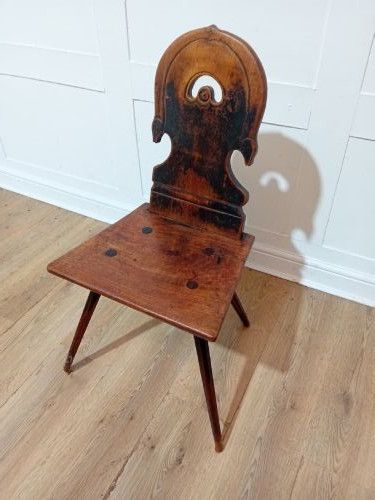
A country wooden side chair is a functional seat shaped by regional craftsmanship rather than formal court tastes. You will most frequently meet nineteenth-century examples and Victorian variations, alongside earlier Georgian and eighteenth-century forms.
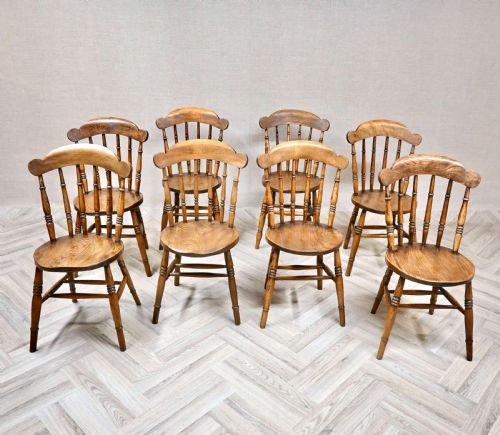
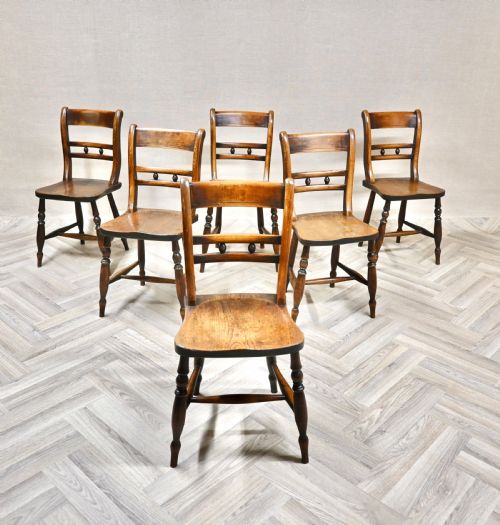
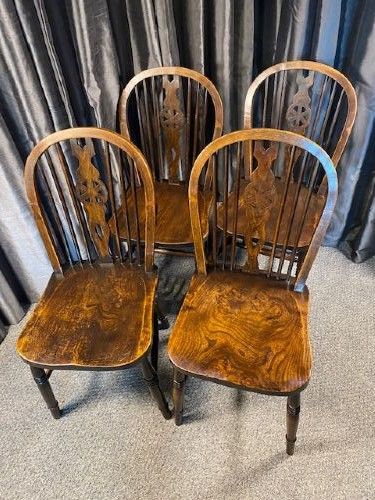
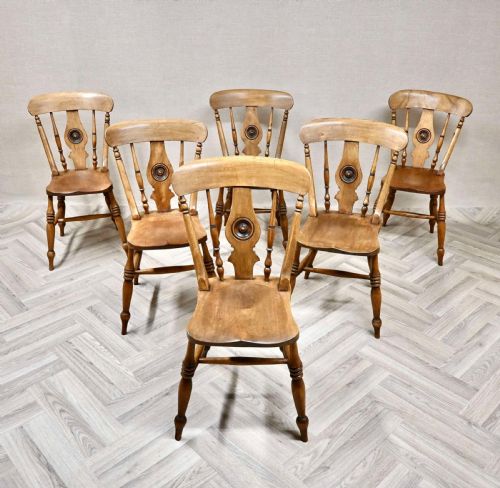
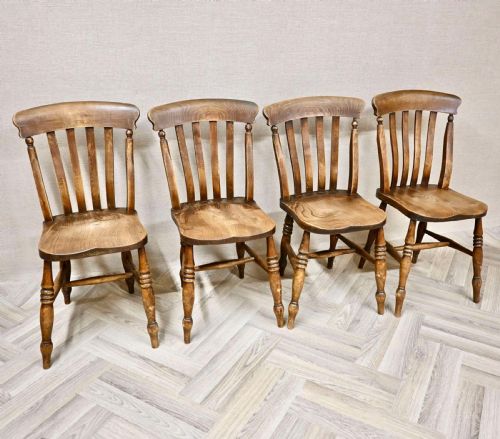
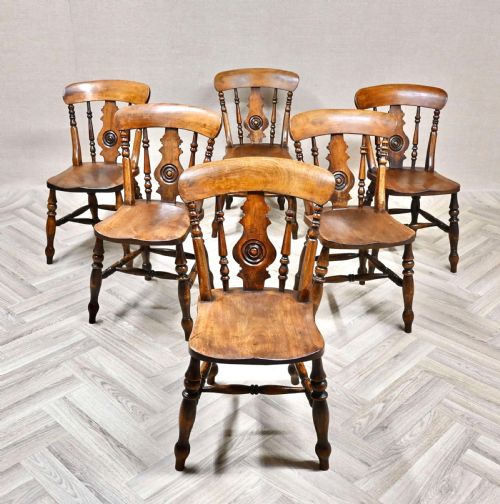
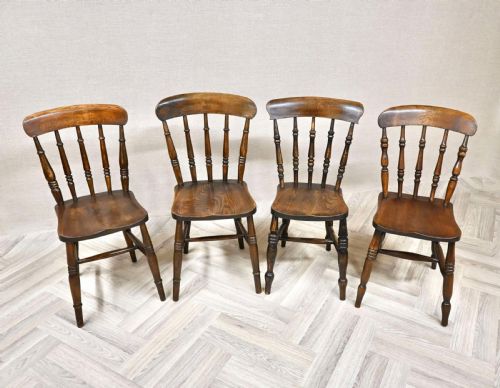
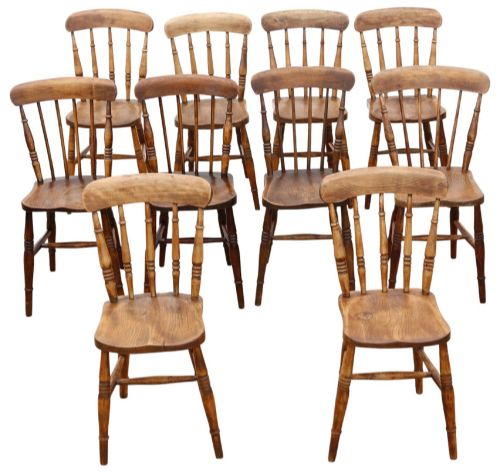
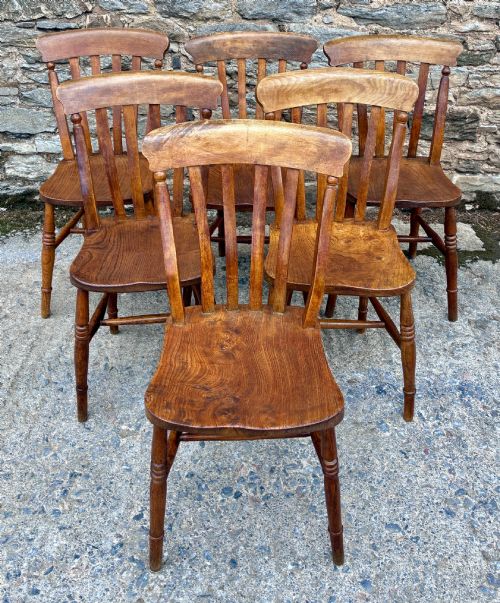
The selection here encompasses various utilitarian designs used in kitchens, halls, and dining spaces. Common forms include Windsor chairs with distinctive spindles, ladderback chairs, and rush-seated models.
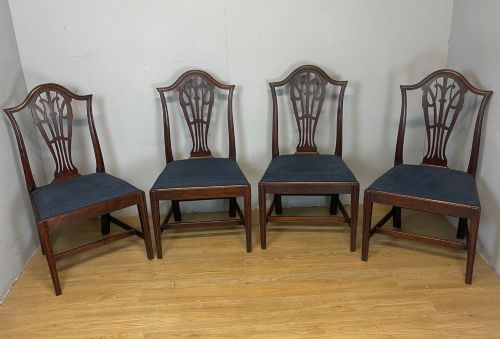
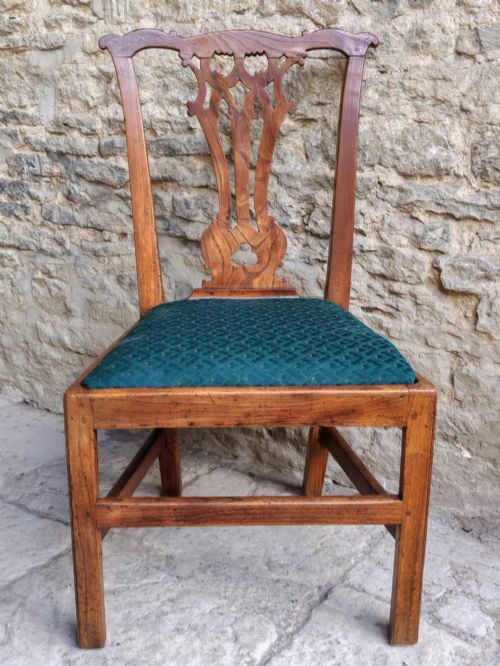
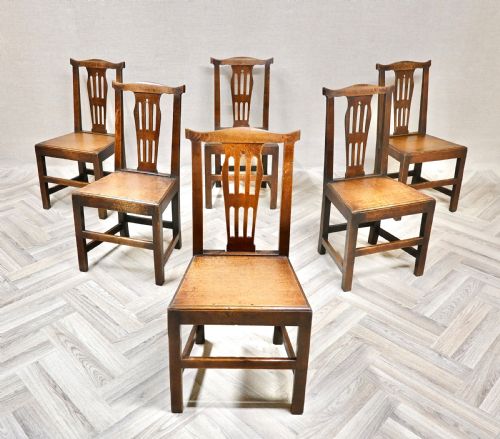
Makers drew on local timber traditions across England, Wales, and Ireland to produce seating that was both practical and enduring. These chairs range from simple farmhouse seating to more ambitious styles incorporating Gothic Revival or Chippendale influences.
How they were made
Constructed primarily from native timbers such as elm, beech, oak, and ash, these chairs rely on the complementary strengths of different woods. Elm was frequently chosen for shaped seats because its interlocking grain resisted splitting, while straight-grained beech or ash provided strong turned legs and spindles.
Joinery methods depended on the chair type, combining traditional mortise and tenon joints with steam-bent components for Windsor bows and backs. Seats were often deeply saddled using adzes and gouges, creating a comfortable contoured surface from a solid block of wood.
Listings feature items spanning the eighteenth, nineteenth, and early twentieth centuries, constructed from traditional timbers including elm, beech, oak, and ash.
What varies in quality
Quality in a country wooden side chair lies in the integrity of its construction and the harmony of its proportions. Superior examples display thoughtful selection of timber, where grain patterns enhance the visual weight of a seat or the curve of a crest rail.
The crispness of turned components and the tightness of wedged joints distinguish finer vernacular pieces from purely utilitarian work. Harlequin sets demonstrate how careful matching of height, scale, and wood tone creates a cohesive group from individually gathered chairs.
The Country Wooden Side Chair Glossary
- Windsor
- A chair built with a heavy solid wooden seat into which the legs, back spindles, and bow are separately bored and wedged. This technique creates a remarkably strong and resilient frame.
- Ladderback
- A chair style featuring horizontal slats or rails between the vertical rear uprights. These rails are often shaped to fit the curve of the sitter's back.
- Rush seat
- A seating surface woven from dried marsh rushes twisted into cords. It provides a flexible and supportive web stretched across the seat frame.
- Harlequin set
- A collection of chairs that share a similar period, material, or style but were not originally manufactured as a single suite. They are gathered together to form a matched dining group.
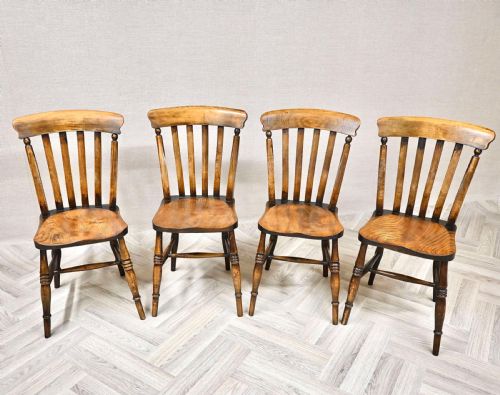
- Lathe back
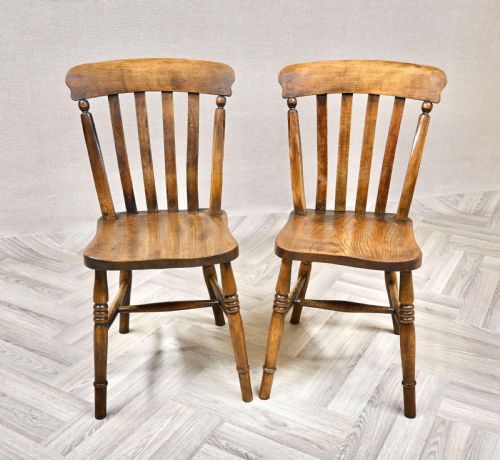
- A chair design incorporating flat, shaped vertical splats turned on a lathe rather than traditional round spindles. This format gives a structured look to country kitchen seating.
Country Wooden Side Chair: Frequently Asked Questions
What defines a country wooden side chair?
These chairs are defined by their utilitarian origins and regional construction methods, utilising local hardwoods like elm and beech without the elaborate ornamentation found in formal urban furniture.
They emphasise structural honesty and comfort, reflecting the domestic needs of farmhouses, cottages, and provincial homes over successive centuries.
How do I care for antique wooden chairs?
Maintain these chairs by keeping them away from direct heat sources and rapid humidity changes that can dry out the timber or loosen traditional joints. Regular dusting and occasional application of appropriate wax help preserve the natural finish and patina of the wood.
Avoid harsh chemical cleaners, as gentle treatment protects the historic surfaces and subtle tooling marks left by past makers.
Are harlequin sets matching chairs?
Harlequin sets consist of individual chairs that share common traits such as material, period, or overall form, but they were produced independently rather than as a single matched suite. Dealers assemble these groups carefully to ensure they sit harmoniously together around a table.
This method allows buyers to acquire a larger dining set of period seating that shares a unified aesthetic without requiring an exact factory-original match.
How can I tell different periods apart?
Differentiating periods involves examining the tooling marks, joinery techniques, and stylistic influences present in the wood. Earlier eighteenth-century pieces often display hand-carved details and heavier proportions, while nineteenth-century Windsor and stick-back designs lean towards refined industrial turning methods.
Comparing the seat shaping and spindle profiles helps reveal whether a chair belongs to the Georgian era, the Victorian period, or later vernacular revivals.