
Country Wooden Seating
Country wooden seating brings warmth to a room through centuries of utilitarian design in elm, oak, and pine.
Country Wooden Seating
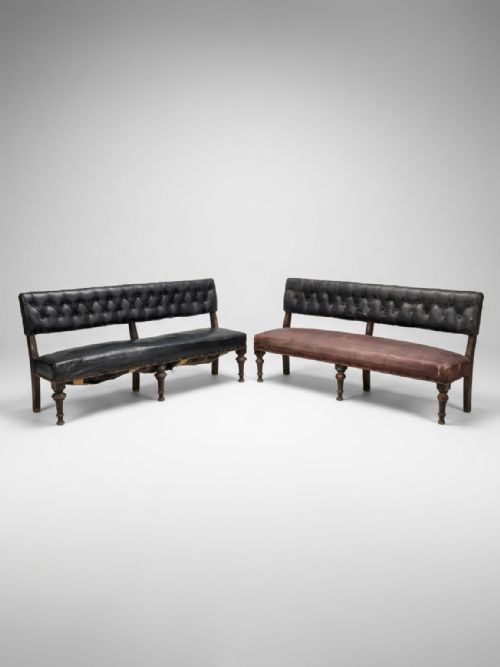
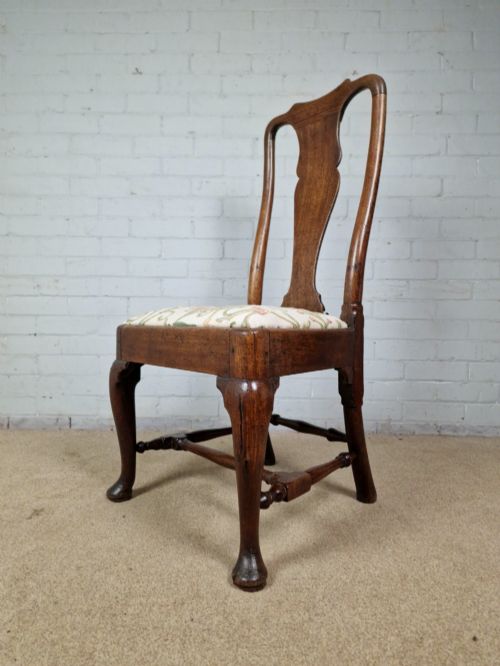
Country wooden seating encompasses armchairs, dining chairs, stools, benches, and settles spanning from the 18th century through the Georgian, Victorian, and Edwardian periods.
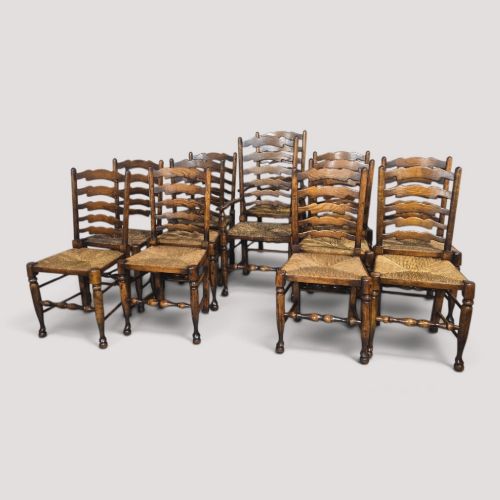
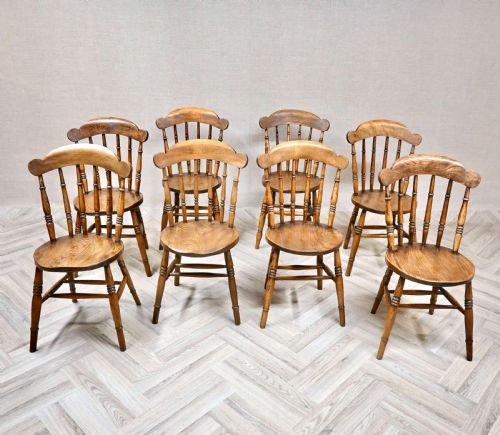
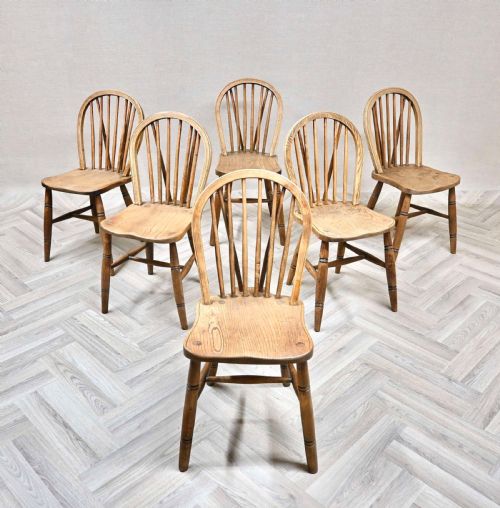
The most common pieces encountered are Windsor chairs, kitchen chairs, and hallway benches, originating from English and Welsh rural workshops.
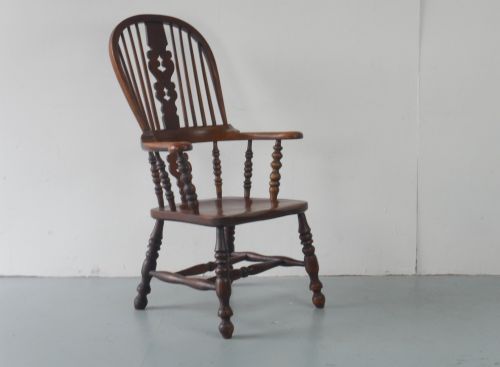
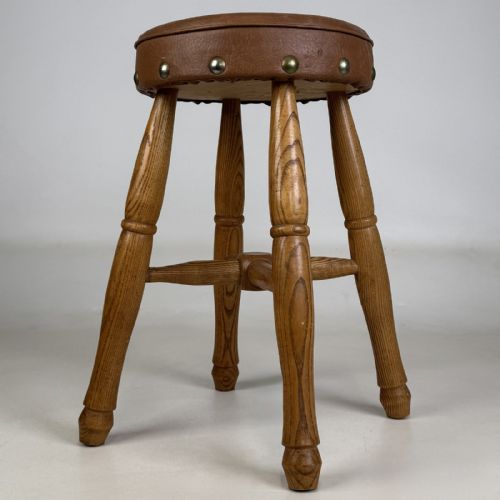
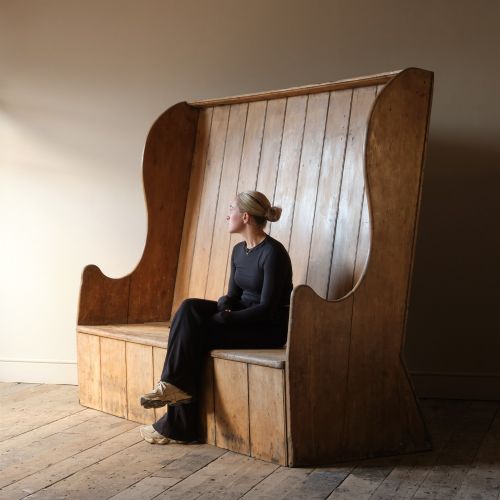
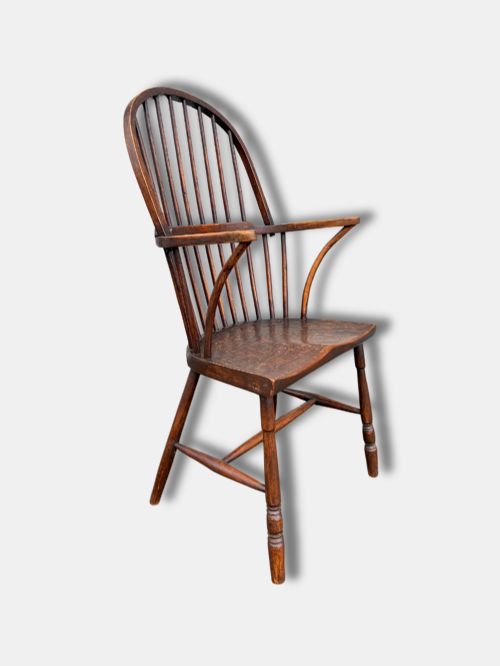
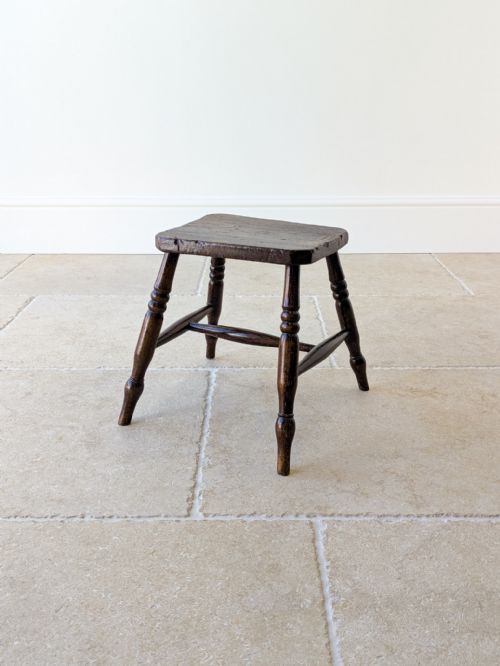
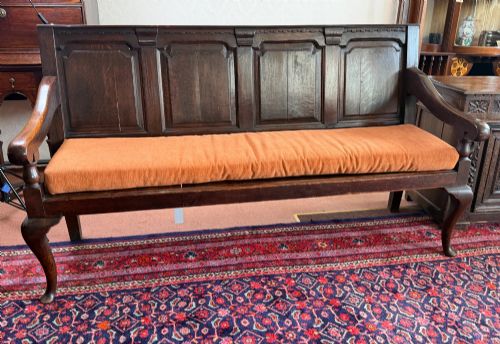
Forms range from simple tavern stools and ladderbacks to high-backed Windsor armchairs and oak box settles designed for domestic utility.
Materials and construction
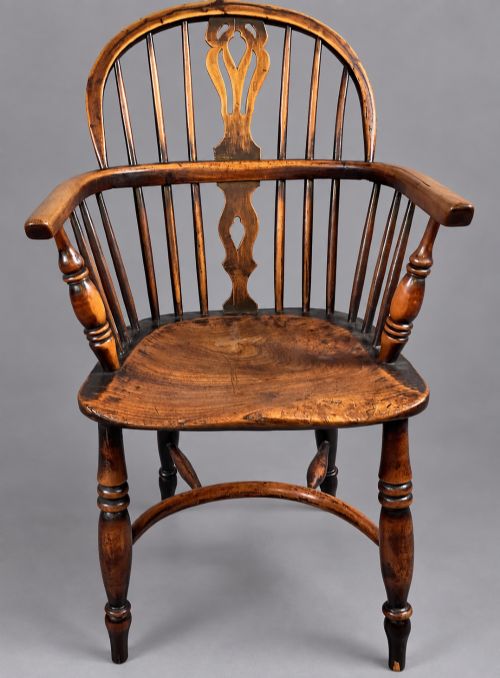
Construction relies heavily on native hardwoods like elm for seats, ash and beech for spindles and legs, and yew for high-grade Windsor armchairs.
Joinery methods include traditional pegging, wedged through-tenons, and Windsor stick-back construction where turned legs and back spindles are socketed directly into a solid wooden seat.
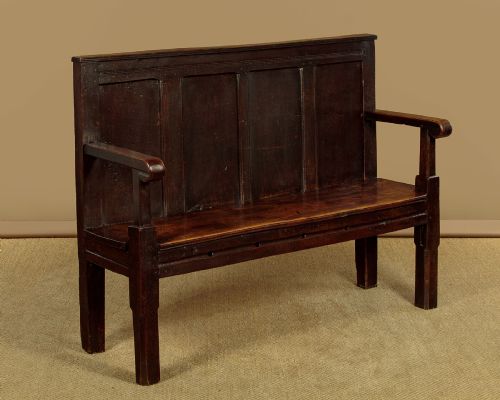
Listings include sturdy elm and pine benches alongside 18th-century oak box settles and Victorian Windsor armchairs.
Judging quality
Quality depends on the balance of timber selection, such as figured elm seats paired with contrasting ash or yew superstructures, alongside the crispness of turned components.
Original surface finishes, including period paint or patinated bare wood, separate genuine vernacular pieces from heavily restored examples.
The Country Wooden Seating Glossary
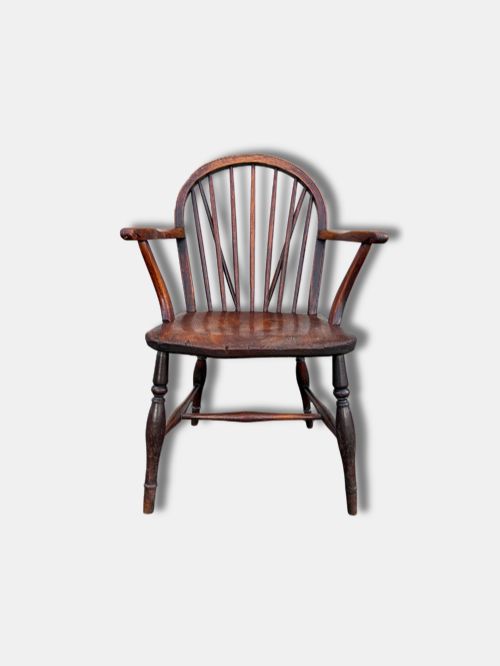
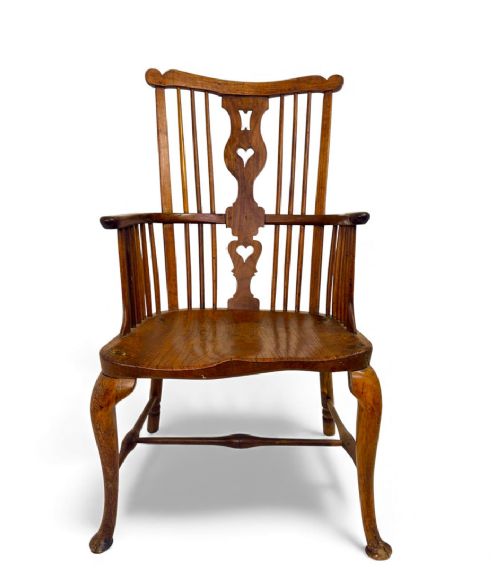
- Windsor
- A chair built with a solid wooden seat into which the legs and back sticks are independently inserted. This method created robust and enduring vernacular seating.
- Settle
- A wooden bench with a high back, solid arms, and often a storage box beneath the seat. It was designed to block drafts in farmhouse kitchens.
- Vernacular
- Everyday objects made by local tradesmen using regional materials rather than following high-style academic designs. These pieces reflect local traditions and practical needs.
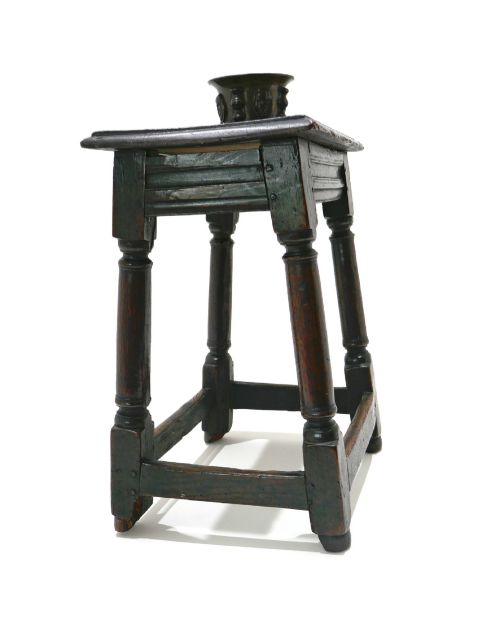
- Joint stool
- An early form of wooden stool constructed with mortise and tenon joints held together by wooden pegs. They provided sturdy seating before chairs became common.
Country Wooden Seating: Frequently Asked Questions
What is a Windsor chair?
A Windsor chair is a seating form defined by a solid wooden seat that directly receives the turned legs from below and the back spindles from above.
This construction method produces a strong, light chair that became a staple of farmhouse kitchens and country workshops.
How do I date an old wooden bench?
Dating relies on observing construction marks, timber choice, and signs of wear relative to known periods like the Georgian or Victorian eras.
Tool marks left by pit saws or adzes often indicate older 18th-century work, whereas later pieces show more mechanical standardisation.
Where were these chairs made?
Most pieces originated in regional workshops across England and Wales, utilising local timber supplies.
Specific regional variations emerged, such as the Thames Valley style known for its distinct wheelback or stick-back designs.
Can I use country benches daily?
These utilitarian forms were built for heavy domestic use in kitchens, pubs, and halls, making them durable for everyday living.
Their solid construction handles regular use well, provided the joints remain stable and dry.