




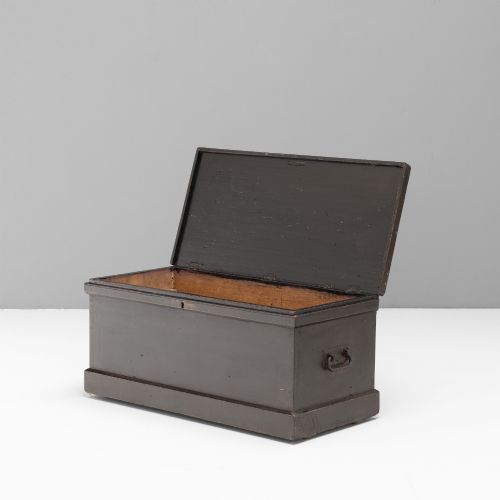
Country Storage Box
A country storage box offers honest utility, holding household textiles or provisions in heavy timbers shaped by provincial hands.
Country Storage Box
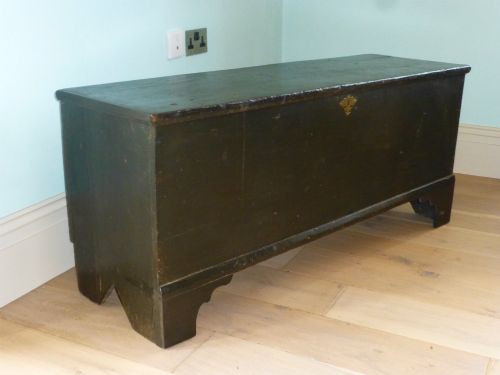
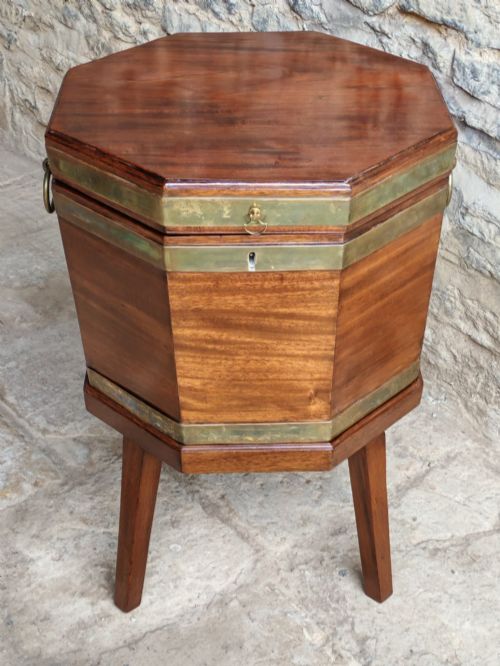
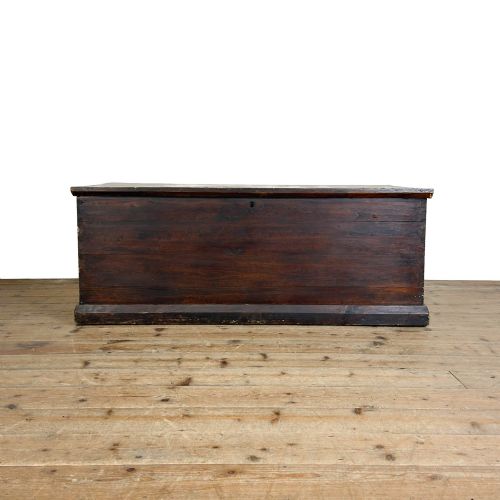
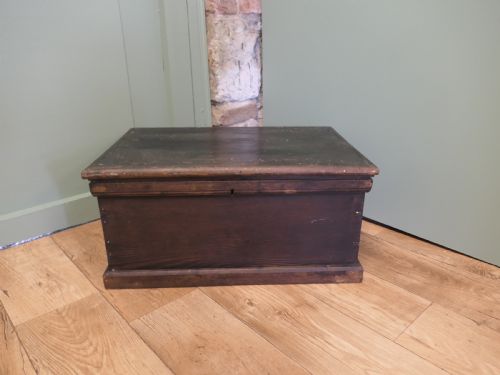
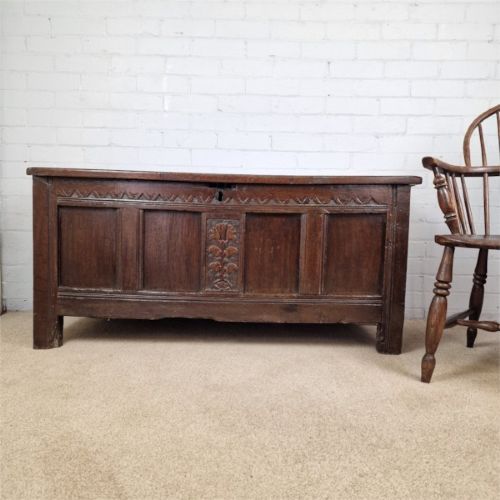
A country storage box encompasses utilitarian vessels built for domestic service, ranging from small elm bible boxes to large oak coffers and pine blanket chests. These pieces emerge from rural workshops across periods spanning the sixteenth century to the Victorian era, reflecting local domestic needs rather than urban fashion.
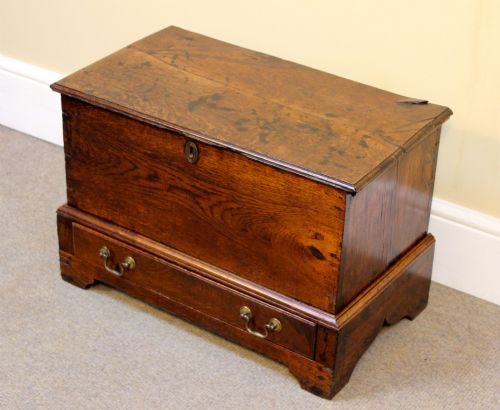
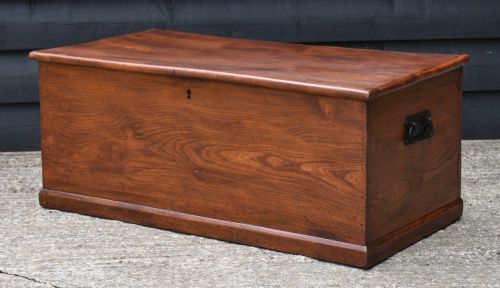
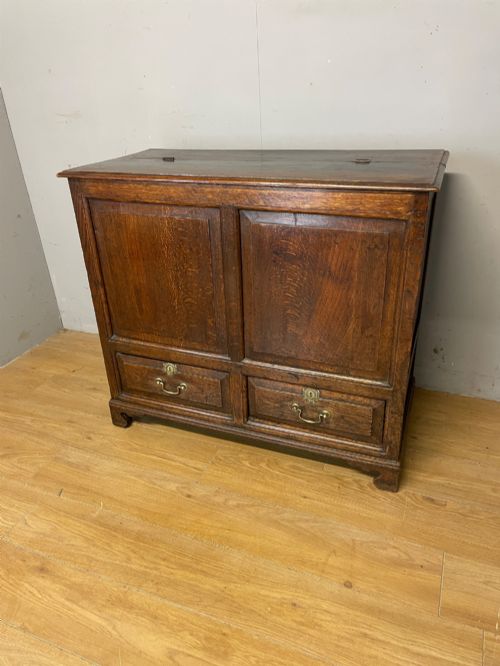
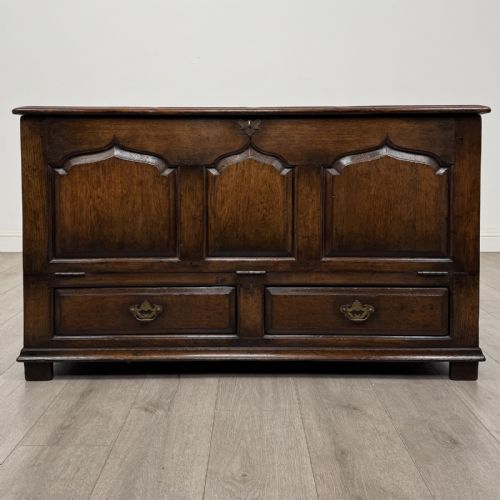
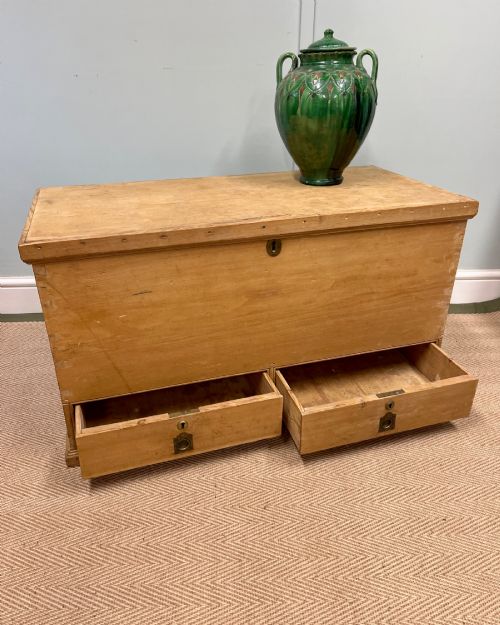
The version most frequently met on this page is the pine or oak blanket box and trunk, often fitted with side handles for movement around the farmhouse floor. Alongside these simple chests, buyers encounter boarded coffers, mule chests with lower drawers, and high-backed box settles that double as seating.
Timbers and Joinery
Makers utilised native timbers readily available to the local carpenter, predominantly relying on English oak, elm, and pine, occasionally supplemented by ash and iron hardware. These woods were worked using traditional joinery methods such as six-plank construction, panel framing, and dovetailing to withstand heavy daily use.
Surfaces often display the marks of early hand tools, sometimes finished with historic paint, iron strap hinges, and brass fixtures. Structural integrity relies on pegged joints and thick board thicknesses rather than complex internal framing.
Country Storage Box Retail Price Guide 2026
Typical asking prices for country storage box among the pieces listed under this phrase on Sellingantiques today, from the lower quarter to the upper quarter. They describe what is for sale here now, not the wider market.
Listings span multiple centuries of rural craftsmanship, featuring native timbers such as English oak, elm, pine, and ash across various regional forms.
Construction and Character
Quality rests in the integrity of the original construction and the survival of untouched timber surfaces, such as deep patinated oak or early painted finishes. Pieces retaining their original floor timbers, hinges, and board thicknesses command greater regard than those altered or excessively restored over centuries.
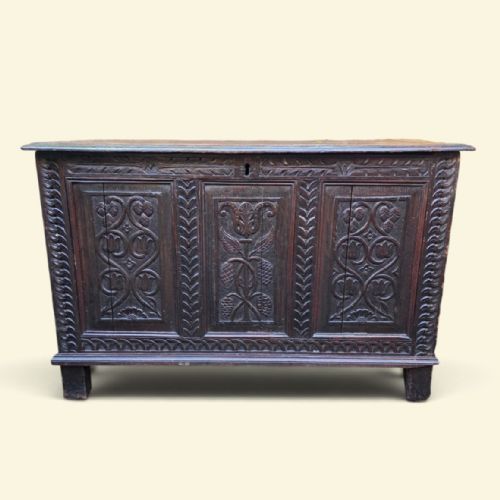
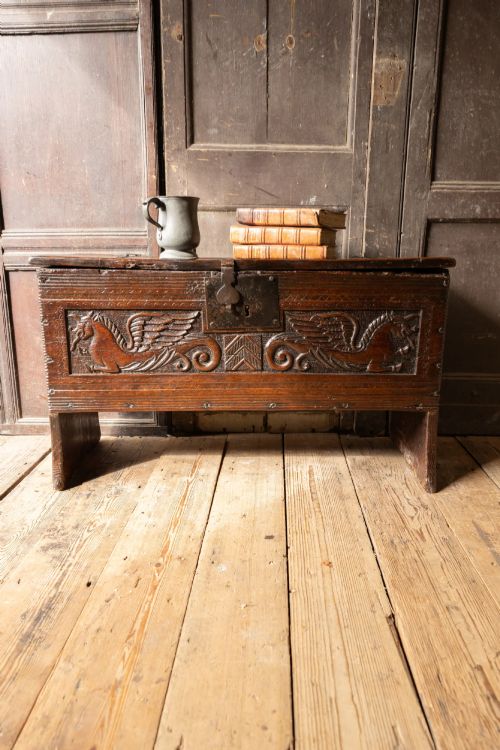
Proportion and regional character also distinguish finer examples, such as carved sixteenth-century boarded chests with winged fantastic beasts or seventeenth-century joined coffers with distinct regional traits. Simpler nineteenth-century pine trunks vary according to the quality of the dovetailing and the depth of the timber grain.
The Country Storage Box Glossary
- Coffer
- A heavy wooden chest traditionally used for storing valuables or dry goods. These sturdy containers often feature boarded or panelled construction.
- Mule Chest
- A storage chest featuring one or more drawers built into the base beneath the main compartment. This form bridges the gap between the simple blanket box and the chest of drawers.
- Six-Plank Coffer
- A primitive box constructed from six distinct pieces of timber joined at the edges with pegs or nails. Elm and oak were frequent choices for this early form.
- Box Settle
- A high-backed wooden bench with a compartment integrated beneath the seat for storage. These multi-functional items combine seating with practical room organisation.
- Boarded Chest
- A chest made from thick planks nailed or pegged directly at the corners. They represent some of the earliest surviving domestic furniture forms.
Country Storage Box: Frequently Asked Questions
How were these boxes used?
These boxes served essential storage functions in domestic interiors, holding blankets, linens, dry foodstuffs, or family documents secure from pests and damp. Smaller variants sat on tables for paperwork or bibles.
Certain forms like the box settle integrated seating with storage, serving dual purposes by the hearth. Their robust build allowed them to double as makeshift benches or tables when space demanded.
Where were country boxes made?
Country boxes originated in regional workshops across Britain, Ireland, and continental Europe, utilising whatever native timbers grew close to hand. Provincial carpenters produced them for local farmhouses, cottages, and country houses.
Specific construction traits and timber choices often point to particular regions, such as Welsh oak coffers or Alpine farmhouse benches. This local manufacture gives each piece a distinct regional character.
How do I care for antique pine?
Care for antique pine involves maintaining stable indoor humidity and temperature to prevent the timber from splitting or warping. Dust the surface regularly with a dry, soft cloth rather than using modern chemical polishes.
Avoid placing these boxes near direct heat sources or in damp environments like unheated outbuildings. Natural wax can be applied sparingly to nourish dry pine surfaces over time.