





Country Pine Hall Table
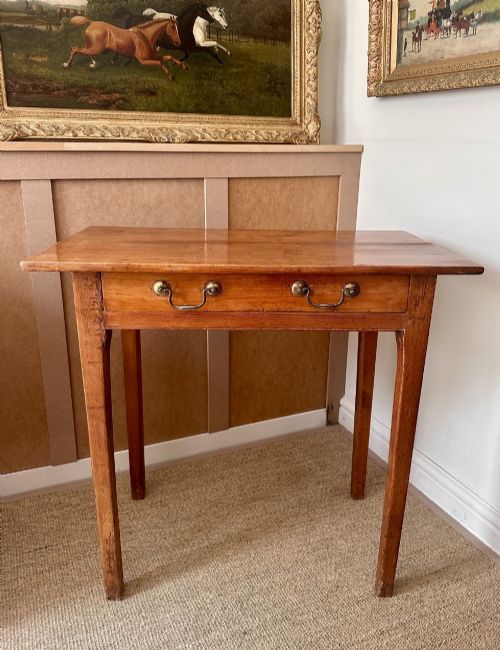
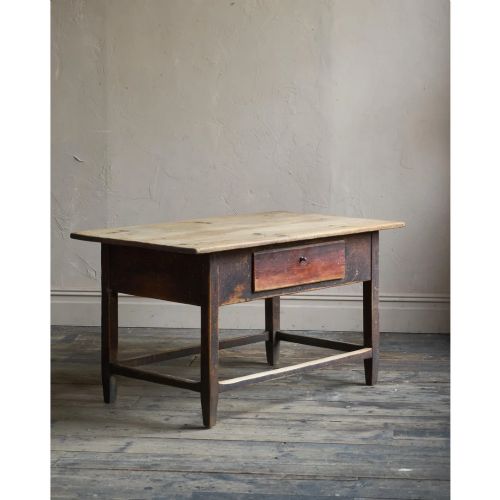
A country pine hall table brings honest utility and warmth to an entrance, offering surface space and drawers without overwhelming a narrow space.
Country Pine Hall Table
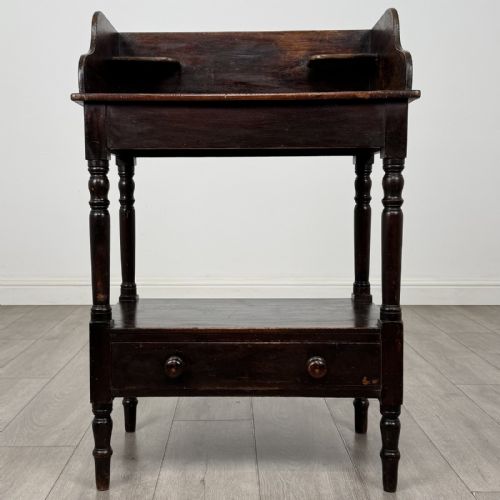
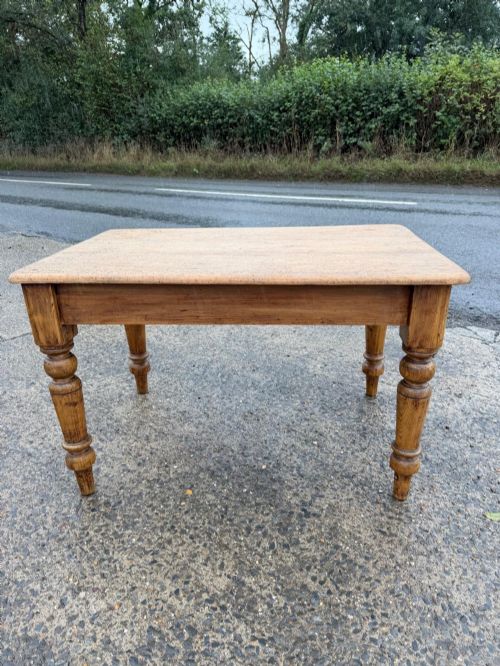
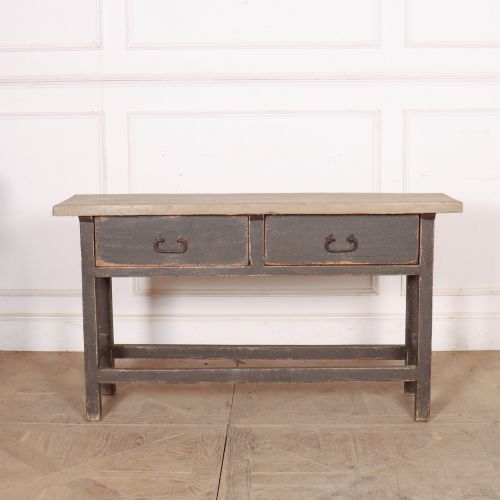
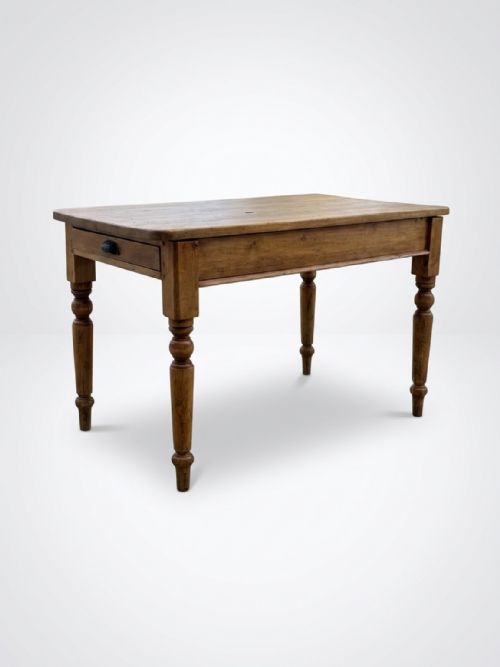
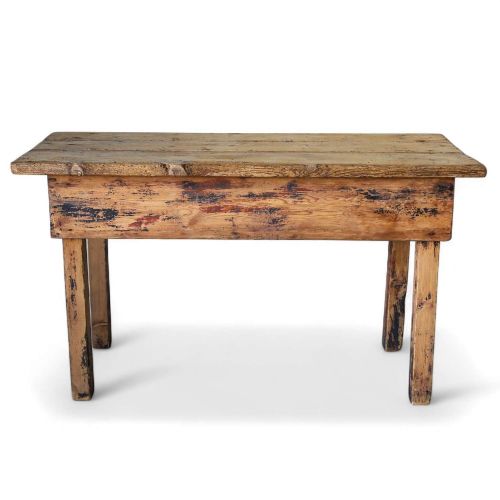
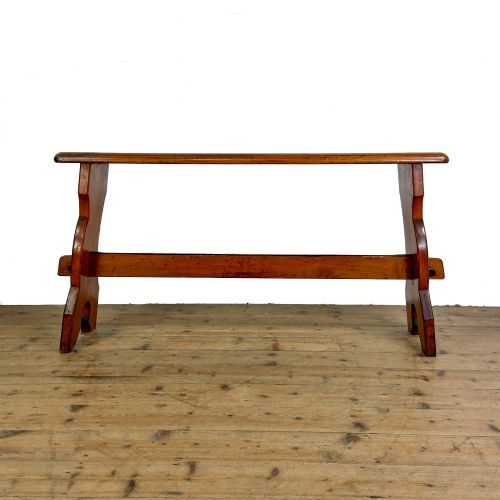
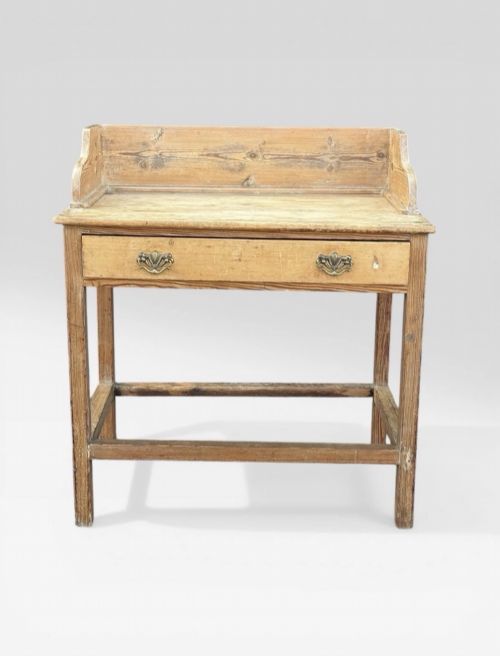
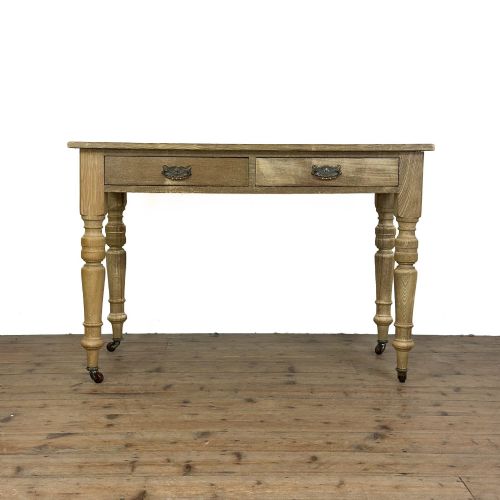
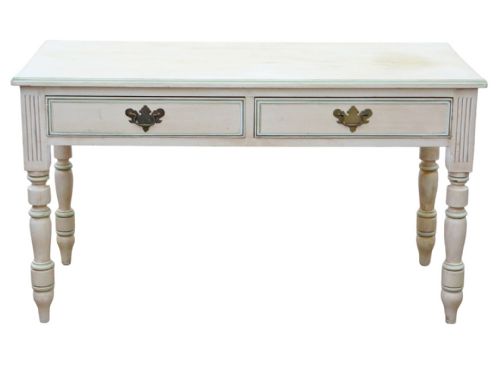
When you search for a country pine hall table, you encounter practical furniture designed for domestic service, most frequently represented here by nineteenth century side tables and console pieces. These utilitarian objects span periods from the eighteenth century through to the early twentieth century, taking forms such as serving tables, washstands, and small kitchen pieces. They arrive from English, Scottish, Welsh, and Scandinavian traditions, each reflecting regional preferences in their proportions and construction.
Materials and construction methods
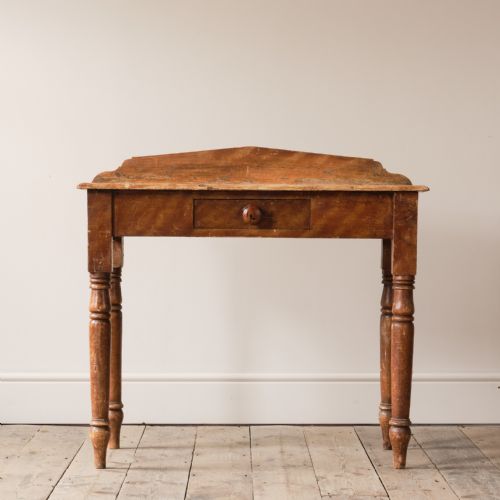
Makers relied primarily on native pine and pitch pine, selecting softwood for its accessibility and workability while occasionally incorporating oak or metal details for structural reinforcement. Surfaces frequently display the marks of hand-planing and simple joinery techniques, such as dovetailed drawer boxes and pegged joints. Many examples retain their original paint or scumble glazes, applied to mimic finer hardwoods or simply to protect the soft timber from daily wear.
Hardware consists mainly of simple brass pulls or wooden knobs appropriate to the period of manufacture. Construction prioritises sturdiness over ornamentation, resulting in robust tables built to withstand heavy daily use in busy domestic settings.
Country Pine Hall Table Retail Price Guide 2026
Typical asking prices for country pine hall table among the pieces listed under this phrase on Sellingantiques today, from the lower quarter to the upper quarter. They describe what is for sale here now, not the wider market.
Listings feature examples spanning from the eighteenth century through the Georgian and Victorian eras up to the early twentieth century, built from pine, pitch pine, and painted wood.
Distinguishing quality and character
Quality in these pieces rests upon the integrity of the original construction and the preservation of surface character. Superior examples maintain their authentic proportions, original drawer linings, and untouched painted or patinated surfaces rather than modern stripping and refinishing. The presence of original hardware and well-executed joinery elevates a piece above standard utilitarian workshop production.
Proportion and utility also dictate distinction, with smaller scaled tables and those retaining regional painted finishes holding greater interest. Gradations in quality depend on how honestly a table shows its working history, where minor signs of age enhance rather than diminish the object.
The Country Pine Hall Table Glossary
- Scumble
- A translucent layer of paint manipulated while wet to imitate the grain of more expensive timbers. This decorative finish was popular on Victorian utility furniture.
- Frieze
- The horizontal band situated directly beneath the tabletop, frequently housing one or more drawers in these tables.
- Pitch pine
- A dense, resinous variety of pine prized for its durability and prominent grain pattern. It often appears in nineteenth century writing and dressing tables.
- Potboard
- An open lower shelf fitted between the legs of a server or dresser base, originally intended for storing earthenware pots.
- Box stretcher
- Wooden rails connecting the lower legs of a table on all four sides to provide additional stability. They frequently double as a rest for the feet.
Country Pine Hall Table: Frequently Asked Questions
How do I style a pine hall table?
Keep the display simple and balanced so the timber grain or painted surface remains the focus. A ceramic bowl for keys or a slender lamp works well without cluttering the surface.
Allow the natural rustic character to contrast against neutral hallway walls. Avoid heavy styling that masks the practical origins of the piece.
Are these tables suitable for narrow hallways?
Most side and console formats feature a shallow depth designed specifically for passage spaces and narrow rooms. They provide a useful surface for post and small items without obstructing foot traffic.
Check the exact dimensions of the base and overhang before placement. Many variants were built precisely to hug cottage and farmhouse walls.
Should I choose painted or stripped pine?
Original painted surfaces offer historical depth and regional character that cannot be replicated. They suit interiors aiming for a traditional country house aesthetic.
Stripped pine reveals the golden tones and knots of the softwood timber. This option fits well in brighter spaces where natural wood texture is preferred.
How do I date an antique pine table?
Examine the construction methods of the drawer linings and the type of fixings used. Hand-cut dovetails and wrought iron nails generally point to eighteenth or early nineteenth century origins.
Tool marks left by pit saws or hand planes also help differentiate earlier vernacular pieces from later factory production. Compare the overall wear patterns to expected domestic use over the centuries.