

Country Pine Bedroom Furniture
Country pine bedroom furniture offers honest utility and warmth, bringing nineteenth-century chests and washstands into modern rooms.
Country Pine Bedroom Furniture
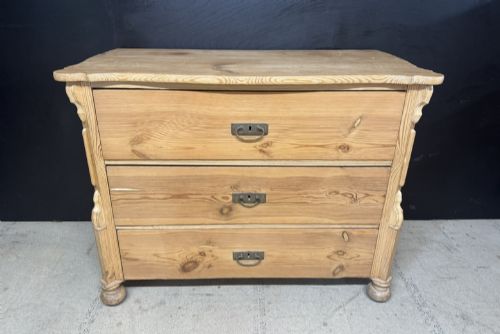
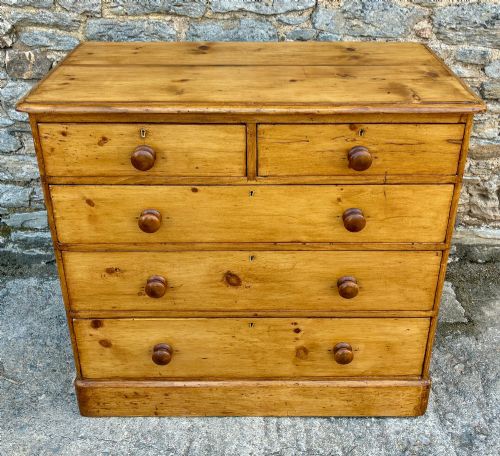
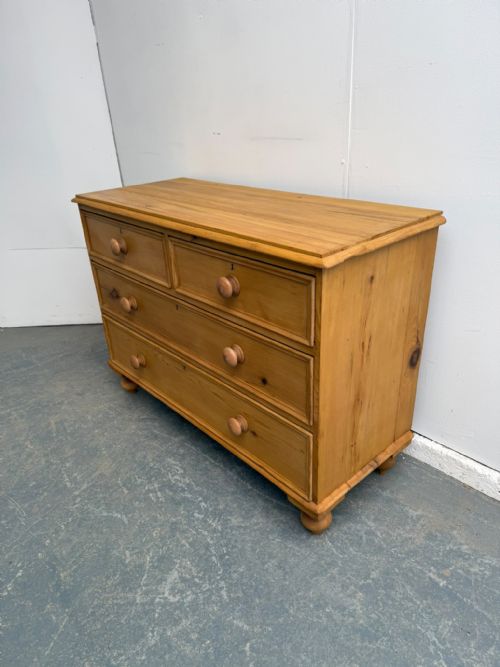
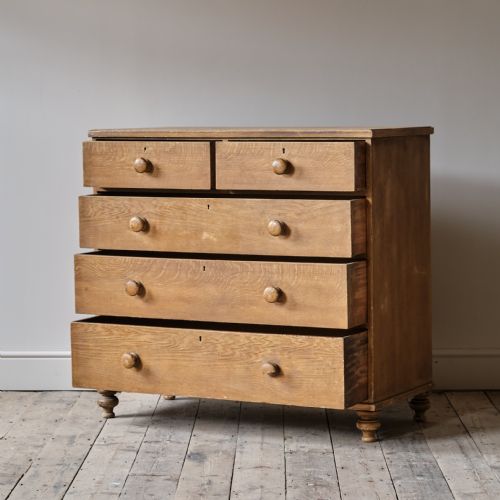
Country pine bedroom furniture consists principally of chests of drawers, washstands, dressing tables, and wardrobes dating from the nineteenth and early twentieth centuries. These utilitarian pieces originate from various regions, including England, Ireland, Sweden, and Hungary, each bearing distinct regional characteristics.
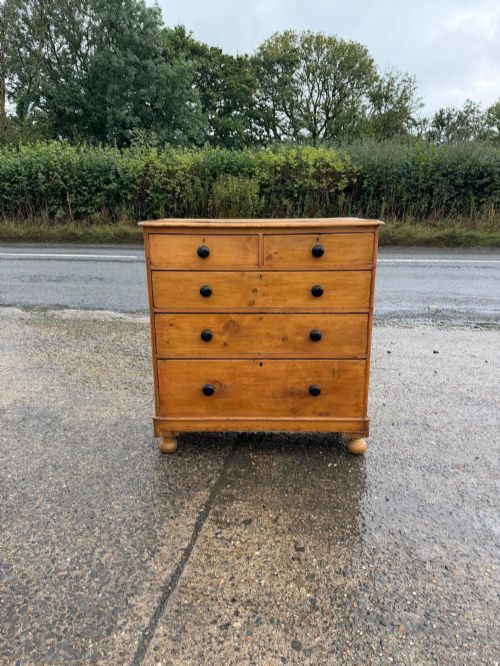
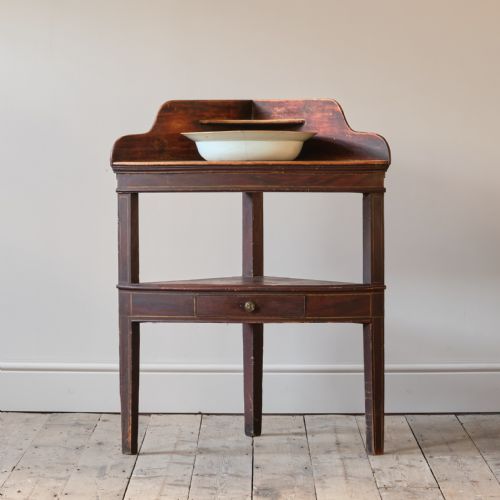
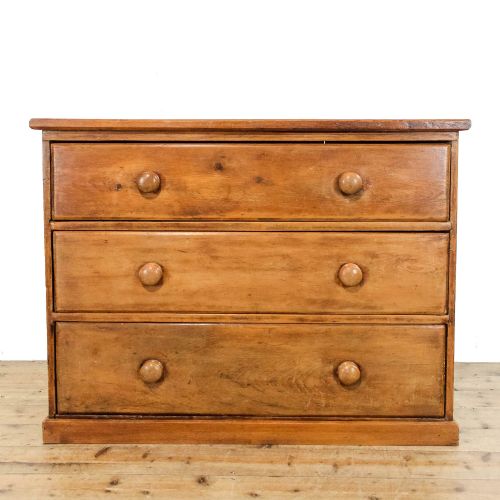
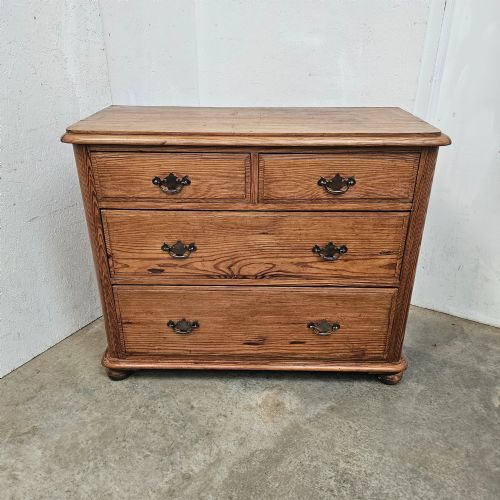
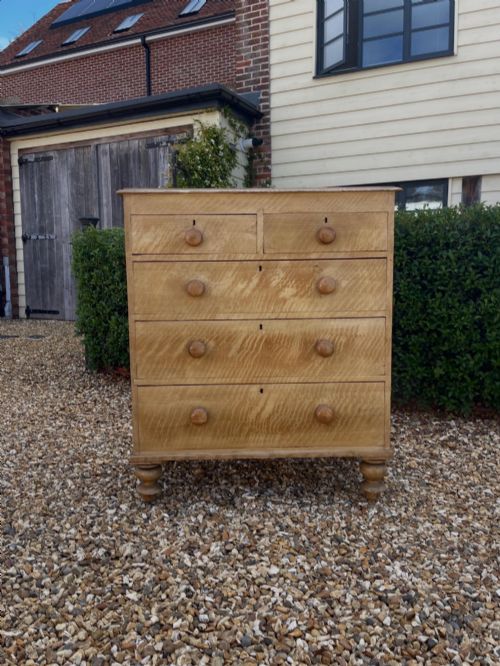
The most common form encountered on this page is the chest of drawers, ranging from low two-over-two configurations to large five-drawer and six-drawer formats. Alongside these, buyers find washstands and dressing tables constructed to serve everyday domestic needs.
Periods represented stretch from the Georgian and Regency eras through the Victorian and Edwardian periods, with the majority belonging to the Victorian age. Makers and owners utilised locally available softwoods to build robust furniture intended for practical use.
Materials and Construction
Carpenters constructed these items using solid pine, occasionally specifying English pitch pine or Oregon pine, joined with traditional methods to withstand daily wear. Drawers frequently feature hand-cut dovetails, while carcases rely on pegged or nailed joints.
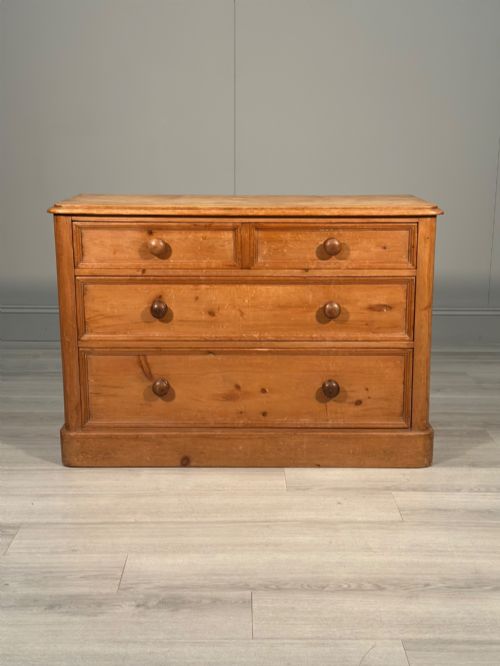
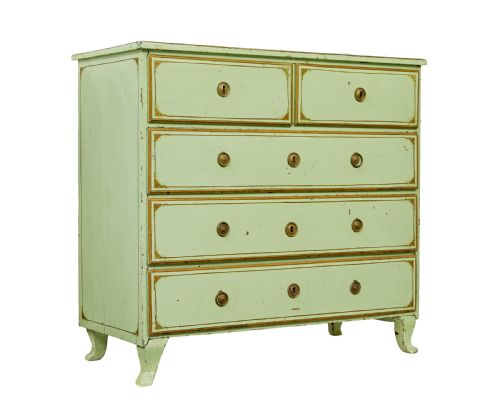
Surfaces received different treatments according to regional taste and domestic fashion, remaining bare wood that took a wax finish over decades, or receiving layers of paint. Iron, brass, and ceramic fittings appear on drawers and doors, alongside occasional glass details.
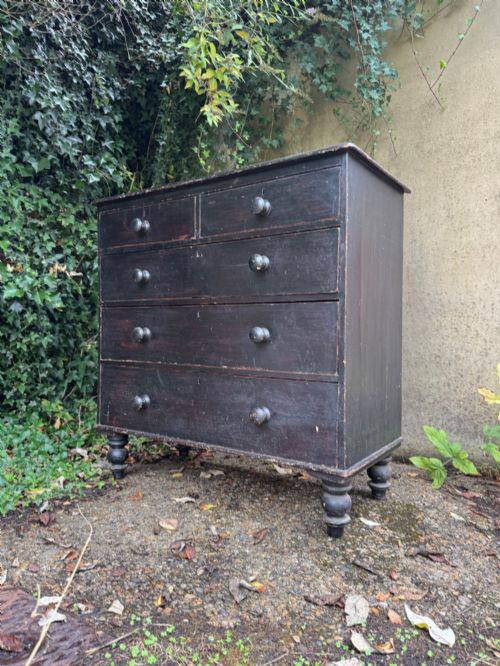
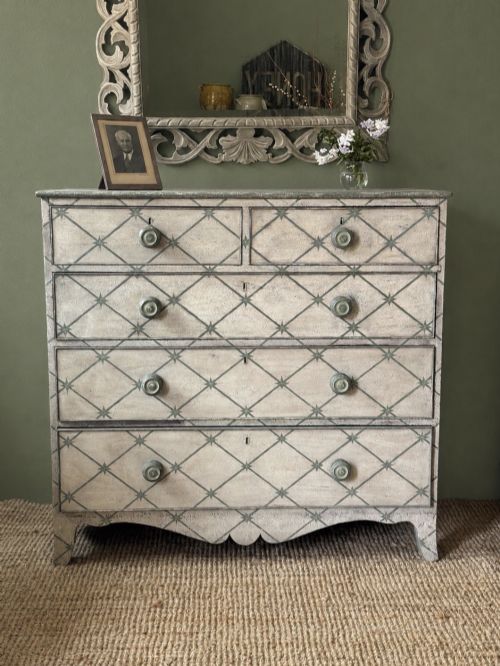
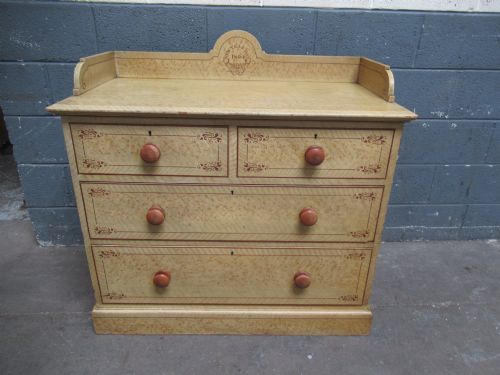
Painters decorated many continental and English examples with original paint surfaces, ranging from muted grey to distinct pigments that survive beneath subsequent layers of wear.
Materials recorded across the inventory include pine, pitch pine, Oregon pine, brass, iron, paint, ceramic, and glass.
Distinguishing Quality
Quality rests in the integrity of the timber, the retention of original surfaces, and the proportion of the piece. Unaltered items retaining their original painted finishes or early wax patination command greater interest than those stripped down to raw wood in later decades.
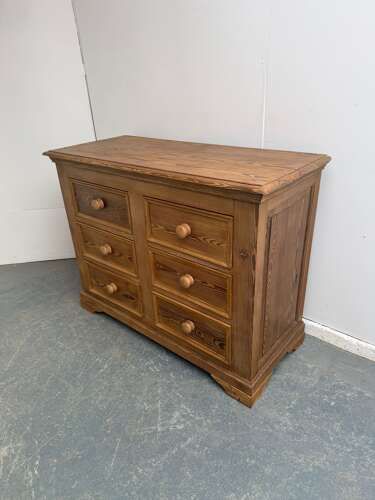
Construction details differentiate standard workshop production from finer examples, such as shaped bases, columned sides, or well-proportioned drawer arrangements like two-over-three layouts. The survival of original brass, iron, or ceramic hardware adds to the integrity of a piece.
Proportion and scale dictate visual success, with lower, wider chests or shallow depths demonstrating careful consideration by the original maker rather than purely utilitarian mass production.
The Country Pine Bedroom Furniture Glossary
- Pitch pine
- A dense, resinous softwood with a prominent grain pattern. Carpenters utilised this material for robust domestic furniture requiring structural strength.
- Washstand
- A dedicated bedroom item designed to hold a basin and jug for morning ablutions. These often incorporate marble tops or tiled backs alongside lower storage.
- Dovetail
- A joint formed by interlocking wedge-shaped fingers used in drawer construction. This method provides strong tensile resistance for daily pulling.
- Waxed finish
- A surface treatment applied to timber to nourish the wood and produce a soft sheen. Repeated applications over decades build a deep patination.
- Original paint
- The initial decorative coating applied to a piece during its period of manufacture. Surviving early paint schemes preserve the authentic character of country furniture.
Country Pine Bedroom Furniture: Frequently Asked Questions
What pieces comprise country pine bedroom furniture?
The category centres on storage and dressing items, predominantly chests of drawers, washstands, dressing tables, and wardrobes. These utilitarian forms reflect the domestic requirements of nineteenth-century households.
Most items date from the Victorian and Edwardian eras, constructed by regional makers using accessible softwood timbers rather than expensive hardwoods.
How do I care for waxed pine surfaces?
Maintain waxed pine by applying a traditional beeswax polish sparingly and buffing it with a soft cloth to preserve the sheen. Avoid placing timber near direct heat sources or strong sunlight to prevent drying and splitting.
Clean surfaces with a dry or barely damp cloth, steering clear of modern silicone sprays that can damage old wax layers.
Are painted finishes original?
Many items retain their early or original paint layers, which often show natural craquelure and wear accumulated over generations of use. Examining the edges and interior surfaces helps reveal whether paint dates from the manufacturing period or represents later decoration.
Original painted surfaces provide historical context and visual charm, varying from English country tones to Swedish and Hungarian pigments.
How do I distinguish Victorian from Edwardian pieces?
Victorian examples generally display heavier proportions, robust mouldings, and deeper drawer configurations, often utilising waxed pine or original paint. Edwardian pieces tend towards lighter frames, simpler lines, and occasional combinations of dressing tables with washstands.
Construction techniques also offer clues, as later nineteenth-century and Edwardian workshops incorporated slightly more standardised machine-cut elements alongside traditional hand joinery.