
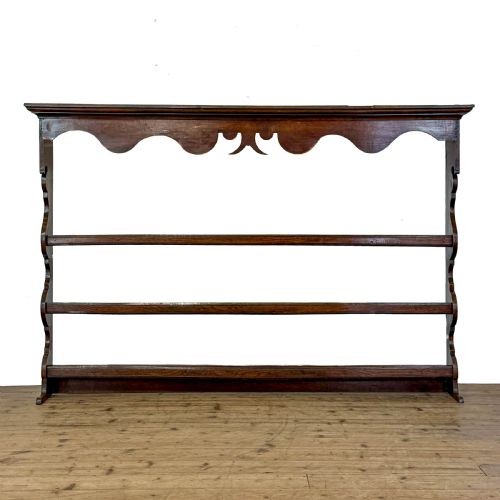


Country Oak Hanging Shelves
Country oak hanging shelves are wall-mounted storage pieces built for domestic utility, offering timber character and practical display space for interiors.
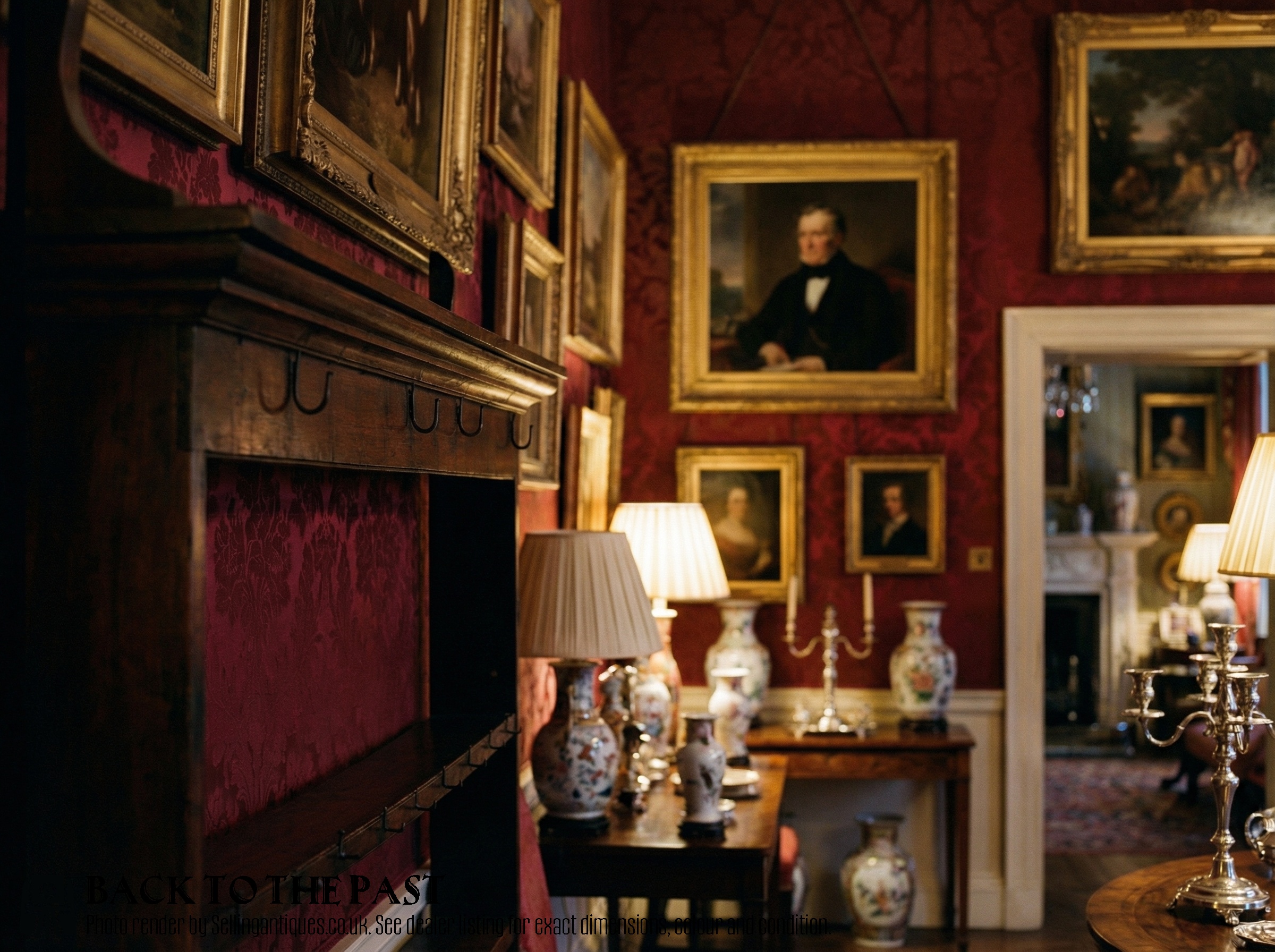
Country Oak Hanging Shelves
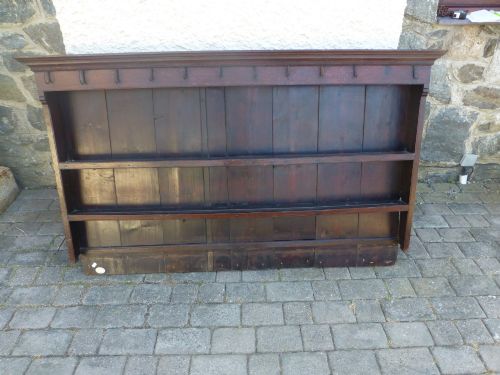
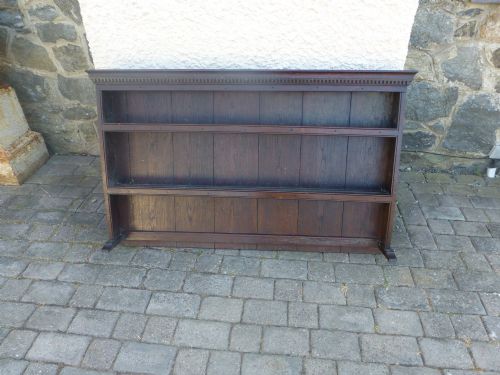
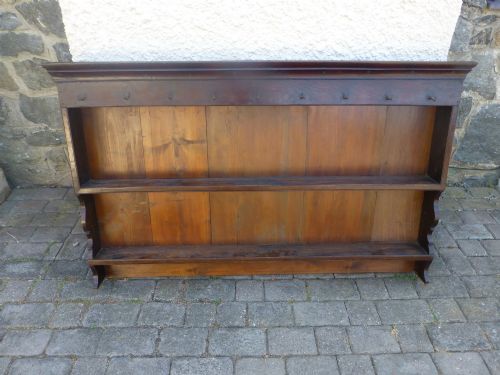
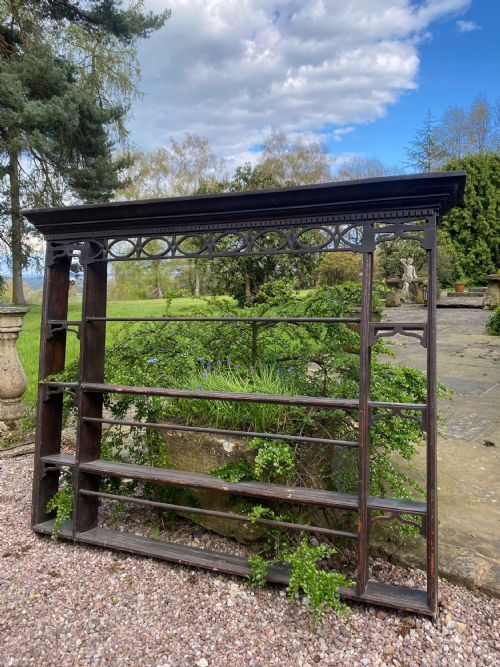
When you search for country oak hanging shelves, you encounter sturdy timber storage units designed to mount directly onto walls in domestic spaces. The selection includes plate racks, wall shelves, corner shelves, and hanging cupboards originating from the seventeenth, eighteenth, and nineteenth centuries.
You are most likely to meet eighteenth-century and Georgian examples built to hold delftware and household items. These pieces frequently manifest as dresser racks and open plate racks rather than enclosed cabinetry.
Regional styles span English country, French provincial, and Georgian traditions alongside occasional Gothic revival and Renaissance revival influences. The primary construction material remains oak, sometimes paired with iron and brass fixings.
How they were made
Joiners built country oak hanging shelves using solid timber planks joined with traditional methods suited for wall-hung weight-bearing furniture. Oak provides the structural foundation across the pieces, occasionally enhanced by stained finishes.
Hardware details incorporate iron and wrought iron strap hinges, brackets, and hanging loops to secure the timber frames to walls safely. Brass elements appear selectively on locking mechanisms and decorative mounts.
The listings span the seventeenth, eighteenth, and nineteenth centuries, featuring materials such as oak, iron, brass, stained oak, and mahogany.
What varies in quality
Quality in country oak hanging shelves depends on the selection of timber grain, the integrity of structural joints, and the retention of original surface patination. Pieces exhibiting deeply figured timber and honest age-related wear hold greater interest for collectors.
The sophistication of moulding profiles, carved details, and shaped shelves separates standard utilitarian workshop production from finer regional examples. The survival of original hanging hardware and backboards further influences the character of each piece.
The Country Oak Hanging Shelves Glossary
- Delft rack
- A wall-mounted wooden rack specifically designed to display ceramic plates and platters upright. These structures feature horizontal timber rails and plate grooves.
- Hanging cupboard
- An enclosed wall cabinet fitted with doors and internal shelving for secure storage. They save floor space in domestic interiors.
- Corner shelf
- Triangular shelving units engineered to fit snugly into room angles. They utilise neglected wall space efficiently.
- Patina
- The surface sheen and colour developed by timber over centuries of use and exposure to air and light. It signals authentic age.
Country Oak Hanging Shelves: Frequently Asked Questions
How were hanging shelves used originally?
Country oak hanging shelves served primarily in kitchens and dining areas to store and display earthenware plates, platters, and daily household utensils.
Keeping ceramics elevated protected them from foot traffic and pests while making frequently used tableware readily accessible during meal preparation.
How do I mount heavy oak shelves safely?
Secure mounting requires locating structural wall studs or masonry anchors capable of supporting the combined weight of solid oak and heavy ceramics.
Utilise the original iron or brass hanging points whenever possible, supplementing them with discreet modern load-bearing brackets hidden behind the frame.
How do I tell eighteenth-century oak from later copies?
Examine the timber boards for hand-sawn tool marks, uneven thickness, and natural shrinkage patterns that reveal the work of early joiners.
Eigteenth-century pieces often display pegged mortise and tenon joints and surface patination that machine-cut modern reproductions cannot replicate.
Can these shelves support heavy modern dishware?
Solid oak construction provides substantial inherent strength, but the overall weight capacity depends on the condition of the backboards and wall fixings.
Lighter antique ceramics fit the historic design parameters best, though sturdy Georgian plate racks handle everyday dishware comfortably when properly installed.