


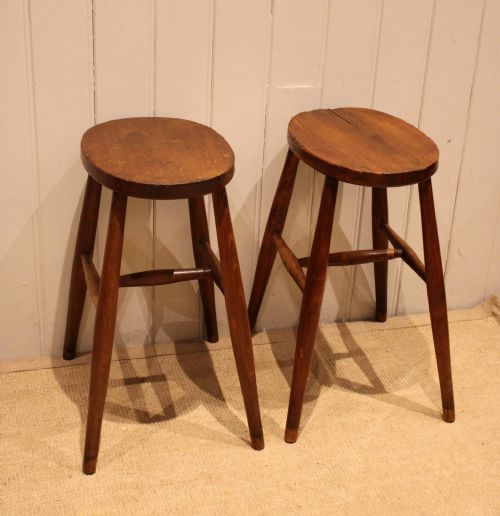


Country House Stool
A country house stool brings centuries of practical domestic seating into modern rooms through generous proportions and honest materials.
Country House Stool
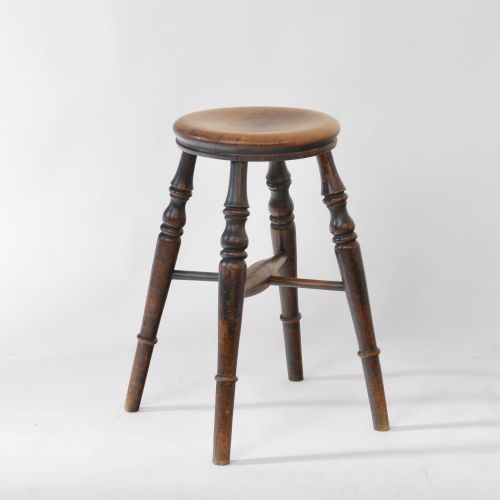
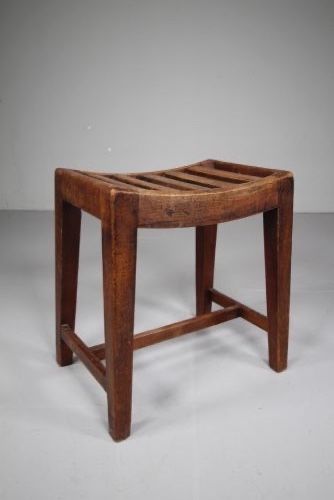
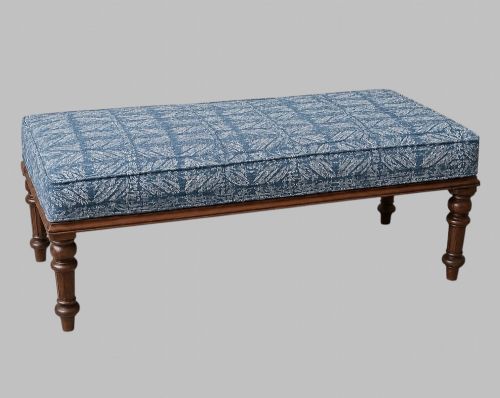
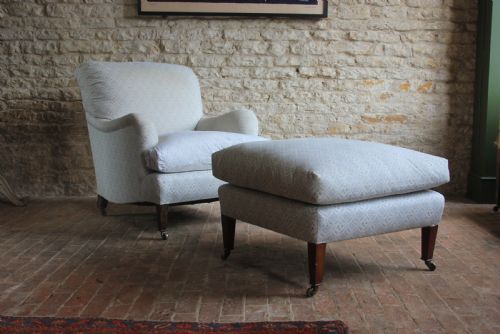
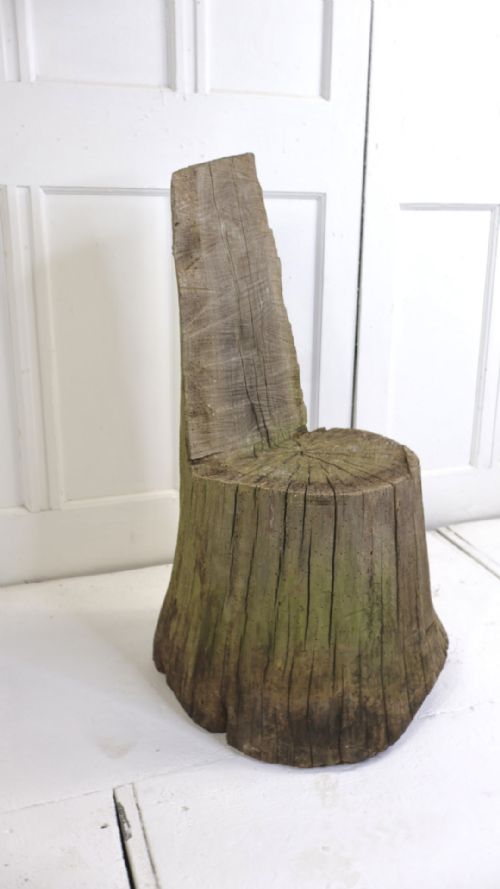
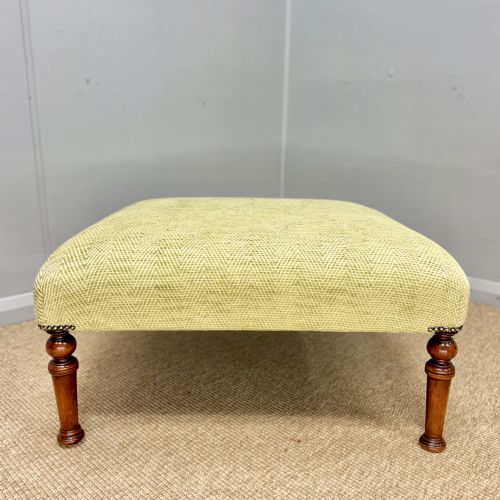
A country house stool encompasses a diverse group of domestic seating forms ranging from simple farmhouse three-legged milk stools to large Victorian and Georgian centre pieces. These pieces serve multiple domestic functions, appearing as footstools, ottomans, window seats, and fireside fenders across the periods.
The selections span the eighteenth, nineteenth, and early twentieth centuries, featuring styles from plain rustic folk art to formal Gothic Revival and Georgian designs. Buyers encounter everything from small rush-seated oak examples to substantial buttoned leather and upholstered centre pieces.
Materials and Construction
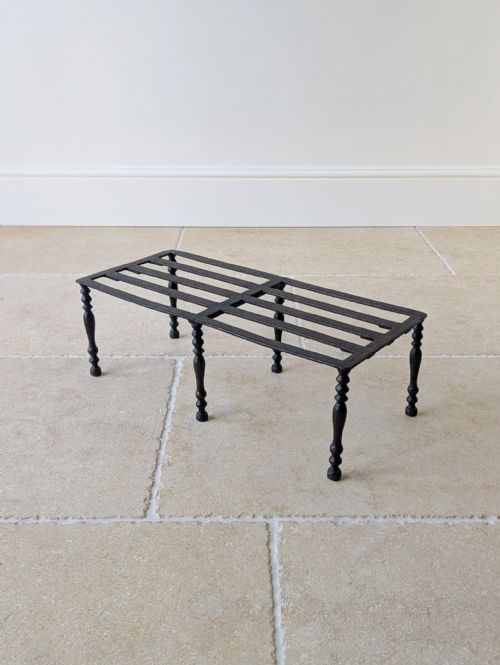
Makers construct these stools using native hardwoods including oak, mahogany, walnut, elm, beech, fruitwood, and sycamore, often combining timbers for frames and seats. Wrought iron and brass also appear in hearth equipment and specific structural supports.
Upholstery techniques range from traditional webbing and stuffing with fabric, tapestry, or leather to simple solid wood plank seats and woven rush. Carved frames in walnut, mahogany, and gilt wood demonstrate formal joinery, while pegged joints anchor simpler farmhouse variants.
Country House Stool Retail Price Guide 2026
Typical asking prices for country house stool among the pieces listed under this phrase on Sellingantiques today, from the lower quarter to the upper quarter. They describe what is for sale here now, not the wider market.
Among the seating are items designated specifically for milkmaids, taverns, luggage storage, and hearth-side foot warming.
Judging Quality and Character
Quality rests in the integrity of the timber, the weight and proportions of the frame, and the retention of original surfaces such as early paint traces or patinated wood. Substantial timber framing and careful joinery distinguish superior centre stools and ottomans from lighter utility seating.
The sophistication of the secondary details, from hand-carved cabriole legs to traditional buttoned leather or needlework upholstery, separates standard utility pieces from exceptional country house examples.
Howard & Sons·Hallett & Sons
The Country House Stool Glossary
- Centre stool
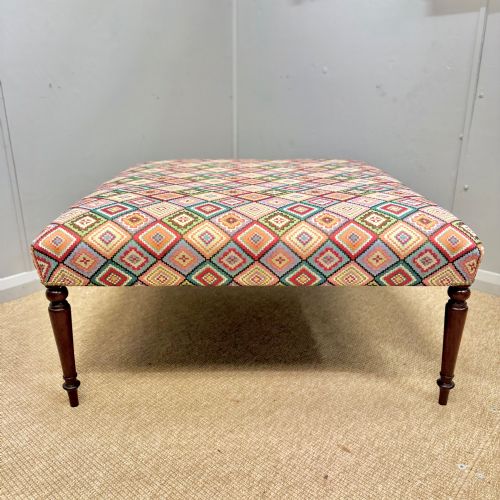
- A large freestanding stool designed to sit in the middle of a room or act as an ottoman. These pieces often feature extensive upholstery and substantial wooden frames.
- Rush seat
- A seating surface woven from dried marsh grasses. This traditional technique provides a sturdy and flexible platform on wooden frame stools.
- Footman
- A metal stand placed by the hearth for warming food or water. These wrought iron pieces belong to fireside hearthware.
- Window seat
- An elongated stool or bench designed specifically to fit into a window recess. They frequently incorporate upholstered tops and wooden frames.
- Gilt wood
- Wood coated with a thin layer of gold leaf. This finish appears on more formal decorative pieces.
Country House Stool: Frequently Asked Questions
How do I use a large centre stool?
A large centre stool functions as a flexible surface for resting feet, holding trays, or providing extra seating in the middle of a living space.
Their substantial frames make them visual anchors that bridge the gap between coffee tables and traditional upholstery.
What is the difference between an ottoman and a footstool?
Ottomans typically offer enclosed interior storage beneath a hinged or lift-off top, functioning as both furniture and chest.
Footstools are generally lower, open-frame structures intended primarily to support the feet or serve as casual seating.
Are rush seat stools durable for daily use?
Rush seats woven from natural marsh grasses offer surprising tensile strength and flexibility for everyday sitting.
Keeping them away from excessive moisture preserves the dried plant fibres over decades of domestic life.
How do I identify a Georgian period stool?
Georgian pieces often display mahogany frames, precise joinery, and stylistic markers such as shaped rails or carved cabriole legs.
Their proportions reflect the formal interior design standards of the eighteenth century.