




Country House Pine Cupboard
A country house pine cupboard brings honest utility to a room, offering robust storage shaped by regional workshops from the eighteenth century onward.
Country House Pine Cupboard
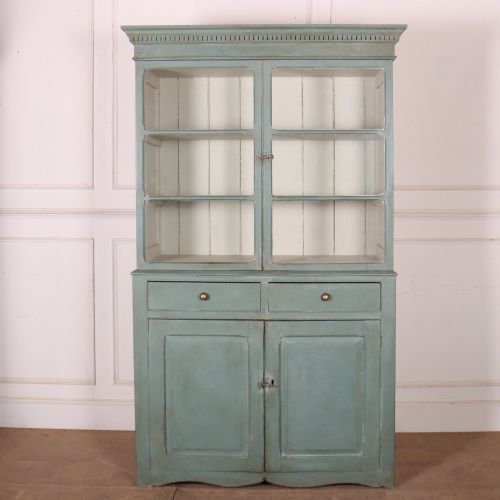
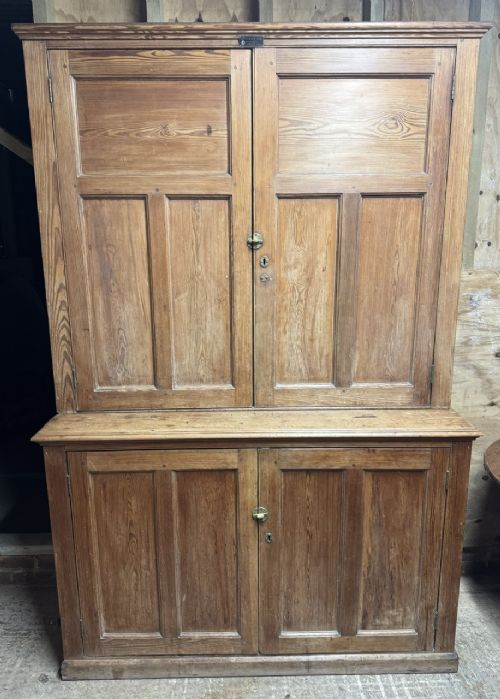
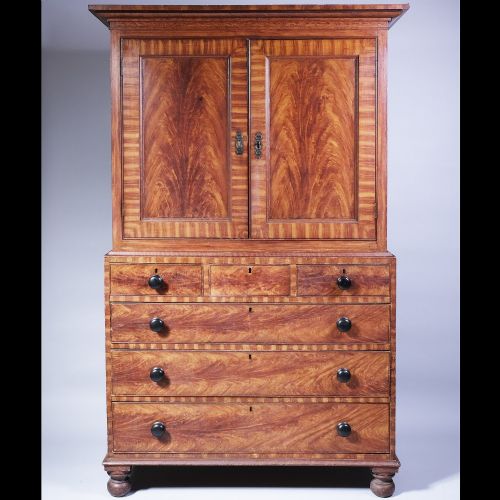
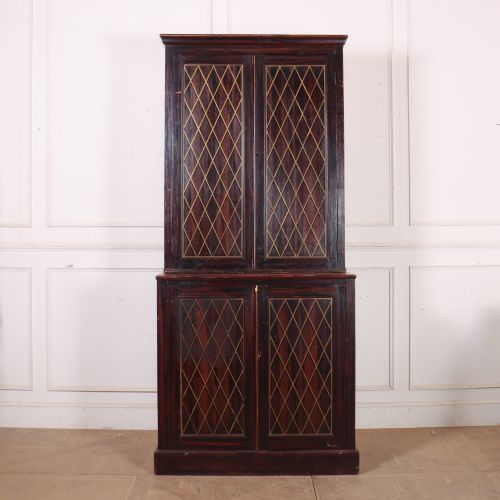
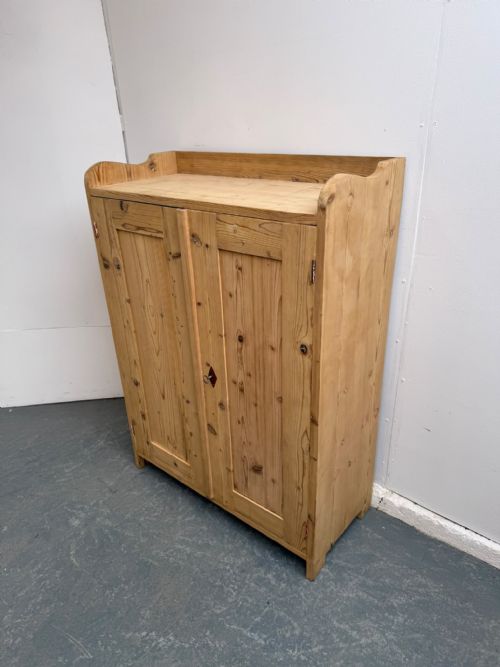
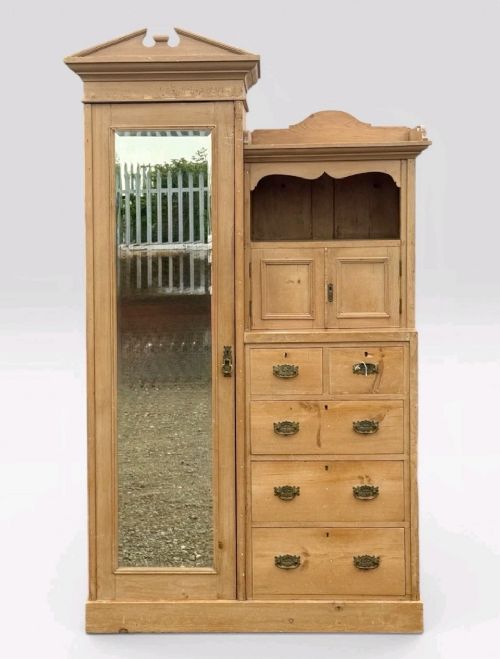
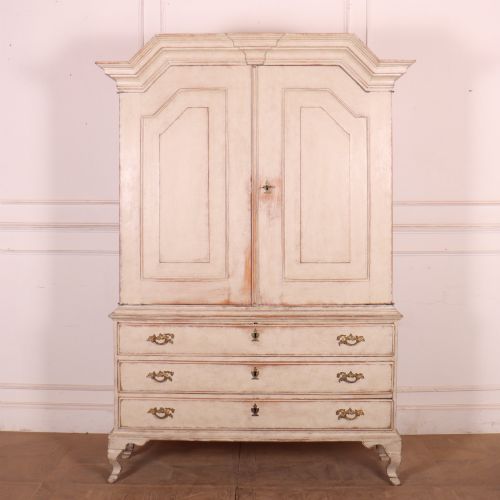
A country house pine cupboard takes many forms across the evidence, appearing as housekeepers' cupboards, linen cupboards, kitchen dressers, wardrobes, and bookcases. These pieces originate from English counties like the West Country and Yorkshire, as well as Scottish, Irish, Scandinavian, and Danish workshops.
The domestic forms range from large two-part housekeeper's cupboards and breakfront dressers down to smaller bedside cabinets, school cabinets, and food cupboards. Buyers encounter pieces spanning the Georgian, Victorian, and Edwardian periods alongside eighteenth- and nineteenth-century examples.
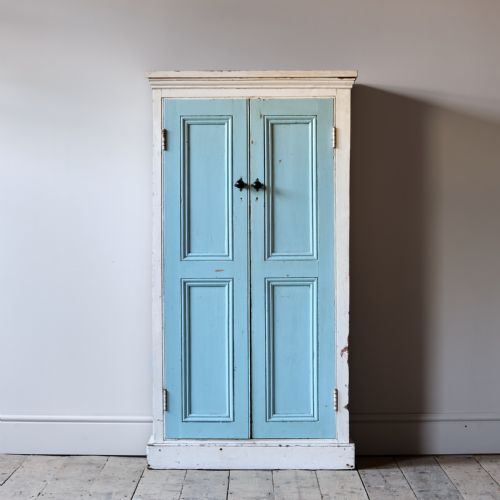
Regional variations define the selection, showing distinct styles such as English country, Victorian country, Scandinavian country, Irish country, and Scottish country. The scale stretches from compact single-door hanging cupboards to expansive double bookcases and chifferobes.
Materials and Construction
Makers built these pieces primarily using pine, pitch pine, and occasionally oak, assembling bodies with panelled doors, breakfront drawers, and knockdown construction for larger wardrobes. Hardware typically involves brass and iron fittings.
Surfaces receive various treatments recorded in the evidence, including exposed wax finishes, plain pine, and painted schemes such as original paint, scumble paint, and oak grain effect. Glazed doors incorporate glass panels for bookcases and cabinets.
One surviving Hungarian cupboard hides inside a coat of amazingly green paint.
Proportion and Finish
Quality rests in the survival of original surface treatments, distinguishing pieces retaining their early paint or scumble effects from those stripped or repainted later. The integrity of the timber, particularly where pine or pitch pine shows honest wear, marks the better examples.
Structural complexity also separates the range, from simple single-door food cupboards to large, finely proportioned two-part housekeeper's cupboards and breakfront dressers with functional drawers and panelled doors.
The Country House Pine Cupboard Glossary
- Housekeeper's cupboard
- A large storage piece traditionally used for linen, dry goods, and household stores, usually featuring upper cupboards and lower drawers or doors. These form a backbone of domestic utility in country houses.
- Scumble paint
- A translucent glaze brushed over a base coat and manipulated with combs or rags to imitate the grain of more expensive hardwoods. It appears frequently on nineteenth-century vernacular furniture.
- Breakfront
- A piece of furniture whose central section projects forward from the flanking sides. This architectural arrangement creates depth and visual interest on larger dressers and bookcases.
- Chifferobe
- A hybrid storage piece combining the vertical hanging space of a wardrobe with the drawer configuration of a chest. It offers versatile storage within a single carcass.
- Knockdown
- Furniture constructed to be easily dismantled into modular sections for transport and reassembly on site. This technique facilitated the movement of large wardrobes and presses through narrow stairwells.
Country House Pine Cupboard: Frequently Asked Questions
What is a housekeeper's cupboard?
A housekeeper's cupboard is a large storage unit traditionally designed to hold household linens, dry stores, and domestic equipment. They combine upper cabinet storage with lower drawers or doors.
In period homes, these substantial pieces stood in back corridors or kitchens as central hubs for household management.
How do I identify original paint?
Original paint shows the natural wear, craquelure, and tonal variation accumulated over generations of use. It sits firmly within the grain without modern synthetic undercoats.
Examining edges, hinges, and protected interior surfaces helps reveal whether the exterior coating dates to the period of manufacture.
Where were these cupboards made?
These pieces originate from diverse regional workshops across the British Isles and Scandinavia. Evidence records examples from English counties, the West Country, Yorkshire, Scotland, Ireland, Denmark, and Sweden.
Local timber supplies and domestic traditions influenced the specific form and decorative finish of each region.
How do I use a pine cupboard today?
These cupboards provide versatile storage for modern living rooms, kitchens, bedrooms, and hallways. Deep shelves accommodate clothing, kitchenware, books, or linens.
The generous proportions and varied internal configurations allow them to function effectively as wardrobes, bookcases, or general utility cabinets.