




Country House Dressing Table
A country house dressing table brings understated utility and history into a bedroom, offering rustic charm alongside solid period construction.
Country House Dressing Table
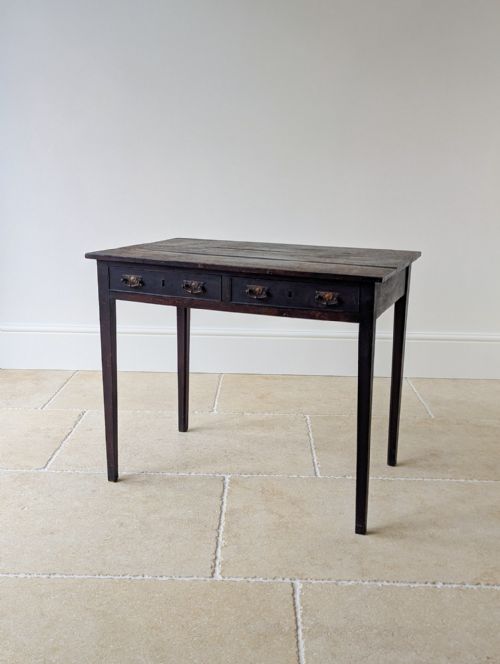
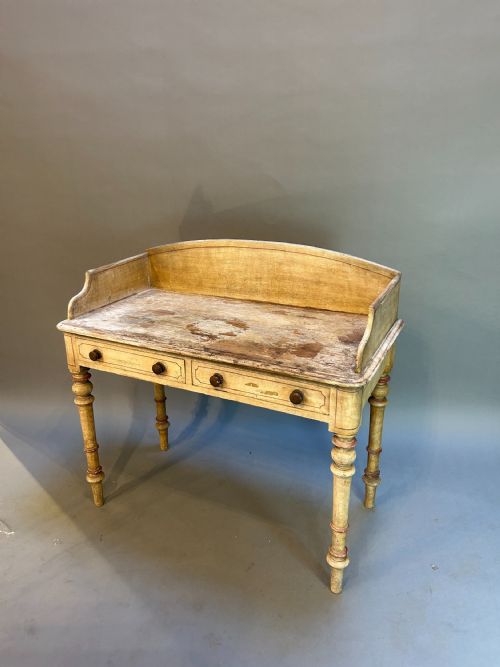
A country house dressing table spans several distinct periods, most commonly appearing in Georgian and 19th-century iterations across this selection. Buyers searching for a country house dressing table encounter versatile forms such as lowboys, side tables, washstands, and writing tables rather than purely uniform toilet tables.
The aesthetic leans towards vernacular utility, encompassing rustic farmhouse and provincial styles alongside formal Georgian and Regency designs. Pieces range from simple pine and painted wood constructions to richer fruitwood, oak, and mahogany variants.
Surviving examples often blur the line between a dedicated dressing table and a multipurpose side table or lowboy. This flexibility defines the category, reflecting how rooms in traditional country houses served multiple domestic functions over the centuries.
Assessing quality
Quality rests primarily on timber selection and the integrity of the original surface, whether that is aged fruitwood or period paint. Pieces retaining their untouched patination command greater interest than those stripped or overly restored.
Proportion and restrained detail separate standard utilitarian items from finer examples associated with known makers. Refined leg profiles, well-executed drawer construction, and harmonious proportions indicate a higher tier of country house furniture.
Country House Dressing Table Retail Price Guide 2026
Typical asking prices for country house dressing table among the pieces listed under this phrase on Sellingantiques today, from the lower quarter to the upper quarter. They describe what is for sale here now, not the wider market.
Some country house tables bear ink stains inside their drawers from centuries of hurried morning letter-writing.
Gillows of Lancaster
The Country House Dressing Table Glossary
- Lowboy
- A small oak, walnut, or fruitwood dressing or side table featuring a low set of drawers beneath the surface. They became popular in the late 17th century and continued through the Georgian period.
- Washstand
- A dedicated piece of bedroom furniture designed to hold a basin and pitcher for morning ablutions. These often include marble tops or splashbacks and frequently double as dressing surfaces.
- Duchesse dressing table
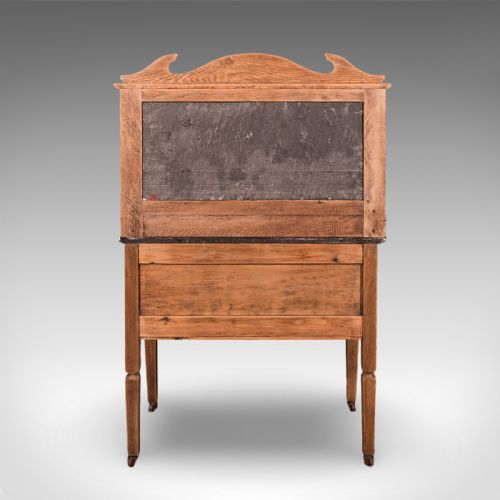
- A large vanity table featuring a central mirror flanked by smaller surfaces or drawers. They are frequently associated with Victorian bedroom suites.
- Fruitwood
- Timber sourced from fruit-bearing trees such as pear, apple, or cherry, prized by cabinetmakers for its fine grain and warm tone. It is commonly found on provincial tables from the 18th century.
Country House Dressing Table: Frequently Asked Questions
How do I spot an original period piece?
Examine the timber shrinkage, handmade drawer dovetails, and signs of genuine wear consistent with age. Tool marks and mismatched secondary woods often confirm traditional construction.
Compare the proportions and hardware to known examples from the same era to ensure consistency across the frame.
Can these tables be used in modern bedrooms?
Their modest proportions and practical drawers make them well-suited for use as compact desks or vanity units. Many pieces offer surface area without dominating the room layout.
Pairing them with a simple stool or chair creates a functional station that complements contemporary or traditional interiors alike.
What is the difference between a lowboy and a dressing table?
A lowboy is a small table with drawers originally used for various domestic tasks, including grooming and serving. Dedicated dressing tables often incorporate attached mirrors or specific compartments for toilet articles.
Many country house examples bridge these categories, serving multiple functions depending on the room they occupied.
How should I care for antique painted surfaces?
Dust gently with a dry, soft cloth and avoid chemical cleaners that can lift or dissolve historic paint layers. Keep wooden pieces away from direct heat sources and strong sunlight to prevent warping and fading.
Wax can be applied sparingly to unpainted timber surfaces to nourish the grain, but painted finishes generally require minimal intervention.