

Country House Couch
A country house couch brings deep proportions and enduring comfort into a room, offering generous seating built for long habitation.
Country House Couch
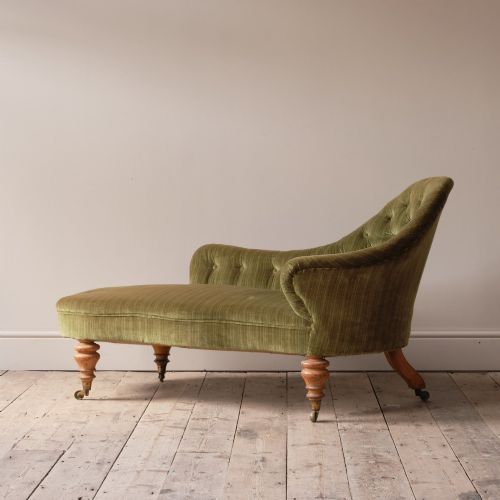
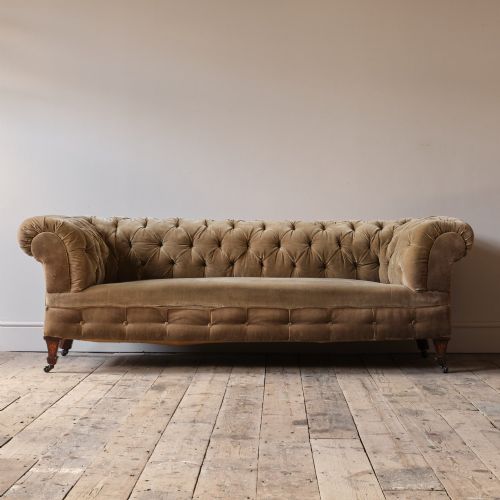
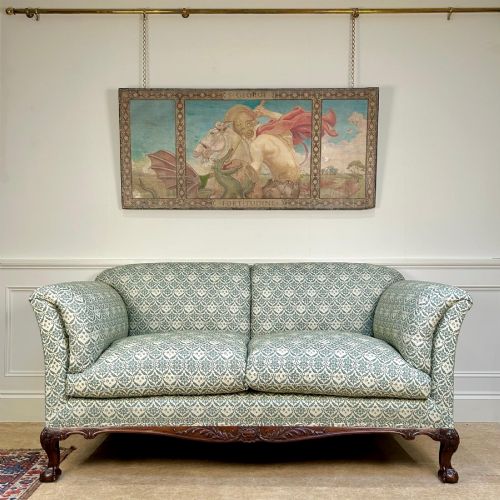
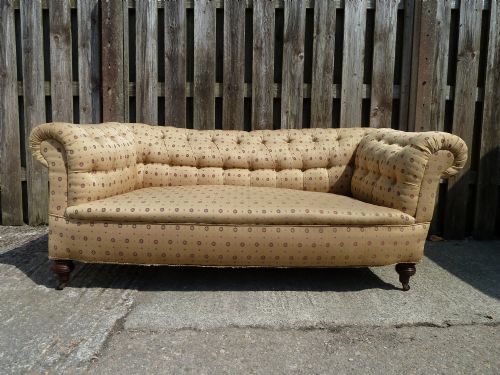
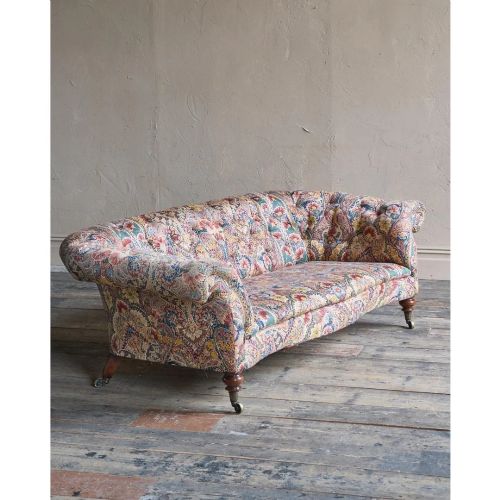
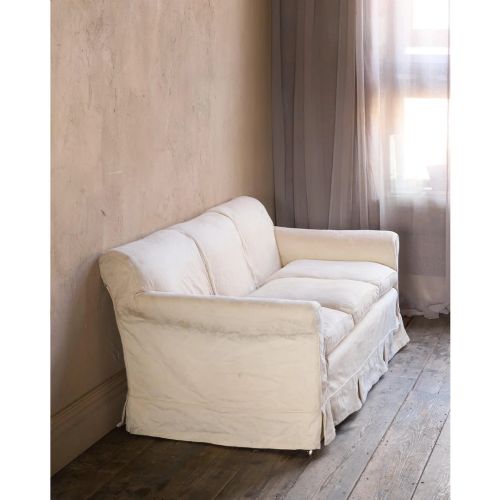
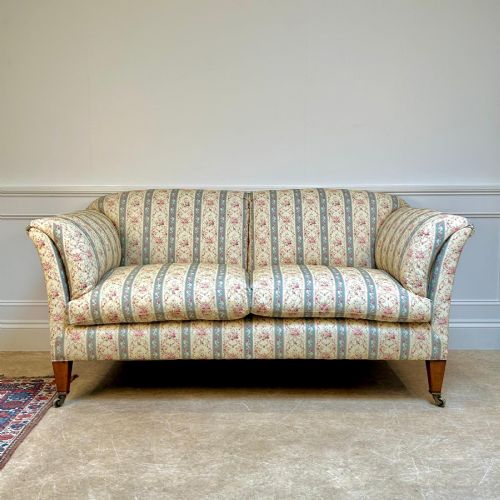
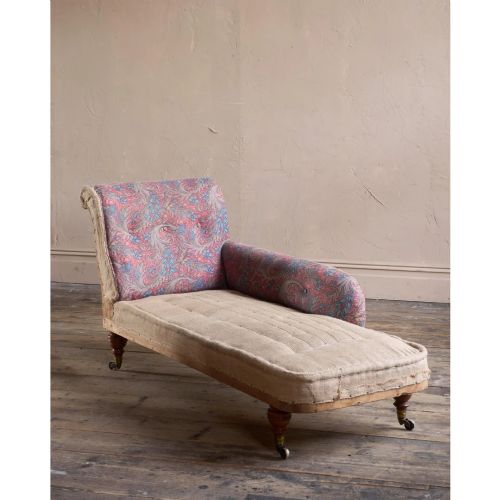
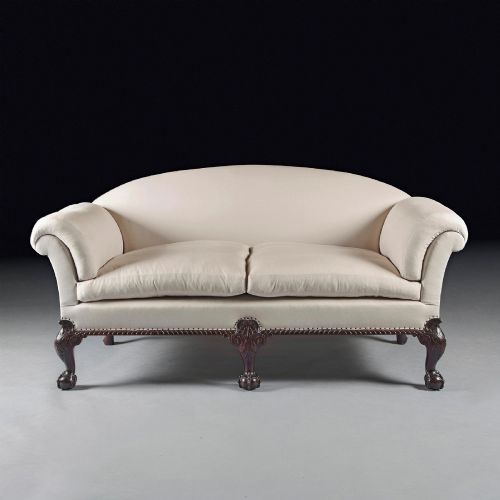
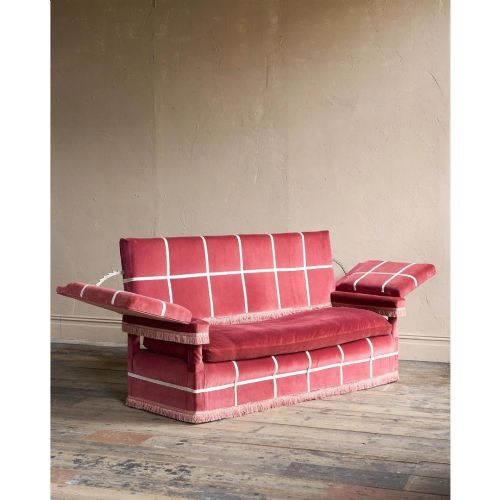
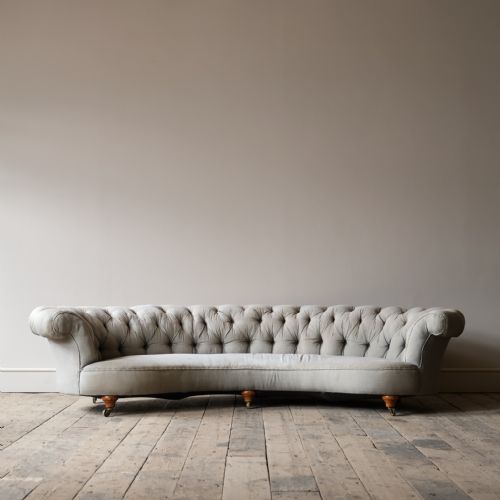
A country house couch encompasses large-scale seating designed for principal rooms, spanning informal lounging sofas to formal Chesterfield and Knole designs. The examples on this page predominantly date from the nineteenth century through the early twentieth century, reflecting the periods of greatest output.
Makers such as Howard and Sons alongside firms like Miles and Edwards, Hampton and Sons, and Morison and Co dominate the better pieces. Buyers frequently encounter deep-seated two and three-seater configurations, alongside chaise longues and daybeds suited to expansive interiors.
How they were made
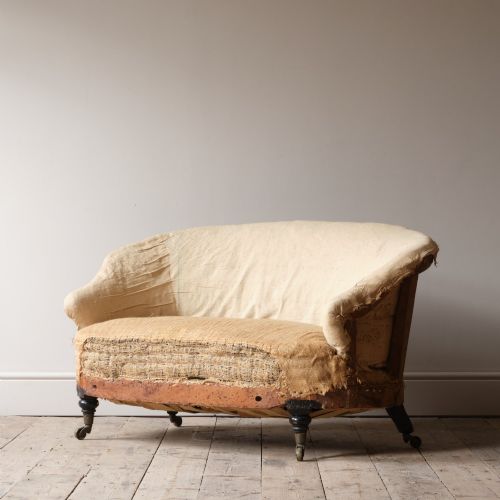
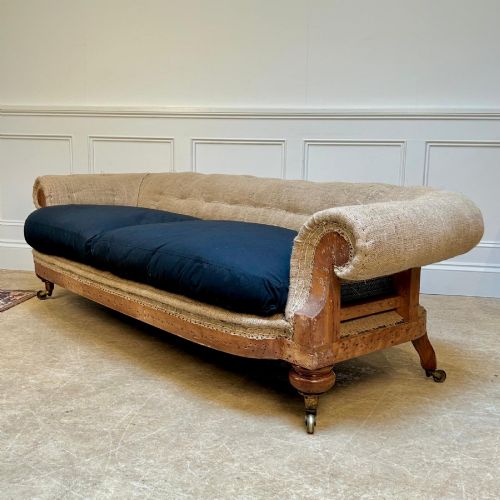
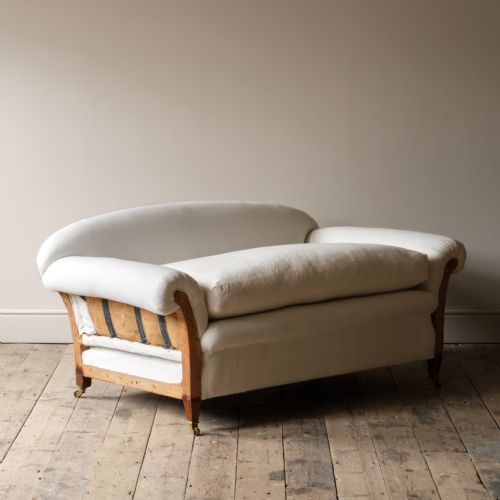
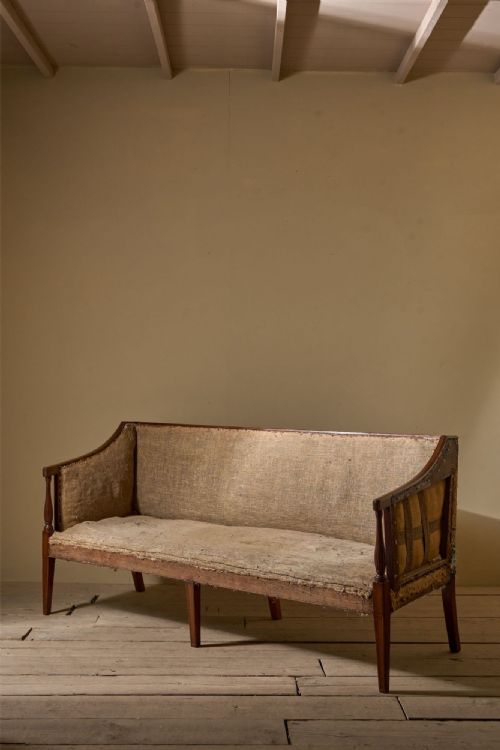
Frames rely on sturdy timbers including mahogany, rosewood, hardwood, and general timber framing, providing the robust skeleton necessary for heavy upholstery. Brass elements often appear on castors or decorative mounts, while foundation work frequently utilises hessian, calico, and underlying webbing.
Upholstery methods prioritise deep comfort through sprung interiors and generous padding, subsequently finished in various textiles ranging from leather and velvet to damask. Simulated rosewood surfaces demonstrate alternative decorative treatments applied to standard hardwoods during the nineteenth century.
Country House Couch Retail Price Guide 2026
Typical asking prices for country house couch among the pieces listed under this phrase on Sellingantiques today, from the lower quarter to the upper quarter. They describe what is for sale here now, not the wider market.
Materials recorded across current stock include mahogany, rosewood, brass, leather, velvet, calico, and hessian.
What varies in quality
The integrity of the underlying timber frame and the retention of original maker stamps or labels significantly elevate a piece. Substantial proportions combined with sophisticated upholstery geometry separate utilitarian seating from exceptional workshop productions.
Finer examples maintain well-balanced frame proportions, authentic period castors, and high-specification internal stuffing that preserves the intended silhouette and seating posture over generations of use.
Howard and Sons·Miles and Edwards·Hampton and Sons·Morison and Co
The Country House Couch Glossary
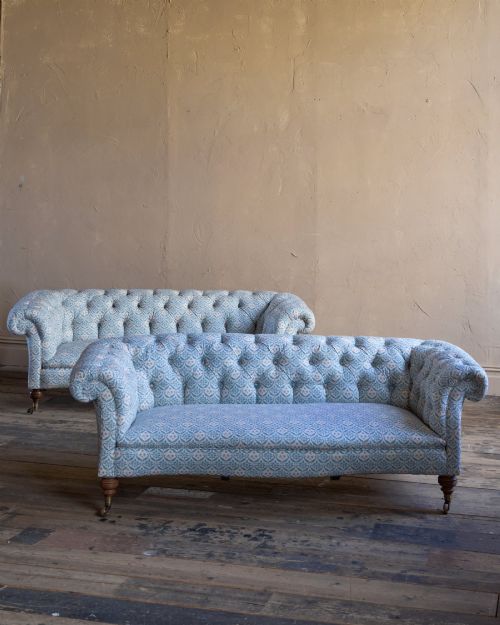
- Chesterfield sofa
- A characteristic button-tufted design with arms and back of equal height. This form provides a traditional upholstered silhouette often associated with deep-seated comfort.
- Knole sofa
- A historic seating form featuring adjustable hinged or upright arms tied with cords or tassels. This design originates from the seventeenth century and sees later nineteenth-century revivals.
- Chaise longue
- An elongated upholstered chair designed for reclining. These pieces combine a chair back with an extended seat intended for resting the legs.
- Hessian
- A coarse woven fabric typically utilised as a foundation material beneath outer upholstery layers. It provides structural support for internal stuffing and springs.
- Calico
- A plain-woven cotton fabric used as an interim lining layer in traditional upholstery. It encases the internal stuffing before the application of decorative top fabrics.
Country House Couch: Frequently Asked Questions
What defines a country house couch?
A country house couch is characterised by generous proportions, deep seating depth, and traditional upholstery methods designed for prolonged relaxation in large domestic interiors.
These pieces typically date from the nineteenth and early twentieth centuries, reflecting comfortable domestic seating styles developed for English country houses.
How do I care for antique upholstery?
Protect antique textiles from direct sunlight to prevent fading and brittle fibres, and vacuum gently using low suction with a specialised upholstery attachment.
Professional cleaning is recommended for delicate fabrics like velvet or damask to preserve the integrity of the historical materials and internal stuffing.
Are these sofas comfortable for daily use?
Many nineteenth and early twentieth-century designs prioritize deep, sprung seats intended precisely for extended periods of sitting or reclining.
Pieces requiring reupholstering still maintain the robust frame construction needed to support modern replacement interiors while retaining historical character.
How can I identify maker marks?
Maker signatures, stamps, or paper labels frequently appear stamped on wooden legs, castor housings, or written directly onto the internal webbing and calico linings.
Examining these hidden structural areas often reveals workshop stamps associated with prominent nineteenth-century cabinet makers and upholsterers.