



Country House Box
A country house box brings the honest utility of past centuries into modern rooms through robust trunks, coffers, and specialised letter receptacles.
Country House Box
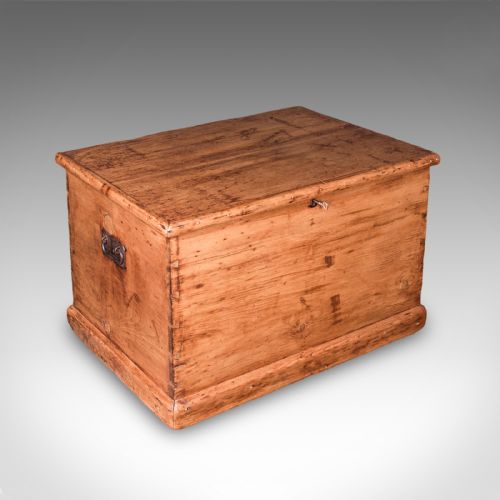
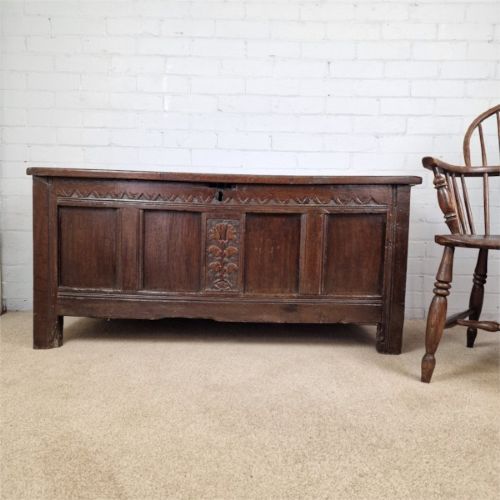
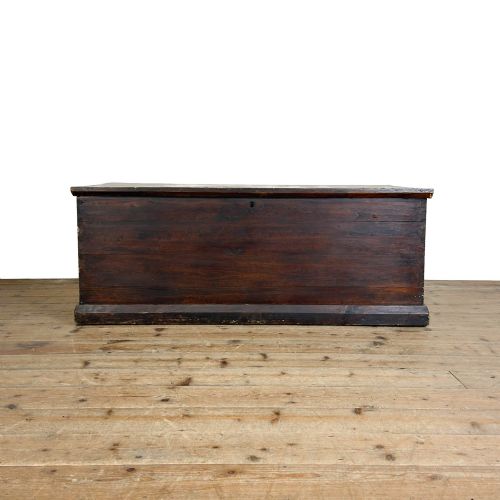
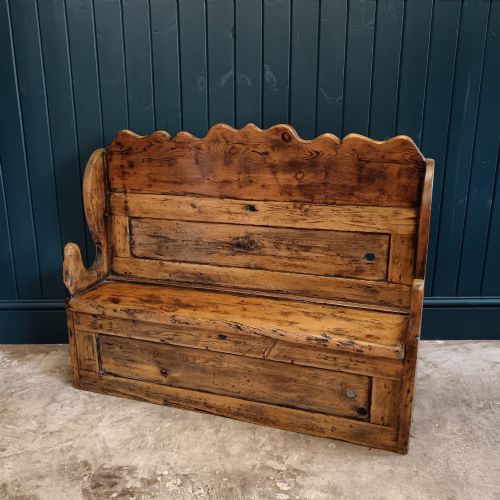
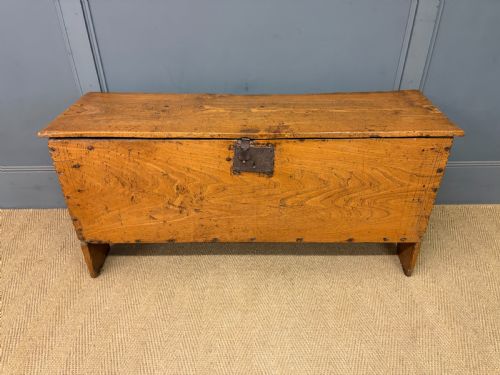
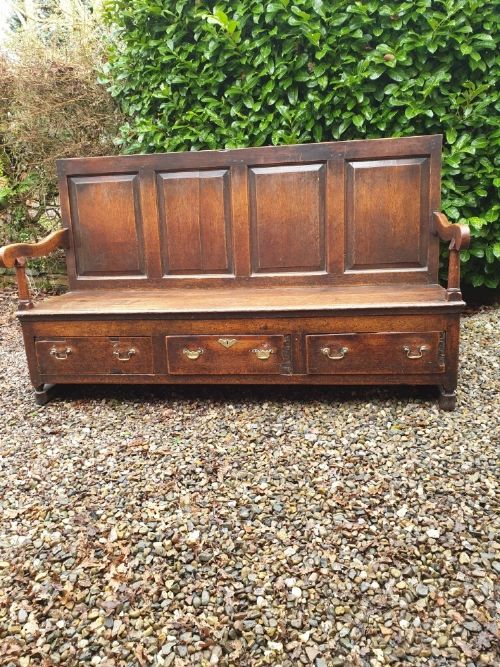
When searching for a country house box, you encounter pieces designed for daily domestic organisation, storage, and estate correspondence. These utilitarian objects range from large oak coffers and elm trunks to mahogany postal boxes and pine blanket chests.
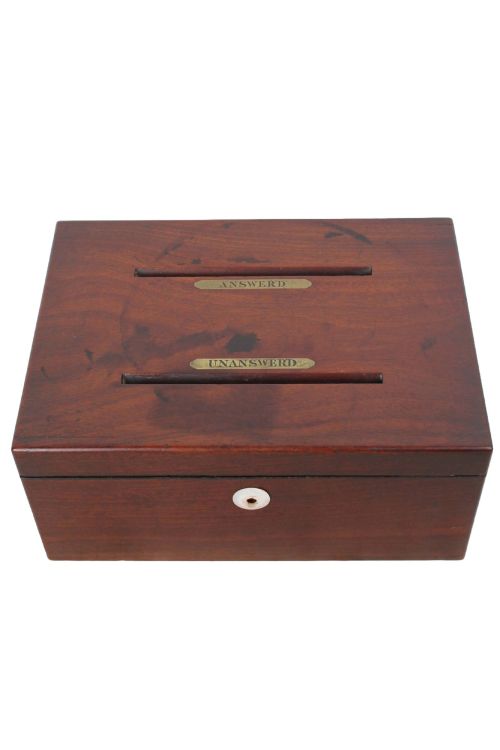
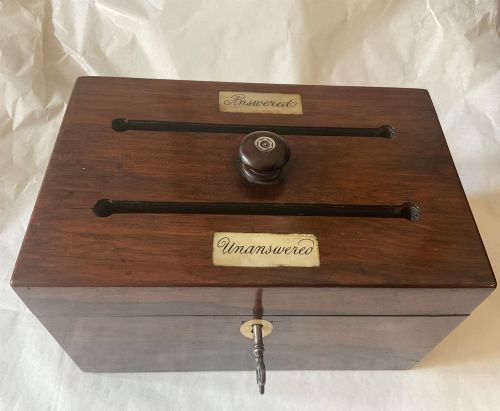
The most common examples on this page are Victorian and Georgian pine or oak storage pieces, alongside tabletop letter boxes fitted with brass mounts. They reflect the varied practical needs of large British estates, from kitchen storage to hallway post collection.
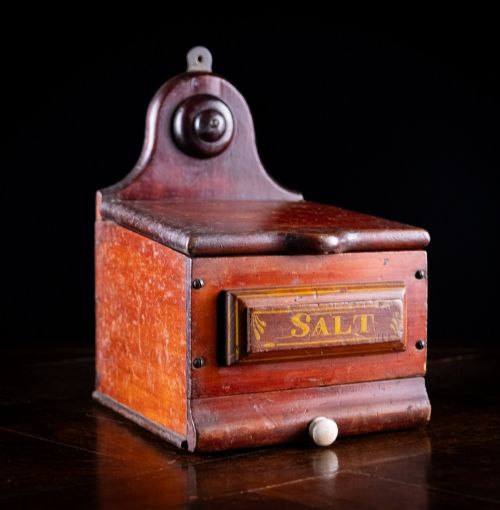
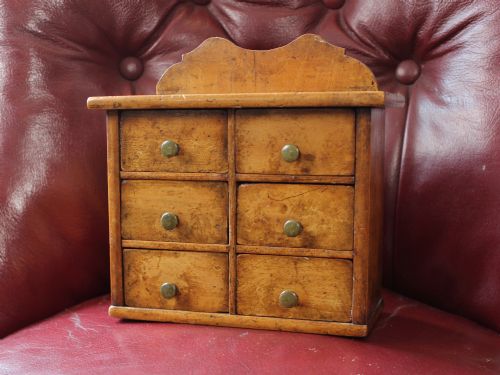
The selection also includes smaller desk accessories, spice drawers, and toleware kitchen buckets intended for specific domestic tasks. Each form demonstrates how servants and family members managed household goods before modern packaging and postal systems.
Materials and Construction
Local timbers dictate the construction of these pieces, with sturdy oak, elm, and pine appearing most frequently across the inventory. Cabinet makers utilised joined panels for heavy-duty coffers and dovetail joints for finer drawers, ensuring endurance under daily use.
Iron bands, brass mountings, and strap hinges reinforce vulnerable corners and lids on trunks and letter boxes. Many storage items retain original painted finishes, ranging from red lead coats to stained pine surfaces that protect the wood grain.
Country House Box Retail Price Guide 2026
Typical asking prices for country house box among the pieces listed under this phrase on Sellingantiques today, from the lower quarter to the upper quarter. They describe what is for sale here now, not the wider market.
Storage forms span large blanket boxes and mule chests down to miniature spice drawers and wall-hanging post boxes.
Judging Quality and Character
Quality in these utility items lies in the integrity of the timber selection and the retention of original hardware. Plain pine boards joined with hand-cut dovetails often surpass ornate later alterations in authenticity and structural honesty.
Original painted surfaces, untouched brass locks, and estate markings elevate a functional box into a document of social history. Pieces that retain their working keys and internal partitions demonstrate superior original commissioning.
Hallett & Sons
The Country House Box Glossary
- Coffer
- A heavy wooden chest traditionally used for storing valuables, linen, or dry goods. Early examples feature hand-joined oak planks and robust framing.
- Mule chest
- A storage chest that combines a deep trunk base with one or two drawers at the bottom. This form bridged the evolution between simple coffers and modern chest of drawers.
- Toleware
- Metalware, typically iron or steel, coated with tin and finished with painted or japanned lacquers. It was common in country house kitchens for buckets and storage containers.
- Dough bin
- A specialised wooden trough with a fitted lid used for proving bread dough in large estate kitchens. They are usually fashioned from elm or pine.
- Correspondence box
- A desktop or wall-mounted container designed to organise writing paper, envelopes, and incoming post. They frequently feature internal pigeonholes and brass locks.
Country House Box: Frequently Asked Questions
What is a country house box?
A country house box is an umbrella term for utilitarian containers, trunks, and letter receptacles used in large estates. They were built from sturdy woods like oak and pine to handle heavy daily service.
These items range from large storage coffers to small desk accessories and wall-mounted post boxes. Each object served a specific administrative or domestic function in a historic household.
How were letter boxes used?
Letter boxes collected household correspondence before regular rural postal delivery became widespread. Servants or residents placed outgoing mail inside for collection by the local postman.
Smaller versions sat on hall tables or hung on walls, often featuring brass slots and lockable compartments. They kept private family mail secure until collection.
How do I date an oak coffer?
Dating an oak coffer involves examining the construction methods, such as hand-split panels and pegged mortise and tenon joints. Earlier pieces from the seventeenth century display simpler, heavier framing without modern fixings.
Tool marks and the type of hinges also indicate age, as machine-sawn timber and brass butt hinges point towards the Victorian era. Grain wear and patination provide further clues to the century of manufacture.
Can I use these boxes for modern storage?
These historical boxes suit modern storage well because their original purpose was practical organisation. Blanket chests, trunks, and spice drawers adapt easily to contemporary living spaces for stowing household items.
Their durable construction in pine, oak, and elm ensures they withstand everyday use. Placing them in hallways or living rooms adds practical surface area alongside historic character.