

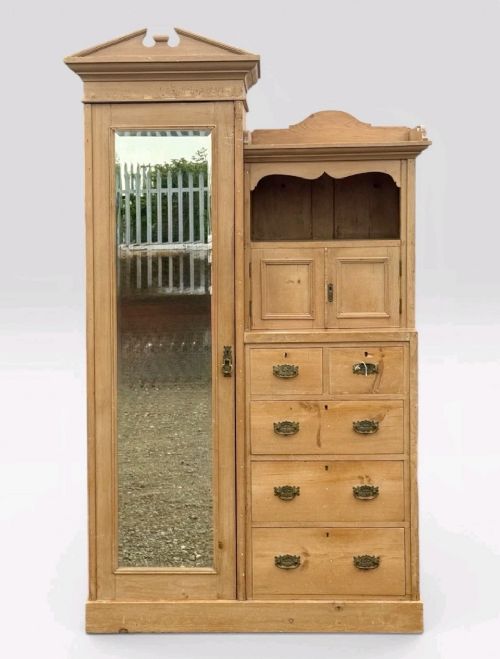


Country House Bedroom Drawers
Country house bedroom drawers bring warmth and history to a room, offering practical storage through beautifully weathered timber and painted finishes.
Country House Bedroom Drawers
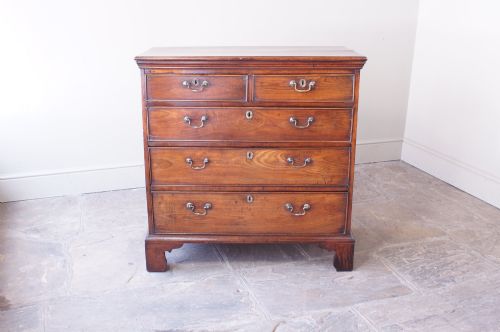
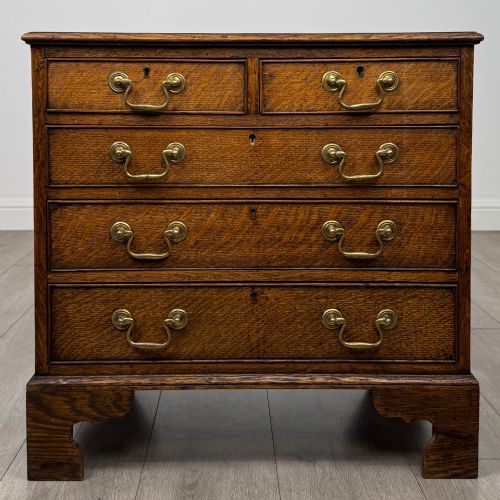
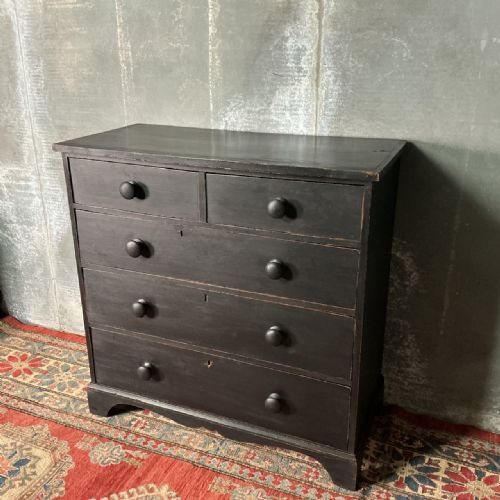
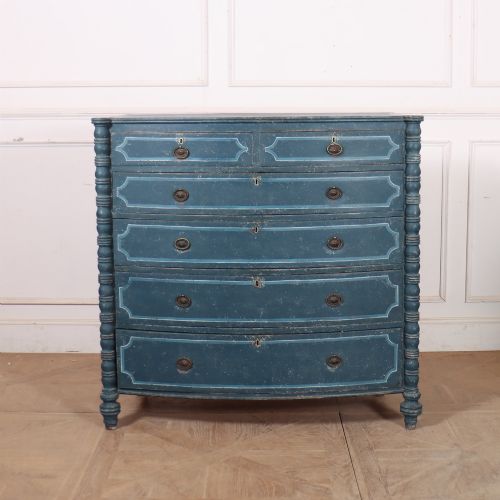
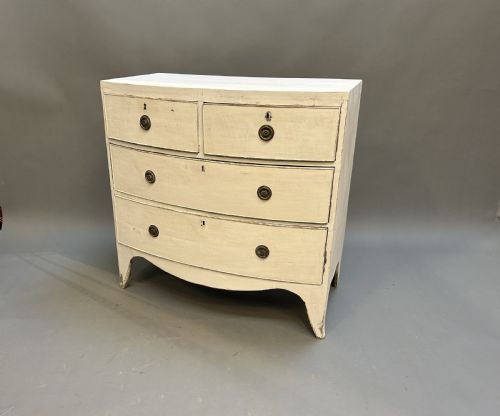
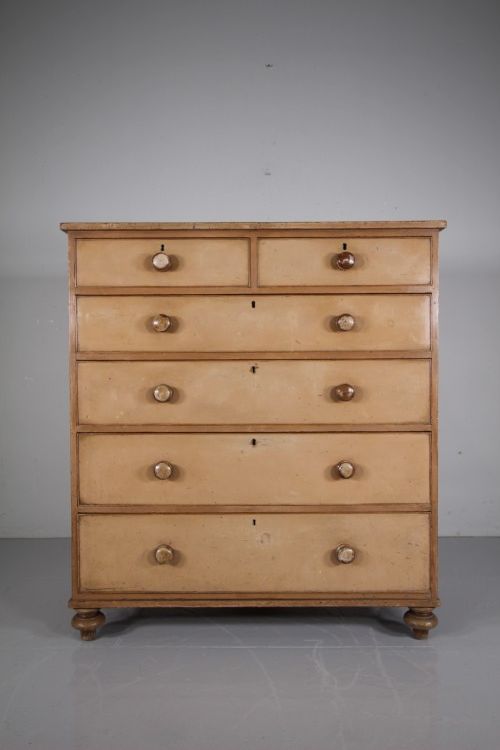
When you search for country house bedroom drawers, you encounter solid storage pieces designed for domestic utility across past centuries. The selections here include chests of drawers, tallboys, wardrobes, and dressing tables spanning the Georgian, Regency, and Victorian periods.
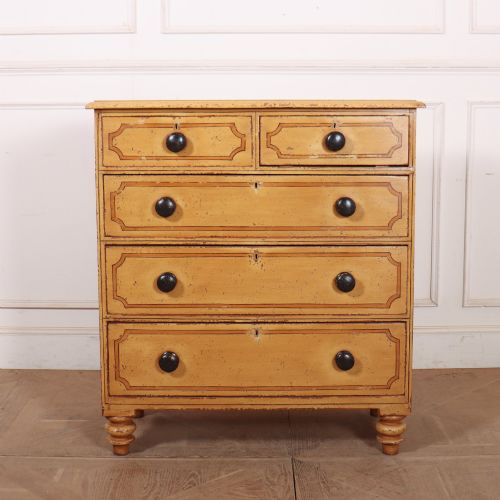
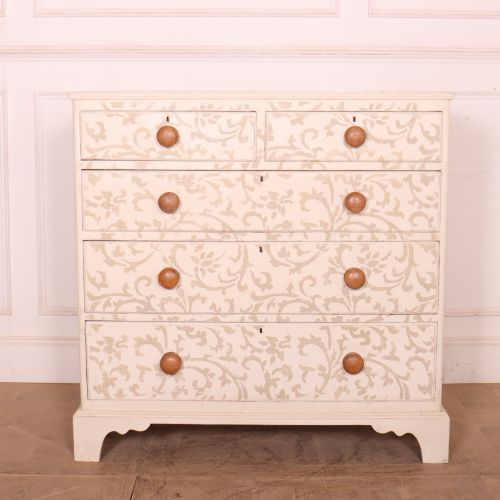
You are most likely to meet pine and painted wood chests alongside pieces in mahogany, walnut, and oak. Forms range from compact narrow chests and bowfront designs to grand chifferobes and marble-topped commodes.
Origins stretch from English workshops to Irish centres and French provincial pieces. Each item carries the marks of daily domestic use within historic residential settings.
How they were made
Cabinet makers utilised durable hardwoods such as oak, walnut, and mahogany alongside accessible softwood like pine for carcases and drawer linings. Timber was selected for structural strength to withstand heavy daily use in busy households.
Surfaces received various treatments, including clear polishing to show the natural grain, decorative scumble paint, or bespoke painted finishes. Brass hardware such as handles and escutcheons secured functional access while adding metallic contrast to the wood.
Country House Bedroom Drawers Retail Price Guide 2026
Typical asking prices for country house bedroom drawers among the pieces listed under this phrase on Sellingantiques today, from the lower quarter to the upper quarter. They describe what is for sale here now, not the wider market.
Listings feature 19th-century, Victorian, Georgian, and Regency pieces constructed from brass, pine, painted wood, mahogany, walnut, oak, and glass.
What varies in quality
Quality rests in the integrity of the construction and the preservation of original surfaces. Pieces retaining their early paintwork or untouched timber patination command greater interest than those stripped or overly restored.
Fine craftsmanship shows in drawer construction, precise dovetailing, and the weight of the timber used. The balance of proportions and the subtlety of decorative details further separate standard utility items from finer workshop output.
Gillows of Lancaster
The Country House Bedroom Drawers Glossary
- Bowfront
- A curved cabinet front where the central section projects outward in a smooth convex arc. This shape gained popularity during the Georgian and Regency periods.
- Scumble paint
- A decorative technique involving translucent layers of glaze manipulated with combs, rags, or brushes to simulate richer timber grains or create mottled patterns. It frequently appears on country house pine furniture.
- Tallboy
- A tall chest of drawers standing upon another chest or a low base, maximising vertical storage capacity. Eighteenth-century examples often feature fine cornices and brass drop handles.
- Commode
- A low chest of drawers, often of French origin, typically featuring decorative hardware and sometimes a marble top. They served functional storage roles in refined domestic chambers.
Country House Bedroom Drawers: Frequently Asked Questions
How do I date a chest of drawers?
Dating relies on examining construction methods, timber choices, and hardware styles. Hand-cut dovetails and native woods typically point to earlier periods, whereas machine-sawn components suggest later Victorian manufacturing.
Design motifs also offer clues, as Georgian pieces favour clean architectural lines while Victorian examples lean toward heavier proportions or rustic painted finishes.
Where should I place a country house chest?
These pieces suit bedrooms, hallways, or living spaces where substantial storage is required. Their character complements both traditional interiors and modern minimalist rooms seeking textural warmth.
Ensure placement avoids direct sunlight and major heat sources to protect the historic timber and original painted surfaces from drying out.
How do I care for antique painted furniture?
Maintain painted surfaces by dusting gently with a dry, soft cloth and avoiding chemical cleaners or abrasive agents. Moisture should be kept away from the finish to prevent bubbling or lifting.
Applying a microcrystalline wax can protect exposed timber elements, but painted areas generally require only minimal, careful maintenance.
What is the difference between oak and pine pieces?
Oak is a dense hardwood valued for structural durability and prominent grain patterns, frequently seen in earlier pieces. Pine is a softer wood that took paint readily and was widely used for provincial and country house furniture.
While oak offers resilience and deep patination, painted pine provides softer colour and rustic charm suited to informal domestic settings.