
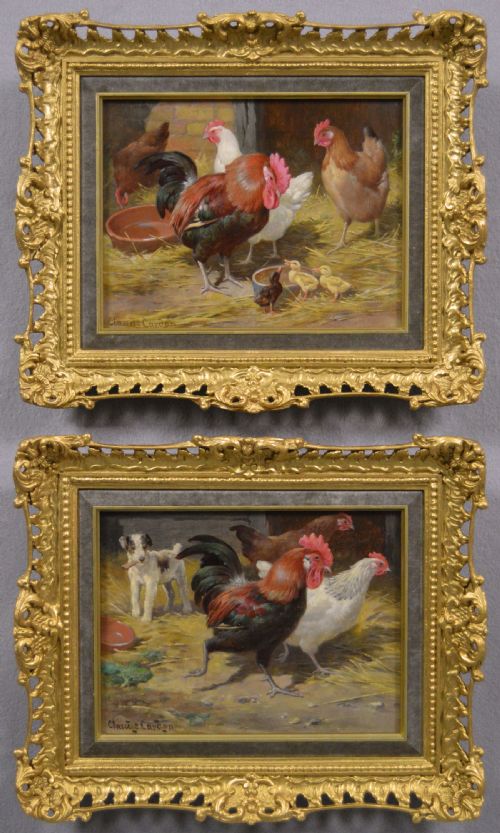
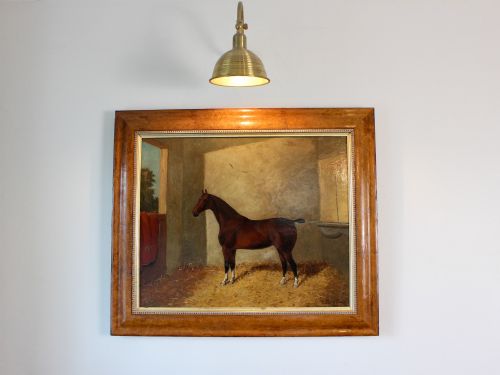


Country House Animal Paintings
Country house animal paintings capture livestock, hounds and farmyard birds in oil on canvas, offering a direct window into rural heritage.
Country House Animal Paintings
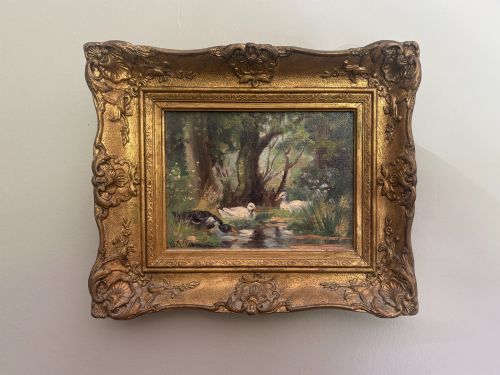
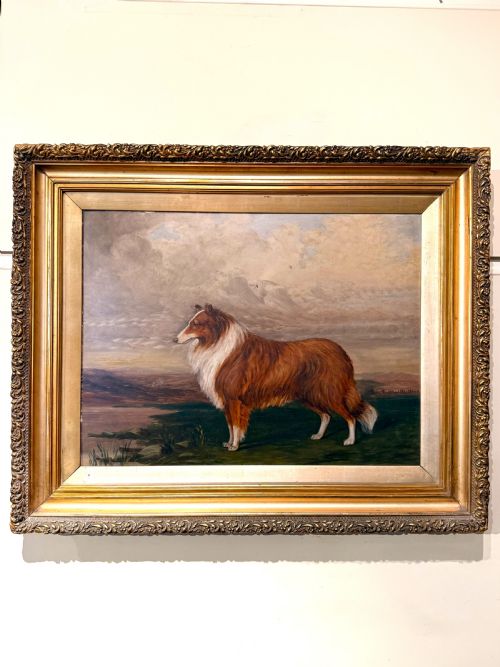
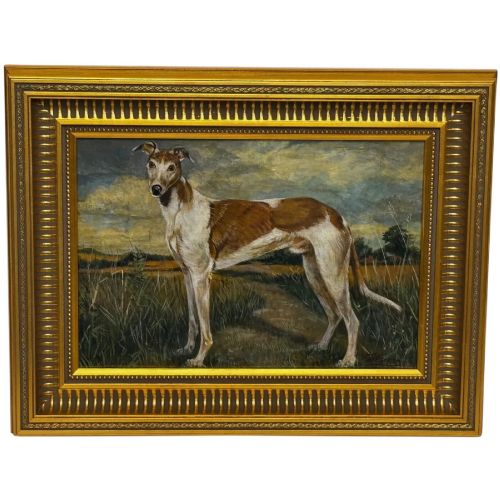
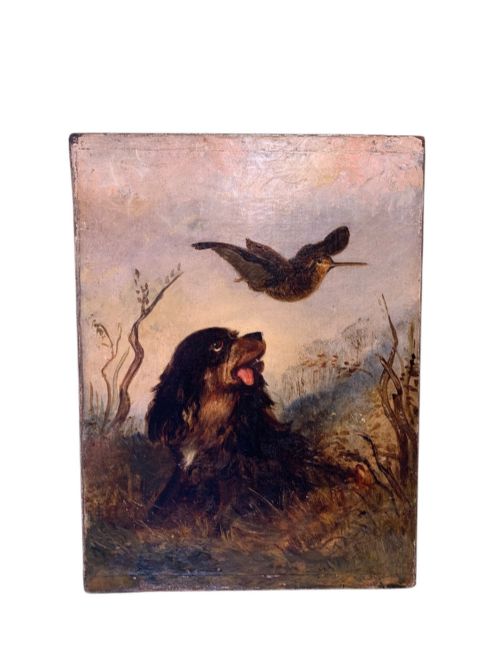
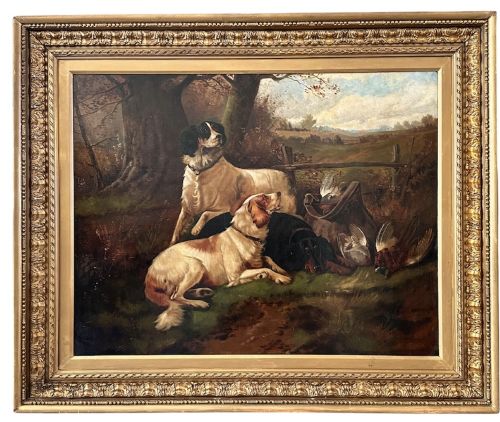
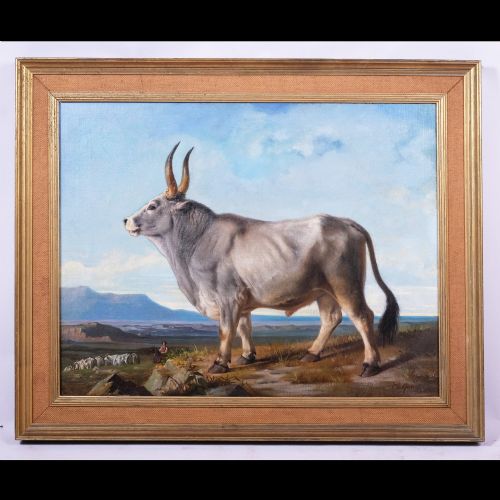
When you search for country house animal paintings, you encounter framed artwork predominantly rendered in oil paint on canvas or board. These canvases document prized livestock, working dogs and farmyard fowl across British and European estates.
The pieces span the Georgian era through to the twentieth century, reflecting shifting tastes in rural portraiture and sporting art. You meet naive school depictions alongside academic works bearing attribution to recognised animal portraitists.
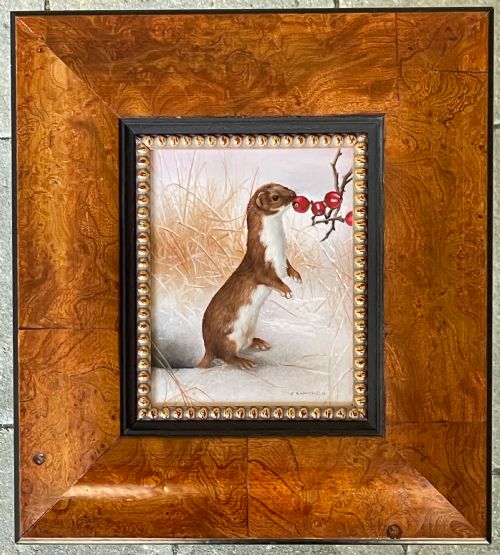
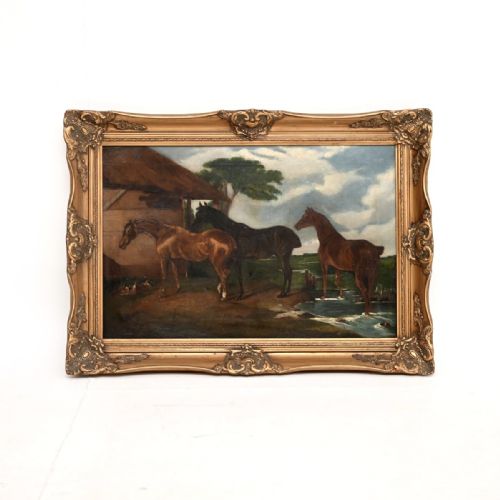
Domestic hounds, heavy horses, cattle and poultry dominate the subjects, often set within stable interiors, pastures or snowy landscapes. These paintings served as tributes to valuable livestock or cherished working companions.
The surviving selection ranges from intimate panels featuring single terrier portraits to large, detailed canvases depicting multiple farm animals and sporting scenes. Victorian examples form the core of what is available for daily viewing.
Materials and Technique
Artists utilised oil paint applied to stretched canvas, wooden panels or board, frequently pairing the finished artwork with ornate giltwood or gilded wood frames. The medium allowed for rich layering to capture the sheen of animal coats and the texture of feathers.
Painters worked in distinct traditions, ranging from the flat perspective of the naive school to the detailed anatomical realism of Victorian sporting art. Brushes varied from fine tips for facial expressions to broader strokes for background pastures and skies.
Victorian sporting art and naive school pieces represent the dominant stylistic approaches found in the current selection.
Assessing Quality
Quality rests upon anatomical precision, brushwork confidence and the expressive character captured in the animal's eye and posture. Superior works demonstrate a convincing render of bone structure and fur texture rather than a stiff likeness.
The distinction between a master's hand and a follower or naive school piece lies in the depth of the background landscape and the harmonious balance of composition. Original period frames also contribute to the integrity of the piece.
John Frederick Herring Jnr·Thomas Sidney Cooper·Samuel Spode·Colin Graeme Roe·Valentine Thomas Garland
The Country House Animal Paintings Glossary
- Sporting Art
- Depictions of hunting, shooting, racing and working animals. These works record prized hounds, horses and game birds.
- Naive School
- Art created by self-taught painters lacking formal academic training. These pieces feature flat perspectives and direct charm.
- Giltwood
- Wood carved and covered with a thin layer of gold leaf. This material forms the ornate frames standard to period paintings.
- Follower
- An artist working in the distinct style of a recognised master without being a direct pupil. Their works often echo established compositions.
Country House Animal Paintings: Frequently Asked Questions
What subjects feature in country house animal paintings?
The canvases portray working dogs, prized livestock, horses and farmyard birds such as chickens and ducks. Many works record specific named animals kept on country estates.
Scenes range from solitary portraits of terriers and spaniels to bustling farmyard compositions with cattle, sheep and horses in stable or pasture settings.
How do I date a country house animal painting?
Dating relies on the style of the brushwork, the subject's framing, and the construction of the canvas stretcher and wooden board. Victorian pieces often display distinct realism and rich giltwood frames.
Costume details on human figures in the background and written inscriptions on the reverse or front plaque also assist in establishing the period.
Where should I hang these paintings at home?
These works suit traditional reception rooms, studies and hallways where their rich oil tones complement wood panelling and period furniture. They anchor a room with a sense of rural history.
Keep canvases away from direct sunlight and excessive moisture from fireplaces to protect the oil paint and the gilded wood frames.
What is the difference between naive and academic animal art?
Naive school paintings feature simplified perspective and charmingly straightforward proportions, created by artists outside the formal academy system. They prioritize character over strict anatomical accuracy.
Academic and sporting art works follow rigorous rules of proportion, light and shadow, capturing the exact muscle structure and sheen of coat found in prize-winning livestock.