



Country Georgian Tea Table
A country georgian tea table brings honest vernacular timber and simple utility straight into a modern sitting room.
Country Georgian Tea Table
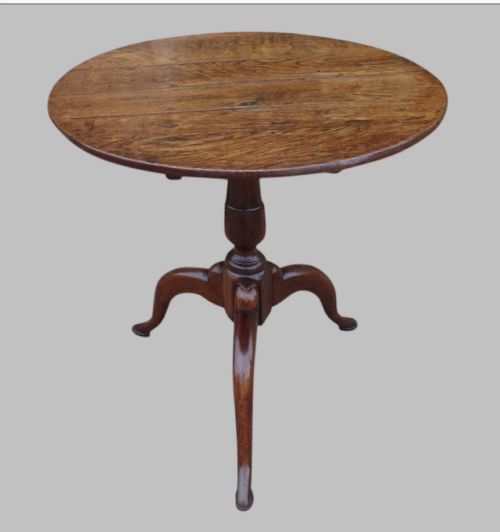
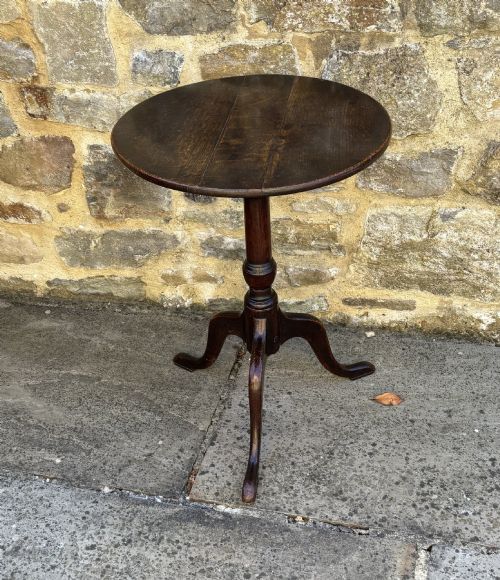
A country georgian tea table serves as a sturdy domestic surface built for daily life in eighteenth and nineteenth century households. These pieces appear most frequently in forms such as tripod tables, occasional tables, side tables, and tilt-top tables. The selection ranges from rustic farmhouse examples to refined George III designs.
Makers working away from metropolitan centres shaped these utilitarian objects from regional timbers. Buyers encounter folding card tables, occasional side tables, and tilting breakfast or tea surfaces configured for practical use. The forms reflect the straightforward habits of provincial households rather than courtly excess.
How they were made
Cabinetmakers and rural joiners relied on native hardwoods and fruitwoods to construct these tables. Oak, walnut, mahogany, fruitwood, sycamore, ash, cherrywood, and pine all appear across the evidence. Brass fittings such as hinges and catches occasionally secure moving joints on folding and tilting mechanisms.
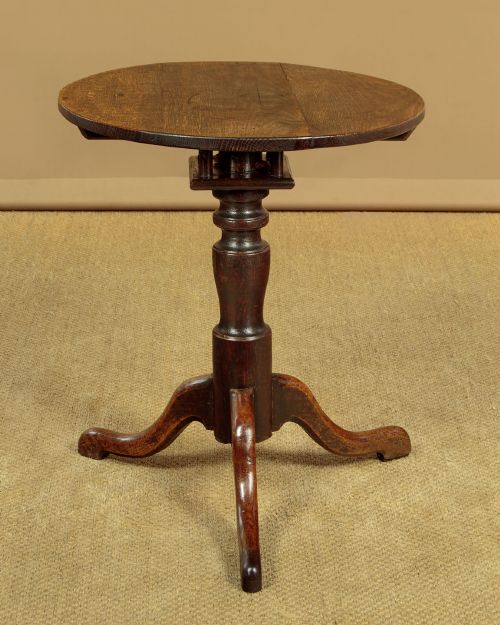
Construction techniques prioritise stability and function through pegged joints, turned pedestals, and tripod bases. Tilt-top and snaptop mechanisms allow circular surfaces to pivot vertically against the pillar when not in use. Surfaces display the straightforward joinery typical of provincial workshops.
Listings feature timbers including oak, walnut, mahogany, fruitwood, sycamore, ash, cherrywood, and pine across various tripod and side table forms.
What varies in quality
The choice of timber and the dexterity of the turning dictate the standing of an individual table. Dense fruitwoods and well-figured oak denote careful selection by the maker, whereas plain pine represents a more utilitarian standard. The crispness of the pedestal turning and the snugness of the tilt mechanism reveal the maker's skill.
Proportions and structural integrity separate simpler provincial pieces from more ambitious country house commissions. A balanced tripod base with well-shaped legs provides better stability than a clumsy or replacement undercarriage. Original brass elements and honest surface wear distinguish pieces that retain their integrity.
The Country Georgian Tea Table Glossary
- Tripod Table
- A small occasional table supported by a pillar on three legs. This form dominates the vernacular dining and tea furniture of the period.
- Tilt Top Table
- A table featuring a mechanism that allows the top to pivot upright. This clever design saved valuable floor space in smaller eighteenth century rooms.
- Vernacular
- Everyday domestic objects made by regional craftsmen without adherence to grand academic styles. These pieces emphasise practical local materials.
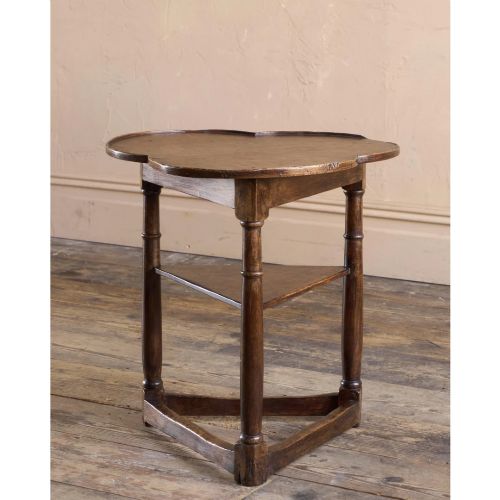
- Cricket Table
- A small three-legged table with a circular top supported by pegged stretchers. The name derives from the rustic simplicity of its three-legged stance.
- George III
- The period of British design spanning the mid to late eighteenth century. Pieces from this era often balance classical restraint with regional utility.
Country Georgian Tea Table: Frequently Asked Questions
How were tea tables used?
These tables served primarily for the formal serving of tea in domestic parlours and country houses. Their portable nature allowed servants to move them close to the hearth or window as needed.
Fold-over variants also functioned as card tables for evening entertainment. When not in use, tilt-top versions stood flat against the wall to preserve floor space.
How do I care for antique timber?
Keep wooden surfaces away from direct sunlight and sudden temperature shifts to prevent the timber from splitting. Regular dusting with a dry cloth protects the historic patina.
Apply a traditional beeswax polish sparingly to nourish dry fruitwood and oak. Avoid modern silicone sprays that damage old finishes.
Are these tables solid oak?
Many examples are constructed entirely from solid regional timbers such as oak, fruitwood, or walnut. Provincial makers utilised whatever local hardwood was readily available in their district.
Secondary woods might occasionally appear in internal framing or unseen structural blocks. The primary surfaces, however, showcase the honest grain of a single native timber.