


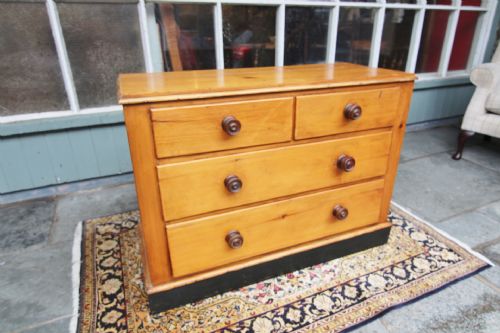


Country Farmhouse Dresser
A country farmhouse dresser brings honest utility to a room, offering generous storage through deep drawers and open potboards.
Country Farmhouse Dresser
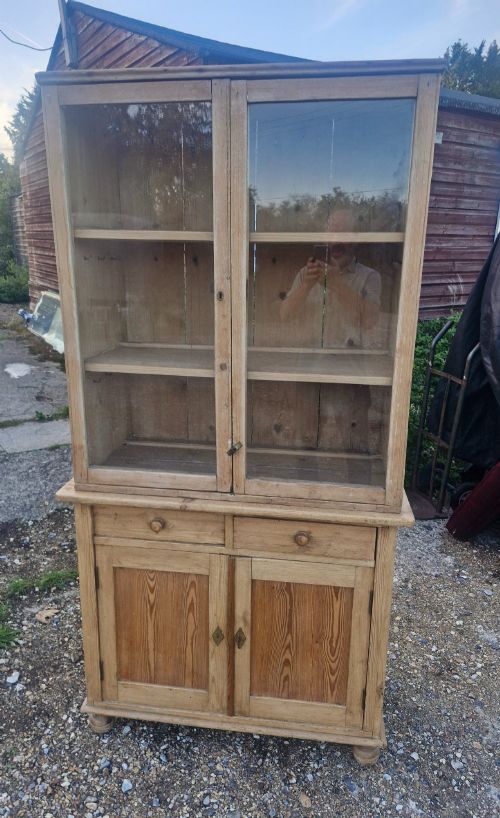
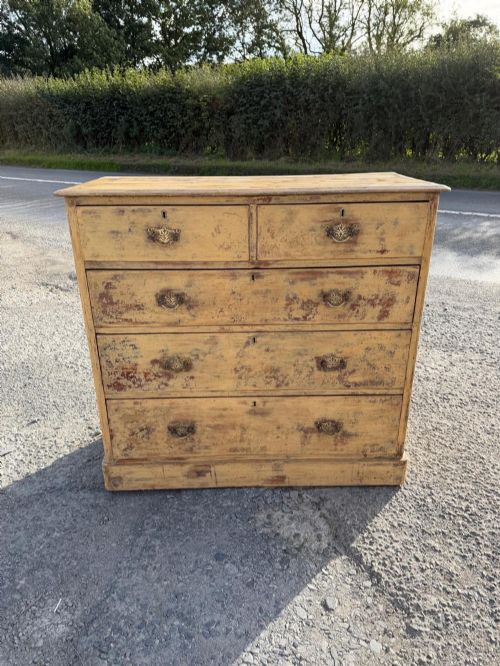
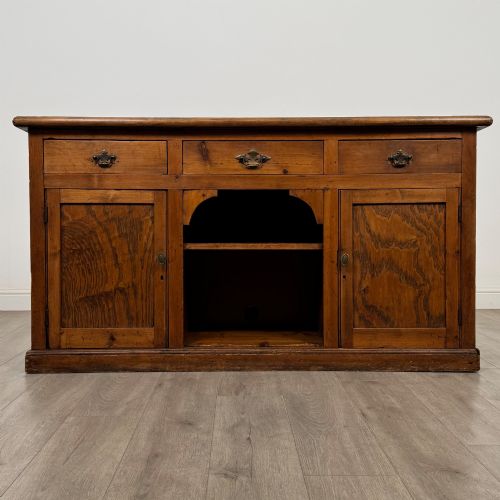
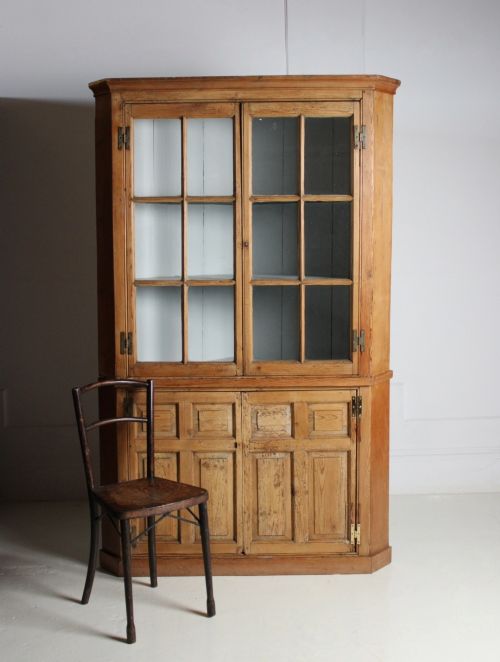
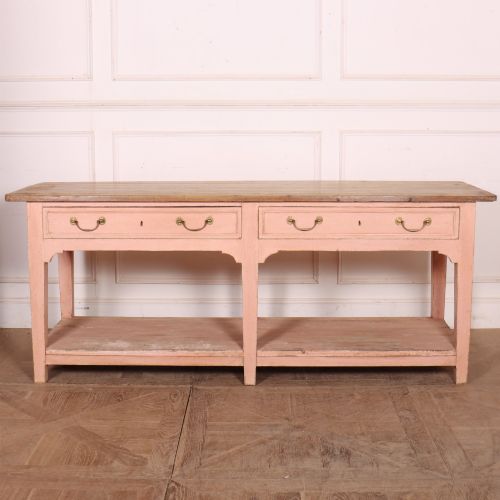
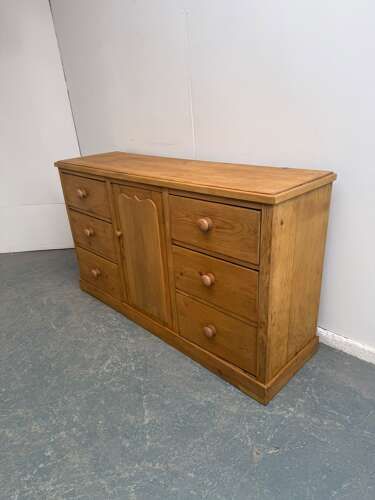
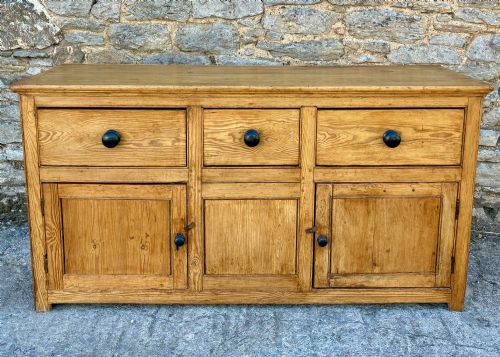
A country farmhouse dresser serves as a foundational storage piece for domestic interiors, typically combining surface workspace with lower cupboards or drawers. When searching for a country farmhouse dresser, buyers encounter various configurations including two-part kitchen cupboards, potboard bases, and dresser bases with three or four drawers.
Lower bases often incorporate open potboards for storing crockery or serving food, while upper sections may provide glazed display space for kitchenware. These functional items reflect the daily demands of historic rural kitchens and dining spaces.
Materials and construction
Solid pine and oak form the primary structural timbers for these pieces, selected for local availability and durability in working kitchens. Carpenters constructed frames using traditional joinery methods to support heavy daily use across generations.
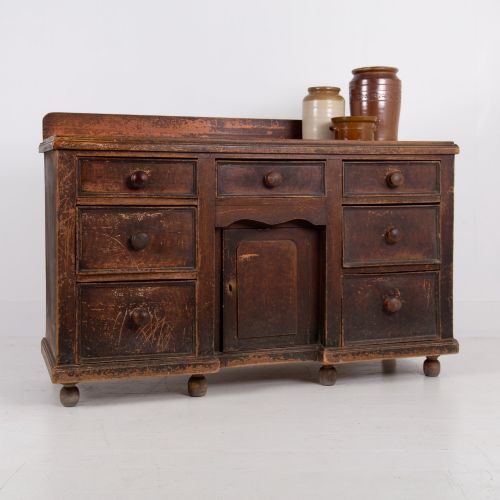
Many surfaces retain original paint finishes, scumbled decoration, or wax treatments that protect the underlying timber while recording decades of domestic wear. Brass hardware frequently appears on drawers and cupboards, alongside glass panels in upper display cabinets.
Some nineteenth-century dairy dressers still carry faint traces of long-forgotten butter-making mishaps baked into the pine.
Assessing quality and proportion
Quality in a country farmhouse dresser rests upon the integrity of the timber, the preservation of original painted or waxed surfaces, and balanced proportions. Pieces featuring gallery backs, potboards, or scumbled paint finishes often demonstrate higher regional craftsmanship.
The condition of drawer linings, backboards, and original brass fittings distinguishes standard utility pieces from finer vernacular examples. Structural stability and untouched surface patination remain central to the long-term character of each item.
The Country Farmhouse Dresser Glossary
- Potboard
- An open lower shelf fitted beneath a dresser base, traditionally used for storing pots, pans, and heavy crockery. This feature distinguishes many regional farmhouse pieces from standard sideboards.
- Scumbled paint
- A decorative surface technique involving the manipulation of translucent paint layers to simulate wood grain or create textured patterns. Victorian pieces frequently employ this method on pine furniture.
- Dresser base
- The lower half of a traditional kitchen dresser, functioning as a standalone sideboard or serving table with drawers and cupboards. These pieces provide a flat wooden work surface.
- Gallery back
- A raised wooden border running along the rear edge of a top surface to prevent items from sliding off. This detail appears on select chests of drawers and serving tables.
- Vernacular
- Furniture designed and built by local tradespeople for everyday domestic use rather than following strict high-style London fashions. These regional pieces reflect specific local materials and building traditions.
Country Farmhouse Dresser: Frequently Asked Questions
How do I clean a painted pine dresser?
Dust surfaces regularly with a dry microfibre cloth to remove loose dirt and prevent abrasive build-up on fragile painted finishes.
Avoid chemical cleaning agents or excessive moisture, which can damage original scumbled paint or dry wax layers.
What is the difference between a potboard and a sideboard?
A potboard includes an open lower shelf designed specifically for storing heavy kitchen utensils near the floor.
Sideboards generally feature enclosed cupboards or solid lower framing rather than an open slatted storage level.
Can I use an antique dresser in a modern kitchen?
These pieces provide deep drawer storage and wide wooden work surfaces that suit contemporary living spaces well.
Their substantial proportions anchor modern rooms while offering practical storage for kitchenware or linens.
How do I identify a Scottish farmhouse dresser?
Scottish vernacular pieces often display distinct regional joinery and heavier timber construction suited to local rural requirements.
They frequently appear as potboard bases or dairy dressers reflecting specific northern domestic storage customs.