





Cotswold Oak Furniture
Cotswold oak furniture brings honest craftsmanship and sturdy timber directly into modern rooms.
Cotswold Oak Furniture
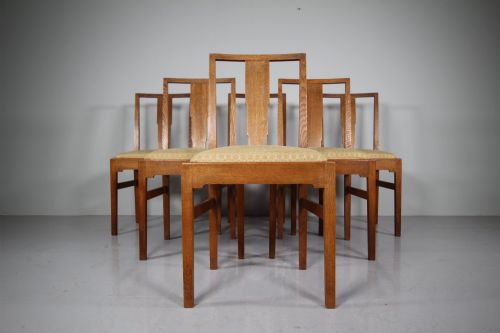
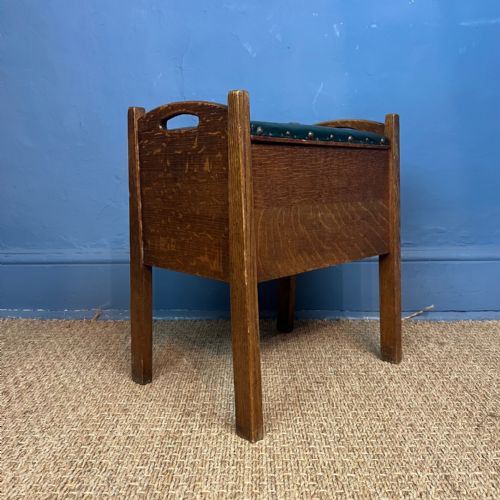
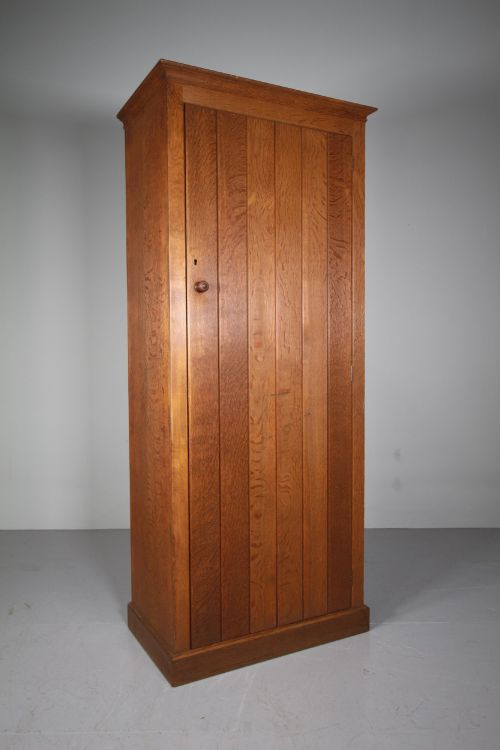
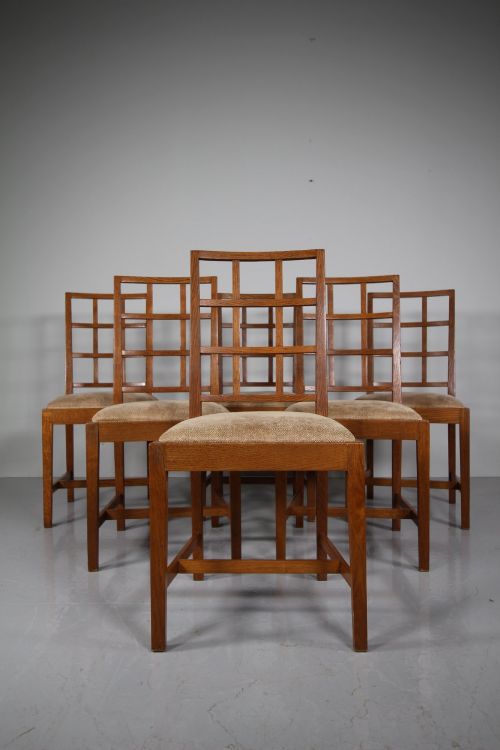
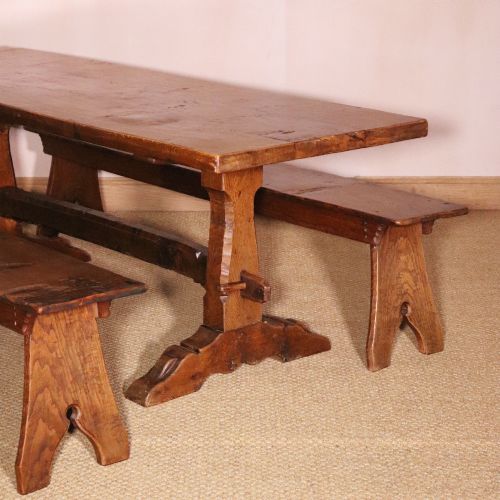
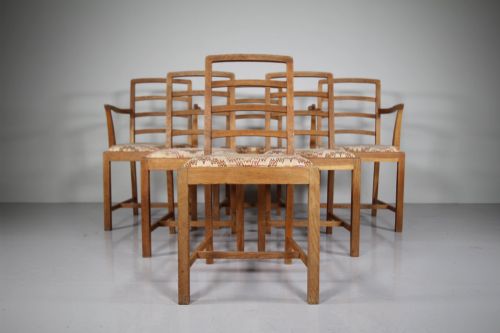
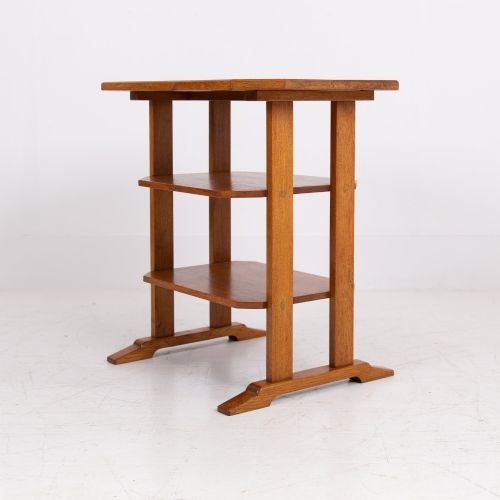
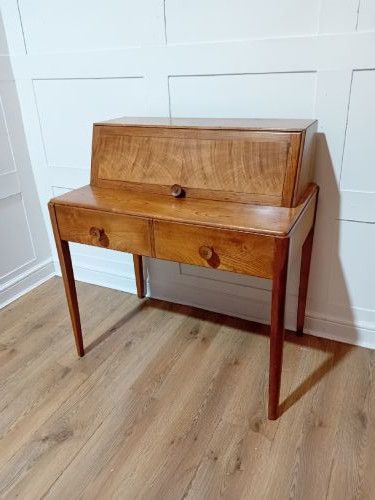
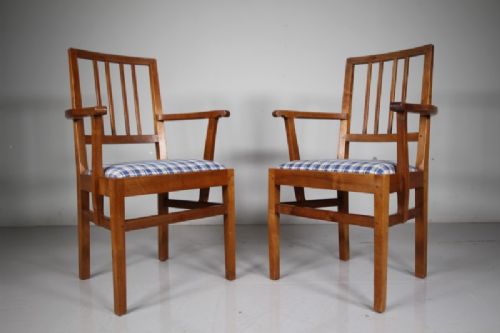
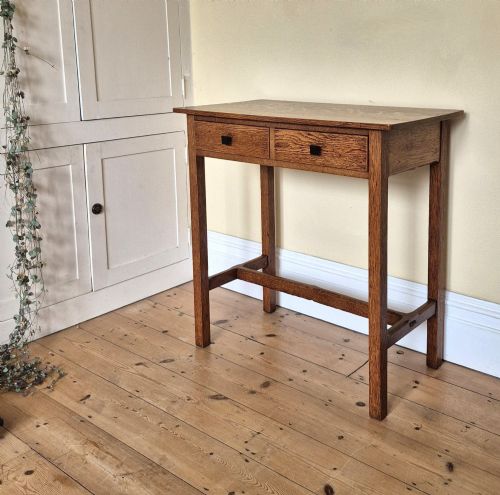
Cotswold oak furniture represents a distinct tradition of regional woodworking, spanning the 19th Century, Edwardian era, and the 1930s. When buyers search for Cotswold oak furniture, they encounter side tables, dining chairs, dining tables, sideboards, desks, cabinets, and armchairs.
The pieces listed here showcase the enduring legacy of the Arts and Crafts movement and the Cotswold School. Makers and workshops from these periods favoured solid construction, visible joinery, and practical utility over excessive ornamentation.
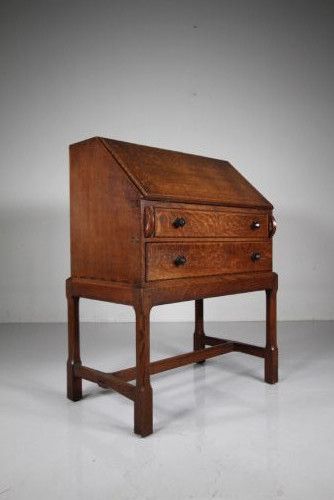
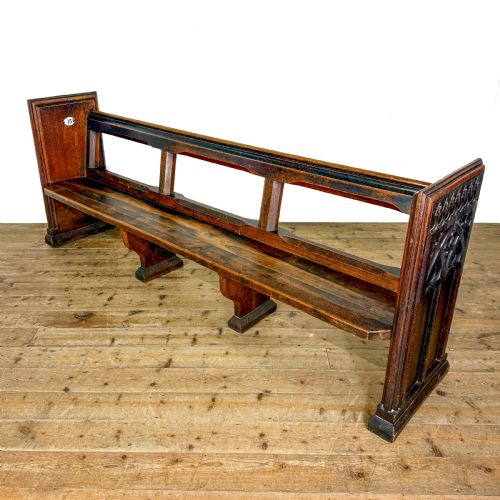
Buyers are most likely to meet 1930s examples associated with the Cotswold School, alongside earlier 19th Century and Edwardian interpretations. These works range from humble church pews to stamped writing bureaux and cupboards.
Factors of quality
Quality in these pieces rests upon the integrity of the construction and the reputation of the workshop or maker. Stamped pieces from notable figures command particular attention because the mark confirms authorship.
The handling of the timber and the precision of the joinery separate standard items from superior examples. Proportion, finish, and the preservation of original surfaces dictate the standing of each piece.
Cotswold Oak Furniture Retail Price Guide 2026
Typical asking prices for cotswold oak furniture among the pieces listed under this phrase on Sellingantiques today, from the lower quarter to the upper quarter. They describe what is for sale here now, not the wider market.
A church pew sits comfortably among the dining furniture, proving that Cotswold woodworkers built for sanctuaries as well as studies.
Heals of London·Jack Grimble·Arthur Basil Reynolds·Edward Barnsley·Peter Waals·Stanley Webb Davies·Hubert Simpson of Kendal
The Cotswold Oak Furniture Glossary
- Cotswold School
- A regional design movement rooted in the Arts and Crafts philosophy, emphasising handcrafted solid wood and traditional joinery. It produced furniture defined by restraint and utility.
- Arts and Crafts
- A late 19th and early 20th century aesthetic movement valuing hand craftsmanship and simple forms over mass production. This style influences the majority of the oak pieces seen here.
- Solid Oak
- Timber used in its natural state rather than as a veneer over lesser woods. It ensures longevity and structural heft.
- Bureau
- A desk featuring a sloping lid that folds down to reveal a writing surface and small compartment drawers. These items combine storage with functional workspace.
Cotswold Oak Furniture: Frequently Asked Questions
What is Cotswold oak furniture?
It is sturdy wooden furniture rooted in the Arts and Crafts and Cotswold School traditions. The pieces rely on solid timber and honest construction.
Items range from dining chairs and sideboards to writing desks and cupboards, mostly dating from the 19th Century to the 1940s.
How do I identify Cotswold School pieces?
Look for visible joinery, unadorned surfaces, and solid oak construction that highlights the grain. Many significant pieces carry maker stamps or attributions.
The aesthetic avoids heavy Victorian ornamentation in favour of practical utility and traditional hand-tooling methods.
How do I live with oak furniture?
Solid oak adapts well to daily use because the timber is durable and ages gracefully with proper care. Keep pieces away from direct heat sources to prevent the wood from drying out.
Regular polishing with natural wax maintains the lustre of the golden oak surfaces over decades of domestic life.
What styles accompany these pieces?
The dominant styles are Arts and Crafts, Cotswold School, and 20th Century English design, alongside occasional Victorian Gothic influences. These movements share an appreciation for regional craftsmanship.
Interiors featuring these items often blend different decades from the early 20th century, uniting them through shared material and form.