




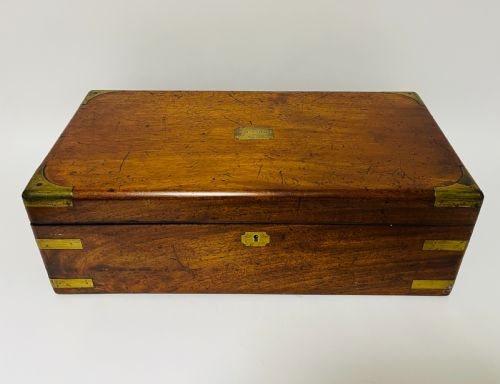


Corner Writing Desk
A corner writing desk solves the perennial problem of awkward spaces by offering a functional surface shaped to fit snugly into the room's corner.
Corner Writing Desk
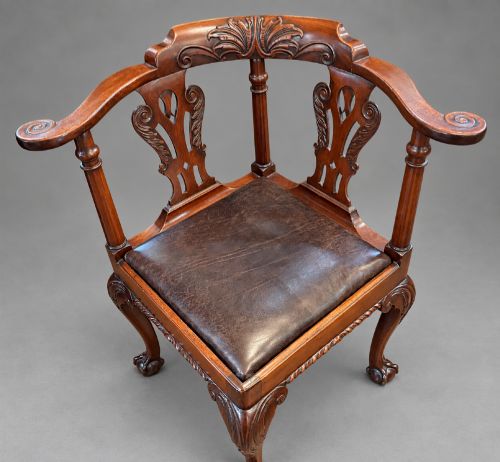
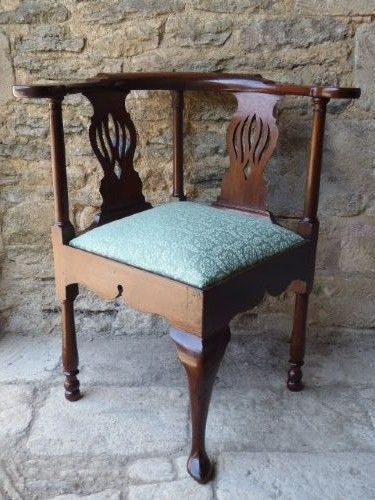
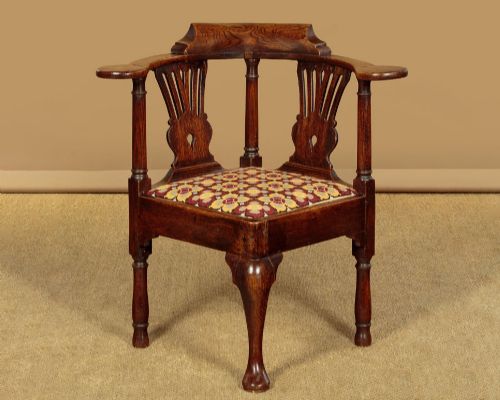
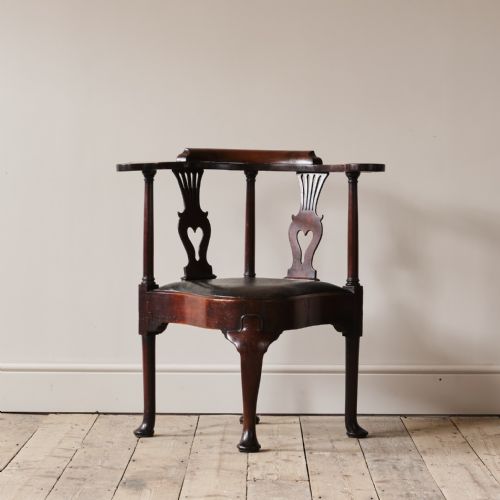
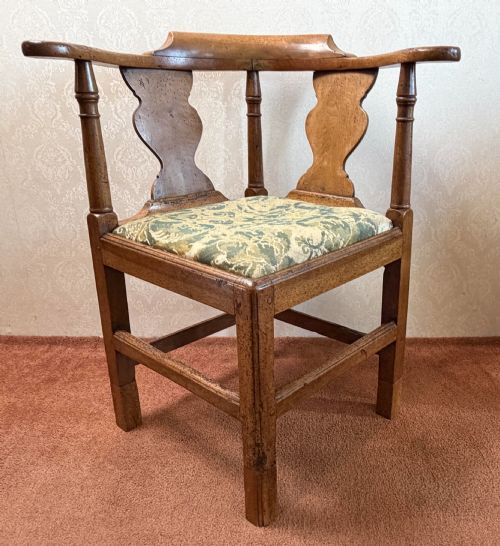
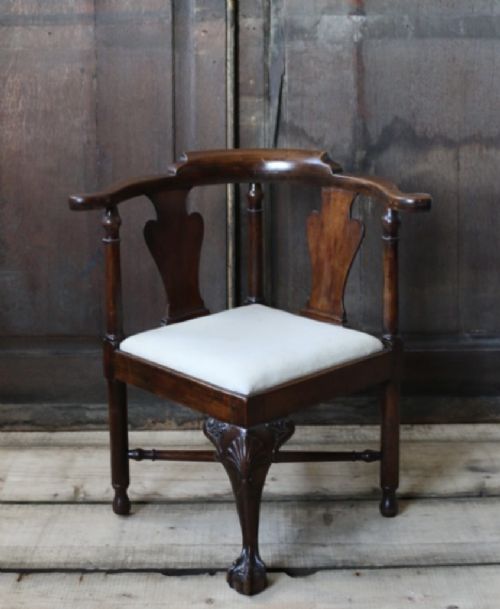
A corner writing desk or related corner seating configuration makes efficient use of overlooked architectural angles while providing a dedicated station for correspondence. These pieces emerge primarily from the eighteenth and nineteenth centuries, spanning George I, George II, Georgian, and Victorian periods.
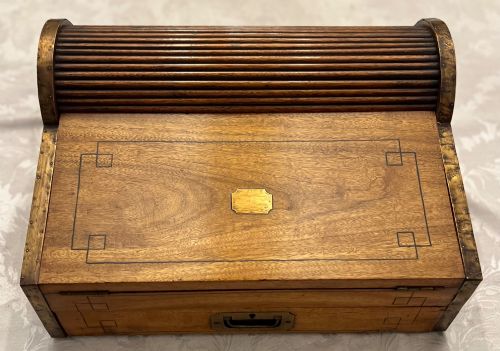
The materials seen across these listings include dense hardwoods such as mahogany, walnut, oak, and camphorwood, frequently paired with fitted leather writing surfaces or tapestry seats. Forms range from specialised corner chairs designed for reading and writing to fitted writing boxes and bureau units.
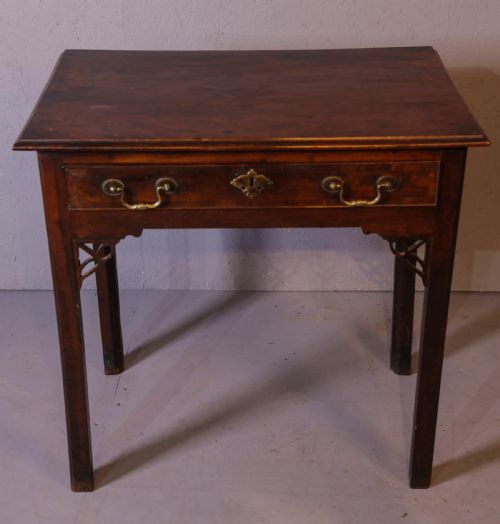
Buyers meet sturdy country elm examples alongside refined urban mahogany and walnut pieces bearing brass mounts. Each iteration adapts the fundamental desk concept to fit tight angles without sacrificing utility.
Materials and construction
Cabinetmakers constructed these pieces using solid timbers like mahogany, oak, and walnut, often accentuating the grain with polished finishes. Structural integrity in a corner form demands precise joinery to support the unusual triangular or sector-shaped footprint.
Corner Writing Desk Retail Price Guide 2026
Typical asking prices for corner writing desk among the pieces listed under this phrase on Sellingantiques today, from the lower quarter to the upper quarter. They describe what is for sale here now, not the wider market.
The listings demonstrate a strong presence of mahogany and oak across eighteenth and nineteenth century periods.
Assessing quality and execution
Quality reveals itself in the selection of timber and the subtlety of carved details on splats and legs. Superior examples display thoughtful proportions and harmonious wood grain across visible surfaces.
The refinement of internal compartments and the integration of brass mounts distinguish higher tier pieces from standard utility items. Original surface patination and minimal structural alteration elevate the desirability of older examples.
Fisher
The Corner Writing Desk Glossary
- Campaign slope
- A portable writing box fitted with brass corners and handles designed for military travel. These pieces open to reveal a sloping writing surface and internal storage compartments.
- Corner chair
- A seating form featuring a curved backrest supported by posts and a square seat set diagonally. They frequently serve as writing or reading chairs.
- Secretaire
- A piece of furniture containing a drawer or compartment that folds down to form a writing desk. It often includes numerous small drawers and pigeonholes inside.
- Patina
- The surface sheen and colour developed by wood and metal over decades of handling and exposure. It indicates age and consistent maintenance.
Corner Writing Desk: Frequently Asked Questions
How do I use a corner writing desk in a small room?
Position the unit directly into an empty room junction to free up central floor space while establishing a compact workstation.
Pair the desk with an appropriately scaled chair that tucks neatly beneath the writing surface when not in use.
Were these desks originally meant for travel?
Certain variations incorporating brass bindings and folding lids were built for military campaigns and colonial service.
Other stationary corner seating forms remained fixed in domestic studies and libraries.
How can I tell an eighteenth century piece from a Victorian one?
Look to the timber selection, joinery methods, and overall stylistic vocabulary such as cabriole legs or heavy turned supports.
Earlier eighteenth century examples often utilise native fruitwoods or walnut, whereas Victorian pieces frequently showcase figured walnut or denser mahogany.
What maintenance do antique wood surfaces require?
Keep wooden surfaces away from direct heat sources and strong sunlight to prevent timber splitting and fading.
Apply high quality beeswax periodically to nourish the grain and preserve the historic patina.