





Corinthian Column Stand
When a search brings up a corinthian column stand, buyers encounter stately architectural supports and lamps drawn from classical design.
Corinthian Column Stand
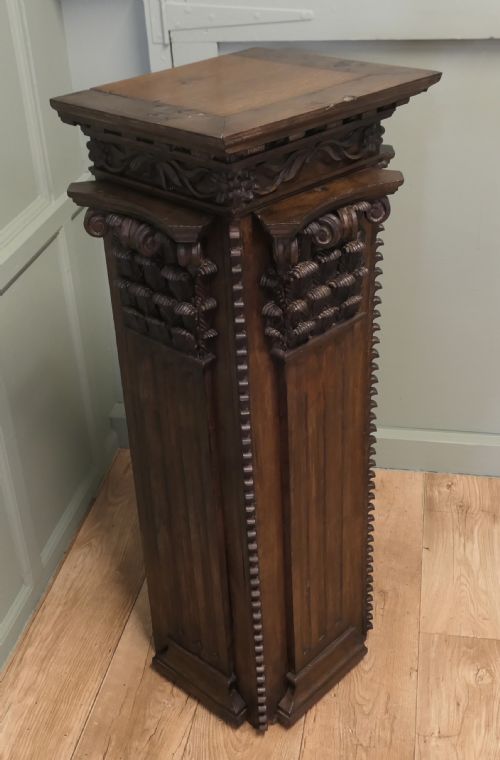
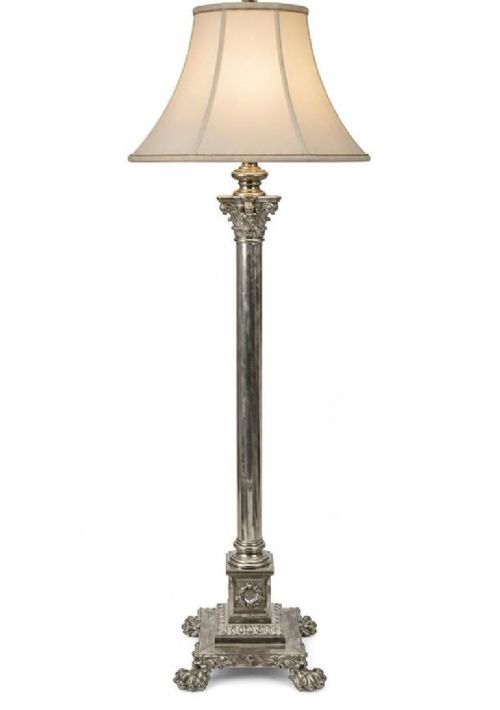
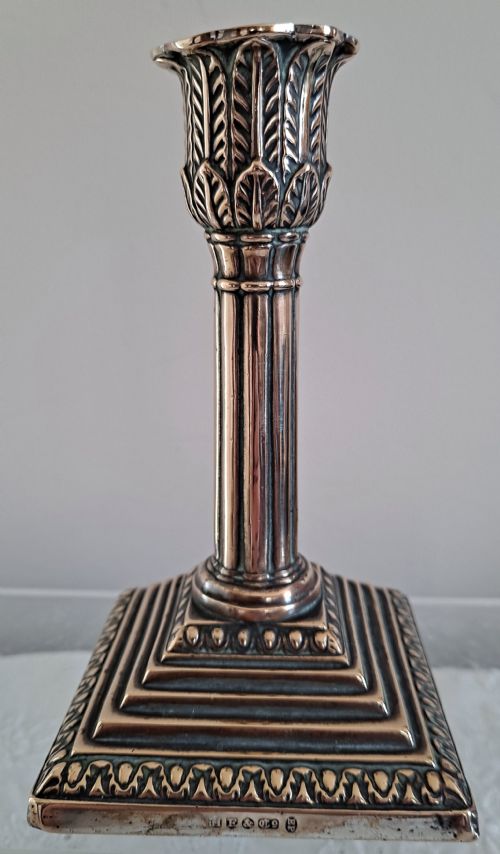
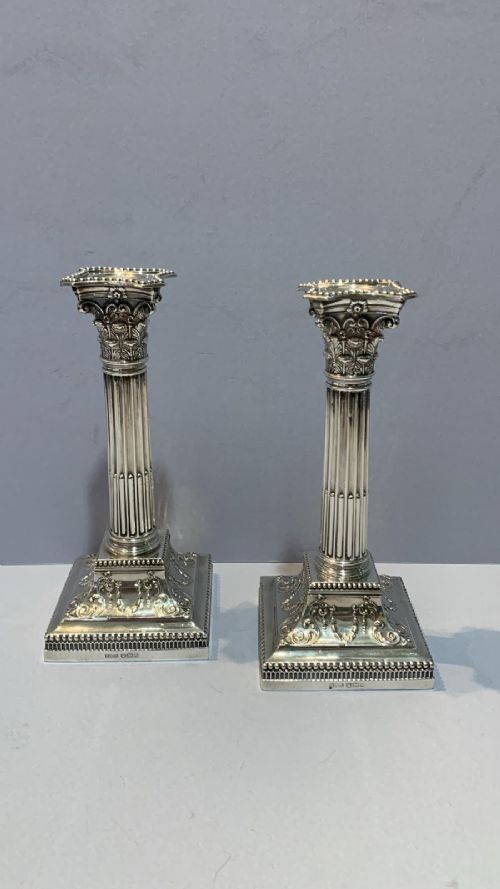
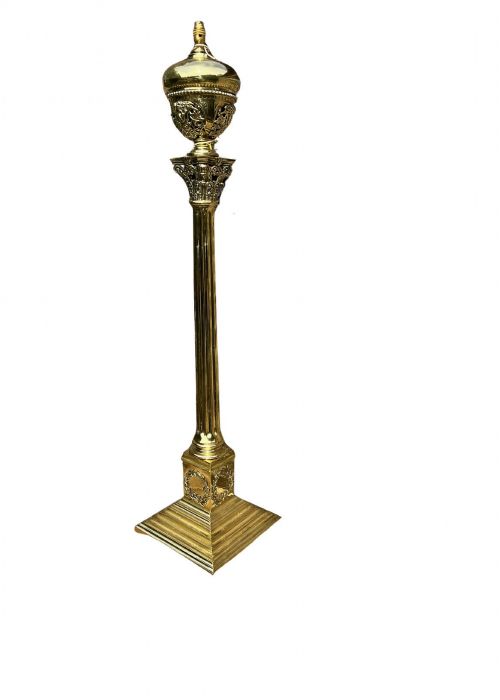
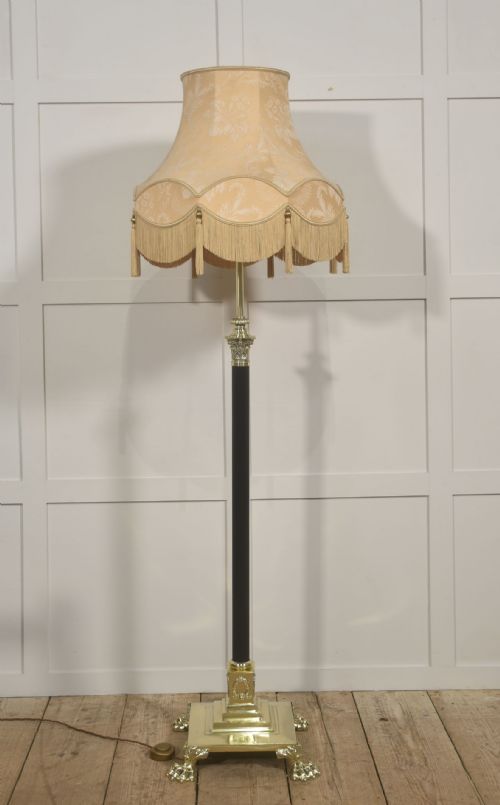
A corinthian column stand encompasses floor lamps, standard lamps, candlesticks, display pedestals, and console tables derived from classical architecture. These forms appear predominantly in nineteenth century, Victorian, and Edwardian periods.
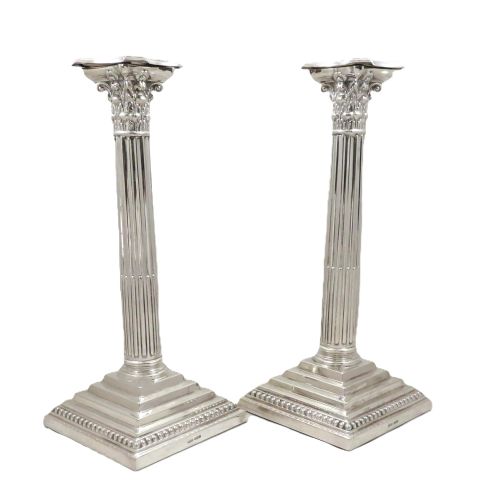
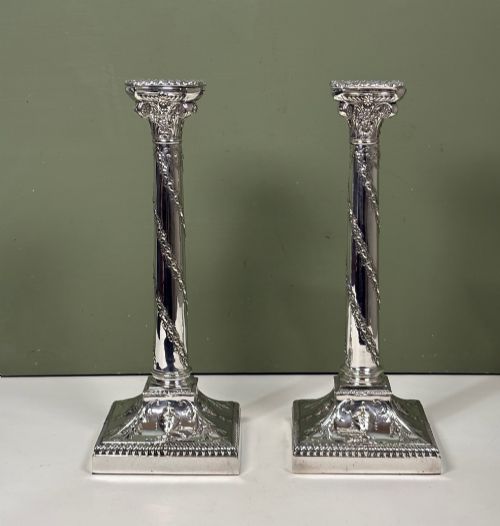
Buyers frequently meet standard lamps and candlesticks constructed with detailed classical capitals. The selection ranges from tall brass floor standards to smaller silver plated desk and mantelpiece accessories.
The style draws heavily upon Neoclassical and Classical Revival influences, adapting ancient stone architecture into functional domestic furnishings. Pieces often display tiered bases and fluted shafts characteristic of the ancient Greek order.
How They Were Made
Metalwork dominates the construction, utilising brass, silver plate, sterling silver, gilt bronze, and copper cast into intricate column shapes. Telescopic stems and adjustable mechanisms appear frequently in the floor and standard lamp categories.
Natural materials like marble, oak, onyx, and carved pine provide weighty bases and display surfaces. Fabric elements complete the standard lamps through traditional shades paired with the metallic columns.
Masonic candlesticks appear among the brass columns, bringing an unexpected ceremonial height to domestic lighting.
What Varies In Quality
The crispness of the acanthus leaf carving on the Corinthian capital separates standard examples from finer works. Superior items maintain sharp, deep relief work in the brass or bronze rather than soft, worn casting lines.
Mechanical complexity and stability dictate the standing value of floor lamps and pedestals. Telescopic extension mechanisms that lock securely and heavy weighted bases indicate superior domestic engineering.
William Hutton & Sons·Hinks
The Corinthian Column Stand Glossary
- Capital
- The decorative uppermost member of a column, featuring carved acanthus leaves and scrolls characteristic of the Corinthian order.
- Fluting
- The series of shallow vertical grooves carved or cast into the surface of the column shaft.
- Standard Lamp
- A tall floor-standing lamp designed to provide ambient room illumination, frequently incorporating a heavy weighted base.
- Torchere
- A tall ornamental stand or floor lamp originally intended to hold a torch or single candle.
- Plinth
- The heavy square block at the bottom of a column serving as its foundational support.
Corinthian Column Stand: Frequently Asked Questions
What periods do these columns represent?
The pieces span the nineteenth century, Victorian, and Edwardian eras, alongside early twentieth century revivals.
Craftsmen during these periods frequently looked back to classical architectural forms for domestic inspiration.
How were standard lamps adjusted?
Many examples feature telescopic stems that allow the overall height of the lamp to be altered.
Internal mechanisms or exterior keys secure the upper shaft at the desired elevation.
Where should a pedestal be placed?
These supports function as display surfaces for garden statuary, urns, or decorative objects in hallways and reception rooms.
Their substantial marble or wooden construction provides a stable elevated platform.
What materials make up the shafts?
Cast brass and silver plate form the majority of the lighting fixtures, often paired with weighted metal bases.
Heavier display columns rely on solid oak, onyx, or carved pine.