


Copper Wine Cooler
A copper wine cooler brings warmth and weight to any room, serving both as a functional vessel and a striking decorative centrepiece.
Understanding the Copper Wine Cooler
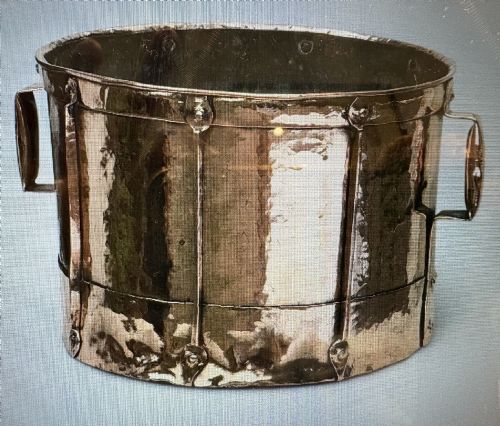
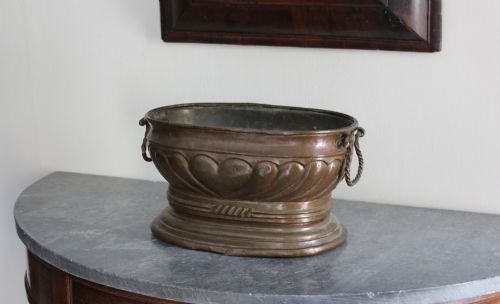
A copper wine cooler is a robust vessel designed for chilling bottles, appearing across various historical periods including the Regency, Georgian, and Victorian eras. These pieces often blur the line between utility and display, frequently doubling as jardiniere planters, ice buckets, or large bowls.
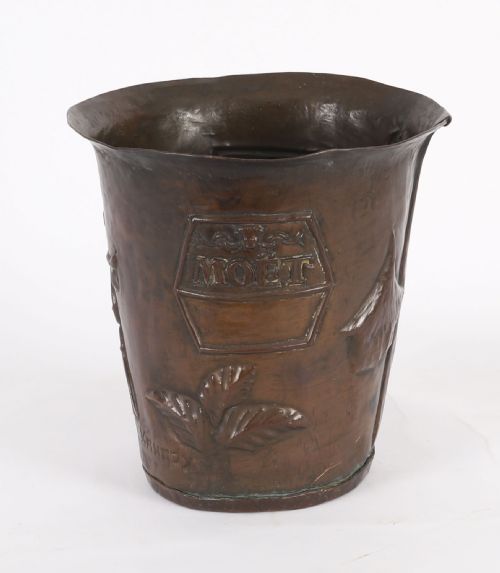
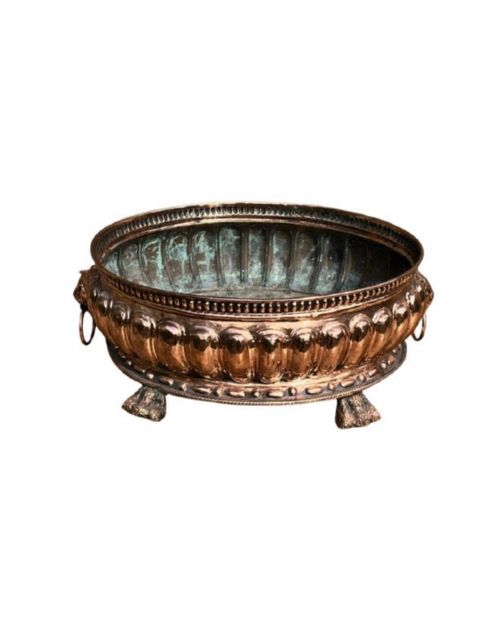
Buyers will encounter items ranging from French provincial grain measures and mixing bowls repurposed for wine to purpose-built Arts and Crafts pieces and heavy Victorian vessels. Styles span from plain utilitarian metalwork to ornate brass-bound designs and decorative bowls mounted on stands.
Origins vary between British workshops and continental European makers, particularly French examples that bring a distinct rustic elegance. Whether styled as a simple bucket or a grand champagne cistern, each object carries the patina of age and heavy metal craftsmanship.
Evaluating Quality and Craftsmanship
Quality rests in the heaviness of the gauge metal used and the integrity of the construction, such as tightly hammered seams and secure brass mountings. Thicker metal holds its form better over time and retains a superior weight and balance.
The sophistication of decorative details, from hand-forged handles to the clean lines of Arts and Crafts styling or Regency proportion, separates standard vessels from exceptional collector pieces. Original linings and untouched period patination also elevate the standing of a cooler.
Retail Price Guide 2026
Typical UK retail prices for copper wine cooler, calculated from the Sellingantiques database of over a million retail prices indexed since 2003. This retail price guide relies exclusively on Sellingantiques data; no external sources or auction records are used, so the figures do not describe the wider market.
Some heavy chocolate mixing bowls found a second life keeping champagne cold.
The Copper Wine Cooler Glossary
- Jardiniere
- An ornamental pot or stand for holding plants or flowers. These vessels share similar proportions to wine coolers and often served interchangeable purposes.
- Ferrat
- A traditional French term associated with grain measures and utilitarian metal containers. These heavy copper items frequently find new life as wine coolers.
- Patina
- The surface sheen and colour developed through age, handling, and oxidation. In copper pieces, this ranges from bright polished metal to deep, dark brown and verdigris tones.
- Cistern
- A large vessel designed to hold liquids. In a dining context, a copper cistern serves as a grander, deeper version of a standard wine cooler.
- Arts and Crafts
- A design movement valuing handcraftsmanship and simple forms over mass production. Pieces from this style often feature visible hammered textures and brass detailing.
Frequently Asked Questions
Can I still use a copper wine cooler for ice?
Yes, metal wine coolers are naturally suited for holding ice and chilling bottles at the table. Modern users simply place ice and wine directly inside, much as their historical counterparts did.
Buyers should ensure the interior remains clean and watertight. Unlined copper requires gentle drying after use to prevent moisture spotting.
How do I clean antique copper?
Most collectors prefer to leave an aged patina intact rather than polishing the metal to a bright shine. Gentle washing with warm soapy water removes dust without disturbing the surface.
Avoid harsh abrasive cleaners that strip away the historical finish. A soft cloth is usually all that is required for routine maintenance.
Were these always meant for wine?
Not exclusively, as many surviving pieces began life as grain measures, chocolate mixing bowls, or general household pans. The generous proportions of these vessels made them easily adaptable for chilling champagne or holding flower arrangements.
Makers often produced heavy copper items for multiple domestic duties. Over time, collectors and hosts repurposed these sturdy containers specifically for entertaining.
How do I date a copper cooler?
Dating relies on observing construction methods, such as the transition from hand-beaten seams to machine-rolled edges, alongside stylistic markers. Regency and Georgian pieces display classical proportions, while Victorian and Arts and Crafts examples often incorporate heavier brass mounts and visible hammering.
Material combinations also offer clues, such as early iron handles or silver plating over copper. Comparing the weight, form, and joinery helps place the object within its proper century.