

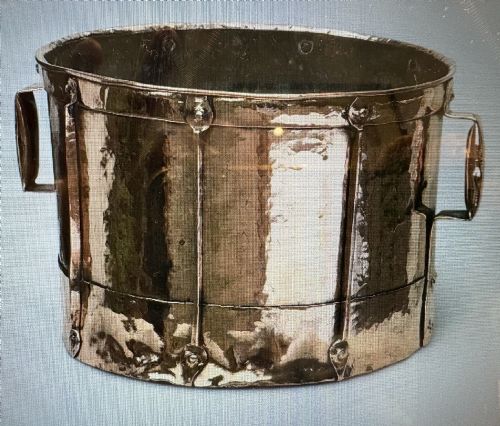
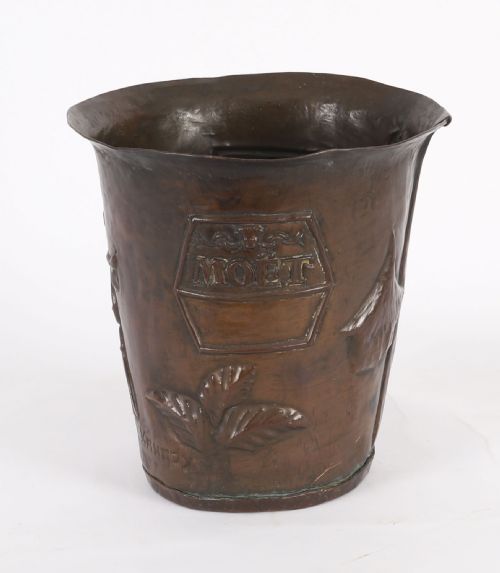
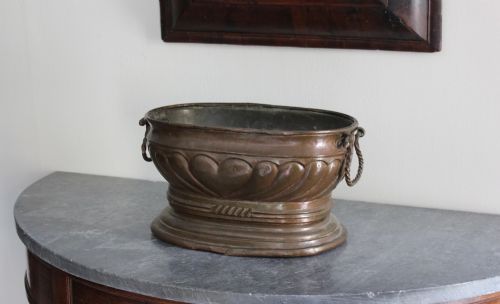


Copper Wine Cooler Bucket
These copper wine cooler bucket designs bring warmth and function to a room, offering timeless metalwork for modern tables.
Copper Wine Cooler Bucket
A copper wine cooler bucket brings centuries of entertaining history into a modern home through vessels designed originally to chill bottles in ice or water. When searching for a copper wine cooler bucket, buyers encounter forms ranging from French grain measures and Italian cisterns to Arts and Crafts bowls and Victorian jardinières.
The pieces on this page span the eighteenth, nineteenth, and early twentieth centuries, featuring origins as diverse as France, Britain, Holland, and Italy. Many items double functionally as planters or jardinieres, reflecting how these durable metal vessels adapted to new uses over generations.
Victorian and Arts and Crafts examples dominate the selection, often incorporating brass handles, iron fittings, or timber stands. Whether choosing an eighteenth-century Georgian piece or a twentieth-century silver-plated design, buyers find substantial metal vessels built for practical display.
Materials and construction methods
Makers constructed these vessels primarily from hammered or sheet copper, frequently combining them with brass handles, rims, and paw feet. Iron and tin appeared in structural elements or linings, while certain luxury items utilised silver plating over a copper base.
Copper Wine Cooler Bucket Retail Price Guide 2026
Typical asking prices for copper wine cooler bucket among the pieces listed under this phrase on Sellingantiques today, from the lower quarter to the upper quarter. They describe what is for sale here now, not the wider market.
Several vessels spent decades holding garden ferns before returning to wine service.
Assessing craftsmanship and finish
Quality in these metal vessels rests upon the weight of the copper gauge, the integrity of the riveted or soldered seams, and the crispness of any applied brass ornamentation. Heavier gauge metal resists denting and maintains its structural form better over centuries of use.
The refinement of decorative details, such as cast brass handles, hand-hammered surface textures, and original interior linings, separates standard utility items from exceptional decorative pieces. Patina develops naturally over time, and pieces retaining undisturbed historical surfaces command greater interest from collectors.
Barker Ellis·Napier Clan
The Copper Wine Cooler Bucket Glossary
- Jardiniere
- An ornamental pot or stand designed to hold plants or flowers, sharing similar forms with wine cisterns and metal buckets.
- Old Sheffield Plated
- An early method of fusing a thin layer of silver to a thicker copper base, common in eighteenth and nineteenth-century dining vessels.
- Coopered
- Built using wooden staves held together by tight metal hoops, typical of timber peat buckets and certain wine vessels.
- Wine Cistern
- A large basin or vessel designed to hold multiple wine bottles and ice, often standing on the floor or a dedicated base.
Copper Wine Cooler Bucket: Frequently Asked Questions
Can I use an antique copper bucket for chilling wine?
These vessels were originally manufactured to hold ice and bottles, making them suitable for modern table use. Ensure the interior lining remains watertight before filling it with melting ice.
Older pieces with soldered seams or original linings function well, though modern condensation requires a protective mat underneath to safeguard wooden surfaces.
How do I clean a copper wine cooler?
Gentle washing with warm soapy water removes dust and grime without disturbing the historical surface. Avoid harsh abrasive cleaners that strip away the aged patina.
Allow the metal to dry completely after cleaning. Many collectors prefer to leave the natural oxidation untouched rather than polishing the copper to a bright shine.
What is the difference between a jardiniere and a wine cooler?
Jardinieres were built to hold potted plants and floral arrangements, while wine coolers served beverage vessels at the dining table. Makers often shaped them with similar proportions and metal linings.
Over the centuries, owners frequently repurposed these items between floral displays and ice buckets, blurring the original functional distinction.
How do I date an antique copper bucket?
Dating relies upon manufacturing techniques, such as hand-beated seams versus machine-rolled sheets, alongside distinct stylistic periods like Arts and Crafts or Georgian. Maker marks and secondary woods like oak or walnut also offer chronological clues.
Examination of the fixings, handles, and wear patterns helps place a piece within the eighteenth, nineteenth, or early twentieth century.