
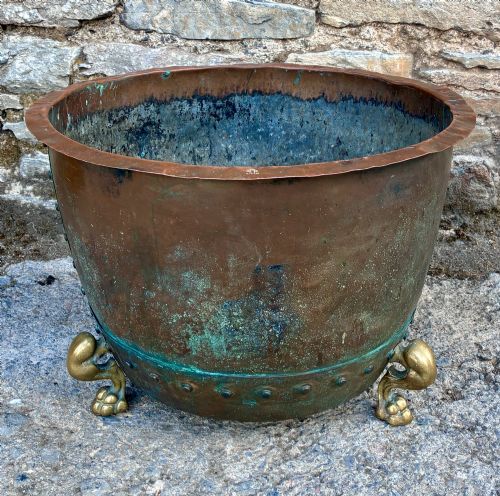
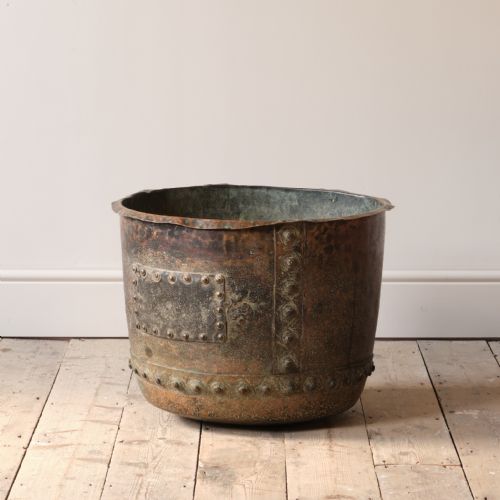
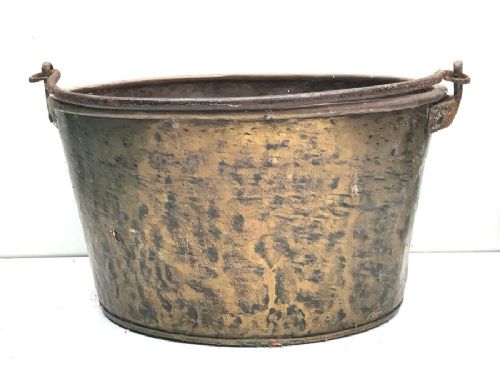
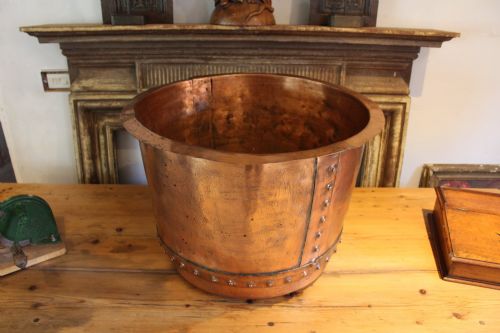


Copper Fireplace Planter
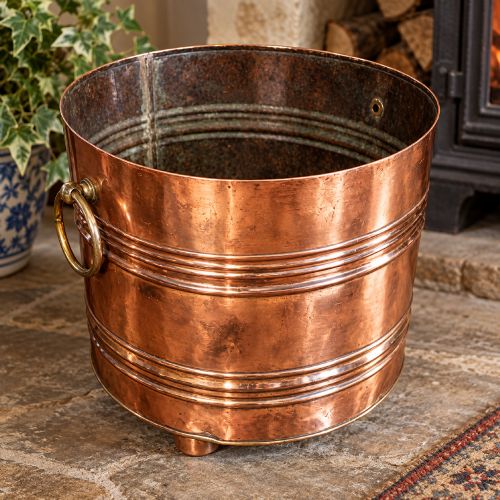
A copper fireplace planter brings warmth and metallic character to a hearth, serving equally well for logs or foliage.
Copper Fireplace Planter
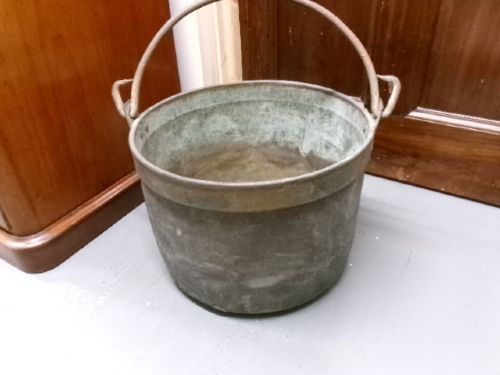
A copper fireplace planter is a sturdy metal vessel designed originally to hold coal, logs, or peat beside the hearth, though many serve today as plant pots and jardinières. When searching for a copper fireplace planter, buyers encounter heavy utilitarian containers that double as decorative fireside accessories.
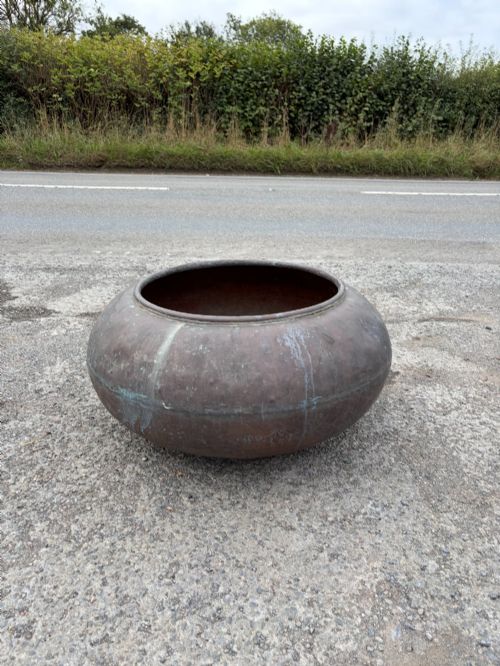
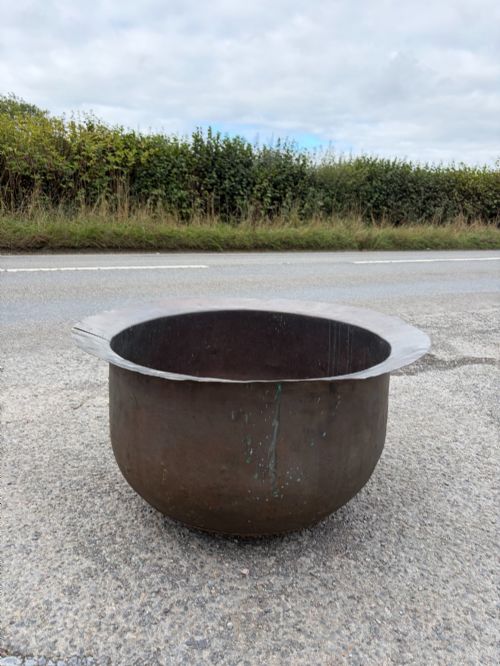
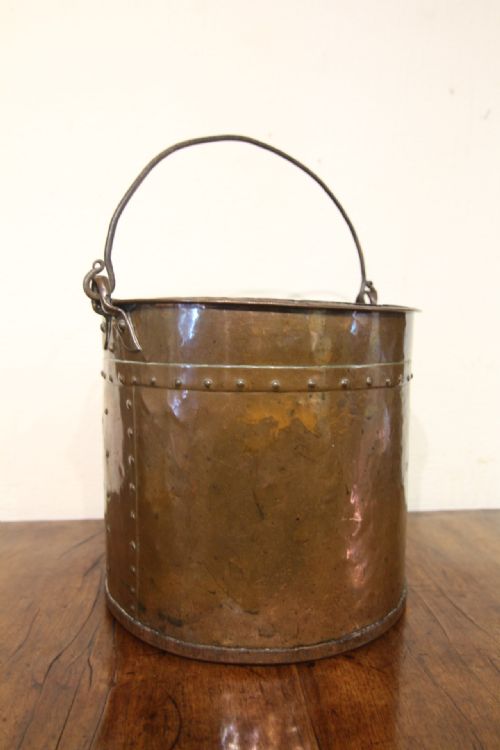
Most examples found here date from the nineteenth century, including the Victorian period and the Arts and Crafts era, alongside a few Georgian pieces. These items appear in various forms, such as riveted buckets, cauldrons, coal bins, and scuttles.
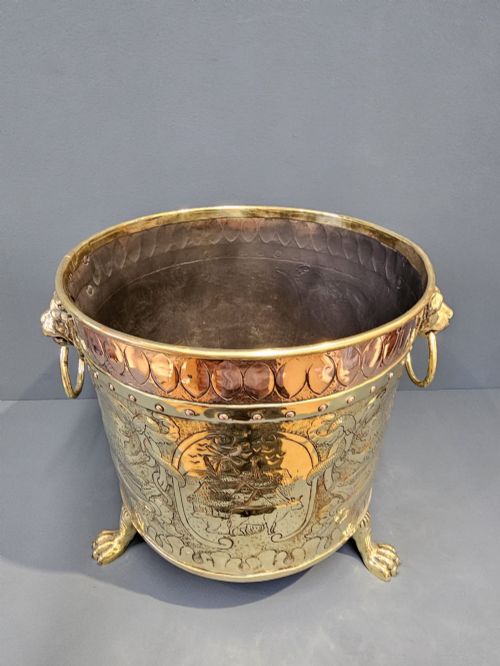
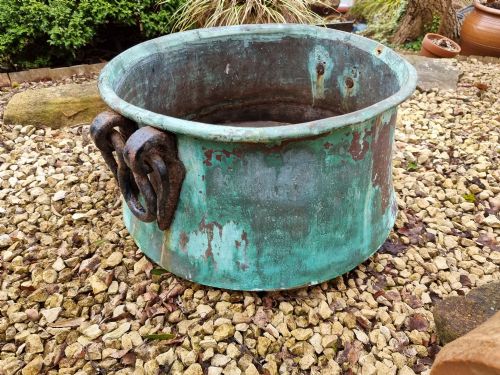
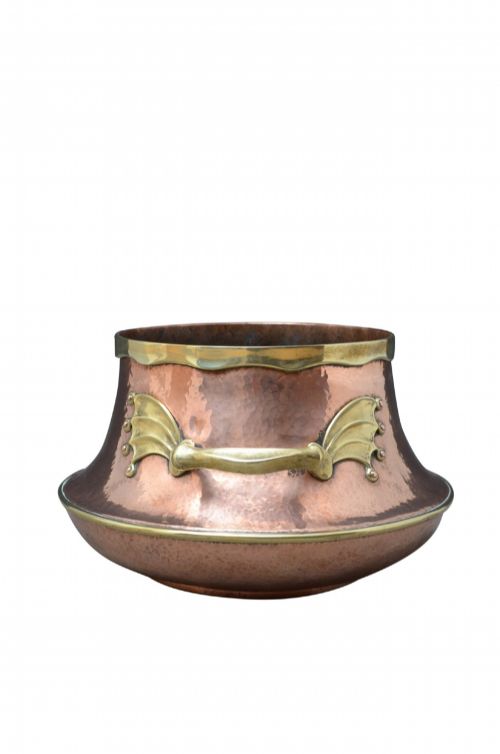
Makers often combined copper bodies with brass handles, iron swing bails, or wrought iron mounts. Pieces span utilitarian workshop output to decorative designs featuring handbeaten surfaces, embossed bands, and verdigris finishes.
How They Were Made
Makers constructed these vessels primarily from sheet copper, joining the seams with visible hand-hammered rivets that provided structural strength for holding heavy loads of fuel. Wrought iron and brass formed the handles, swing bails, and reinforcing bands attached to the main body.
Workshops shaped the metal using handbeating and raising techniques, sometimes adding embossed decorative bands or working within the aesthetic of the Arts and Crafts movement. Wood and walnut appear in coopered stave designs, while iron provides the foundation for heavier cauldrons and pans.
Several heavy vessels double as garden planters, giving old coal storage a second life among the ferns.
What Varies in Quality
Quality rests in the weight of the metal gauge and the integrity of the riveted joints holding the cylindrical body together. Substantial copper thickness prevents buckling under the weight of logs or wet soil in garden settings.
Artisanal detail distinguishes standard utilitarian vessels from finer examples, such as carefully handbeaten surfaces, solid brass swing handles, and well-fitted iron mounts. The harmony of mixed metals, including brass rims and wrought iron attachments, adds distinction to a piece.
The Copper Fireplace Planter Glossary
- Riveted
- Joined with metal pins hammered flat to secure overlapping copper sheets. This method ensured durable construction for heavy coal and log buckets.
- Jardiniere
- An ornamental pot or stand for holding plants or flowers. These vessels often double as indoor plant containers.
- Cauldron
- A large round pot, typically with a swing handle and three small feet or a flat base. They are frequently forged from copper and iron.
- Coopered
- Made from fitted wooden staves held together by metal hoops, similar to barrel construction. This technique appears in nineteenth-century peat and tea buckets.
- Dinanderie
- Objects made of beaten brass, copper, or bronze, often associated with decorative vessels from specific European traditions.
Copper Fireplace Planter: Frequently Asked Questions
What were copper fireplace planters originally used for?
These vessels served near the hearth to store coal, logs, and peat for fueling open fires.
Over time, many of these heavy-duty containers transitioned into decorative planters and jardinières for indoor greenery.
How do I clean an antique copper planter?
Gentle washing with warm soapy water removes surface dirt without disturbing the aged patina.
Avoid harsh chemical metal polishes unless you prefer a bright, reflective finish over the natural dark oxidation.
Can I use a fireplace planter in the garden?
Many sturdy nineteenth-century metal bins and cauldrons function well outdoors as garden planters.
Ensure proper drainage if planting directly into the vessel to prevent prolonged moisture contact with the base.
How do I date a copper fireplace vessel?
Construction marks, such as hand-hammered rivets and dovetail seams, often point to nineteenth-century and Victorian manufacturing methods.
Stylistic cues from the Arts and Crafts and Art Nouveau periods also help narrow down the decade of production.