


Copper Brass Hearth Accessory
A copper brass hearth accessory brings warmth and tactile metalwork to the fireplace, combining practical fuel storage with traditional craftsmanship.
Copper Brass Hearth Accessory
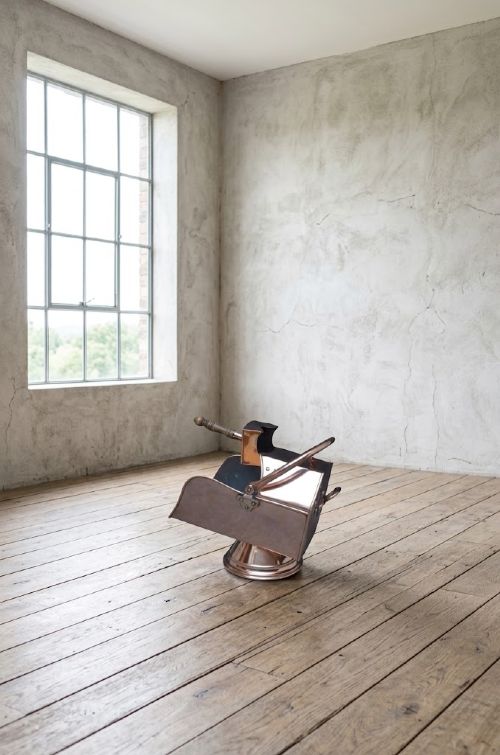
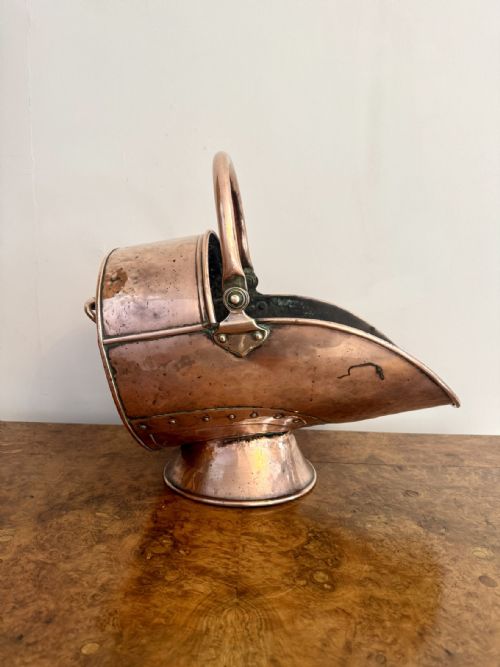
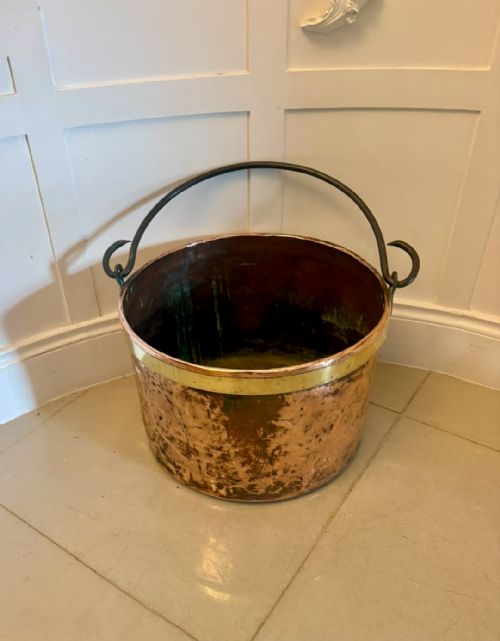
When searching for a copper brass hearth accessory, collectors encounter functional fireside vessels and tools primarily originating from the Georgian and Victorian periods, alongside Edwardian examples. The most common forms met here are coal scuttles, coal buckets, and coal helmets designed to hold solid fuel near the grate.
The selection extends to companion sets, fire tool rests, andirons, log bins, and revolving fireplace toasters with copper inlay. Materials span copper, brass, iron, steel, and occasionally oak or painted metal.
Pieces reflect distinct aesthetic movements including Arts and Crafts, Gothic Revival, and Victorian Neoclassical styles. English country workshop traditions also inform the simpler bucket and hod designs found on this page.
Materials and construction methods
Makers utilised sheet copper and brass for bodies, helmets, and scuttles, often joining the metal plates with hand-finished seams and rivets. Solid brass bands, handles, and feet reinforce the structures while providing strong visual contrast against the warm copper surfaces.
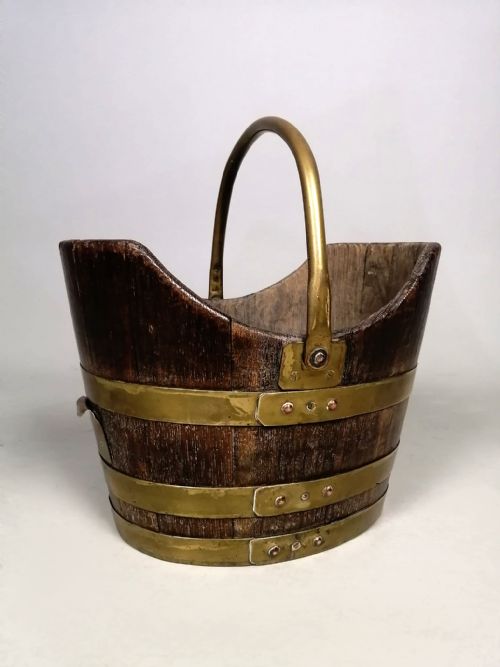
Cast iron and steel appear frequently in companion sets, fire dogs, and internal components, chosen for their durability under high heat. Oak and other timbers feature in specific coal hods and bucket constructions, incorporating brass fixtures and fittings.
Listings feature items spanning the 18th century, 19th century, Georgian, Victorian, and Edwardian periods in copper, brass, oak, and iron.
Distinctions in construction and design
Quality reveals itself in the weight of the metal and the robustness of the handles, hinges, and joints. Heavy gauge copper and secure riveting distinguish superior coal buckets and helmets from lighter, purely decorative vessels.
Detailing on handles, shovel rims, and brass banding separates standard utility items from finer workshop output. The integration of decorative elements like hand-finished surfaces and inlaid hearts elevates the visual standard of the piece.
The Copper Brass Hearth Accessory Glossary
- Coal scuttle
- A container designed to hold coal for a fireplace, typically featuring a sloping body and a handle for carrying. Many examples take a helmet shape.
- Coal hod
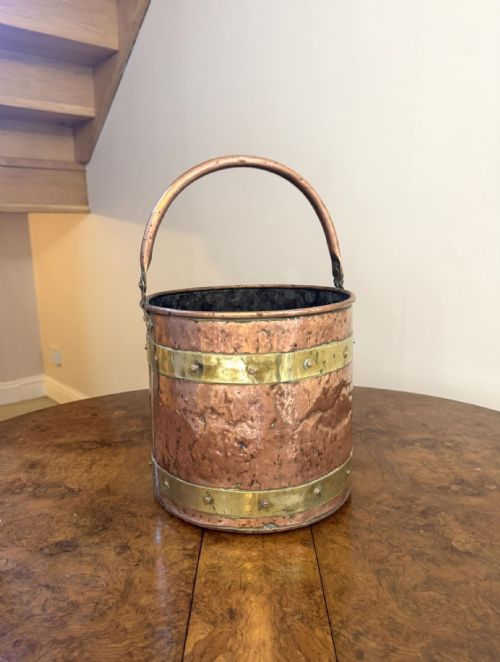
- A deep metal or wooden bucket used for transporting coal to the hearth. These often include sturdy swing handles for daily use.
- Andirons
- Horizontal metal bars supported by legs, placed in a hearth to hold logs above the floor for better airflow. They frequently accompany matching fire tool rests.
- Fireside companion set
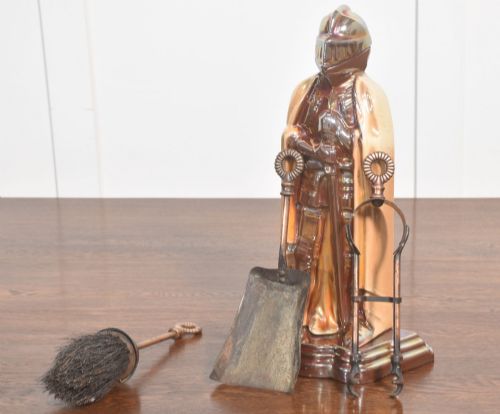
- A coordinated collection of poker, tongs, shovel, and brush held together on a stand or rest. They organise essential tending tools beside the fire.
- Bed warming pan
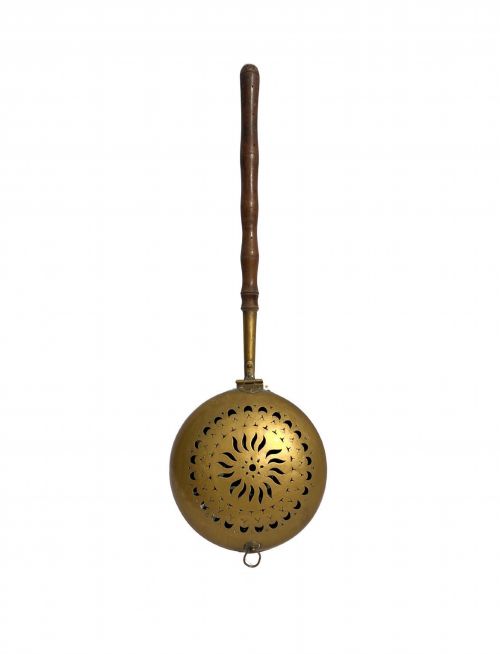
- A long-handled metal pan filled with hot embers, slid between sheets to warm a bed before sleeping. These metal pans display similar craftsmanship to hearth vessels.
Copper Brass Hearth Accessory: Frequently Asked Questions
What is a copper coal helmet?
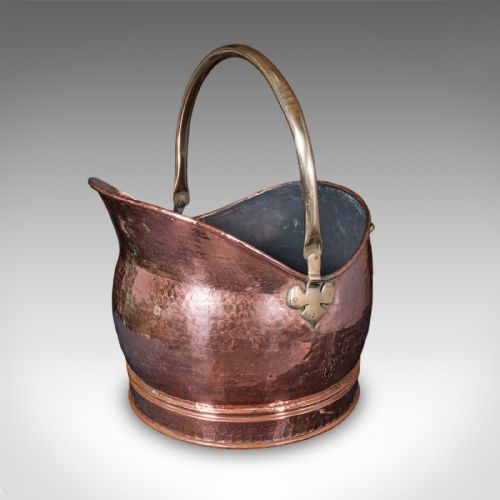
A copper coal helmet is a specific type of coal scuttle featuring a flared rim that resembles a traditional helmet. This shape allows fuel to be poured neatly into the grate.
Craftsmen produced these vessels primarily in the Victorian and Georgian eras, combining polished copper bodies with sturdy brass handles.
How were brass fire dogs used?
Brass fire dogs sit inside the hearth to support logs and improve air circulation beneath the fire. They often work alongside matching tool rests and andirons.
These heavy metal supports also protect the fireplace masonry from direct heat and burning fuel.
How do I clean a copper hearth accessory?
Cleaning involves dusting the metal surfaces regularly with a soft cloth to prevent soot accumulation. Traditional polishes maintain the bright finish on brass bands and copper bodies.
Avoid abrasive pads that can scratch the hand-finished metal surfaces and wear away the historic patina.
Are these pieces suitable for daily use?
Many of these metal vessels remain robust enough for holding logs or kindling beside a modern fireplace. Their sturdy construction in copper, brass, and iron suits practical home environments.
Careful handling protects the historical handles, joints, and decorative mountings from unnecessary wear.