


Continental Wooden Chest
A continental wooden chest brings centuries of European craftsmanship and robust utility straight into your hallway or bedroom.
Continental Wooden Chest
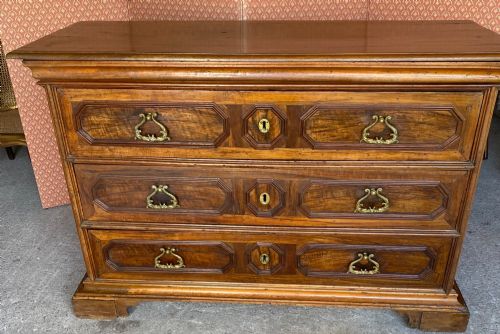
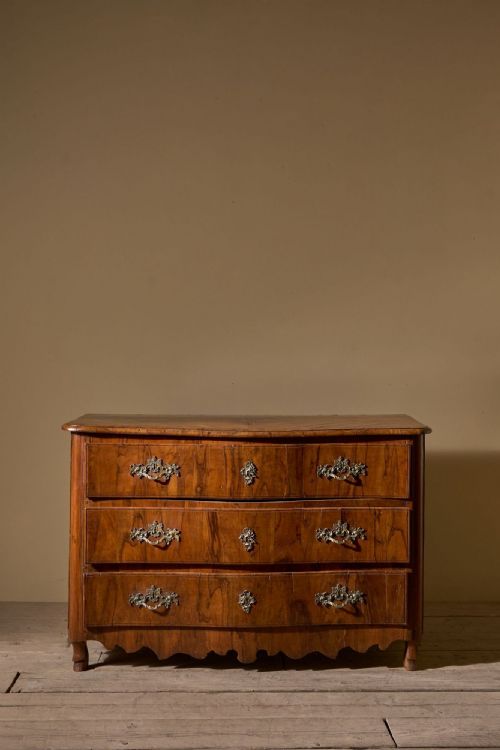
When you search for a continental wooden chest, you encounter a varied selection of antique storage furniture originating from across Europe. The offerings range from early coffers and caskets to substantial commodes and drawer chests spanning several centuries.
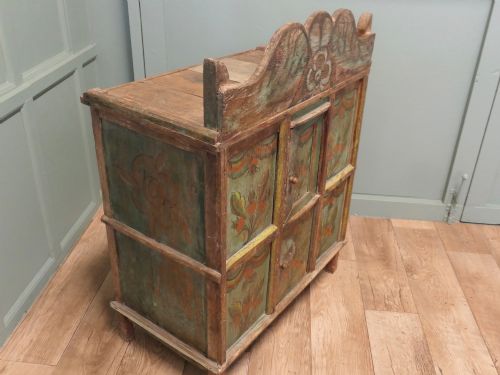
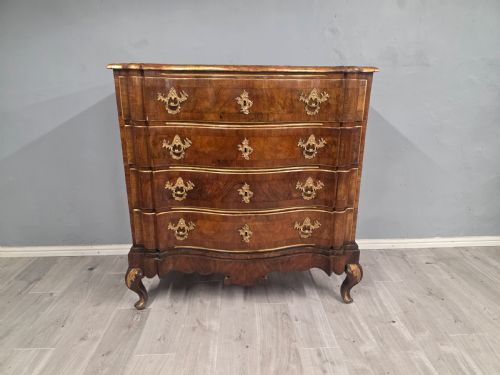
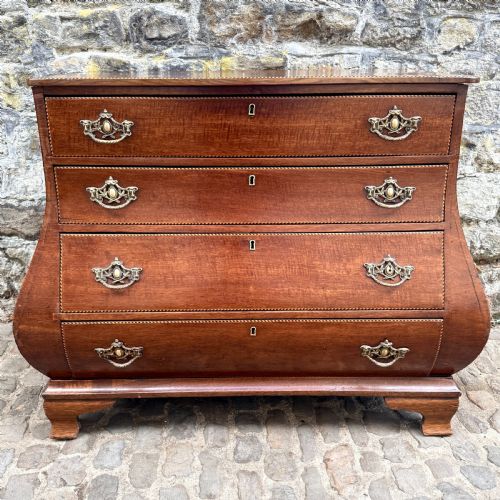
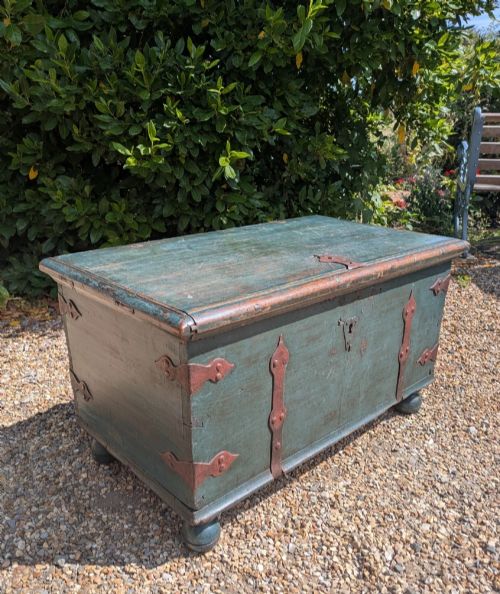
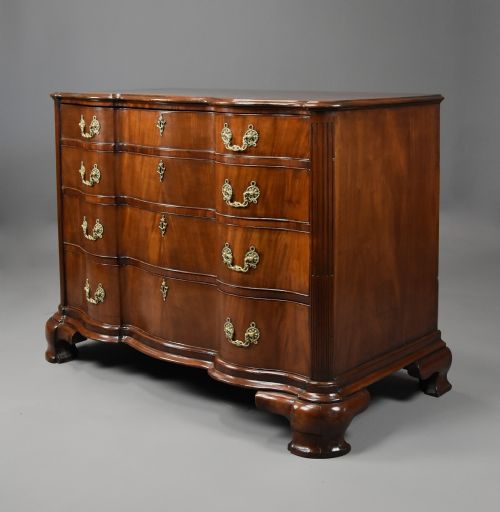
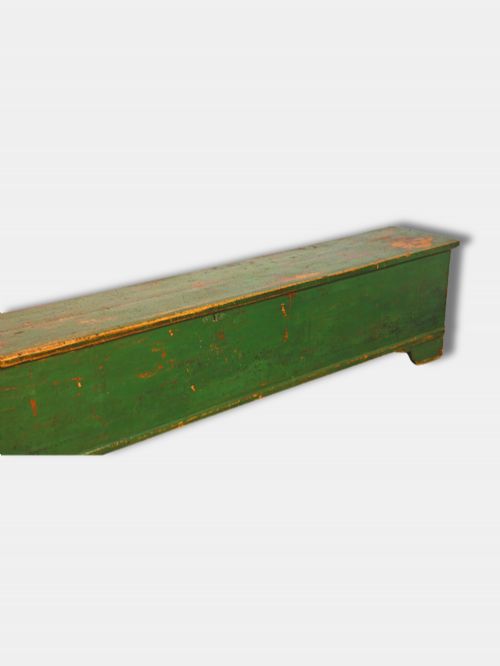
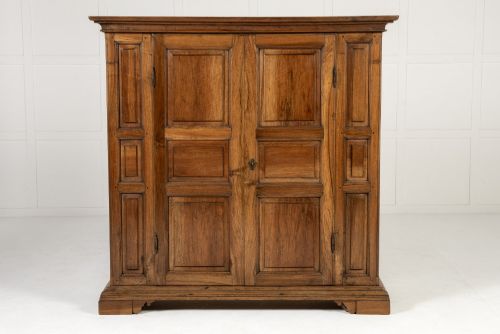
Italian walnut pieces and painted pine coffers from the Alpine region appear alongside Dutch commodes and Biedermeier drawer units. These items served practical domestic storage needs, evolving from simple strongboxes into decorative cabinets.
The material palette reflects regional workshops, utilising native timbers such as oak, fruitwood, and pine alongside decorative veneers of walnut and ebony. Surviving examples demonstrate the diverse aesthetic traditions of seventeenth, eighteenth, and nineteenth-century Europe.
Materials and Construction
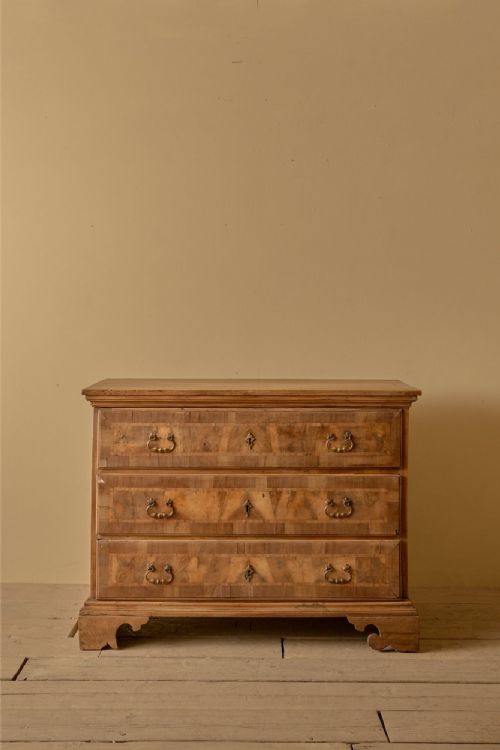
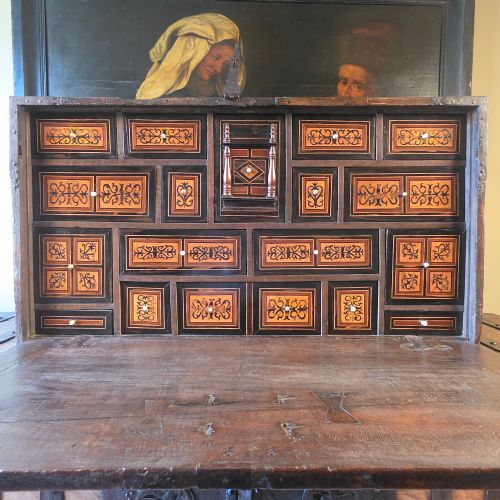
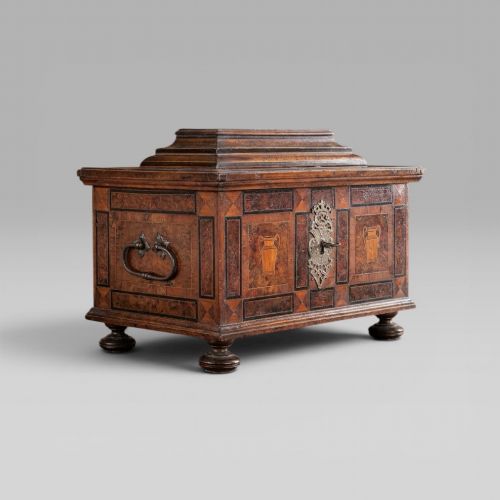
Joiners and cabinetmakers built these pieces using solid timbers like oak, walnut, and pine, often applying elaborate veneers of burr wood, mahogany, or kingwood. Parquetry and inlay work added geometric decoration to surfaces, utilising contrasting woods to create visual depth.
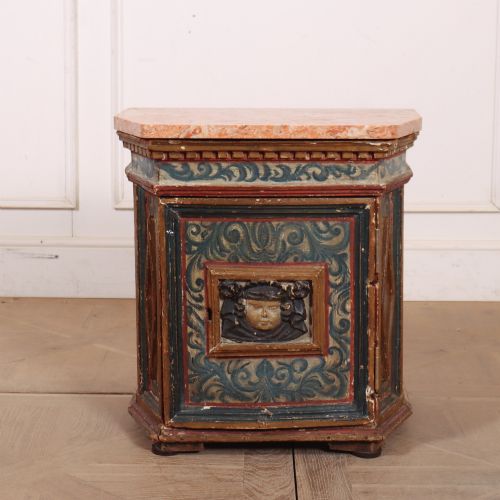
Iron and brass provided functional support and security, appearing as hand-forged strapwork, hinges, and locks. Paint finishes, frequently seen on folk art pieces and marriage chests from the Alpine region, added colour and narrative decoration directly onto pine or fruitwood carcases.
Continental Wooden Chest Retail Price Guide 2026
Typical asking prices for continental wooden chest among the pieces listed under this phrase on Sellingantiques today, from the lower quarter to the upper quarter. They describe what is for sale here now, not the wider market.
Listings feature items dated from the seventeenth century through to the early twentieth century, spanning walnut, pine, and oak.
Assessing the Standard
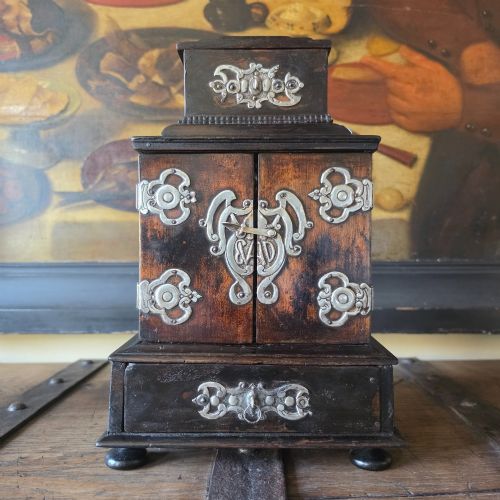
Quality rests in the integrity of the timber selection and the precision of the joinery, distinguishing utilitarian storage from high-status cabinetmaking. Finely figured walnut veneers, intricate parquetry, and well-executed secret drawers indicate superior workshop origin.
Original surface treatments, such as patinated wax finishes or authentic regional paint, elevate a piece above later interventions. The survival of original hardware, including hand-forged iron strapwork and working locks with keys, preserves the historical completeness of the object.
The Continental Wooden Chest Glossary
- Commode
- A low chest of drawers or cabinet originating in France, commonly featuring multiple drawer tiers.
- Coffer
- A heavy wooden box used for storage, often fitted with a hinged lid and iron carrying handles.
- Parquetry
- A geometric mosaic of wood pieces used for decorative floors and cabinet surfaces.
- Biedermeier
- A central European style from the first half of the nineteenth century prioritising clean lines and utilitarian comfort.
- Strapping
- Metal bands or reinforcement applied to storage pieces for structural strength and security.
Continental Wooden Chest: Frequently Asked Questions
What is a continental wooden chest?
A continental wooden chest is a historic storage piece originating from mainland Europe, encompassing forms from simple nineteenth-century painted pine boxes to seventeenth-century inlaid walnut cabinets.
These items were constructed in regions such as Italy, Germany, and the Netherlands to store clothing, valuables, or household goods.
How were these chests used historically?
Historically, these items served secure storage functions in domestic interiors, holding textiles, documents, and precious objects.
Larger coffers travelled across regions, while commodes and drawer units functioned as permanent bedroom or parlour furniture.
How do I care for an antique wooden chest?
Maintenance involves keeping wooden surfaces away from direct heat sources and sudden humidity changes to prevent timber splitting.
Applying occasional traditional wax helps nourish older finishes without damaging the patina.
How can I tell the period of a chest?
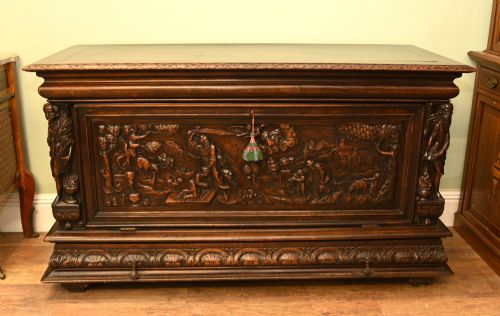
Dating relies on observing construction methods, timber choices, and stylistic markers such as Baroque carving or Biedermeier minimalism.
Hand-forged ironwork and secondary woods inside drawers also offer clues regarding the geographical origin and era.