





Continental Portrait Art
Continental portrait art brings historic character into your home through centuries of painted faces rendered in oil on canvas, copper, tin, and board.
Continental Portrait Art
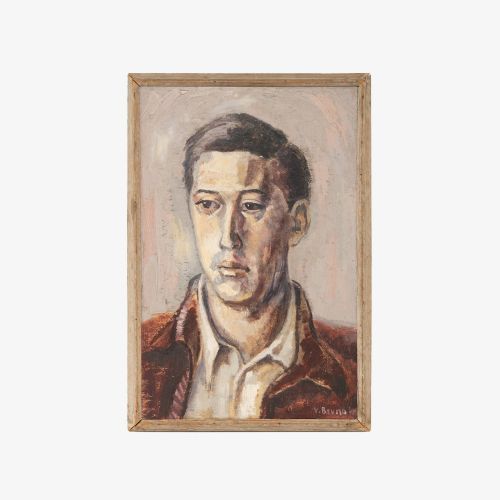
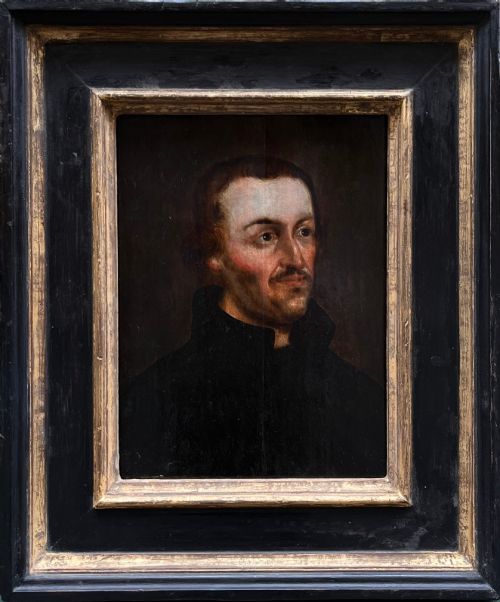
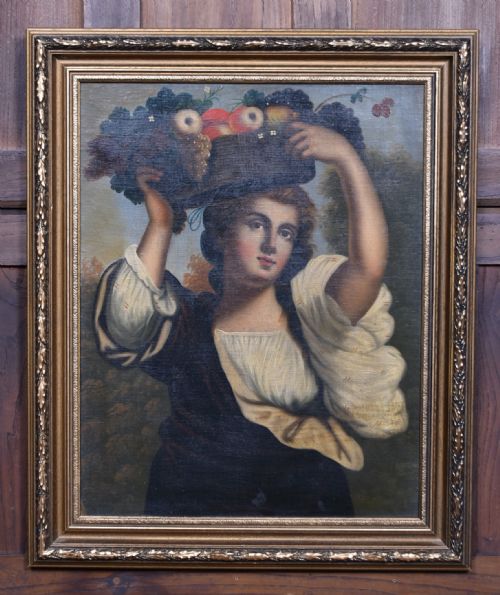
Continental portrait art encompasses oil paintings, framed artwork, and portrait miniatures originating from European schools across the seventeenth, eighteenth, and nineteenth centuries. These works capture specific individuals, including saints, nobility such as Prince Albert, and everyday peasants, offering a direct window into past European societies.
The versions most frequently encountered on this page span the 19th century and 18th century, alongside earlier 17th-century examples. Formats range from large framed wall art to small copper and tin panels, often housed in period giltwood or ebonised wood frames.
Materials and methods
Artists painted primarily in oil paint using canvas, wood boards, copper, and tin as supports. These diverse surfaces reflect the evolving techniques of European school painters who adapted their mediums from traditional canvas to metallic sheets and wooden panels.
Framing forms an integral part of the physical object, utilising gilt wood, giltwood, and ebonised wood often paired with glass protection. These frames range from elaborate Rococo styles to simpler mouldings that complement the portrait within.
Continental Portrait Art Retail Price Guide 2026
Typical asking prices for continental portrait art among the pieces listed under this phrase on Sellingantiques today, from the lower quarter to the upper quarter. They describe what is for sale here now, not the wider market.
Saint Sebastian pops up twice in the historic record, proving that early modern buyers liked their art with a distinct dash of martyrdom.
Judging quality in portraiture
Quality rests upon the skill of the brushwork and the psychological depth achieved by the artist within the European school tradition. Finer works display precise facial modeling and expressive handling of light and shadow, whereas lesser examples rely on formulaic rendering.
The integrity of the original support and the sympathetic preservation of the framing materials also determine the standing of a piece. Original gilt wood surrounds and stable oil layers on canvas or copper elevate the overall stature of the artwork.
The Continental Portrait Art Glossary
- Oil on Canvas
- Pigment bound in a drying oil applied to stretched woven fabric. This medium dominated European painting for centuries due to its versatility.
- Portrait Miniature
- A small-scale painting designed for intimate viewing. These detailed works often capture likenesses with extraordinary precision on compact surfaces.
- European School
- A broad designation for artists trained within continental artistic traditions. It groups works sharing regional techniques without attributing them to a specific master.
- Oil on Copper
- Pigment applied directly to a prepared copper plate. This smooth surface allows for exceptional detail and luminosity in historical paintings.
Continental Portrait Art: Frequently Asked Questions
What periods do these portraits cover?
The available selection spans several centuries, starting from the 17th century and extending through the 18th century into the 19th century. Specific dated works include items from 1890.
These timeframes encompass various stylistic movements such as Baroque, Rococo, and 19th Century Realism, reflecting changing artistic tastes across Europe.
What surfaces were used for painting?
Artists utilised oil paint on a variety of different supports depending on the era and format. Canvas, wood board, copper plates, and tin sheets all appear in these historical listings.
Smaller formats often favored metals like copper or tin, while larger compositions typically relied on woven canvas or wood.
Who do these portraits depict?
The subjects range from historical figures and royalty, such as Prince Albert and Philip Melanchthon, to religious figures and saints. Other works capture anonymous peasants, children, and ladies of the continent.
This mix provides representations of both high society and everyday European life across different historical strata.
How should I display framed portraits?
These works are generally supplied as framed wall art utilising period surrounds like giltwood, ebonised wood, and glass protection. They suit traditional wall placement where lighting can be controlled.
Care should be taken to avoid direct sunlight to protect the underlying oil paint and wooden or gilded frames.