

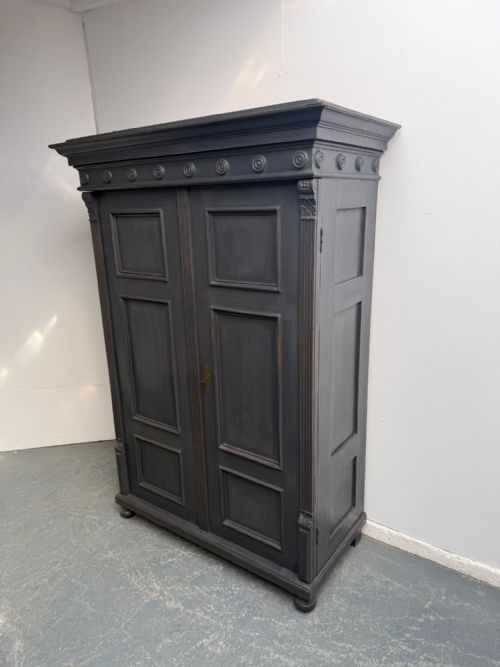


Continental Painted Wardrobe
A continental painted wardrobe brings distinct provincial character and substantial storage into a room through decorative surfaces and regional forms.
Continental Painted Wardrobe
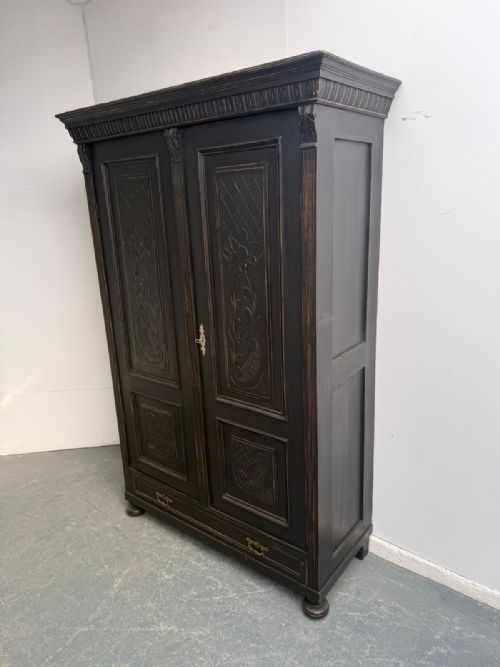
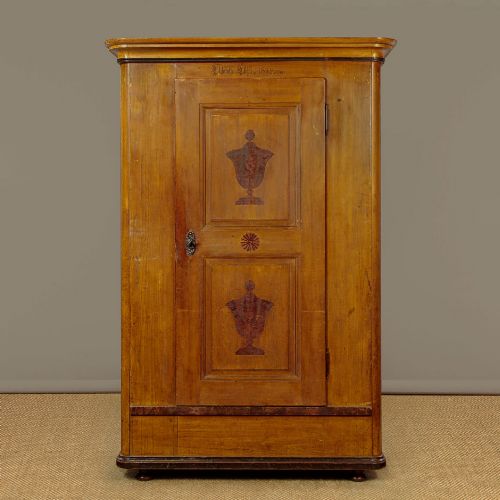
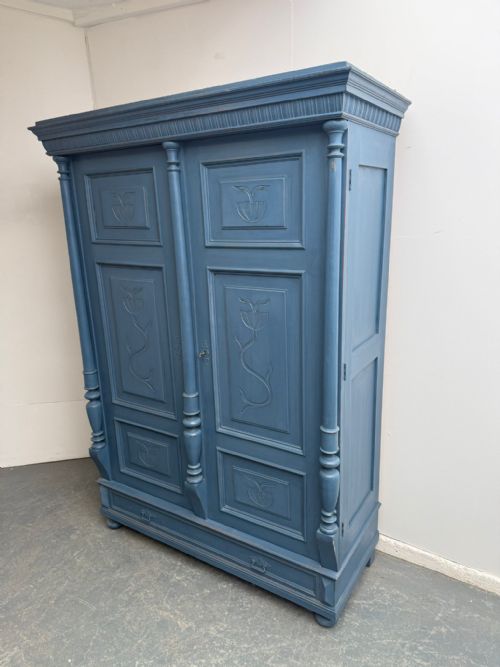
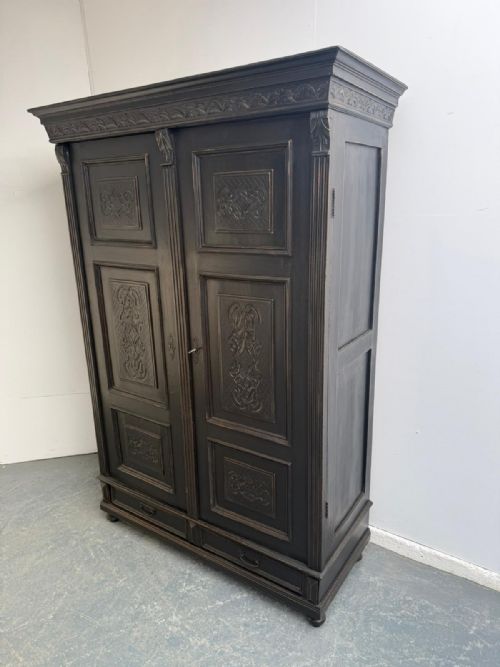
A continental painted wardrobe serves as a large storage piece originating from various European regions, encompassing styles such as Italian Provincial, Tyrolean, and Hungarian Folk Art. Buyers searching for a continental painted wardrobe typically encounter substantial timber constructions dating from the nineteenth century, including Victorian periods and specific years like eighteen-fifty-two.
The forms vary between single door configurations, two door breakdowns, and storage cupboards or marriage cupboards. These pieces bring regional European craftsmanship into a domestic interior, often finished in black, blue, grey, or natural painted wood tones.
How they were made
Makers constructed these pieces primarily using pine and oak timber, sometimes supplemented by iron and metal hardware. Carpenters built large carcasses designed for domestic storage, often utilising breakdown formats for transport.
Surfaces received decorative treatments involving paint finishes, alpine folk art motifs, and occasional carved details. Painters applied layered colours, resulting in durable painted timber surfaces that survive from the nineteenth century.
Regional styles include Italian Provincial, Tyrolean, Alpine Folk Art, and Hungarian Folk.
What varies in quality
The distinction between standard and superior examples lies in the integrity of the original painted surface and the complexity of regional decoration. Pieces retaining authentic folk art detailing or specific period dates demonstrate higher decorative value.
Construction methods also separate the range, with breakdown designs offering functional advantages over rigid carcasses. The presence of original timber elements like pine and oak combined with untouched regional paintwork defines the better specimens.
The Continental Painted Wardrobe Glossary
- Armoire
- A tall wardrobe or cupboard, typically featuring doors that open to reveal shelving or hanging space. This term often describes large continental storage pieces.
- Breakdown wardrobe
- A piece designed to dismantle into manageable sections for easier transport and installation. This construction method proves common in large nineteenth-century examples.
- Marriage cupboard
- A celebratory storage piece traditionally commissioned for weddings in regions like Italy. These objects often display specific decorative painting.
- Pine
- A soft timber widely utilised for the carcasses of provincial European furniture. It provides a stable base for painted finishes.
- Alpine folk art
- Decorative painting traditions originating from mountain regions of Europe. This style frequently appears on Tyrolean and Hungarian wardrobes.
Continental Painted Wardrobe: Frequently Asked Questions
How do I date a painted wardrobe?
Dating relies on examining construction techniques, timber types like pine and oak, and the characteristics of the painted finish. Nineteenth-century examples often show specific regional styles such as Hungarian folk art or Italian provincial work.
Hardware like iron hinges and locks also provides clues to the period. Written dates or specific stylistic markers occasionally appear on pieces from the eighteen-fifties.
Are these wardrobes easy to move?
Many large continental examples feature breakdown construction, meaning they dismantle into panels and sections. This design helps when moving heavy pine and oak furniture through narrow doorways.
Single door versions and smaller storage cupboards remain fixed in one piece. Checking the construction type helps determine how easily the piece travels.
What is a marriage cupboard?
A marriage cupboard is a traditional regional storage piece, often associated with nineteenth-century Italy. These items served functional storage purposes while marking significant domestic occasions.
They typically feature distinctive painted finishes that set them apart from standard utility cupboards. Their decorative schemes often reflect local folk traditions.
How do I care for painted timber?
Maintaining painted furniture involves protecting the historic surface from direct sunlight and excessive moisture. Gentle dusting preserves the integrity of nineteenth-century paintwork without harming the pine or oak underneath.
Avoiding harsh chemical cleaners ensures the original pigments remain stable. Regular indoor climate control keeps the timber stable over time.