

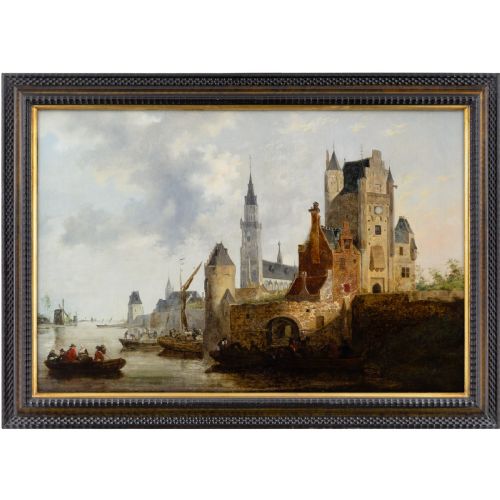
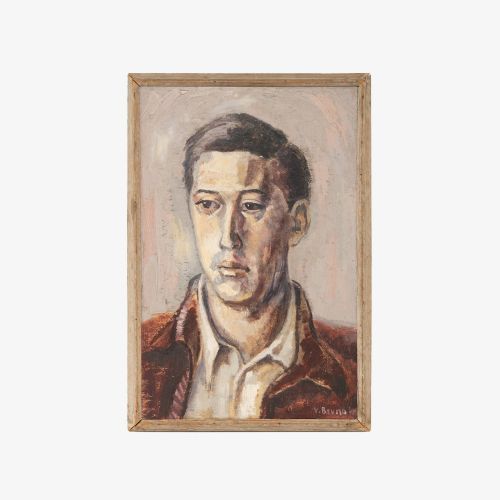
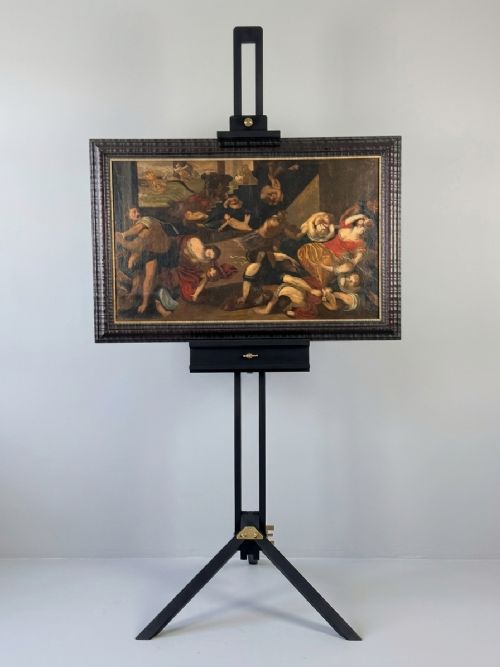
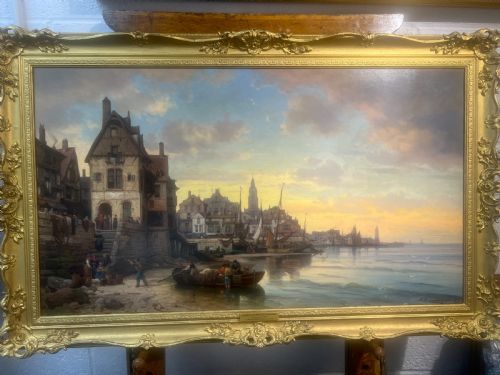


Continental Oil on Canvas
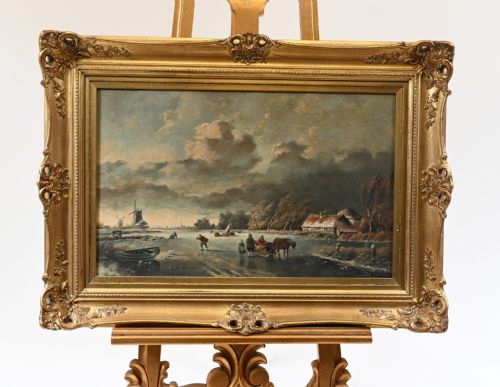
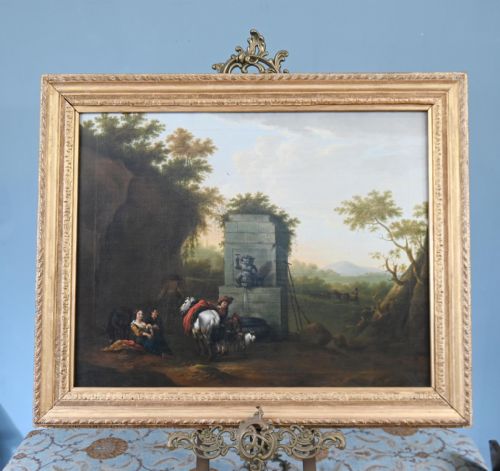
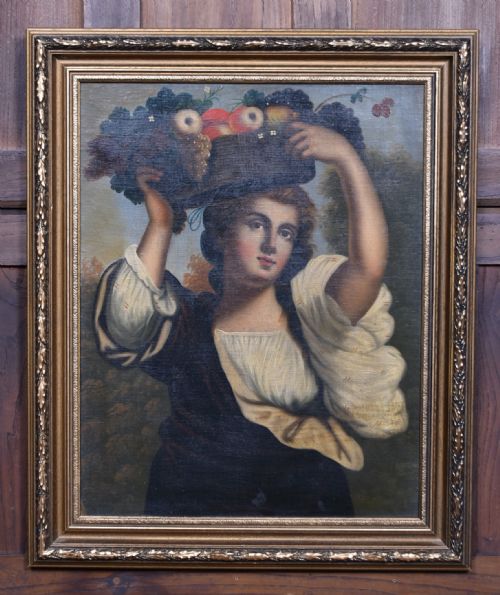
Continental oil on canvas works are framed paintings depicting European scenes, landscapes, and portraits, prized for their historical depth and painterly character.
Continental Oil on Canvas
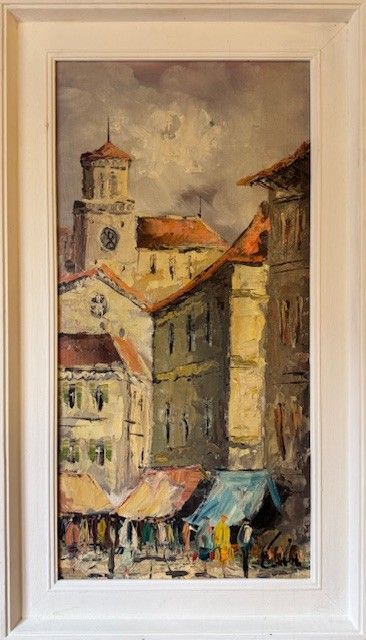
When searching for continental oil on canvas, a buyer encounters framed paintings originating from European studios spanning multiple centuries. These artworks capture diverse subjects including bustling townscapes, serene river landscapes, religious figures, and detailed still lifes of game and fruit. The nineteenth century yields the highest volume of examples on this page, often reflecting romanticism, realism, or regional schools from France, Italy, Germany, and the Netherlands.
The assortment ranges from intimate seventeenth-century devotional panels and seventeenth-century Dutch school landscapes to mid-twentieth-century townscapes and impressionist harbour scenes. Grand tour paintings and regional village views also populate the selection, providing buyers with windows into historic European life. Most surviving works are presented in period wooden frames, occasionally retaining original giltwood and gesso mouldings that complement the canvas within.
Materials and technique
Painters applied oil paint directly onto stretched woven canvas supported by wooden stretchers or frames. This combination allowed artists to build rich textures, impasto highlights, and subtle colour gradations that have survived across centuries.
Surviving works frequently retain their period frames constructed from wood and embellished with gesso and gold leaf or gilt. These frames were integral to the presentation, protecting the canvas edges and adding structural weight to the artwork.
Continental Oil on Canvas Retail Price Guide 2026
Typical asking prices for continental oil on canvas among the pieces listed under this phrase on Sellingantiques today, from the lower quarter to the upper quarter. They describe what is for sale here now, not the wider market.
Several canvases capture cows, cattle, and cherubs sharing pictorial space with nineteenth-century travellers.
Separating the ordinary from the exceptional
Quality in these paintings rests upon the handling of light, brushwork fluidity, and anatomical or spatial conviction within the composition. Masterful pieces display confident impasto, balanced colour harmony, and a distinct atmosphere that draws the viewer into the scene.
The integrity of the canvas and the survival of the original gilt frame significantly influence the standing of a piece. Works retaining their initial wooden stretchers and untouched paint surfaces hold greater artistic cohesion than those with heavy later interventions.
Charles Euphraisie Kuasseg·T Bergman·Jan Miel·E A Minardo·William George Meadows·William Raymond Dommersen·Armand Guillaumin·Karel Frans Philippeau·Ludwig Hermann·Marcel Brunery·Allan Douglass Mainds·Christiaan Pieter Snyders·Henry Schafer·A H Vickers
The Continental Oil on Canvas Glossary
- Canvas
- Woven fabric, typically linen or cotton, stretched across a wooden frame to serve as the painting surface. It provides the flexible substrate upon which oil paint layers are built.
- Giltwood
- Wood carved and covered with a thin layer of gold leaf or metallic powder. It forms the decorative surface of traditional picture frames.
- Impasto
- Paint applied thickly to a canvas, standing out in relief from the surface. This technique allows brush or palette knife marks to catch the light.
- Gesso
- A paint mixture consisting of a neutral binder mixed with chalk, gypsum, or pigment. It prepares wooden frames and panels for gilding or painting.
- School
- A group of artists associated with a particular place, period, or shared stylistic approach. Examples include the Dutch School and Italian School.
Continental Oil on Canvas: Frequently Asked Questions
What is continental oil on canvas?
These pieces are painted artworks created by European artists using oil-based pigments on stretched fabric. They encompass centuries of artistic traditions from various continental regions.
The subjects range from sweeping mountainous landscapes and townscapes to intimate portraits and religious scenes, reflecting the aesthetic priorities of their respective periods.
How should I display an oil painting?
Display these paintings away from direct sunlight and fluctuating heat sources to protect the canvas and paint layers. Maintaining stable indoor humidity prevents the wooden stretcher and canvas from warping.
Hang the artwork securely using appropriate wall fixings that match the weight of both the canvas and its heavy wooden frame.
How do I identify the period?
Dating relies on stylistic clues, costume details, architectural elements, and the physical construction of the canvas and stretcher. Earlier works often utilise heavier linen and hand-carved frames.
Signatures, dates inscribed on the reverse, and regional school characteristics further narrow down the decade or century of creation.
What is a grand tour painting?
Grand tour paintings are artworks purchased by wealthy travellers touring European cultural centres, particularly Italy, during the eighteenth and nineteenth centuries. These scenes typically depicted famous ruins, landscapes, or local customs.
Travellers collected these paintings as tangible records of their educational travels across the continent.