




Continental Mirror
A continental mirror brings sculptural weight and historic European craftsmanship to a room.
Continental Mirror
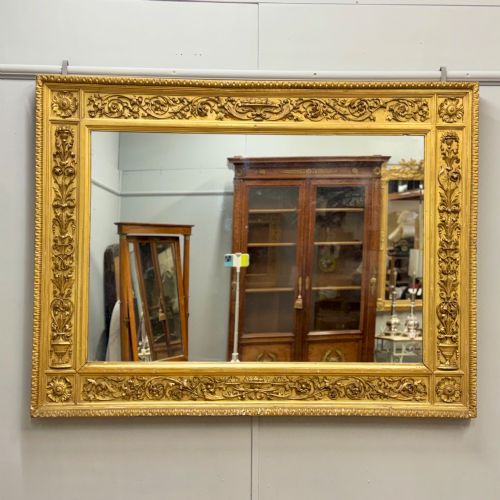
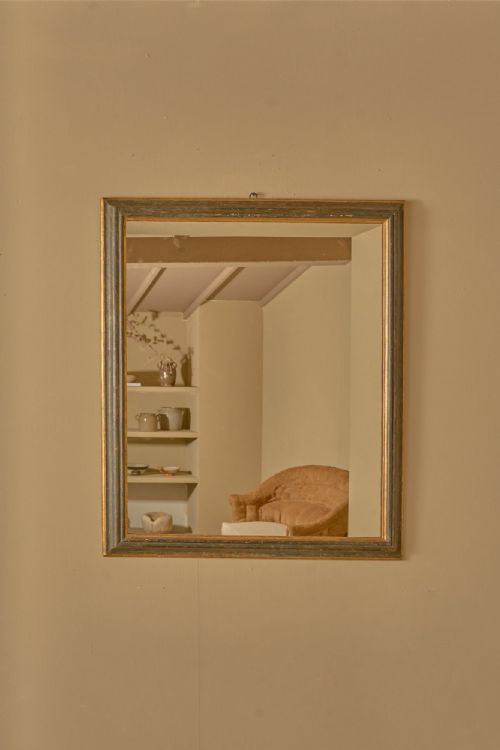
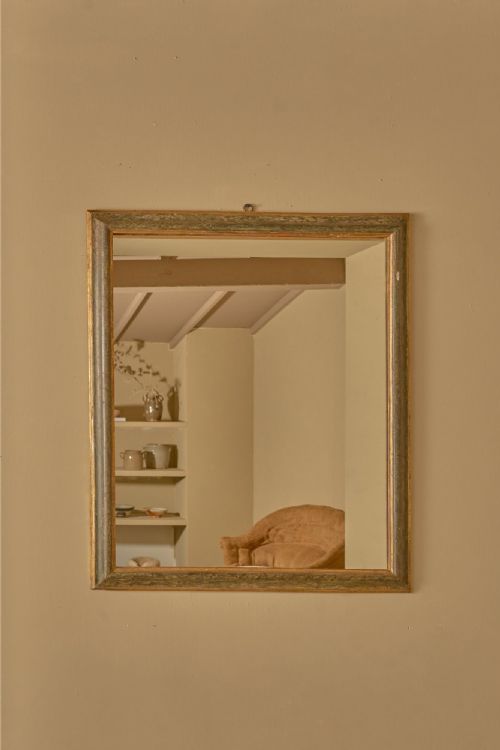
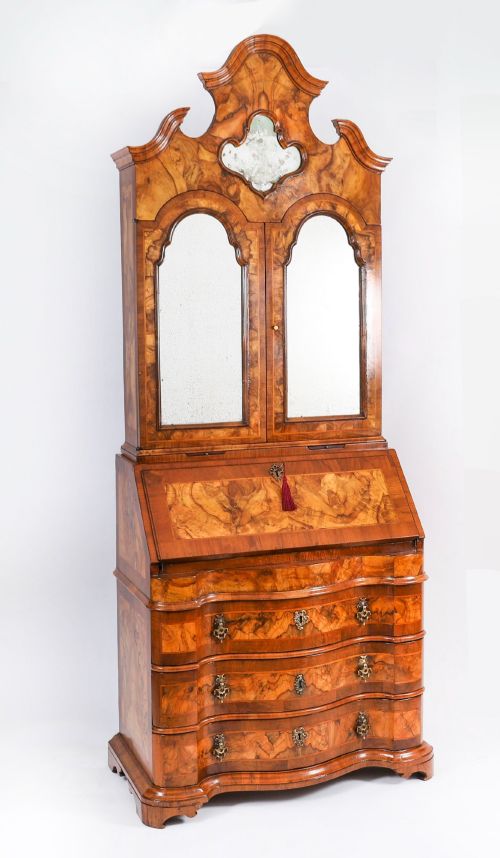
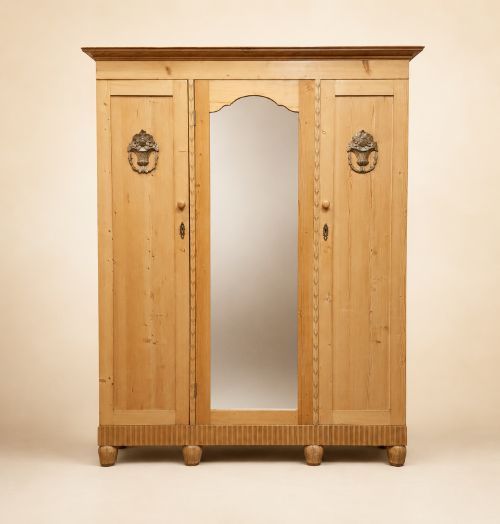
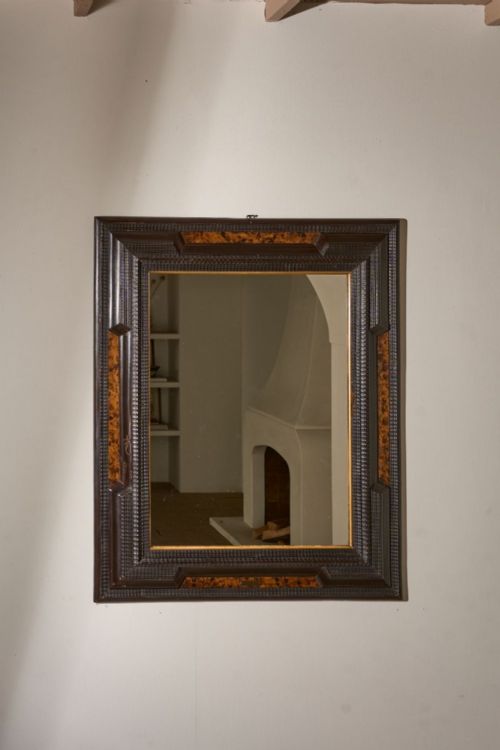
A continental mirror covers decorative looking glasses produced across Europe, most frequently taking the form of wall mirrors, pier glasses, and dressing table mirrors. The selection relies heavily on Italian pieces, alongside Dutch and Biedermeier examples that span from the eighteenth century into the twentieth century.
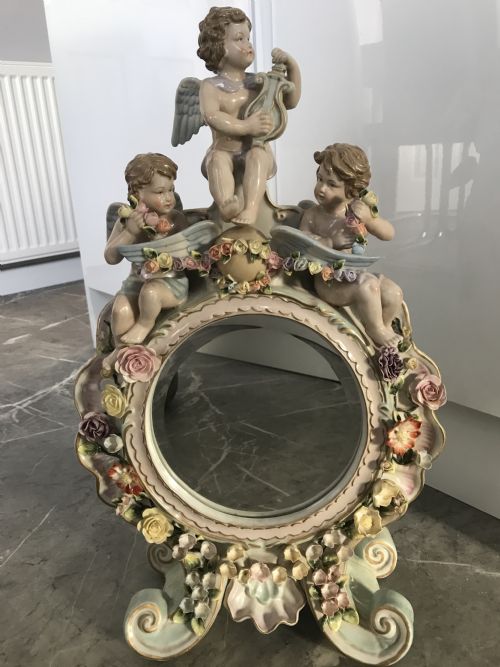
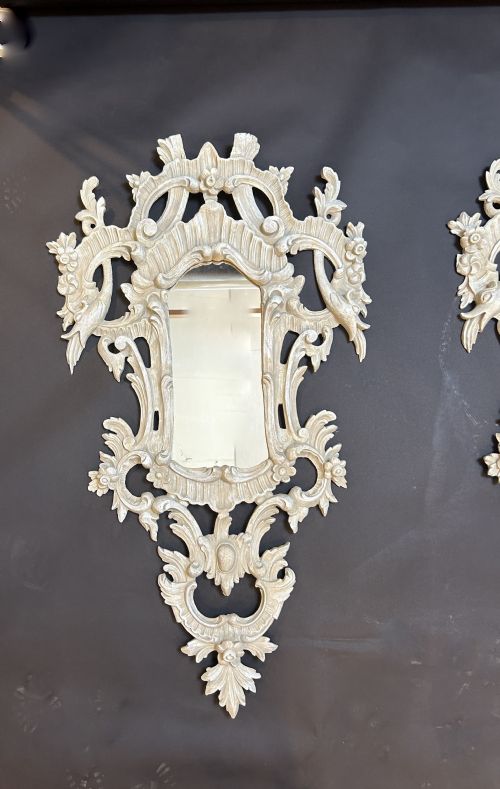
Buyers encounter everything from heavily carved giltwood rococo frames to restrained Biedermeier veneers in masur birch and flame mahogany. These pieces function as architectural wall accents or functional dressing furniture, often featuring porcelain floral mounts or ebonised details.
How they were made
Traditional framing relies on timbers such as walnut, pine, and birch, shaped and joined before receiving decorative surfaces. Giltwood frames utilise gold leaf applied over gesso preparations, creating the luminous reflective surfaces seen on Italian rococo examples.
Painted and ebonised finishes involve layered pigments and varnishes applied to the wooden carcase. Many decorative iterations incorporate moulded porcelain elements, such as cherubs and flowers, integrated directly into the frame structure.
Continental Mirror Retail Price Guide 2026
Typical asking prices for continental mirror among the pieces listed under this phrase on Sellingantiques today, from the lower quarter to the upper quarter. They describe what is for sale here now, not the wider market.
Listings feature items spanning the eighteenth century to the twentieth century, incorporating glass, gesso, walnut, and porcelain.
What varies in quality
Quality depends on the depth and precision of the hand-carved ornamentation within the wooden or gesso frame. Superior pieces display crisp relief work and balanced proportions, particularly in cartouche forms and scrolling foliage.
The choice of primary timber and the integrity of the surface finish dictate the standard of the piece. Authentic period gilding and original mirror glass retain a depth that mechanical reproductions or unsympathetic restorations lack.
The Continental Mirror Glossary
- Giltwood
- Wood that has been coated with gold leaf. This finish provides the characteristic metallic sheen on baroque and rococo frames.
- Gesso
- A plaster mixture applied to wood frames as a base for gilding or paint. It allows artisans to carve intricate relief details before finishing.
- Pier glass
- A tall mirror designed to hang on the wall space between windows. These pieces often coordinate with console tables placed below them.
- Cartouche form
- An ornate frame shape resembling an unfurled scroll or shield. This outline is typical of eighteenth-century Italian rococo designs.
- Masur birch
- A distinctive timber figuring featuring dark swirls and spots. It appears prominently in Biedermeier furniture and mirrors.
Continental Mirror: Frequently Asked Questions
How do I hang a heavy antique wall mirror safely?
Large carved frames require substantial wall anchors fixed directly into masonry or secure studs. Professional mirror hangers utilise heavy-duty brackets distributed across the frame weight.
Avoid relying solely on decorative hanging loops attached to the back of antique wooden frames. Distributing the load prevents structural stress on old joints.
What rooms suit a continental pier mirror?
Pier mirrors work well in entrance halls, dining rooms, and drawing rooms where vertical wall space permits. Placing them above console tables creates a balanced, traditional arrangement.
The tall proportions help bounce natural light around darker spaces while adding architectural presence to plain walls.
How do I clean antique mirror glass?
Use a soft, dry microfibre cloth to remove dust from the glass and frame surface. Avoid spraying liquid cleaner directly onto the glass, as moisture can seep behind the silvering or damage vulnerable giltwood.
If moisture is necessary, dampen the cloth slightly with distilled water and dry the surface immediately.