




Continental Bedside Tables
Continental bedside tables bring European character and practical bedside storage to a bedroom through diverse regional styles and materials.
Continental Bedside Tables
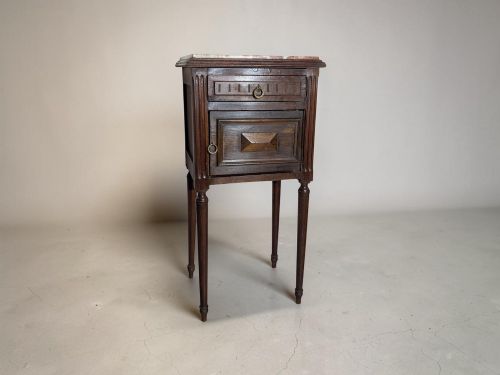
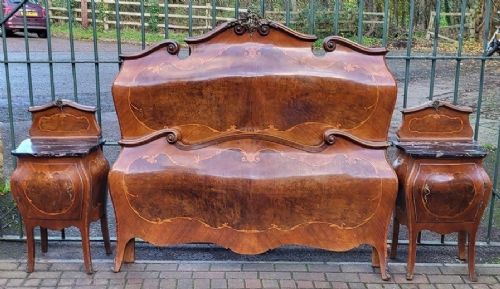
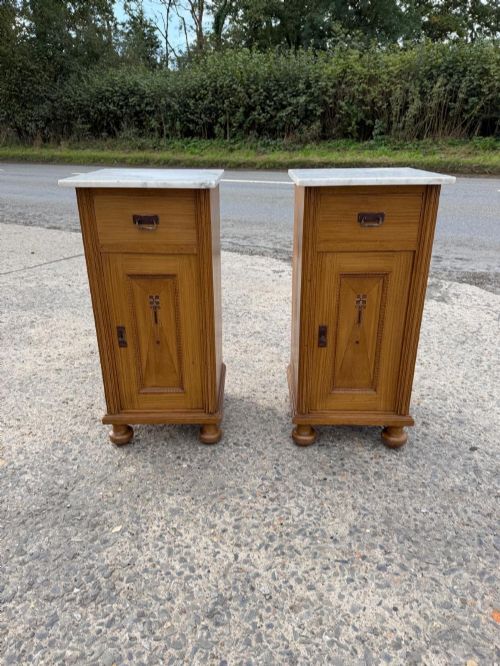
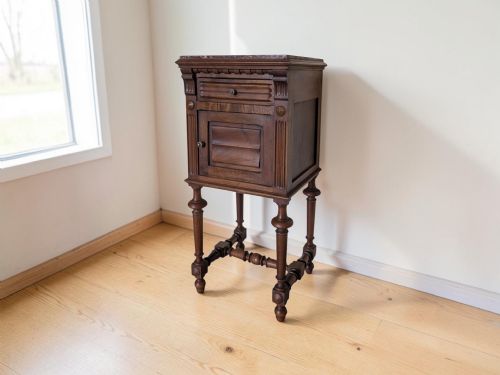
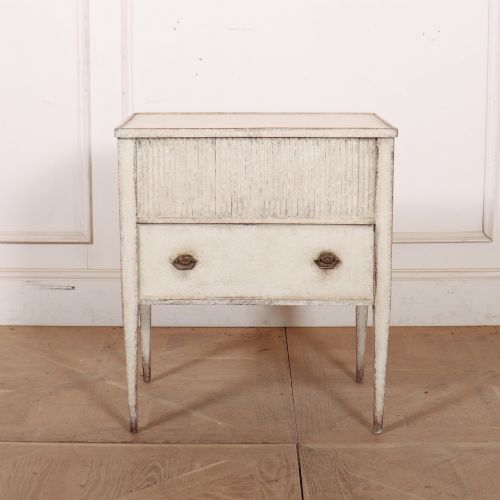
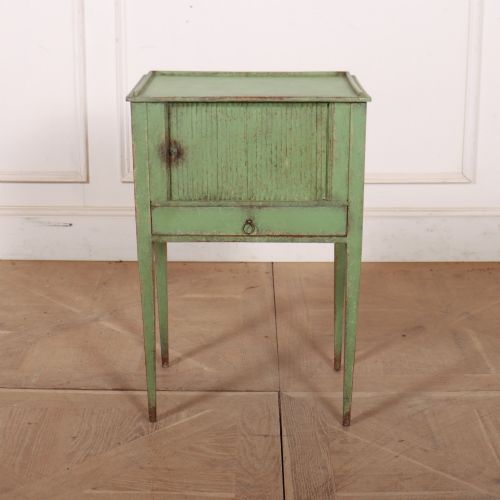
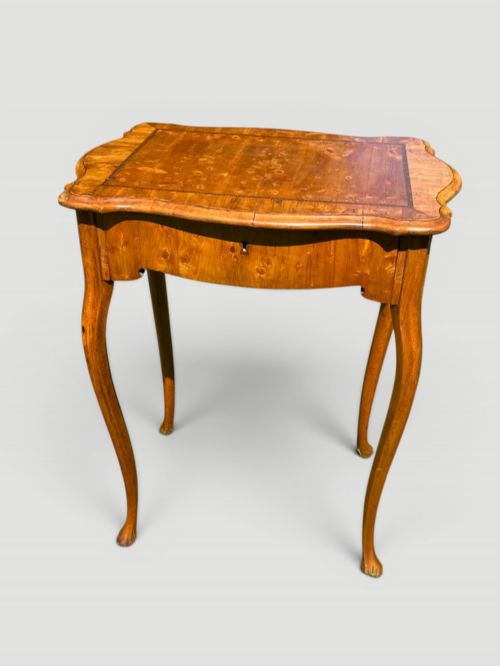
Continental bedside tables encompass a range of European bedroom furnishings designed for bedside storage and display, appearing across various forms on this page. Buyers seeking continental bedside tables find pieces varying from painted pine cabinets to figured walnut nightstands.
The selections span distinct periods including the Victorian era, the nineteenth century, and the early twentieth century. Common forms include bedside cabinets, side cabinets, and headboards featuring attached bedside tables.
Regional diversity shows in Dutch, Hungarian, and Eastern European pieces, alongside revival styles and Art Deco designs. These items serve both functional bedside storage needs and decorative purposes within domestic interiors.
Materials and construction methods
Construction utilises traditional timbers such as walnut, oak, pine, and satinwood, frequently paired with fitted marble tops. Cabinetmakers employed marquetry inlay and carved ornamentation to enrich wooden surfaces, particularly on walnut and giltwood examples.
Painted finishes appear extensively on regional pieces, utilising painted pine and oak to achieve distinctive coloured surfaces. Metal elements such as brass integrate into lighting pieces and hardware fittings associated with the furniture.
Continental Bedside Tables Retail Price Guide 2026
Typical asking prices for continental bedside tables among the pieces listed under this phrase on Sellingantiques today, from the lower quarter to the upper quarter. They describe what is for sale here now, not the wider market.
Listings feature bedside tables and cabinets spanning from the nineteenth century through the Art Deco period, incorporating marble, walnut, and painted pine.
Assessing quality in regional pieces
Quality rests upon the selection of timbers, such as figured walnut or quarter-sawn oak, and the precision of cabinet joinery. Superior examples exhibit refined surface treatments, including intricate marquetry inlay, well-executed carving, and intact marble tops.
The integrity of original painted finishes on regional pine and oak cabinets distinguishes finer vernacular pieces. Structural stability and the retention of original brass hardware or fittings further elevate the standing of a table.
The Continental Bedside Tables Glossary
- Marquetry
- Decorative veneer work arranged in geometrical or pictorial patterns on wooden surfaces. This technique adds visual complexity to furniture panels.
- Secessionist
- An early twentieth-century artistic movement focused on modern design principles. It influences metalwork and lighting styles from that period.
- Giltwood
- Timber treated with gold leaf or gold paint to create a lustrous decorative surface. This finish appears frequently on carved lamps and frames.
- Vernacular
- Regional building or crafting traditions tied to local materials and cultural practices. Eastern European painted pine furniture exemplifies this approach.
Continental Bedside Tables: Frequently Asked Questions
What defines continental bedside tables?
Continental bedside tables are European bedroom cabinets and small stands originating from various regions and periods. They provide enclosed storage or surface space beside a bed.
These pieces reflect local craftsmanship through specific timber choices, painted finishes, and regional design traits.
How do I clean marble tops?
Marble tops require gentle cleaning with a damp cloth and mild, pH-neutral soap. Avoid acidic cleaners that can etch the polished stone surface.
Regular dusting and immediate wiping of spills help preserve the natural stone finish over time.
Can I mix different wood tones?
Mixing different wood tones creates a layered interior by embracing the varied materials found in European furniture. Walnut, pine, and satinwood coexist successfully through shared historical contexts.
Matching the scale and period feel matters more than ensuring identical timber colours across the room.
How do I date an antique cabinet?
Dating an antique cabinet involves examining construction techniques, joinery marks, and hardware types. Tool marks on secondary timbers often indicate nineteenth-century or earlier hand-working.
Stylistic cues such as Art Deco geometry or Victorian proportions provide further chronological markers.